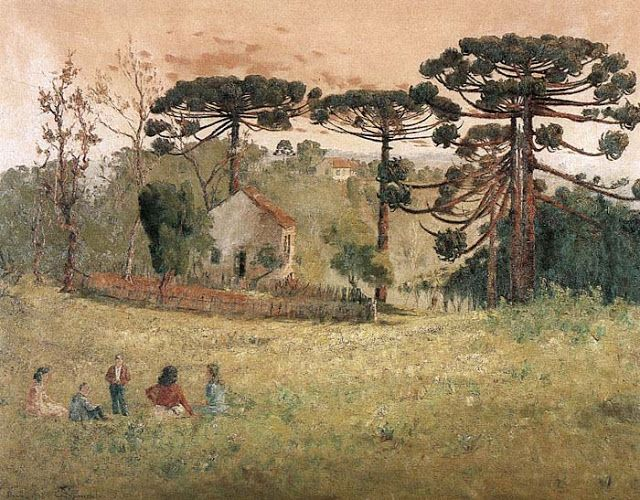
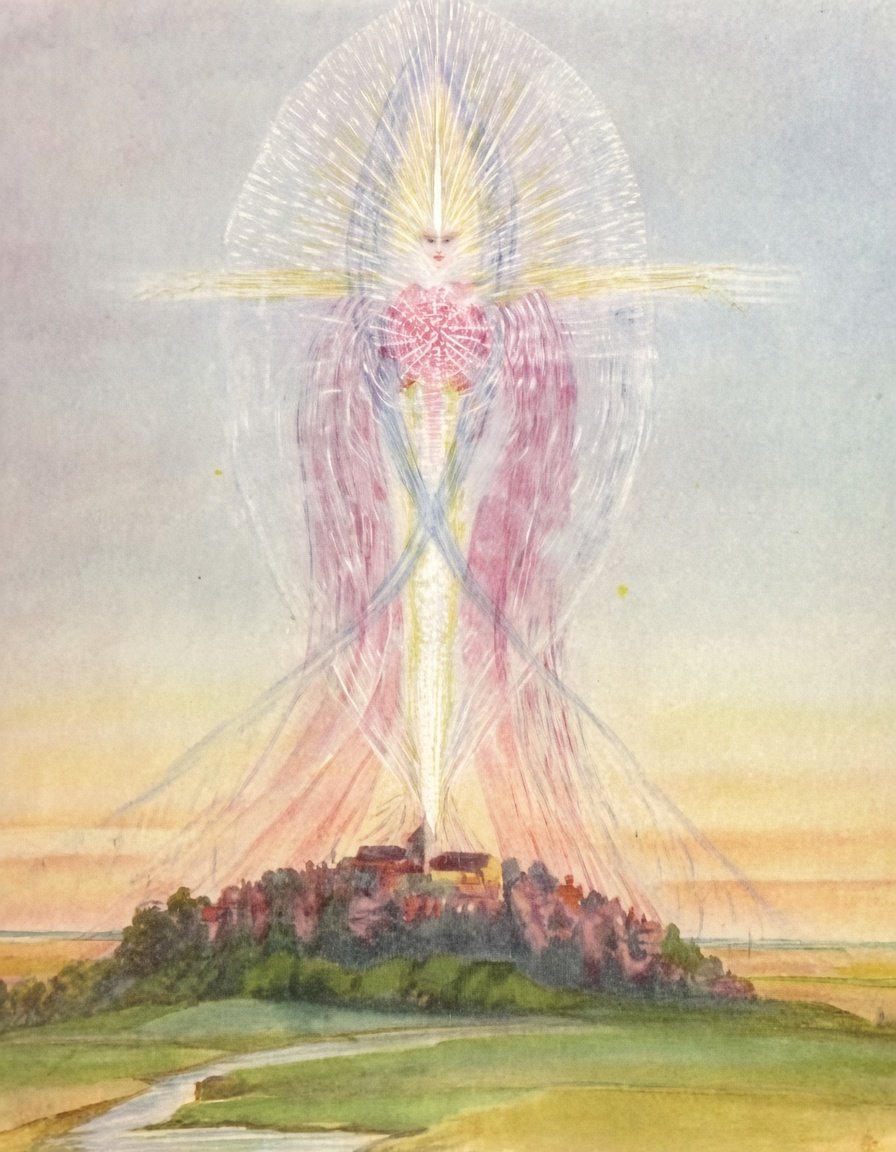
O Novo Plano está finalmente chegando.
Da pra sentir no ar, na vibração, no tempo!
Tá tudo diferente, mais sutil, refinado, fino e delicado!
O que era escondido agora está estampado na nossa cara.
As sensações e sentimentos estão mudados... estamos sendo transformados ✨
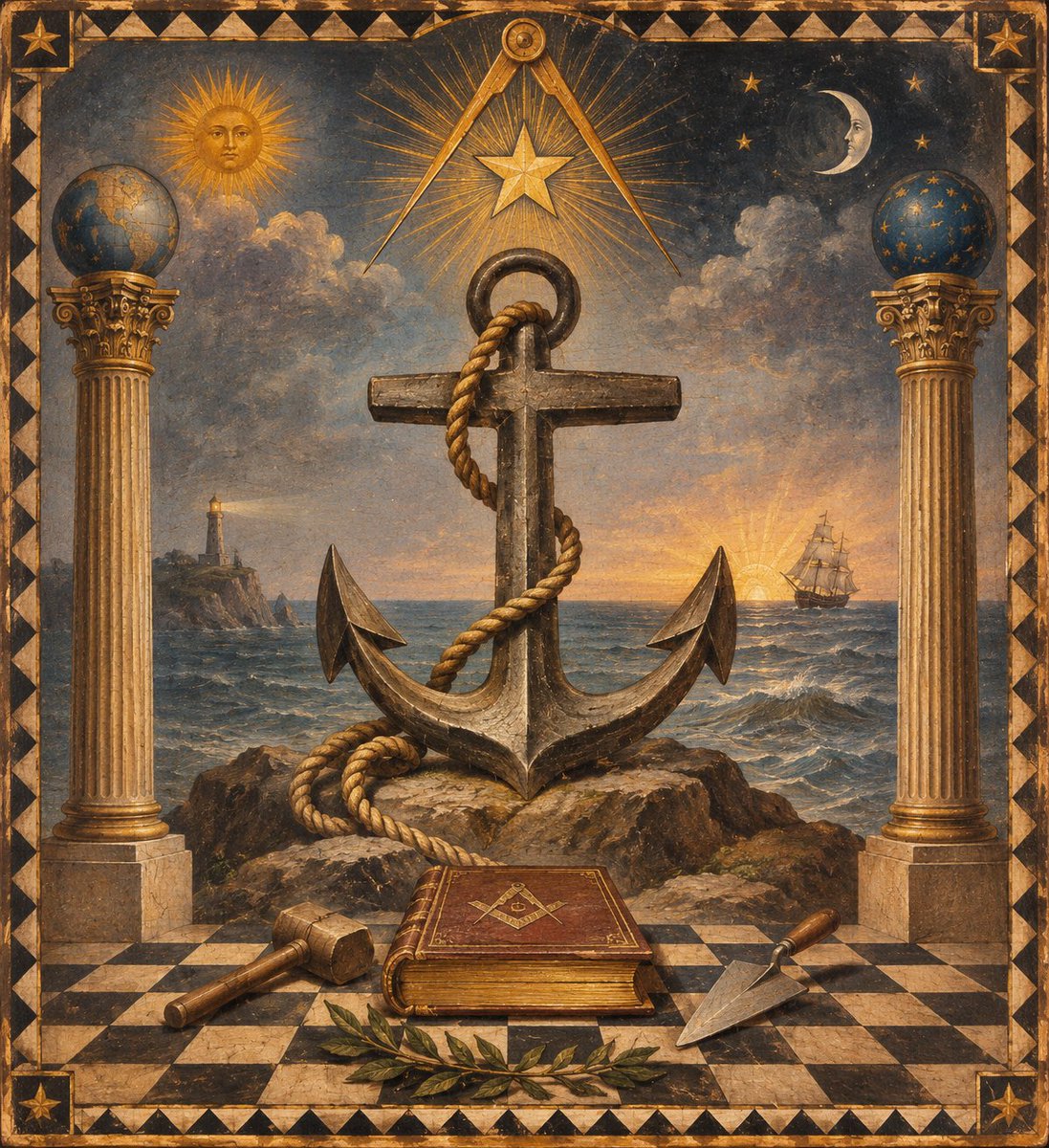
The Anchor: An Emblem of Steadfast Hope
The anchor is cast into the deep to hold a vessel firm against the violence of wind and current. Its iron flukes take hold upon the seabed, securing the ship while the waves break against her hull and the tempest strains her cables. Upon the strength of that unseen hold depend the safety of the vessel and the confidence of her crew.
In Christian symbolism, the anchor has long represented hope, particularly the steadfast assurance expressed in the Epistle to the Hebrews, wherein hope is described as “an anchor of the soul, both sure and stedfast.” Early Christian art employed this familiar instrument of the mariner as an emblem of faith sustained amid suffering and uncertainty.
Within Masonic symbolic traditions, the anchor likewise appears as an emblem of hope, security, and constancy. Its moral significance may be understood through the discipline of remaining faithful to sound principles when circumstances become uncertain and the prospect of safe harbour grows dim.
The upright man must possess an anchorage within his own conscience. His convictions must have sufficient depth to withstand the changing tides of fortune, the contrary winds of public opinion, and the storms of adversity.
For the vessel whose anchor holds may weather the darkness with confidence, knowing that the dawn shall disclose the harbour once again.
Love is one of the greatest protections against demonic influences.
To understand why, we must first understand what happens within us.
Most people do not think as independently as they imagine.
Our thoughts are constantly shaped by fear, desire, public opinion, and the environment around us.
We believe we are thinking.
Often, we are merely reacting.
Dr Steiner therefore placed enormous importance on learning to master one's own thinking.
Choose a thought deliberately.
Hold it steadily.
Follow its inner logic.
Do not allow the mind from wandering.
Why does this matter?
Because an uncontrolled mind is easily influenced.
When entering an environment filled with dishonesty, cruelty, selfishness or destructive behaviour, we can unconsciously begin adopting the thoughts, emotions and attitudes around us.
The answer is not to withdraw from the world.
The answer is to develop an inner life that does not merely reflect its surroundings.
Love turns our attention away from ourselves and toward another being.
Instead of asking what we can gain, we become genuinely interested in the other person's existence.
This transforms how we perceive reality.
When someone wrongs you, fear sees an enemy.
Pride sees an insult.
Anger sees only faults.
But love allows you to see the whole human being.
You can recognise their weaknesses without becoming consumed by hatred.
Love is a force of cognition.
It allows us to enter the reality of another being rather than viewing everything through the lens of our own desires.
This is the deeper meaning of the Christ impulse.
Not simply belief.
Transformation.
The gradual overcoming of selfishness through freely chosen love.
As Scripture says:
"Perfect love casteth out fear." - 1 John 4:18
But love must be strengthened by disciplined thinking.
Let daily meditation shape your thinking, feeling and actions.
Over time, inner order replaces inner chaos.
Consciousness replaces reactivity.
Freedom replaces compulsion.
The goal is not to become afraid of darkness.
The goal is to become so inwardly awake that darkness no longer determines who you become.
Do not focus on protecting yourself from the world.
Develop so much love, clarity, and self-mastery that you no longer become like what surrounds you.
"The light shineth in darkness; and the darkness comprehended it not." - John 1:5
one of the most fascinating ideas I've encountered recently is Chiastic Time
life isn't a story unfolding from beginning to end, but a pattern unfolding around a sacred center
mainly operating through coincidence and synchronicity, events separated by years reveal themselves as parts of a larger mandalic-like pattern
"Tao produced Unity; Unity produced Duality; Duality produced Triplicity; and Triplicity produced the Ten Thousand Things. The Ten Thousand Things support the Yin and embrace the Yang. It is the blending of the breaths which calls forth harmony."
— Tao Te Ching (Chapter 42)