UK naturalist, fascinated by our rich moss and liverwort flora
Instagram: @bryofloristic
iNaturalist: orthotrichum
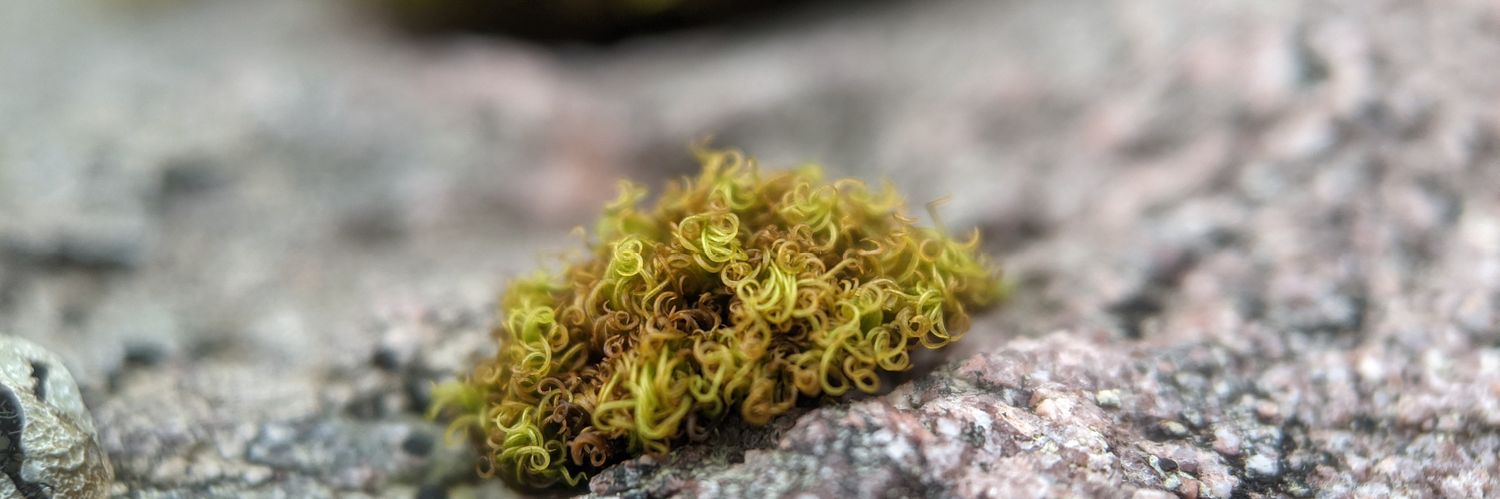
(banner is Ptychomitrium polyphyllum)
If anyone is interested, Des Callaghan has put some freely available, absolutely stunning bryophyte photos from western Canada onto his website. Really worth a look. He even saw the enigmatic moss Takakia lepidozioides.
https://t.co/U0Oi7mXFVG
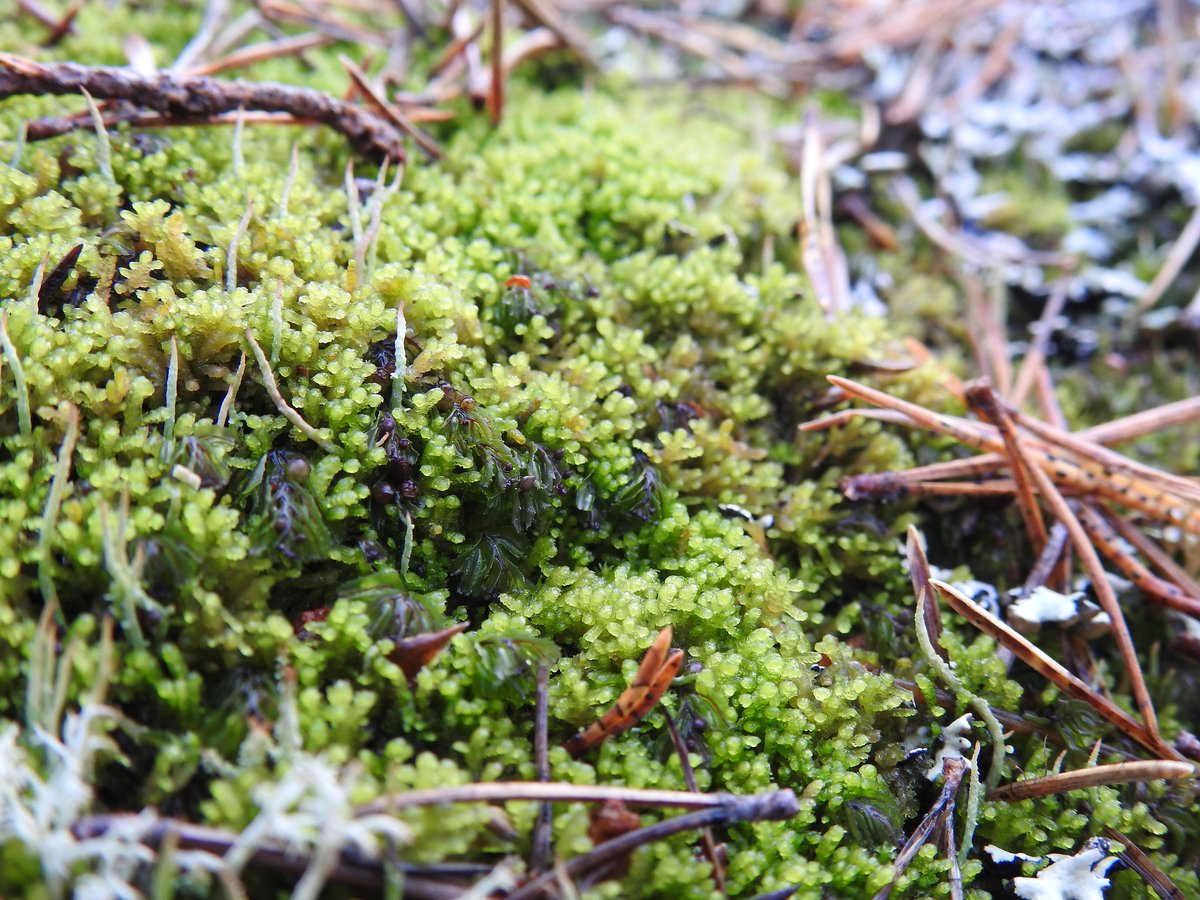
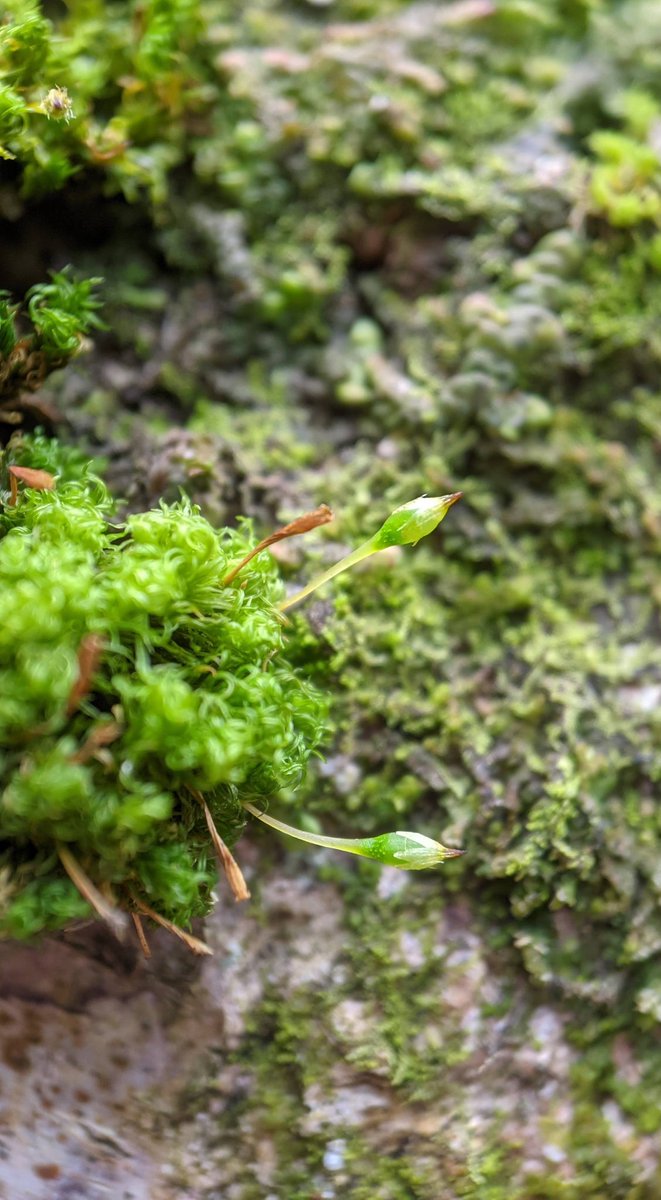
Oligotrichum hercynium, a tiny moss that grows in a similar habitat to its relatives Pogonatum urnigerum and P. aloides, namely acidic, sandy soil, often found on tracksides.
Only just realized there was a #ByTheSea challenge! Here's some Bolboschoenus maritimus, on the side of a road through a saltmarsh (not a "flower" per se but very charismatic)
A lone Harebell (Campanula rotundifolia) in in the montane dwarf-shrub heath on the rugged ridge between Stradbally Mountain and Beenoskee
#wildflowerhour
The BBS depends on the goodwill of volunteers to keep on running, and unfortunately is having problems finding someone to act as Treasurer. Is there a financially literate bryosympathetic friend out there who might be able to help? Please RT (or is it RX?) https://t.co/6tsZvgXBWM
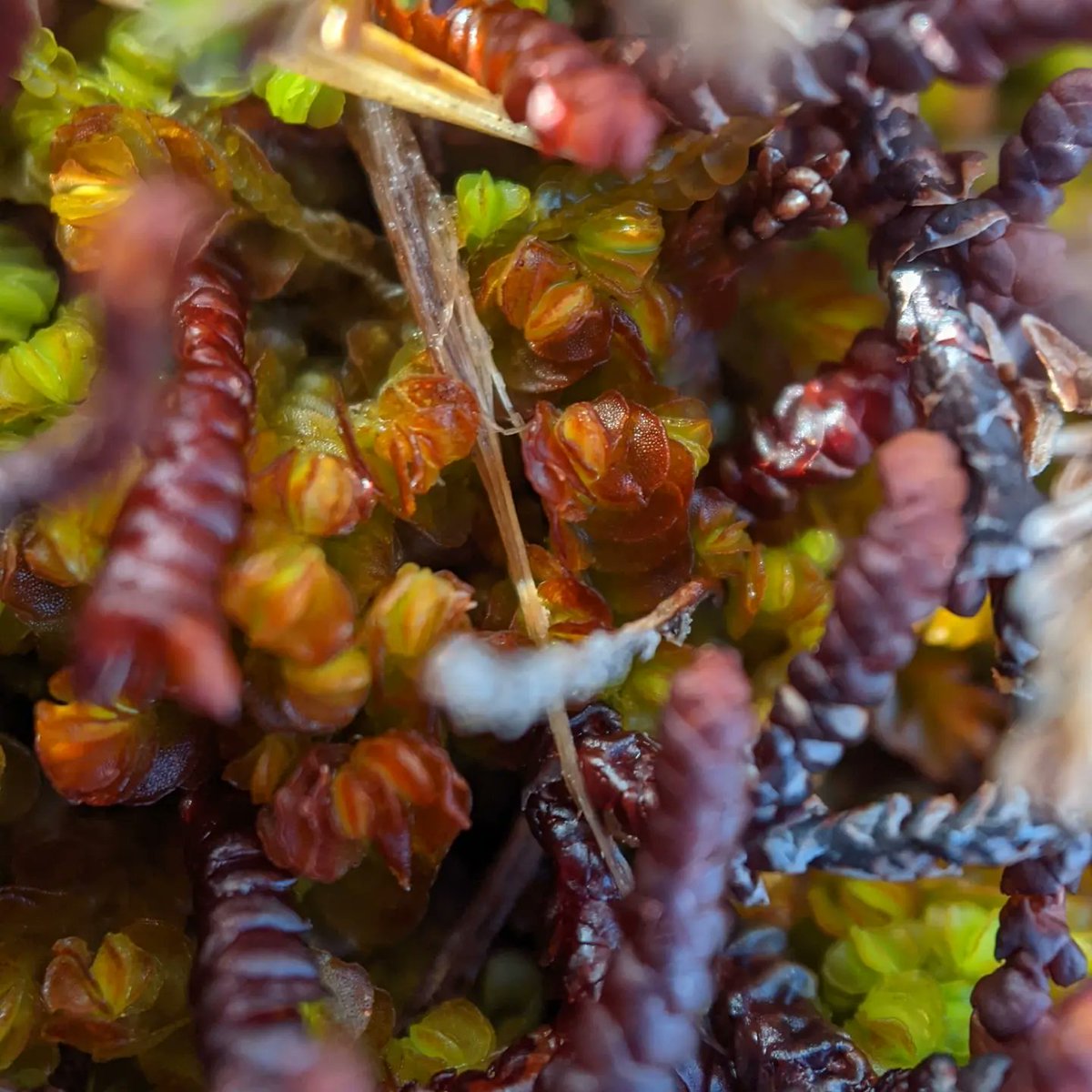
Gymnomitrion crenulatum on the ascent to Más an Tiompán. An extremely small liverwort that tolerates exposed slopes. The common name is "frostwort", and this impression is created by the transparent leaf margins.
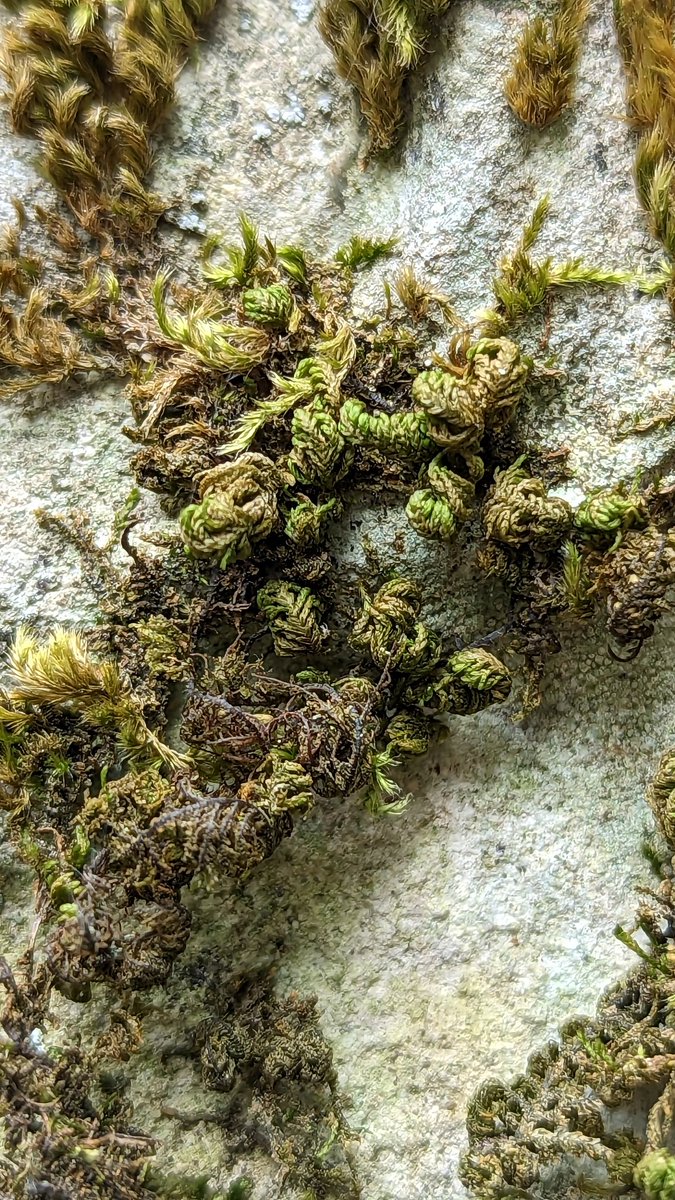
Ulota hutchinsiae is a common moss on rocks in Kerry, seen here on the southern path to Más an Tiompán. Usually this genus is confined to trees with basic bark, but U. hutchinsiae tolerates acidic rocks. The leaves are brown below and don't crisp around the stem
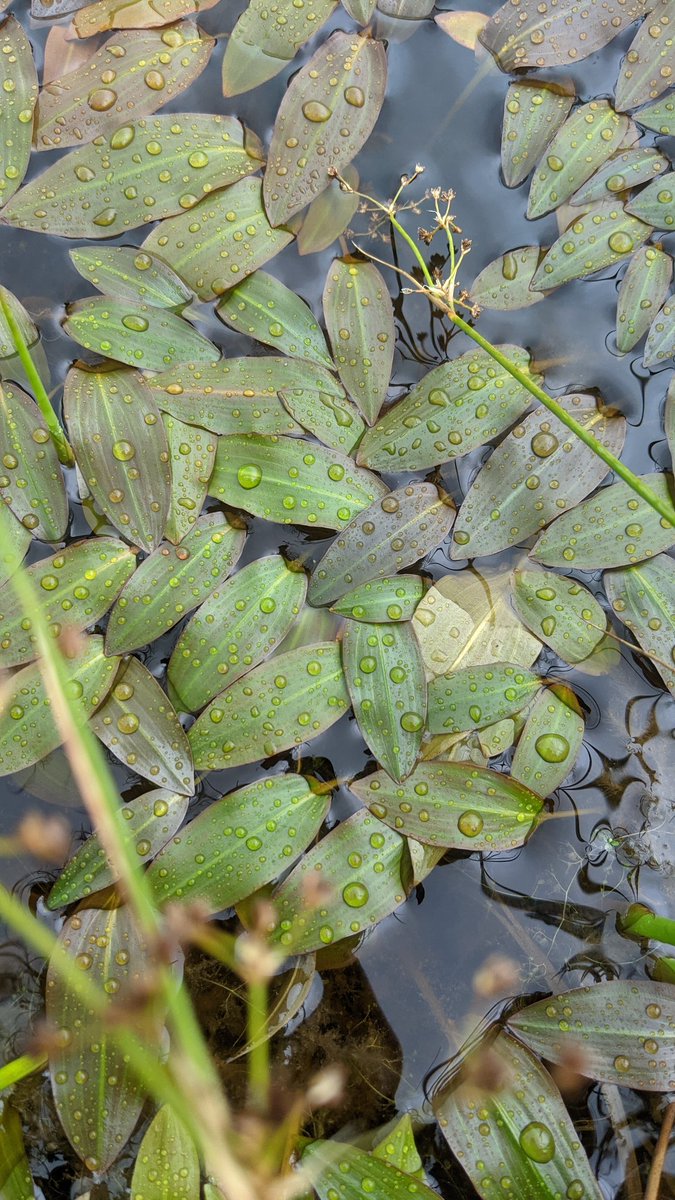
A very attractive display of the common Potamogeton polygonifolius (Bog Pondweed) on a track near Glanteenassig on Tuesday. This large genus requires some careful inspection to identify - in this case the lack of a hinge-like joint between stipule and leaf is key.
@PaintingAndrew Definitely an Amanita. The skirt looks like A. pantherina but the red tinge on the cap edge would suggest A. rubescens (not a go-ahead to eat it of course). Apparently Agaricus bitorquis is better known to do what yours is doing
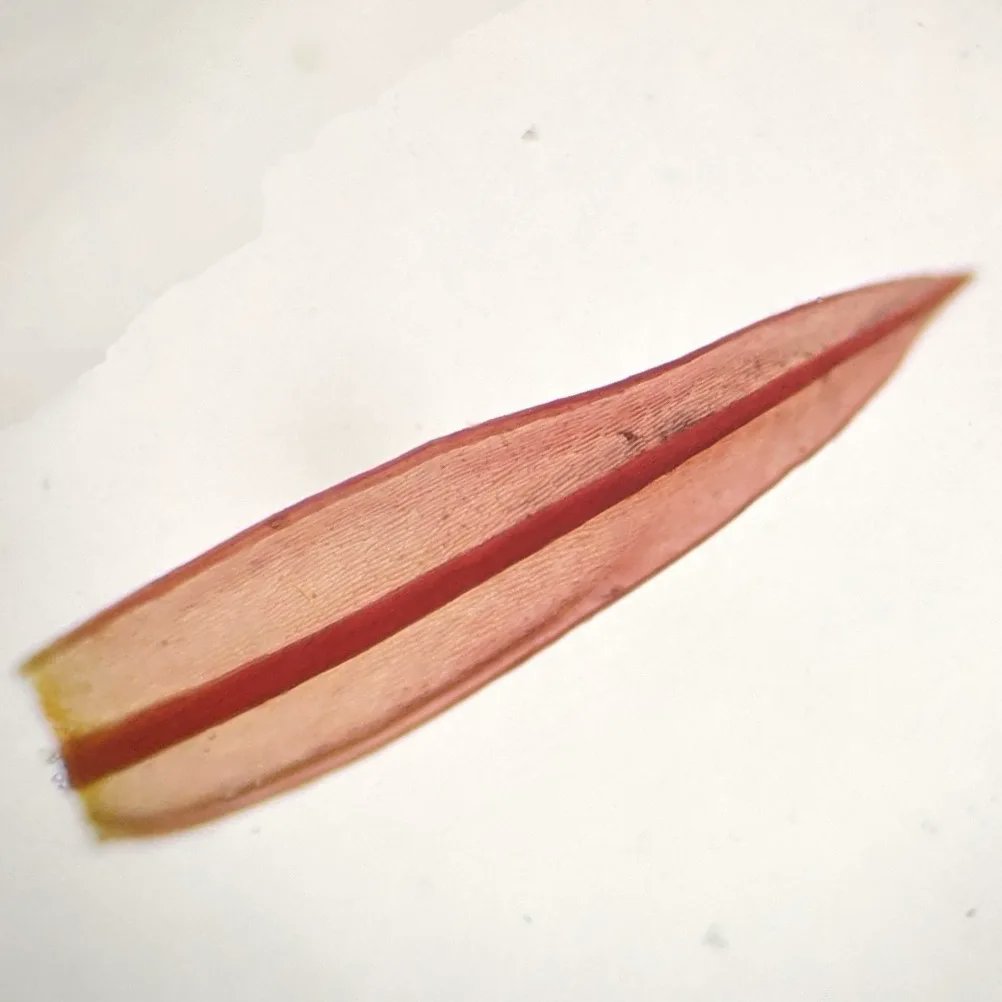
A beautiful mixed cushion of Bryum pseudotriquetrum and B. alpinum, found in an upland flush near Lough Acoose. Shown are the most distinctive features of both - B. pseudotriquetrum with decurrent leaves and B. alpinum with long, red-nerved ones.
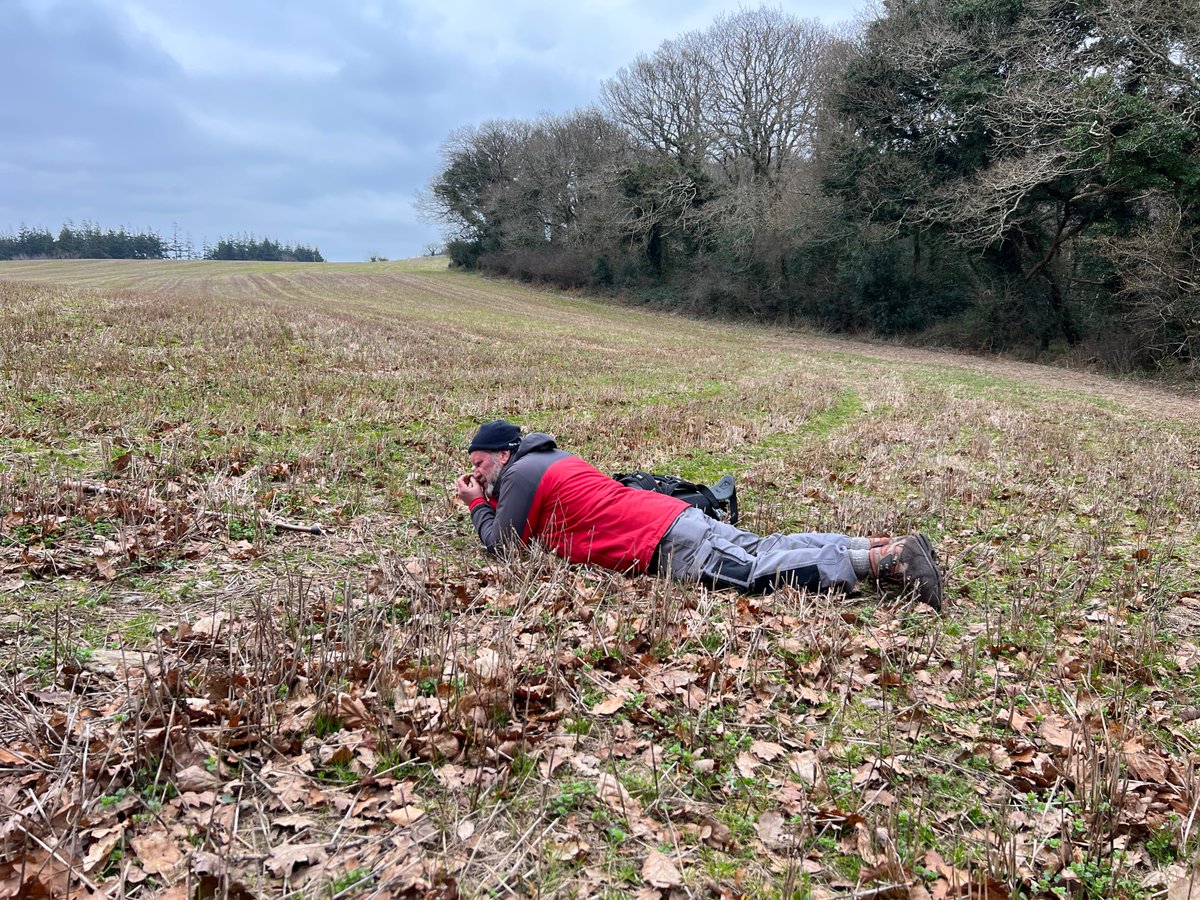
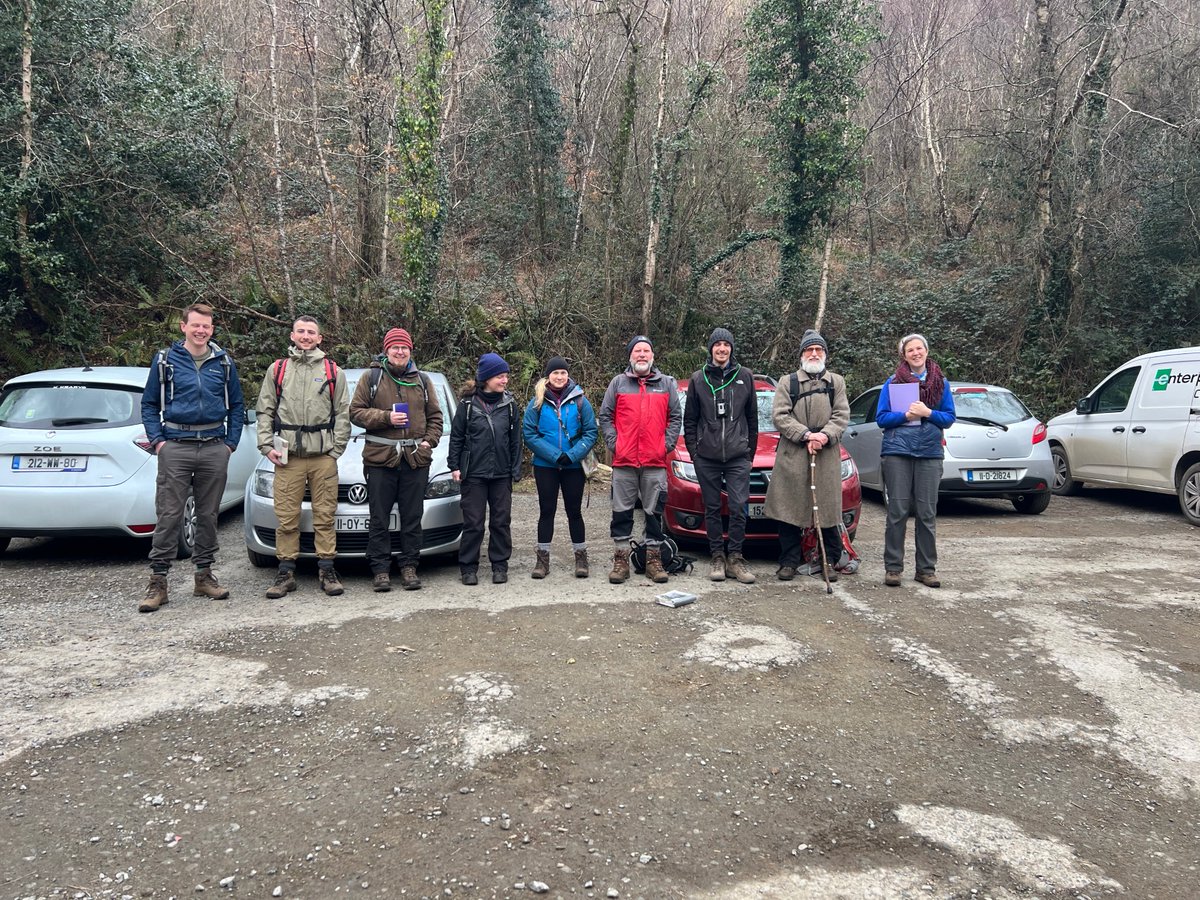
A great Irish Bryophyte Group meeting to Deputy's Pass, Co. Wicklow today - delighted to have Professor Daniel Kelly join us. Find of the day was Porella arboris-vitae by @BlackthornEcol - first record in the east of Ireland since 1975. And we even found some stubble.
Yesterday I went to look for Anastrophyllum saxicola which is a very rare liverwort in Scotland. My hunch paid off when I found it, in this boulder scree I've had my eye on for a while, AND Wilson's filmy fern (Hymenophyllum wilsonii) which is pretty scarce in the Cairngorms NP.
A few colonies of Orobus Seed Liverwort (Targionia hypophylla) at Cwm Ivy today, new for Glamorgan; seen here growing with Hemisphaeric Liverwort and the Nationally Rare Pretty Cord-moss. Plenty Rose-moss too @BBSbryology
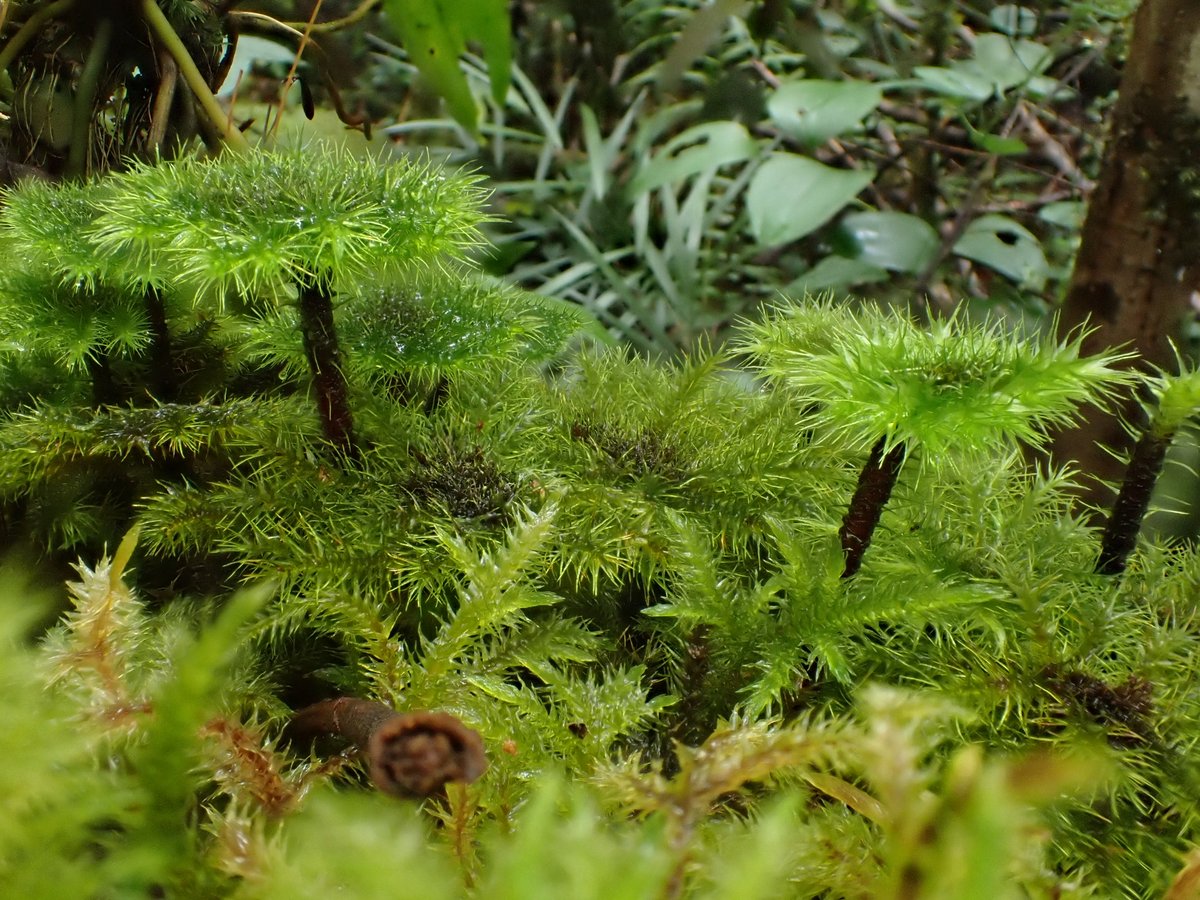
Bryophytes are abundant in the very wet conditions on Kinabalu, Sabah; this rather nice 'tree moss' with thick woody 'stems' is locally abundant on fallen logs. Any ideas on this one @BryophyteSurvey @BBSbryology ?
Pleasure meeting with Rory Hodd of @NimbosaEcology yesterday, in Derrycunnihy Wood in Killarney. Loads of wonderful oceanic finds, just a selection here:
1. Bazzania tricrenata
2. Adelanthus decipiens
3. Sematophyllum demissum
4. Lepidozia cupressina