Who can get me an intro to Palmer?
This is the scale we need to build at on the oceans, though there are better designs that allow for lower cost and faster construction at sea.
Selling Oculus to Facebook in 2014 gave me money for helicopter flight lessons and developing a seastead called SLAB with a 1,000 year design life.
The goal was to be cheaper than land and absent state/local laws that cripple critical American industries like metal processing, medical research/treatment, desalination, oil refining, chemical engineering, and more. Me and a few close friends cashed it up at a $1B valuation back in 2017, and while it still has a long way to go, there has been significant progress towards my goal of reviving manifest destiny and westward expansion. At a time when most of the seasteading community wanted to escape the US and smoke pot, this was the one project explicitly designed to make America stronger, a relief valve for ill considered or outdated rules and regulations.
I am only talking about it now because a few media outlets got wind of me and some friends topping up the coffers and plan on calling SLAB my new floating AI datacenter project. It is way cooler than that, way older than that, and I hate looking like a hype-chasing consensus loser, so now you have to read this tweet.
This is great!
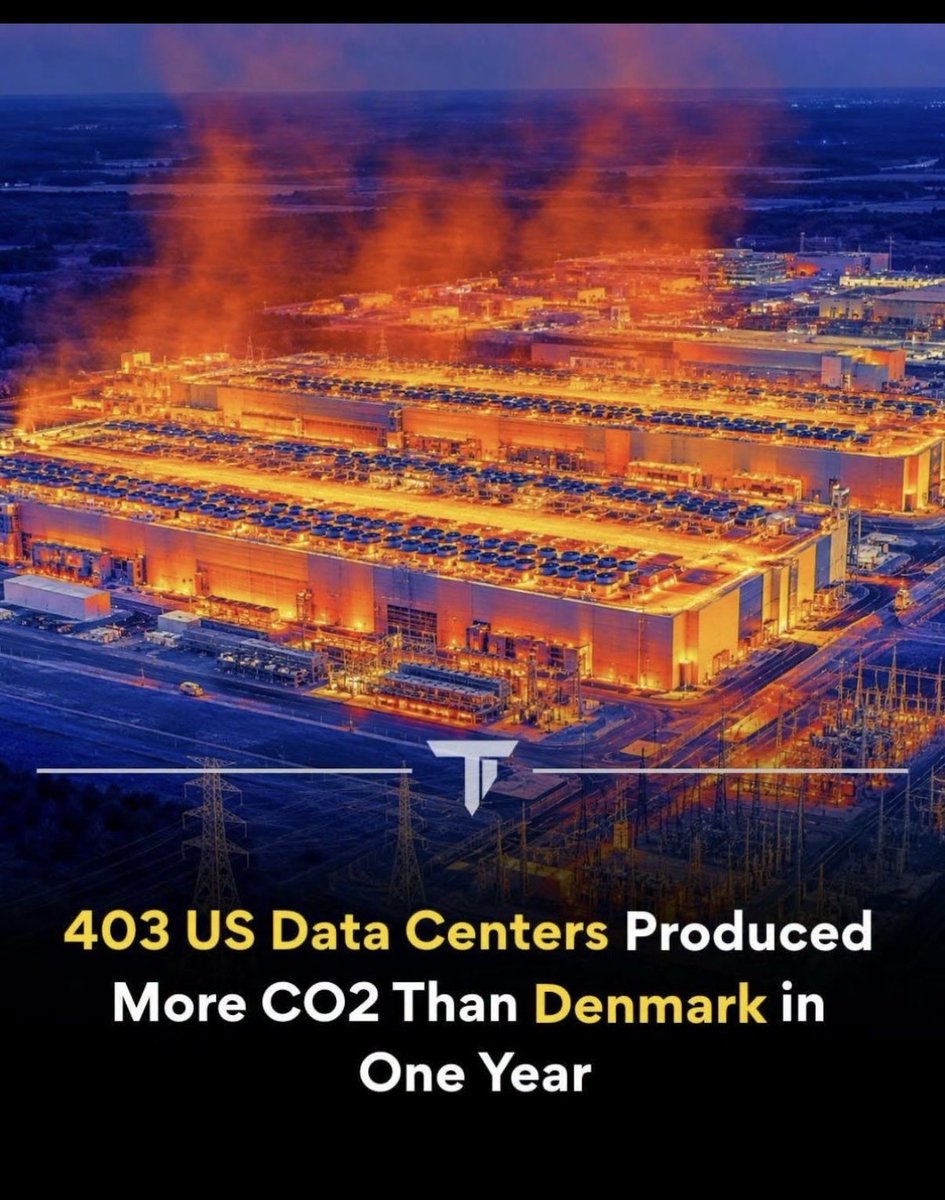
Hundreds of datacenters only produce as much co2 as a tiny country that gets most of its energy from renewables.
People posting this thinking it supports their anti-datacenter agenda just shows how little they understand about the subject.
Domes are the easiest to start with, using airforms and shotcrete. Has been done on land for decades. Overall curves are better than flat sides, aside from joining them, but joints are always weak points, so better to build at a large scale with a single monolithic shell. Garbage patch needs cleaned, but it’s a massive area and wouldn’t provide enough useful resources anytime soon to be a good place to start, seas are much rougher than equatorial waters.