उत्तर प्रदेश के बुंदेलखंड में किसानों की फसलें नीलगाय, जंगली सूअर और अन्ना मवेशियों के हमलों से बुरी तरह प्रभावित हैं।
कई किसान डर के कारण खेत परती छोड़ रहे हैं या महंगी तारबंदी और सोलर फेंसिंग का खर्च नहीं उठा पा रहे।
सरकार की गोशालाओं और बुंदेलखंड एकीकृत कृषि विकास (सोलर फेंसिंग) योजना के बावजूद जंगली सूअरों व आवारा पशुओं से सुरक्षा अधूरी है, जिससे उपज आधी रह गई और किसानों की आय व आजीविका पर गंभीर संकट मंडरा रहा है।
रिपोर्ट @bsrivas
डाउन टू अर्थ की खास सीरीज की अगली कड़ी पढ़ें - https://t.co/GvYsiCmNWO
Andaman and Nicobar Islands now have India’s lowest fertility rate, according to NFHS-6.
The Union Territory’s total fertility rate has fallen to 0.9 — less than half the replacement rate of 2.1 — signalling a sharp demographic shift.
The data also shows fewer young children and a growing elderly population, with experts linking the decline to smaller family preferences, better access to family planning, women’s literacy, education and economic independence.
@bsrivas explains what this means for India’s changing population story.
https://t.co/4LDkCq8e96
देश भर के किसानों को कई मुसीबतों से एक साथ लड़ना पड़ता है। इनमें से एक जानवर हैं। जंगली हो या आवारा जानवरों, दोनों उनकी जान के साथ-साथ फसलों के दुश्मन बन चुके हैं। डाउन टू अर्थ ने देश के विभिन्न हिस्साें से इस बड़े संकट पर ग्राउंड रिपोर्ट की।
अब तक आप बिहार, झारखंड की रिपोर्ट पढ़ चुके हैं।
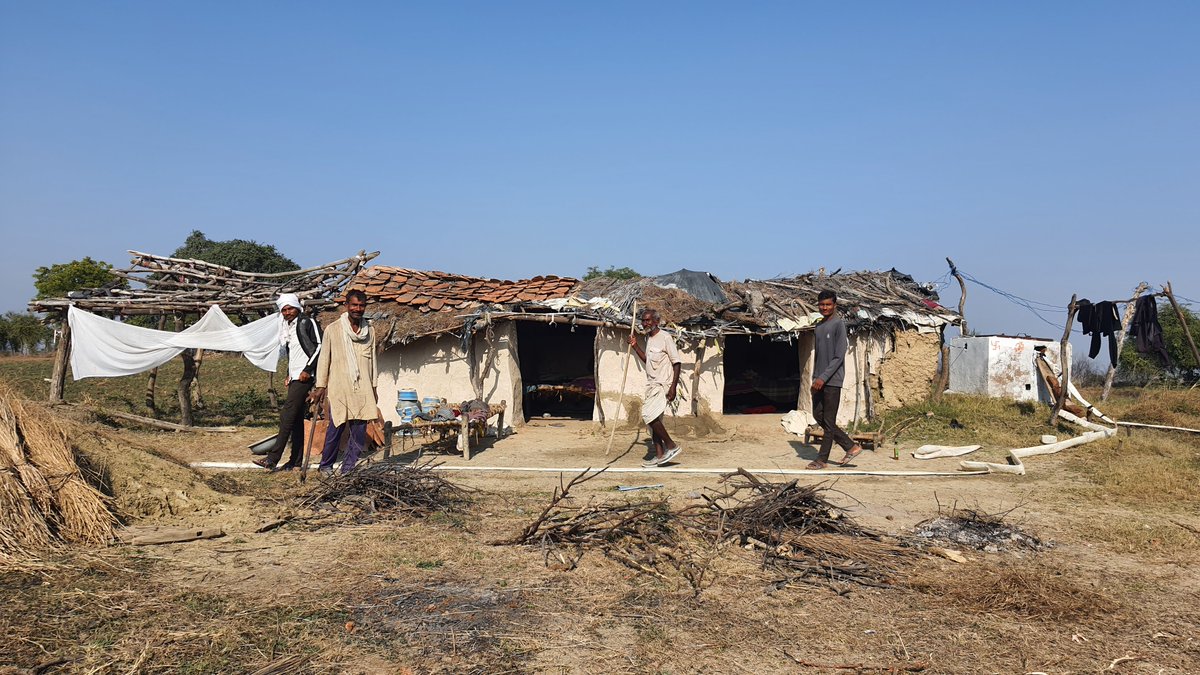
मध्य प्रदेश के बुंदेलखंड में किसान सूखे से ज्यादा नीलगाय, जंगली सूअर और आवारा मवेशियों के आतंक से त्रस्त हैं। छतरपुर के पठा, झिन्ना, परई और पहरा जैसे गांवों में किसान रातभर खेतों में झोपड़ियां बनाकर टॉर्च की रोशनी में पहरा दे रहे हैं, फिर भी तिल, चना, मटर, गेहूं जैसी फसलों का 50 से 75 प्रतिशत तक हिस्सा बर्बाद हो रहा है।
लगातार घाटे से किसान खेती छोड़कर मजदूरी और पलायन की ओर मजबूर हैं, खेत बटाई या बलकट पर लेने से भी कतराने लगे हैं और कई परिवारों में सिर्फ बुजुर्ग ही गांव में बचे हैं।
@bsrivas की पूरी रिपोर्ट पढ़ें - https://t.co/dqBK5O2VRb
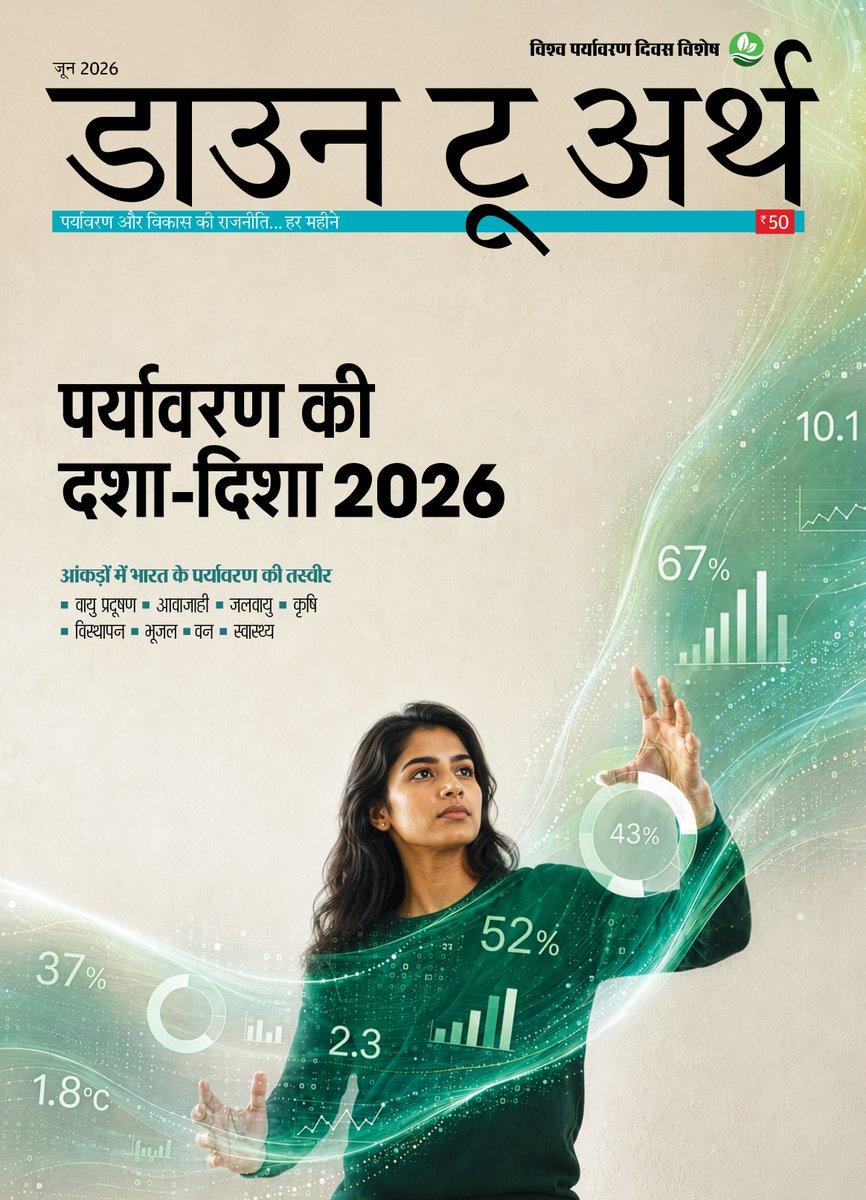
Our World Environment Day special edition for June 1–15, 2026 is out now!
Inside: New Environmentalism, tiger conservation, human-wildlife conflict, traditional seeds, Ganga pollution, agricultural research and more.
Read the highlights: https://t.co/o1UGF3H0em
Subscribe for full access and free digital archive access: https://t.co/01n4NIG32t
@sunitanar@SPYadavIFS@richiemaha@ljishnu@himanshujourno@bsrivas@rajusajwan@KAShaji123 @vibhavarshneyJens @JCSvenningNinad @ninad_mungi@RaviChellam3@ryanlobo@CSEINDIA
#NewEnvironmentalism #RethinkingConservation #ClimateJustice #EnvironmentalJustice #HumanWildlifeConflict #TigerConservation #Biodiversity #SustainableDevelopment #FoodSecurity #Agroecology #TraditionalSeeds #RiverPollution #GangaPollution #ConservationPolicy #DevelopmentForAll
Conflict in the Backyard | Uttar Pradesh
In Uttar Pradesh’s Bundelkhand, government schemes have brought some relief — but not enough.
Farmers say gaushalas have reduced damage from stray cattle in some villages, while subsidised solar fencing has helped protect parts of their fields.
But nilgai and wild boar continue to raid crops. Poorly managed cattle shelters, limited capacity and gaps in fencing mean wheat, chickpea, peas and other crops remain at risk.
Some farmers are leaving land uncultivated because they cannot guard every field. Others say farming is becoming harder to sustain despite state support.
Read the next story by @bsrivas in our Conflict in the Backyard series on how crop-raiding animals are reshaping rural livelihoods across states.
https://t.co/ZLQYkQgiGm
#ConflictInTheBackyard #UttarPradesh #Bundelkhand #StrayCattle #Nilgai #WildBoar #Gaushalas #SolarFencing #CropDamage #RuralLivelihoods
Conflict in the Backyard | Uttar Pradesh
In Uttar Pradesh’s Bundelkhand, government schemes have brought some relief — but not enough.
Farmers say gaushalas have reduced damage from stray cattle in some villages, while subsidised solar fencing has helped protect parts of their fields.
But nilgai and wild boar continue to raid crops. Poorly managed cattle shelters, limited capacity and gaps in fencing mean wheat, chickpea, peas and other crops remain at risk.
Some farmers are leaving land uncultivated because they cannot guard every field. Others say farming is becoming harder to sustain despite state support.
Read the next story by @bsrivas in our Conflict in the Backyard series on how crop-raiding animals are reshaping rural livelihoods across states.
https://t.co/ZLQYkQgiGm
#ConflictInTheBackyard #UttarPradesh #Bundelkhand #StrayCattle #Nilgai #WildBoar #Gaushalas #SolarFencing #CropDamage #RuralLivelihoods
Conflict in the Backyard | Madhya Pradesh
In Madhya Pradesh’s Bundelkhand, farmers say nilgai, wild boar and stray cattle now pose a bigger threat than drought.
These crop-raiding animals are wiping out sesame, peas and chickpea, leaving farmers with mounting losses and little certainty of harvest.
Many now spend nights in makeshift huts, guarding their fields with torches. Even then, a single raid can destroy months of work.
For some, farming is no longer viable. They are abandoning cultivation and migrating to cities in search of wage labour.
This is the first story in our Conflict in the Backyard series, which looks at how human-wildlife conflict is reshaping rural livelihoods across states.
https://t.co/HNLZSY00OG
#ConflictInTheBackyard #MadhyaPradesh #Bundelkhand #HumanWildlifeConflict #Farmers #Nilgai #WildBoar #StrayCattle #RuralLivelihoods #Migration
🖋️ @bsrivas
Conflict in the Backyard | Madhya Pradesh
In Madhya Pradesh’s Bundelkhand, farmers say nilgai, wild boar and stray cattle now pose a bigger threat than drought.
These crop-raiding animals are wiping out sesame, peas and chickpea, leaving farmers with mounting losses and little certainty of harvest.
Many now spend nights in makeshift huts, guarding their fields with torches. Even then, a single raid can destroy months of work.
For some, farming is no longer viable. They are abandoning cultivation and migrating to cities in search of wage labour.
This is the first story in our Conflict in the Backyard series, which looks at how human-wildlife conflict is reshaping rural livelihoods across states.
https://t.co/HNLZSY0yEe
#ConflictInTheBackyard #MadhyaPradesh #Bundelkhand #HumanWildlifeConflict #Farmers #Nilgai #WildBoar #StrayCattle #RuralLivelihoods #Migration
🖋️ @bsrivas
डाउन टू अर्थ, हिंदी पत्रिका का इस माह का अंक विश्व पर्यावरण दिवस विशेषांक है। हर साल की तरह इस बार भी आंकड़ों के माध्यम से पर्यावरण की दशा और दिशा को समझाने का प्रयास किया गया है। उम्मीद है, पाठकों को यह अंक पसंद आएगा।
उत्तर प्रदेश के महाराजगंज के बैदौली गांव में योगेंद्र कुमार कनौजिया जैसे सारस मित्रों, किसानों और वाइल्डलाइफ ट्रस्ट ऑफ इंडिया की साझेदारी से सारस संरक्षण की मिसाल बनी है।
2013 से शुरू हुए सारस हैबिटेट सिक्योरमेंट प्रोजेक्ट के तहत तालाब प्रबंधन समितियां, शिकार पर रोक, कीटनाशकों का नियंत्रण, घोंसलों व अंडों की निगरानी और किसानों को सम्मानित करने जैसी गतिविधियों ने सारस की संख्या में लगभग पांच गुना वृद्धि कर दी।
पूर्वी उत्तर प्रदेश के 10 जिलों में सारस की आबादी 2013 के 681 से बढ़कर 2025 में 2,878 हो गई, जबकि 1,800 से अधिक घोंसलों और 200 से ज्यादा अंडों को सुरक्षित किया गया।
हालांकि बिजली के तार, आर्द्रभूमियों का सिकुड़ना, रासायनिक खेती और वेटलैंड की हाइड्रोलॉजी में बदलाव जैसी चुनौतियां अभी भी बनी हुई हैं, जिनसे निपटने के लिए कानूनी सुरक्षा और समेकित प्रबंधन मॉडल की जरूरत बताई जा रही है। @bsrivas की पूरी रिपोर्ट पढें - https://t.co/iOaxJCPT2W
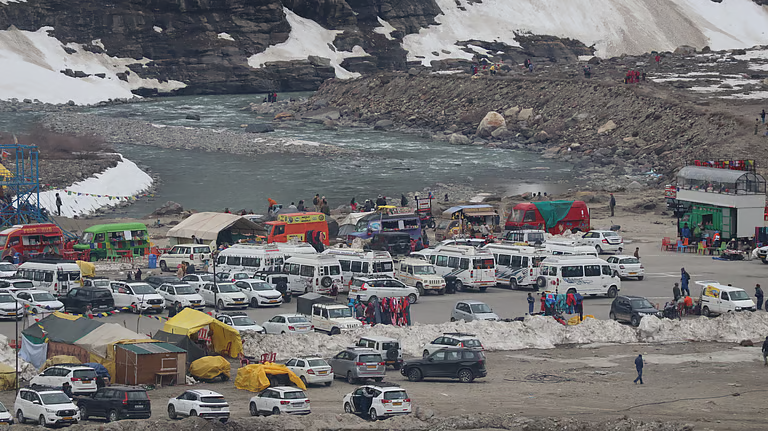
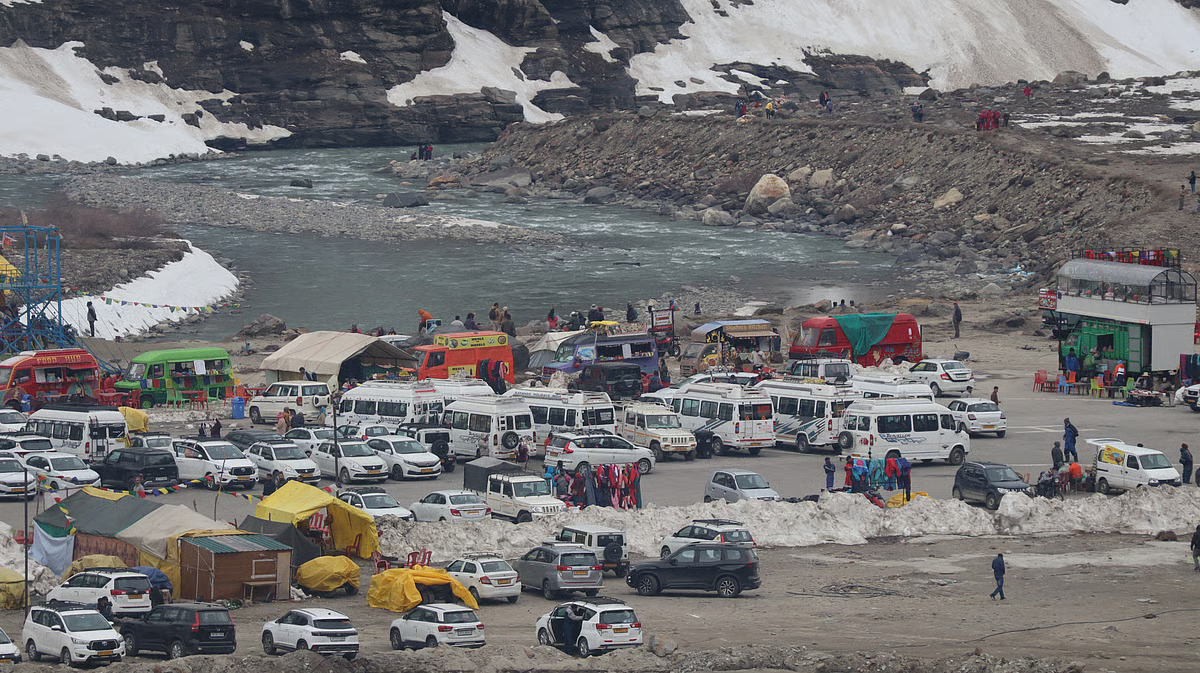
हिमाचल के लाहौल-स्पीति में सिस्सू गांव के ऊपर 4,068 मीटर की ऊंचाई पर स्थित घेपांग घट (घेपन) हिमनद झील तेजी से फैल रही है और राष्ट्रीय आपदा प्रबंधन प्राधिकरण ने इसे ‘अतिसंवेदनशील’ श्रेणी में रखा है।
वैज्ञानिक चेतावनी दे रहे हैं कि यदि ग्लेशियल लेक आउटबर्स्ट फ्लड हुआ तो 21 मिनट में 20 मीटर गहराई तक का सैलाब सिस्सू पहुंच सकता है, जिससे 34 बस्तियां, सैकड़ों हेक्टेयर खेती, पुल, सड़कें, मनाली-लेह हाईवे और अटल टनल तक खतरे में आ सकते हैं, जबकि जमीनी स्तर पर शुरुआती चेतावनी, निकासी मार्ग और अलर्ट सिस्टम जैसी तैयारियां बेहद कमजोर हैं।
पूरी रिपोर्ट पढ़ें - https://t.co/6gdBh0rP9Z
Ghepan Lake above Sissu in Himachal Pradesh is rapidly expanding, raising fears of a glacial lake outburst flood.
Raman Kant writes how climate change, tourism and inadequate early warning systems are putting Sissu, the Atal Tunnel, Manali-Leh Highway and downstream villages at serious risk.
https://t.co/ElpviJwVD7
"Wild animals are destroying crops and adding massively to the economic losses of farmers. In many parts of India farming is becoming unviable because of marauding animals. There is now a war involving not only big mammals such as tigers, elephants and leopards, but also wild boars, nilgai and other ungulates and, most damaging of all, monkeys. This is a fact, but one that we are not willing to discuss, let alone resolve" : Sunita Narain, DG, CSE
Over the past six months, Down To Earth’s reporters have travelled across more than a dozen states to document this growing conflict.
Read our latest cover story, “Conflict in the Backyard”, to understand what must be done to establish some form of coexistence between humans and wild and stray animals: https://t.co/INPR4UT9uH
Subscribe to @down2earthindia magazine today: https://t.co/8UhdQcOH6w
What is the rule of women in power like?
The experience of panchayats shows that women’s governance brings accountability, economic progress, transparency and sensitivity, writes @bsrivas
https://t.co/d2gfIsMS9K
Most Rabi crops being sold at prices lower than minimum support price
Among coarse cereals encouraged by the government, the prices of ragi, maize and bajra have fallen the most
🖊️ @bsrivas
https://t.co/X97xrigyCa
This Earth Day, 80 members of the Gond tribe travelled from Bastar, Chhattisgarh to Delhi's Karkardooma.
For the Gond community, Earth Day is not a modern concept. They have revered the earth for generations, long before the UN declared Earth Day in 1970.
Watch the video to know how the Gond tribe mark #EarthDay and why Karkardooma holds a special significance in the Gondi language: https://t.co/EQUeAMMKjm
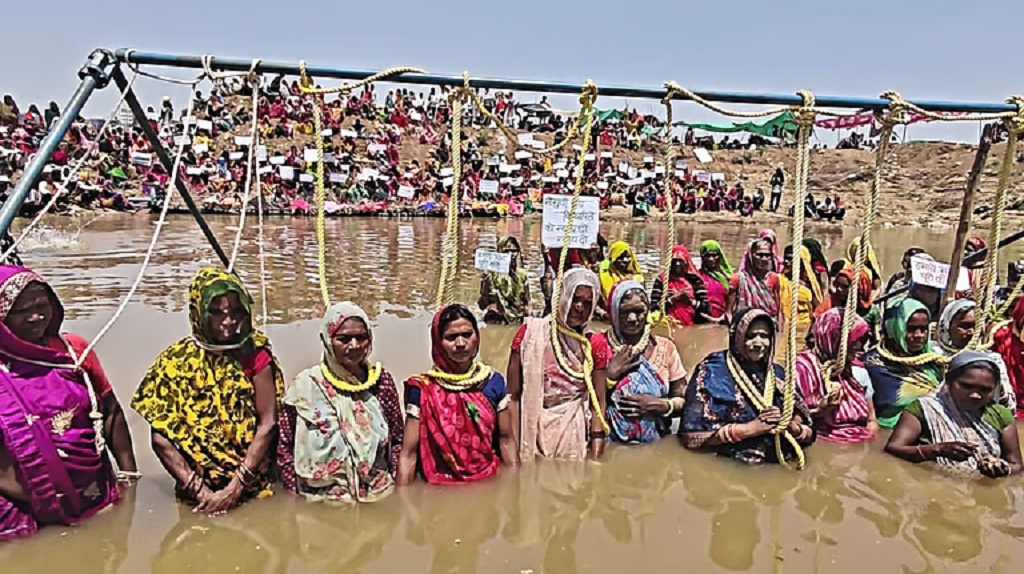
The agitation by farmers and tribals affected by the Ken-Betwa river linking project has been postponed following assurances from the administration on April 16, 2026. The protesters have given the administration a 10-day extension as demanded
🖊️ @bsrivas
https://t.co/1JX4oTTQ6L