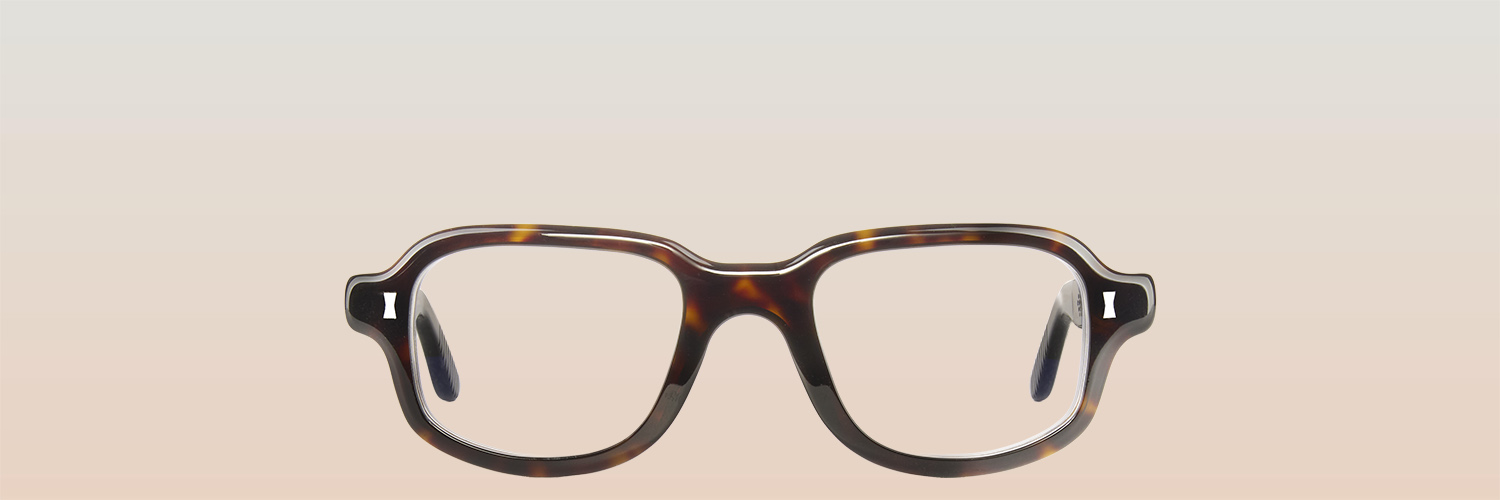
After two years of building quietly, I’m excited to share what I’ve been working on: a new kind of hearing eyewear, made for conversation.
At @altina, we’re designing eyeglasses with AI-powered hearing enhancement to help people stay engaged, even in noisy environments.
We’re collaborating with the British eyewear brand Cubitts, one of London’s most respected eyewear makers.
Another great video from Joanna Stern. She ends it with “I don't want to live in a world where every stranger is a potential surveillance camera … something tells me we’ll still be having this conversation 13 years from now.”
Big Tech wants cameras in glasses because they give them data and more features. I believe most consumers will choose differently because glasses are a fashion product first. And fashion is about social signaling. The broader public won’t want to be seen wearing “pervert glasses” in the 2020s, just like no one wanted to be called a “glasshole” in 2013.
The idea that AI will make hardware development like software development is incredibly naive.
AI can speed up some parts of engineering, but it can’t eliminate supplier relationships, lead times, or the lessons that come from physical prototypes.
I’m old enough to remember when people said this about 3D printing.
Every year when the consumer electronics ads ramp up, I think about how much of the year comes down to the next five weeks for some hardware brands.
I’m always curious which products depend on a big holiday bump and which sell pretty steadily year-round.
Very excited to have received my @sandbar stream ring! It’s already making me rethink how I interact with my devices and technology more broadly.
Congrats @minafahmi & team on shipping 👏
Maybe this is the perfect opportunity to see if AI can take on the role of CEO. Nvidia could train Jensen AI on decades of Jensen’s emails, documents, and decisions
Landmark moment in eyewear history today: Swedish eyewear brand CHIMI auctioned off the world's smallest glasses.
Bidding started at €20,000. They sold for €890,000.
The people have spoken. Less is more.
If you are trying to sell a pair of glasses, they need to be thin and lightweight. End of story. If your product isn't thin and lightweight, then you aren't selling glasses. Tech companies are having a lot of trouble understanding this very simple point.
The tech industry needs to respect the heritage of eyewear, rather than just building computers in the shape of glasses. Ray-Ban Meta gets part of the way there, and I think its sales reflect how much that matters. Their approach doesn’t go far enough to become truly native to the optical ecosystem though. There’s much more potential here than what the category has unlocked so far.
@neilcybart I think it’s some kind of cognitive bias among visionaries where you start seeing the product through your mind’s eye rather than your actual eyes. Ironic that the category that seems to suffer from this the most is literally eyewear 😂