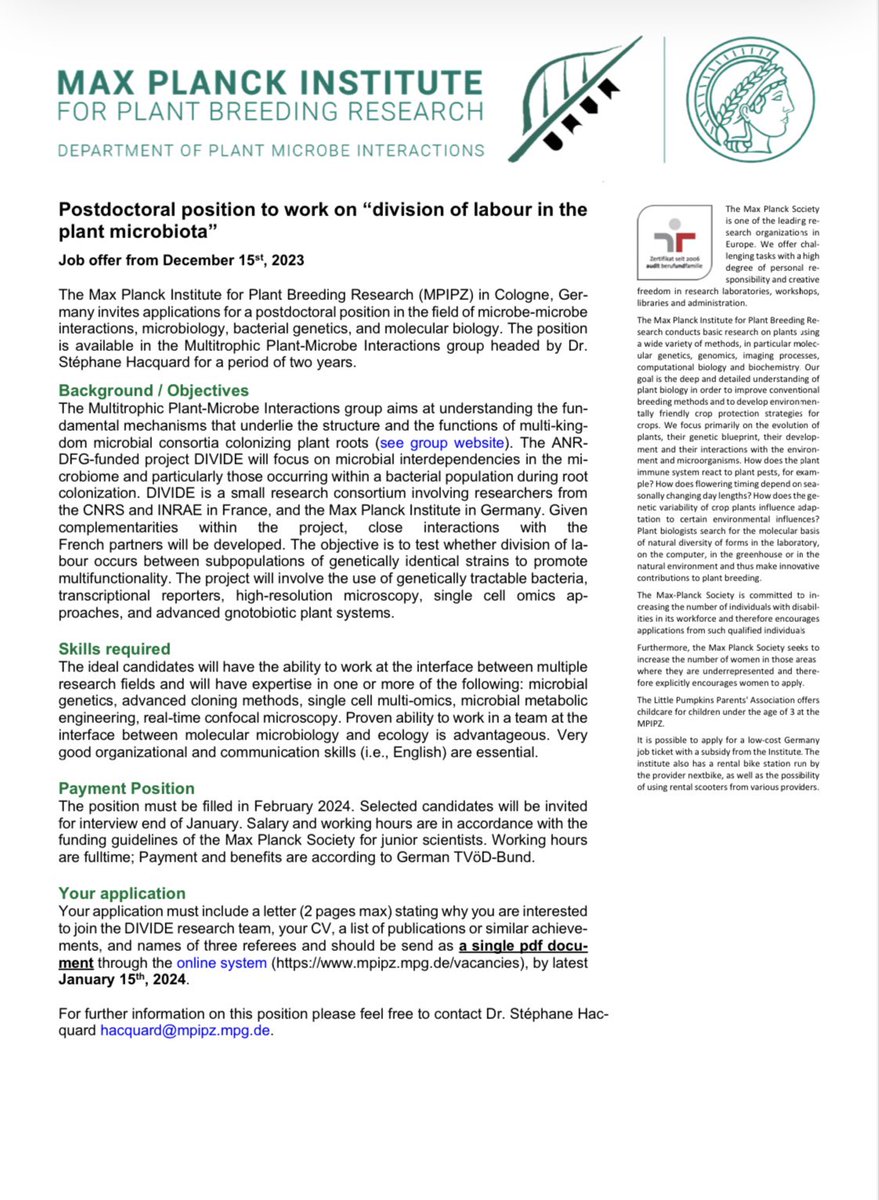
Hello world! A 2-year postdoctoral position is available in my group @mpipz_cologne. If you like microbe-microbe interactions, microbial genetics, and single-cell omics, this position is for you!
Apply here -> https://t.co/IxuZQYdIio
Deadline -> Jan 15th
Please share 🙏
Our new manuscript is out @NatureComms 🎉. Genome-resolved metatranscriptomics reveals conserved root colonization determinants in a synthetic microbiota. https://t.co/wrl8XrVnbj. Big Congrats N. Vannier, @f_mesny, @GetzkeFelix, @Chesneau_G, @JanaOrdon and others @mpipz_cologne!
Ever wondered how root apoplastic barriers affect symbiosis and nodule function? Wonder no more! Just read our latest preprint.. some few surprise twists in there also.. ;-)
https://t.co/YsvBhWH9md
PhD and postdoctoral positions will be open soon. If you are interested in plant-microbiota research and share the same vision that microbiota holds tremendous translational potential. Please do not hesitate to get in touch.
P.S. With a bit of green, my office is ready to GO!3/3
We have a Postdoc or PhD position available in the field of Plant-Microbe-Interactions from early/ mid next year on @UniCologne . If you are interested 𝐚𝐧𝐝 𝐡𝐚𝐯𝐞 𝐞𝐱𝐩𝐞𝐫𝐢𝐞𝐧𝐜𝐞 𝐢𝐧 𝐦𝐨𝐥𝐞𝐜𝐮𝐥𝐚𝐫 𝐠𝐞𝐧𝐞𝐭𝐢𝐜𝐬, pls get in contact.
Pls share. Ta!
If you are interested in bacterial and fungal endophytism, I wrote a short overview of recent findings on microbial and host factors involved, which is now available here https://t.co/N0JZoAkzXr
Thanks @PierreMarcDelau for the invitation!
News time: next week I will start as assistant professor for Plant Microbiome Interactions at the University of Amsterdam! 🎉
I am super excited and looking forward to new responsibilities, collaborations, and great science!
A PhD position is open in my group @mpipz_cologne to work on the interplay between the plant cell wall, innate immunity and the root microbiota! Cool collaboration with @Robertas_U@CRAGENOMICA. We want you!!! Please apply via the link below👇. Please RT 🙏.
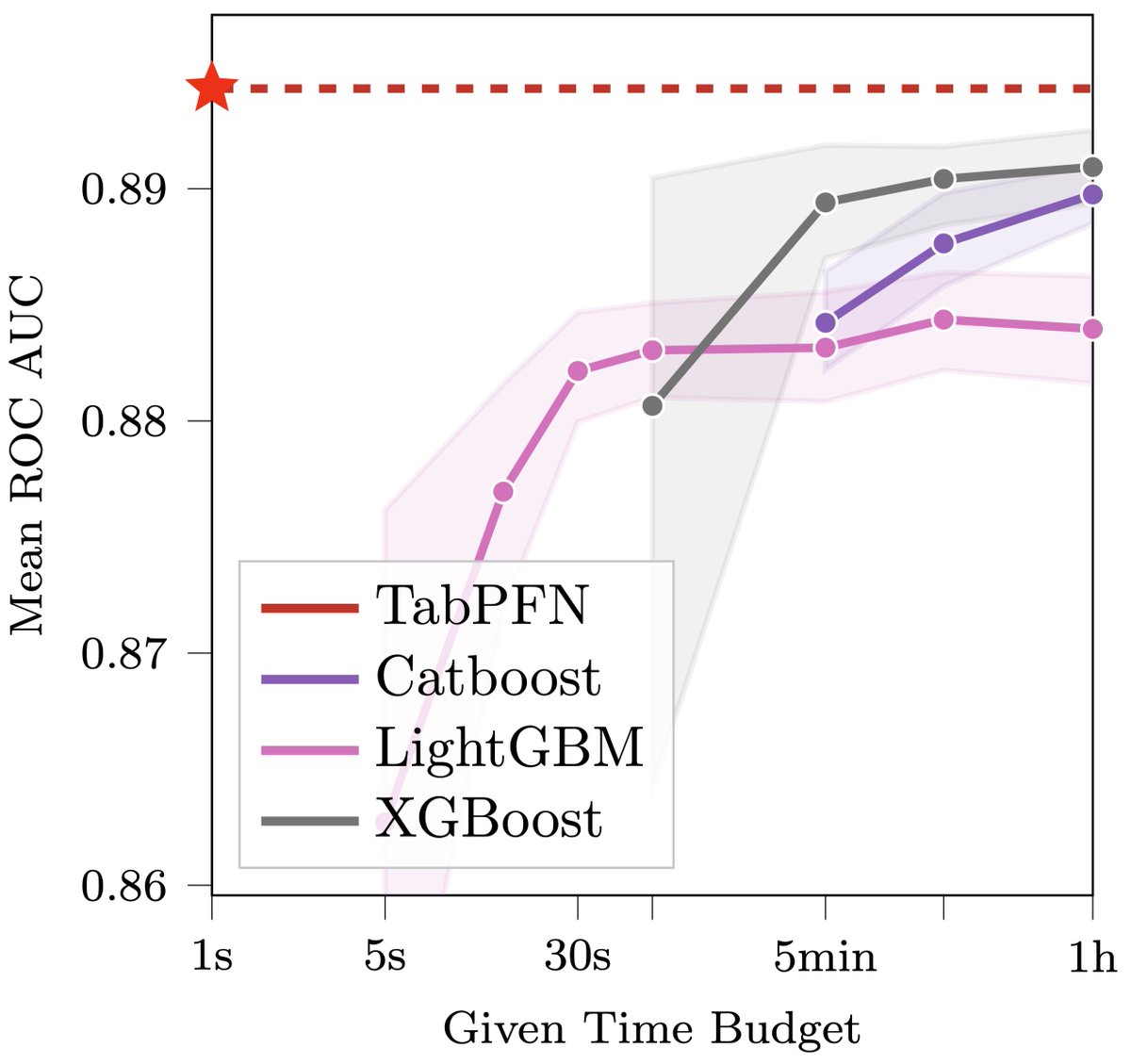
This may revolutionize data science: we introduce TabPFN, a new tabular data classification method that takes 1 second & yields SOTA performance (better than hyperparameter-optimized gradient boosting in 1h). Current limits: up to 1k data points, 100 features, 10 classes. 🧵1/6
The microbiota associated with a unicellular alga in soil shares taxonomic and functional features with the root microbiota of plants
@ppflrs@PalomaDuranB@mpipz_cologne
https://t.co/rnuces6DVw