Most manufacturing companies don’t need more AI.
They need:
• Clean data ownership
• Clear process governance
• Defined ROI
• PLM integration
AI amplifies maturity.
It doesn’t create it.
Built a design-to-simulation explainer with AI coding agents in ~2 hrs: 3D bracket assembly, exploded view, linked BOM, stress viz + a customer one-pager. v2 next: real in-browser FEA, built with Devin.
Live demo: https://t.co/yZ5NERs0Ex
@poke@cognition
@dabit3 Building app turning video tutorial into slides. Already done with prototype with 90% accuracy but could be better. Would love to try to improve it with Devin.
@dabit3@DevinAI Boring one but important. Building local initiatives like RFx response, chatbot helpdesk for internal, auto-translation documents into Japanese with RAG based own past documents.
In 3 years, digital thread leaders won’t win on tools. They’ll win on decision intelligence.
Connected context + AI-assisted impact decisions + governance maturity = competitive edge.
Winners operationalize knowledge, not just store data.
Enterprise AI success is rarely about model size.
It’s about process fit, data reliability, ownership, and explainability.
AI should reduce decision latency—not accountability.
Capability is technical.
Value is organizational.
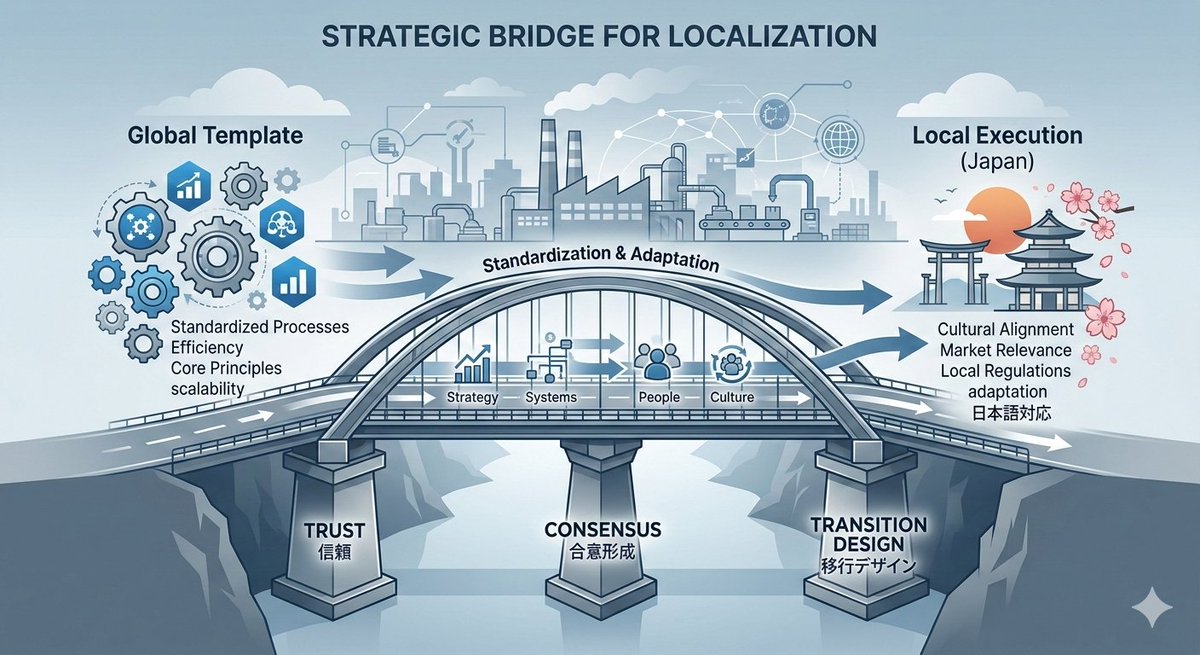
PLM adoption in Japan is not just a tech issue.
It’s a trust-and-transition issue.
Consensus flow, local process logic, and phased rollout matter more than people think.
Localization isn’t optional.
It’s implementation reality.
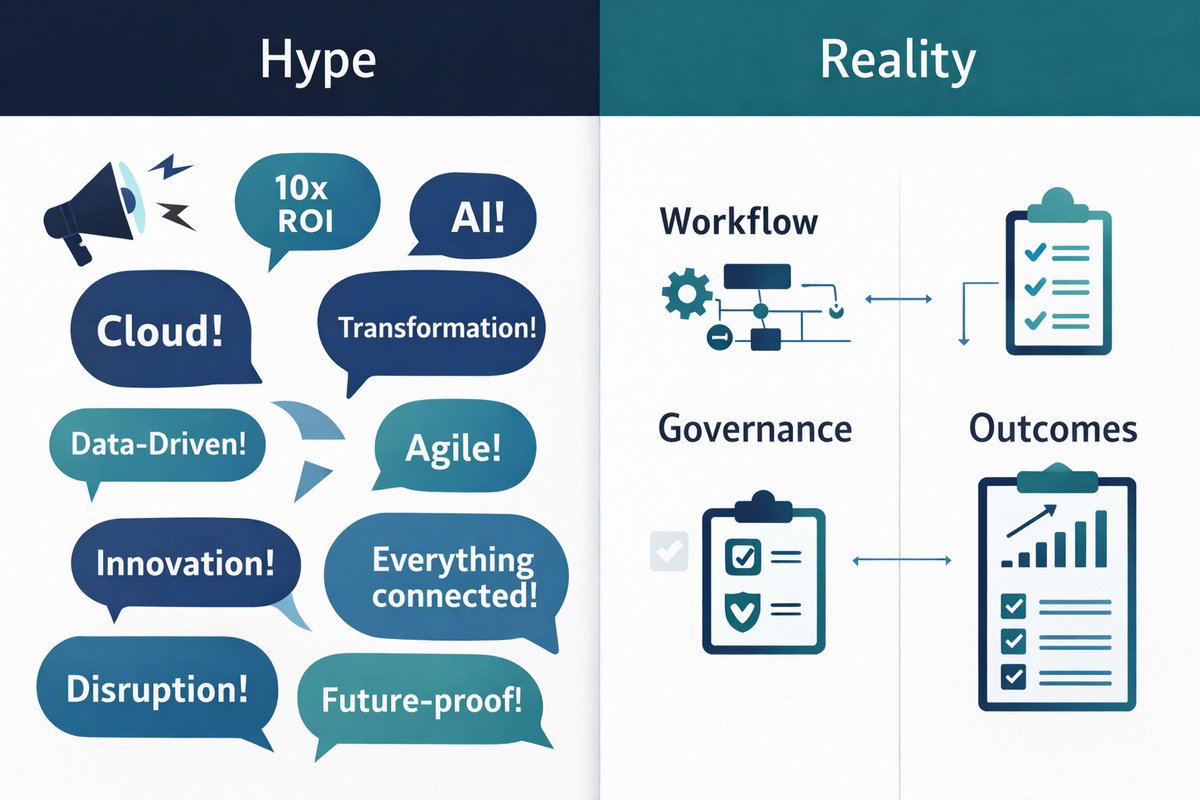
AI in manufacturing is both overhyped and underestimated.
Near-term value = retrieval + synthesis + decision support.
Biggest risk = scaling bad data faster.
AI ROI starts with governance, not prompts.
#AIinManufacturing#EnterpriseAI#PLM
PLM programs rarely fail because of tools. They fail because ownership is unclear.
No decision rights → no governance.
No governance → 150% BOM becomes noise.
Technology scales clarity. It doesn’t create it.
AI won’t transform manufacturing. Process clarity will.
Most enterprise AI projects in manufacturing fail for a simple reason:
they try to add intelligence before fixing process ambiguity.
If ownership, handoffs, and data definitions are unclear,
AI just scales confusion faster.
In practice, the highest-ROI sequence is:
1. Clarify process and decision points
2. Define structured data boundaries (PLM/MES/ERP)
3. Add AI where friction is measurable
AI is a force multiplier — not a process substitute.
Question: Where is your biggest bottleneck today: model capability, or process/data ownership?
What Western AI builders misunderstand about Japanese manufacturing:
After working with manufacturing teams in Japan, I’ve noticed structural differences that deeply affect how AI gets adopted.
It’s not about technology.
It’s about systems and decision-making.
Here’s what most people miss: 🧵
Conclusion:
AI adoption in manufacturing isn’t just a technical problem.
It’s an organizational and cultural one.
The companies that understand this will implement AI successfully.
The ones that ignore it will struggle — regardless of model capability.