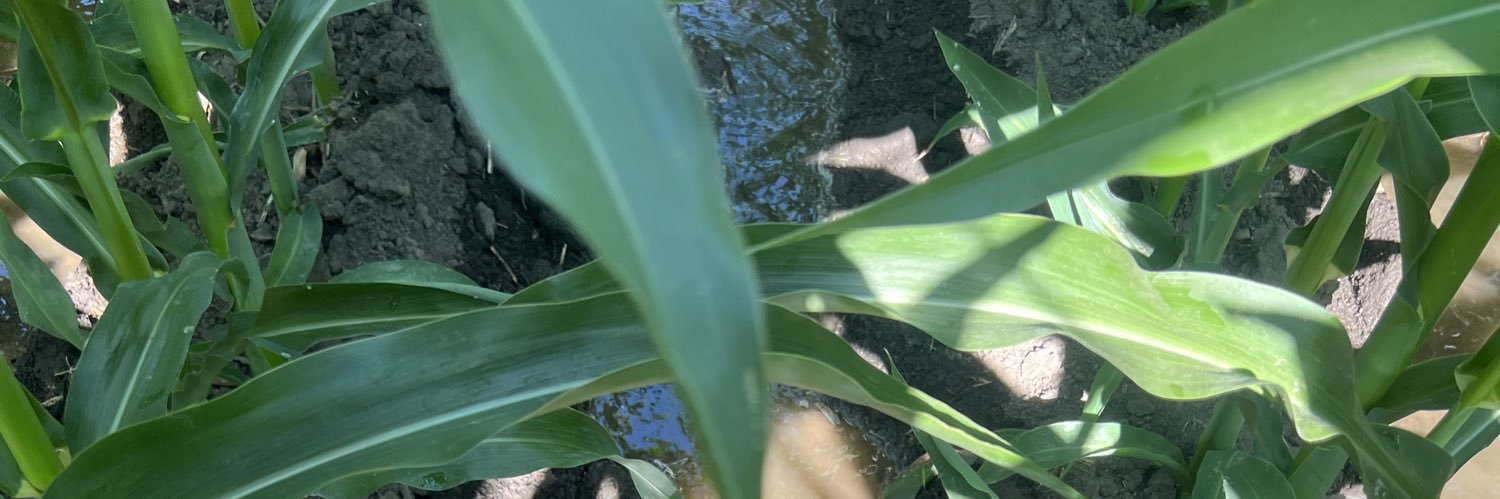
We've seen some precipitation across parts of the state this week how are soil moisture levels looking heading into June? Nebraska Extension's Eric Hunt has the forecast.
https://t.co/HijhmEgMXs
How can producers maximize yields while reducing nutrient losses? Learn research-based strategies at the Nebraska 4Rs Nutrient Stewardship Field Day July 17 at @NebENREEC. ›› https://t.co/UGLc32OMqB #UNL#UNLAgroHort#NebExt
Nebraska just came off its second warmest winter on record that opened the door for early fieldwork in Southeast Nebraska. One farmer decided to try an early start with his soybeans. May frost rolled through, it forced some tough decisions.
@NEConrBoard
https://t.co/3nSbFdos2H
Needing the latest events and opportunities in the agriculture industry?
Nebraska Women in Agriculture has you covered! Find the June Events Newsletter here ›› https://t.co/uhIRxj3ZYt 🗞️
The Nebraska Land Link Program connects beginning farmers and ranchers with retiring landowners in Nebraska. Listen to their latest podcast to learn more about how good communication and negotiation can create a successful transition.
https://t.co/kFkQ0svY1s
Weather-related livestock sales may qualify for tax deferral, but the rules differ depending on the type of livestock sold and whether animals will be replaced. Learn more with the Managing the Tax Impact of Weather-Related Livestock Sales article below.
https://t.co/lvqzuquH6A
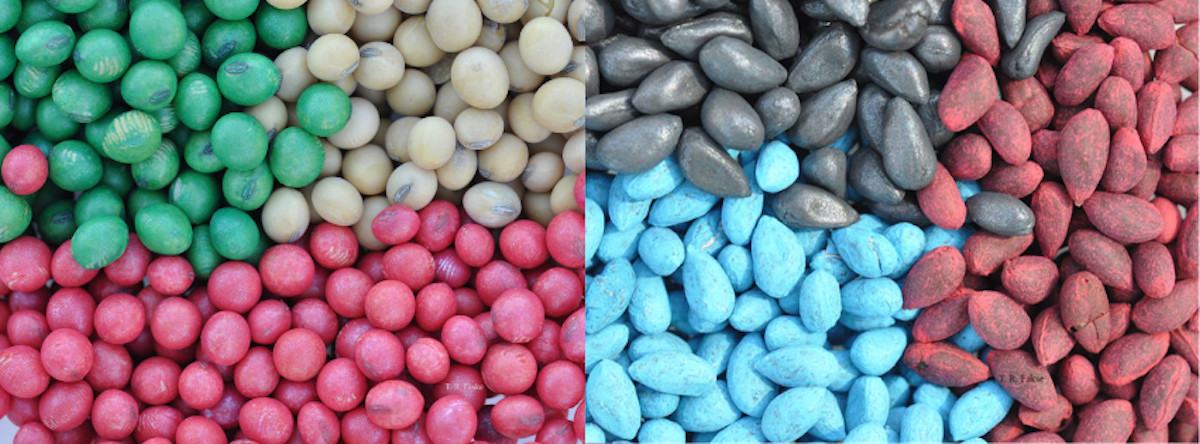
In general, chemical nematicides move more readily in coarse-textured soils than fine-textured soils, assuming adequate water infiltration.
As a result, chemical nematicides often have a larger zone of root protection in coarse-textured soils than in fine-textured soils such as silts and clays.
Moreover, the zone of protection is more vertical like a “chimney” to protect the developing taproot rather than horizontal to protect lateral roots.
Therefore, seed-applied nematicides typically work better in strongly tap-rooted crops such as cotton and soybean compared to fibrous root systems like corn.
Read more in "How Seed-Applied Nematicides Work" at https://t.co/Wix4v46A5E.
From @travisfaske@MartinChilvers1@badgercropdoc@CFAES_OSU & @CUESNews. Funded by @CottonInc.
@UFcropnematodes@UFEntNem@UCDavisEntomolo@NematodeGuy #cotton #soybean #nematodes
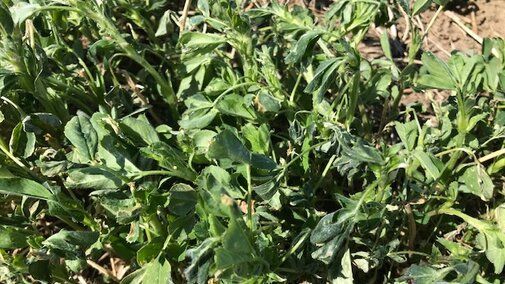
David Wangila (Extension Educator - Thayer, Nuckolls, and Clay Counties) and I went out searching for alfalfa weevils with #ScoutNebraska this morning. Do you think we found any?
Are alfalfa weevils active? - Thayer County, NE 5/4/26 https://t.co/Oayua4IAPc via @YouTube
The future of IDC management may be underground. 🌱 Soy checkoff‑funded research is uncovering how soybean‑friendly microbes can reduce iron deficiency chlorosis and work alongside existing inoculants—bringing innovative, integrated solutions closer to the field. Learn More: https://t.co/HPjrWoXadN
Do you know of any youth that are eager to help out on the farm or ranch?
Now is the time to help them prepare to lend a hand with the annual Tractor and Equipment Safety Courses! Learn more about course qualifications and find an upcoming course ›› https://t.co/86NoJlAgzB 🚜
Did you miss the webinar on dicamba rules from @NDSUExtension? 🌱
Dr. Joe Ikley (@NDSUWeeds) & Dr. Madeleine Smith walk through dicamba regulations and what to expect for pesticide labeling heading into the 2026 season.
Watch now on YouTube: https://t.co/0YhCiQguvZ
To learn mor
SCN can reproduce on over 100 common weeds, letting nematode populations increase before soybeans are planted. Plant pathologist @jpsbond shares how to prevent weeds from undermining your active SCN management strategies. :https://t.co/dmBLG28vkA