"The future of finance will not simply be digital. It will be autonomous, interconnected, secure, and verifiable. We are building Keeta to be the infrastructure that makes it possible."
- Ty, CEO Keeta Network
$KTA
@SiemReap_Dude I believe that volume and altcoin season would grow token price but I don't think KTA depends on that. The purpose of this company is addressed specifically to institutions. When institutions adop, we can be in the middle of a bearmarket and the price will still go up. $KTA
Any replies to this post claiming to represent Keeta are scams.
@KeetaNetwork is our only official account. Our team will never post or message you about token rewards or similar topics. If you're unsure about an account, please create a ticket in our Discord before taking any action. We want to keep our community safe.
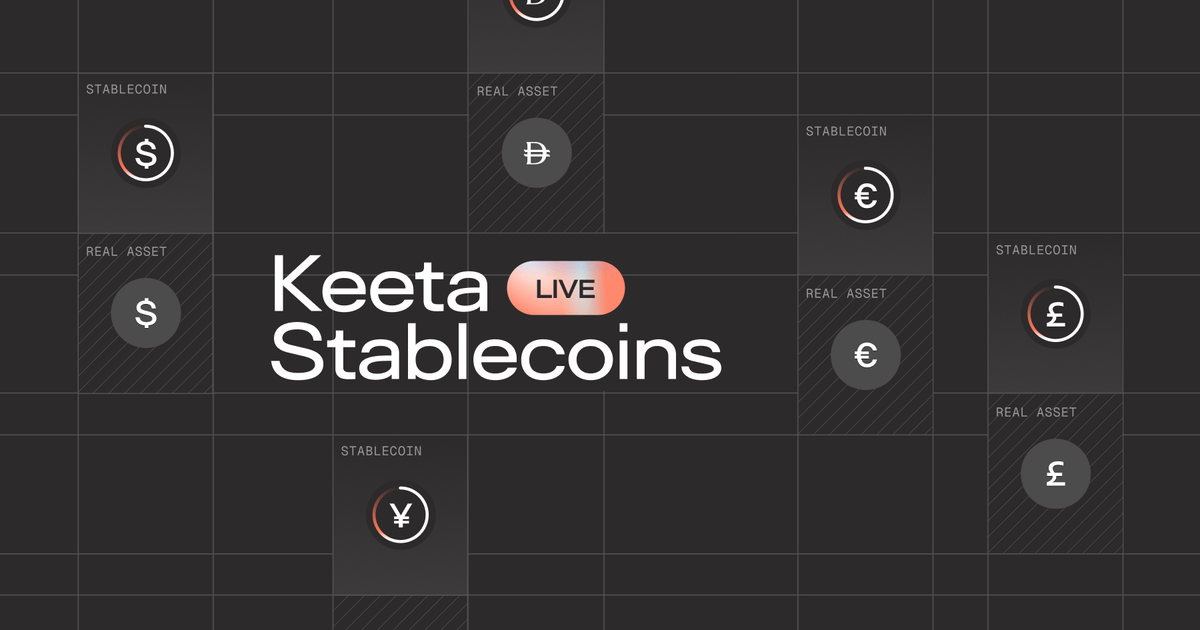
(1/5) Keeta Stablecoins are live on mainnet.
KBUSD, KBEUR, KBJPY, KBCNY, KBGBP, KBCAD, KBMXN, KBAED, and KBHKD.
Bivo, a licensed money transmitter, issues each one and backs it 1:1 with funds held in regulated financial accounts.
“Abstract was just a failed startup.”
Really? Let’s talk about how the community was treated before the shutdown.
1. Luca Netz spent months selling Abstract as the future of consumer crypto. He predicted it would become the biggest L2 in 2026.
Instead, it announced its shutdown in October.
2. Users were encouraged to grind XP, collect badges, maintain streaks, trade, mint NFTs and spend money across the ecosystem.
All while a potential airdrop remained one of the biggest reasons people participated.
3. Community members say Discord admins kept pushing the next chapter of Abstract.
Phase 2. Phase 3. Project Quantum. Leadership discussions. Something massive supposedly coming.
Then came the shutdown announcement.
What exactly were these admins told by management, and when?
4. And Project Quantum deserves its own explanation.
Luca reportedly described it as something developed in secrecy for months, an enormous all-in bet that would change Abstract’s future.
People weren’t imagining that narrative. It was actively discussed across the community.
So what actually happened to it?
5. Here’s where things get even more ridiculous.
Abstract had a REAL RWA development agreement with OpenWorld.
On October 1, OpenWorld officially began trading on NASDAQ under OPNW.
Just FIVE DAYS later, Abstract announced its shutdown.
6. Around that same period, Abstract’s updated X bio was being discussed by community members as a possible signal of an RWA pivot.
People were speculating about institutional adoption and the OpenWorld connection.
Was the team aware of the shutdown decision when these expectations were circulating?
7. September 29: Abstract was STILL posting XP updates.
October 6: The chain is shutting down.
SEVEN DAYS.
8. In August, Builder XP incentives were still being introduced.
How do you promote the next phase of an ecosystem so close to announcing its end?
9. Let’s talk about Phin.
A streamer publicly challenged Abstract’s whitelist decisions.
Blast’Em accused staff of favoritism and reputational interference.
Then the Penguin Gotchi controversy raised even more questions about how projects received official support.
10. Cardex suffered an exploit affecting approximately 9,000 wallets and $400K.
11. Community members have also alleged that staff abused referral privileges and that questionable projects received promotion and XP allocations.
These claims deserve investigation, not automatic dismissal.
12. Abstract boasted:
325 MILLION transactions.
4 MILLION wallets.
$6 BILLION in DEX volume.
Yet it couldn’t generate enough sustainable business to keep operating.
How much of that activity represented genuine adoption, and how much was driven by incentives and farming?
13. Users report spending thousands chasing XP.
Some streamed for more than 1,500 hours.
Others built businesses and applications around the ecosystem.
No Abstract token. No XP redemption.
14. Key personnel departed. Shutdown speculation spread. The community kept looking for reasons to believe.
Then Luca admitted tens of millions had been spent without finding product-market fit.
15. And the final chapter?
A December 15 deadline to remove assets before the chain becomes inaccessible.
Along with controversial Migration Hub terms limiting liability and legal remedies.