@SahilBloom Founder version of this: find a co-founder you can sit in silence with during a bad month.
The fun meetings are easy. The quiet, nothing's working evenings tell you everything.
@AlexHormozi The format part is where most creators get caught. Same good idea, posted as text while the platform is pushing video, and it looks like the algo killed you.
Most founders I talk to say they'll start posting "once things settle down".
Things never settle down.
What I'd tell a founder starting from zero followers:
1. Write down a question a customer asked you this week. Then your honest answer. That's a post.
2. Pick 3 topics and stay there for 90 days. Yes, it feels repetitive. Do it anyway.
3. Reply to bigger accounts before you post a lot. A good reply gets more eyes than a new account's post.
4. Post your best idea twice in a month. Most people missed it the first time 😅
5. Constantly audit and do the next video better.
Founders who post regularly, what would you add?
@aakashgupta The boring fix is to post the work in public for a few months and then pitch. People reply faster when they've already seen what you can do.
@jspujji Agree. An AI service business can get to revenue with a laptop and a few good clients. Capital mostly speeds up the mistakes before you know what works.
@Codie_Sanchez Pressure makes people take rash decisions where they tend to lowball themselves. Don’t. Pressure is always going to be there one way or another. When it comes to decision making, always start your thinking with a “remember who you are” attitude.
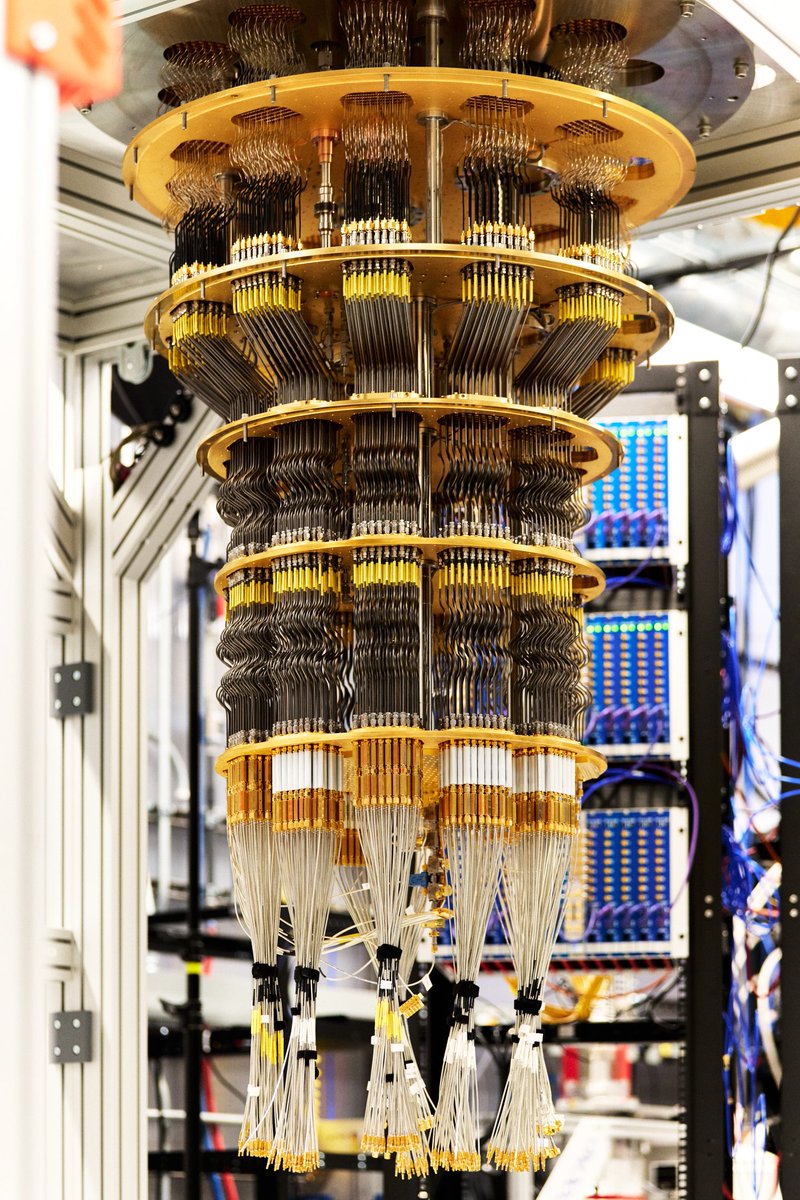
New breakthrough quantum algorithm published in @Nature today: Our Willow chip has achieved the first-ever verifiable quantum advantage.
Willow ran the algorithm - which we’ve named Quantum Echoes - 13,000x faster than the best classical algorithm on one of the world's fastest supercomputers. This new algorithm can explain interactions between atoms in a molecule using nuclear magnetic resonance, paving a path towards potential future uses in drug discovery and materials science.
And the result is verifiable, meaning its outcome can be repeated by other quantum computers or confirmed by experiments.
This breakthrough is a significant step toward the first real-world application of quantum computing, and we're excited to see where it leads.