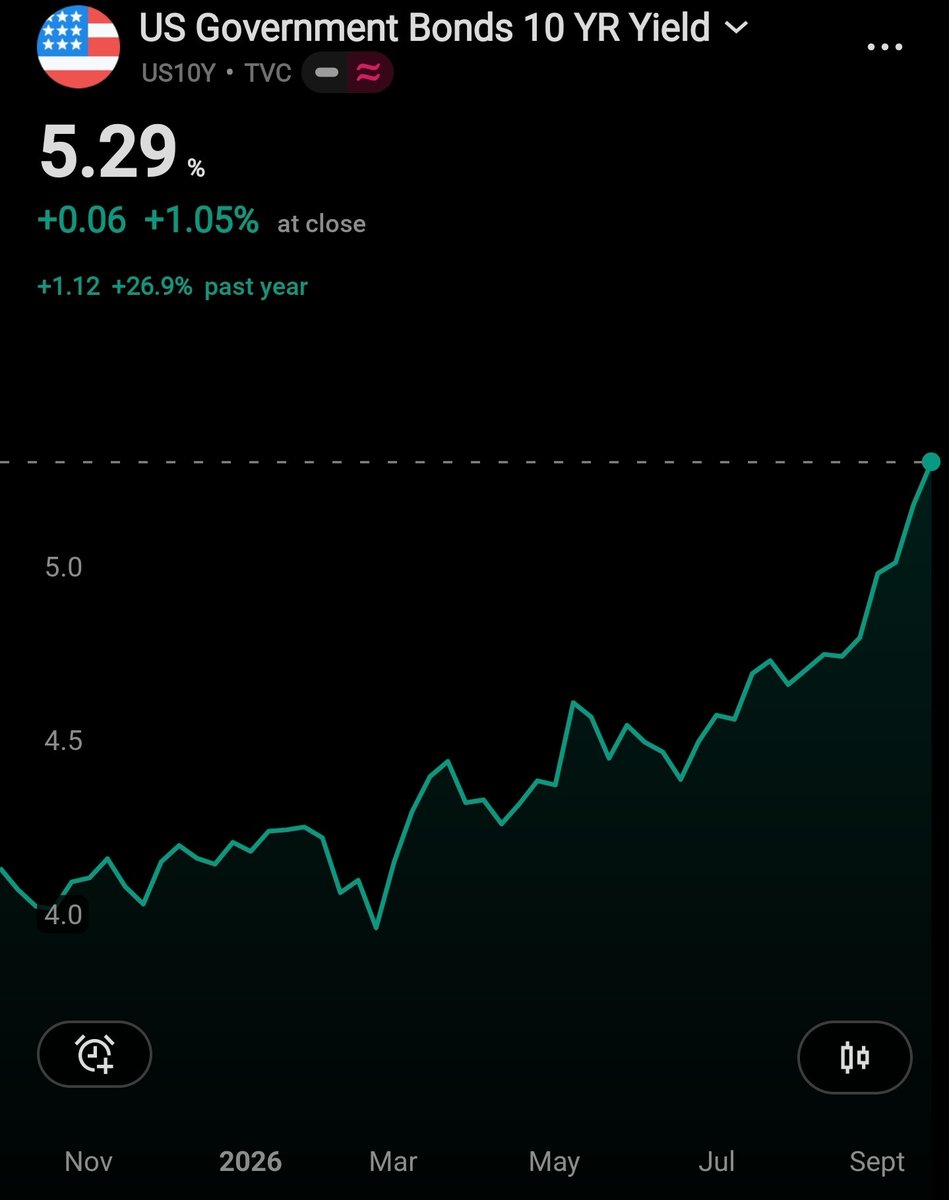
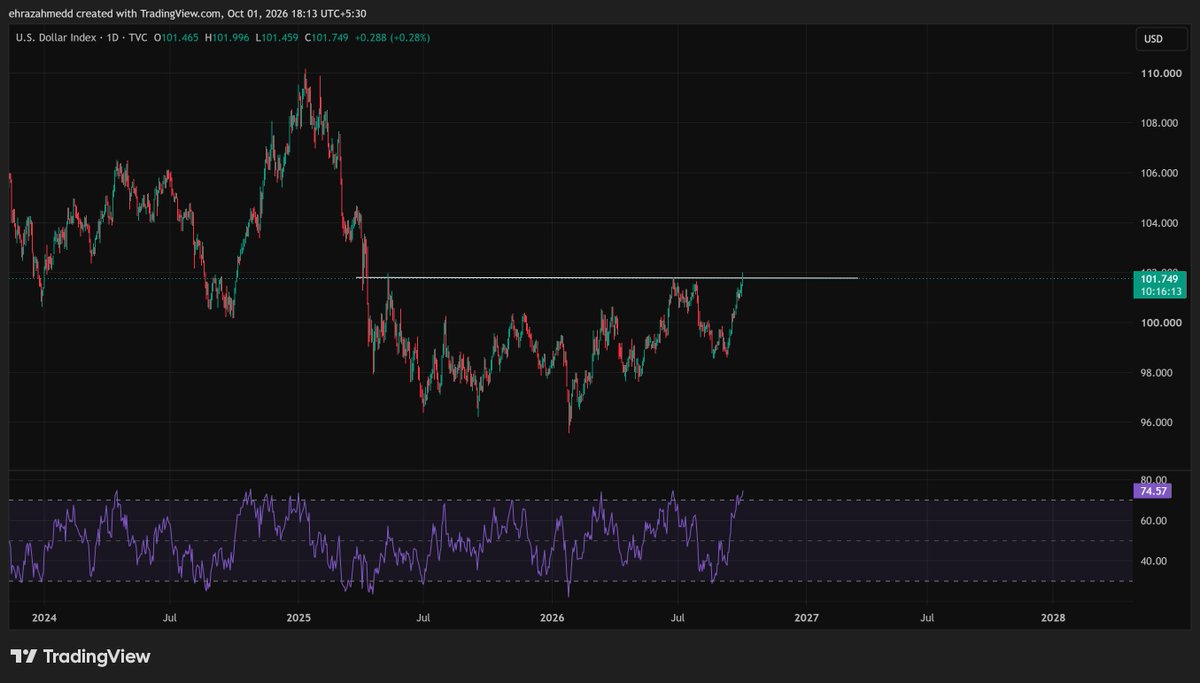
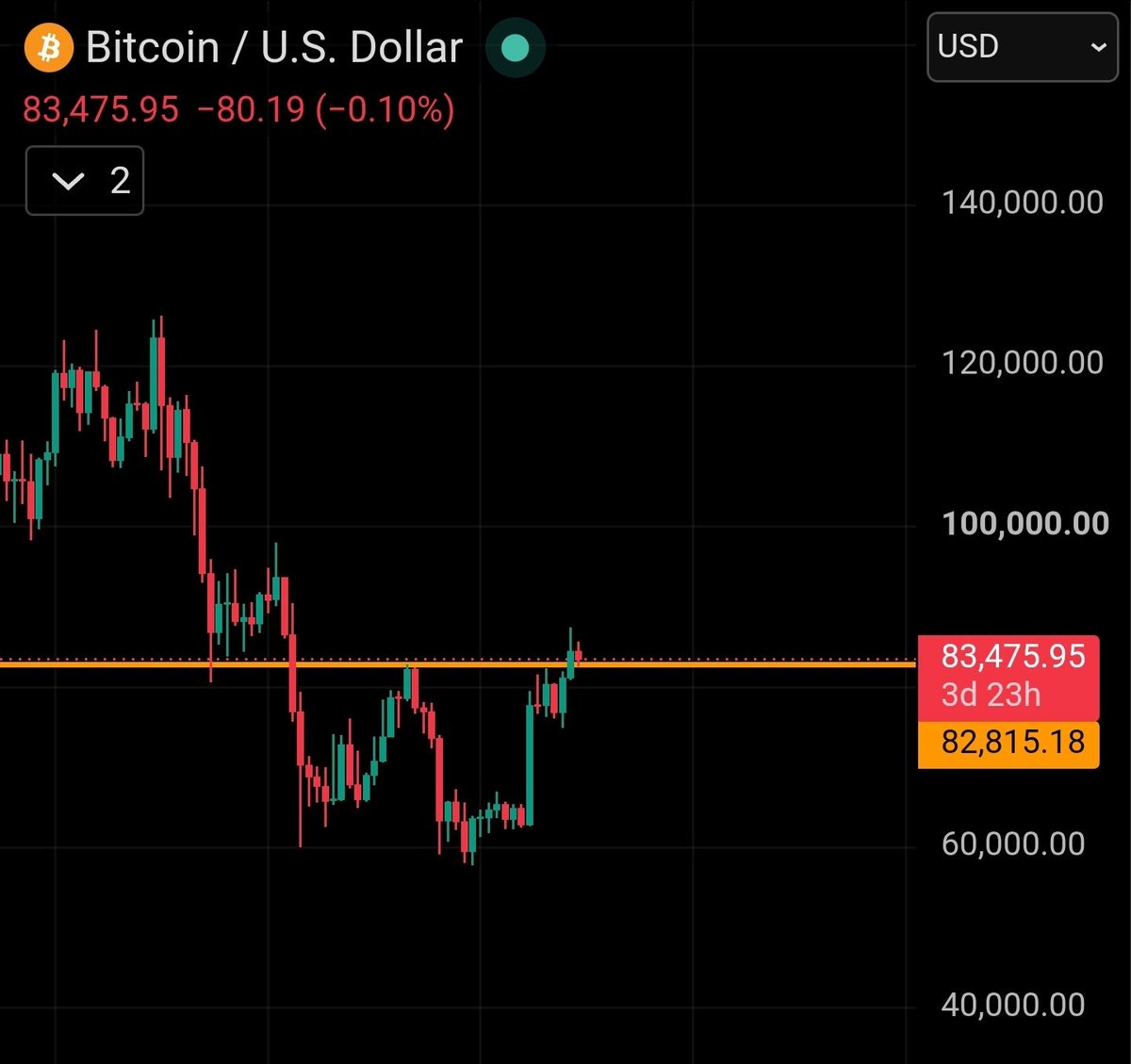
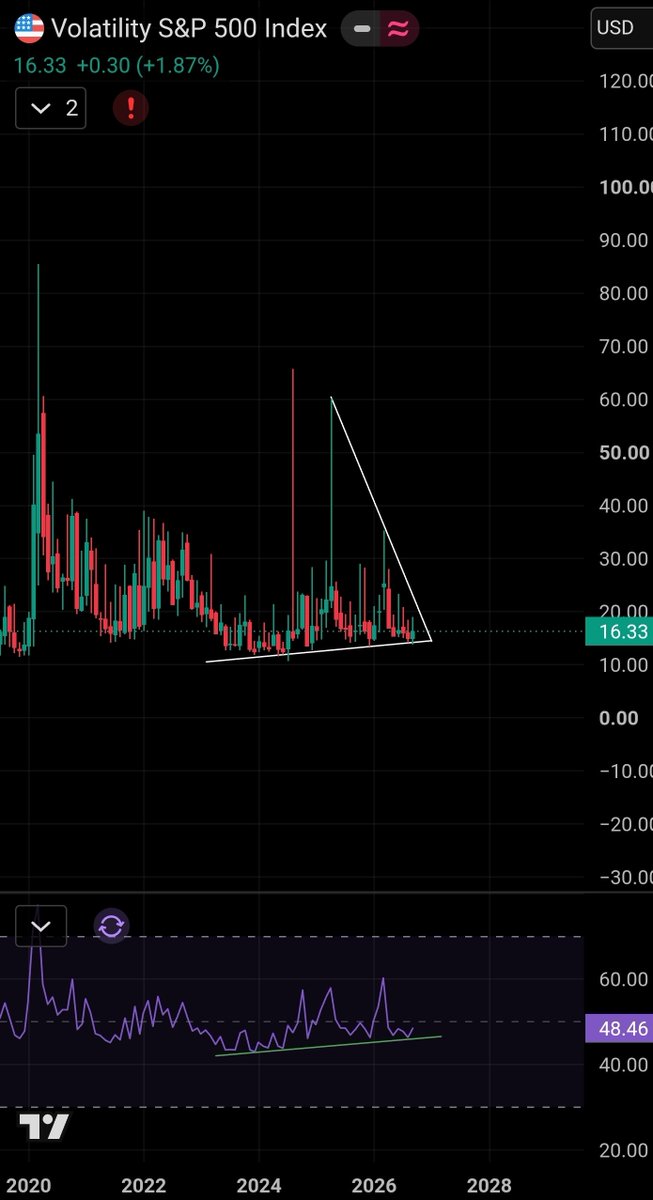
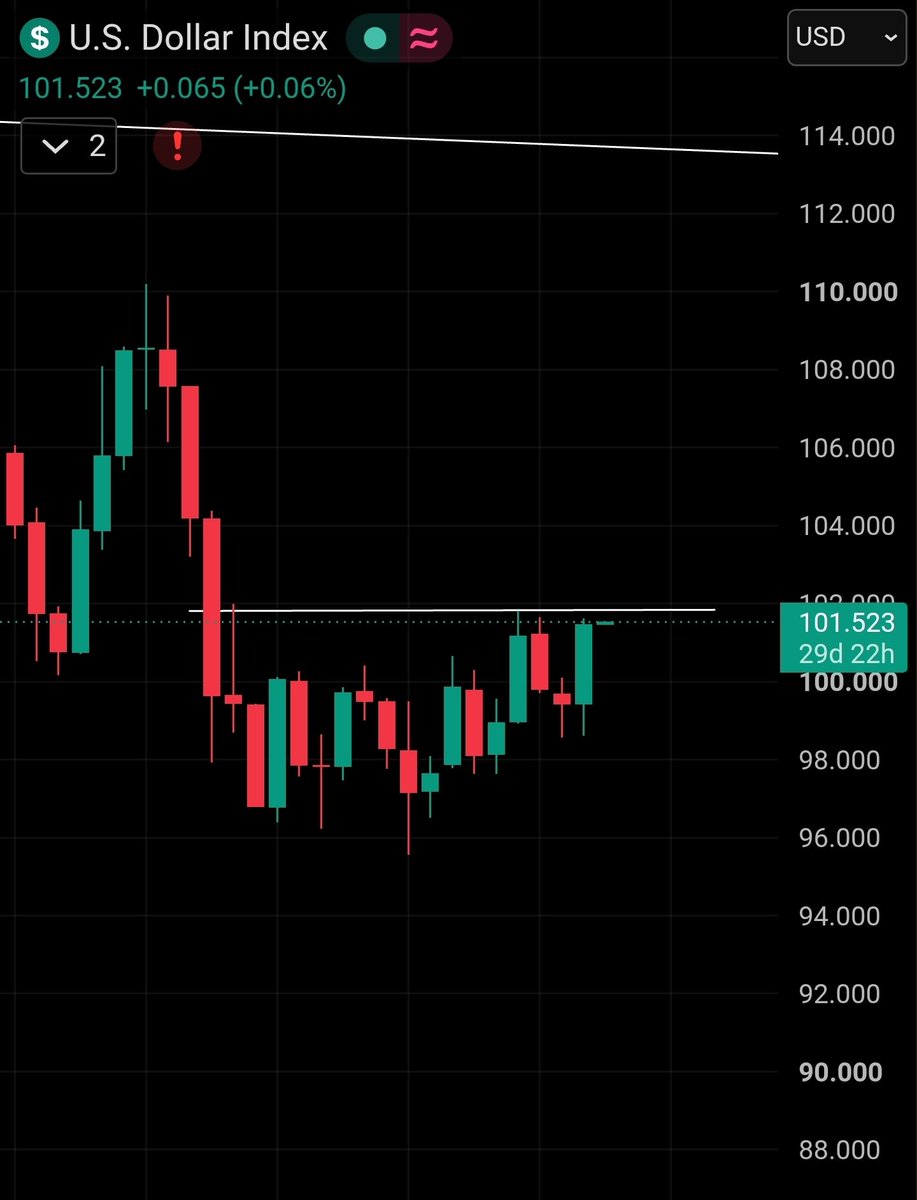
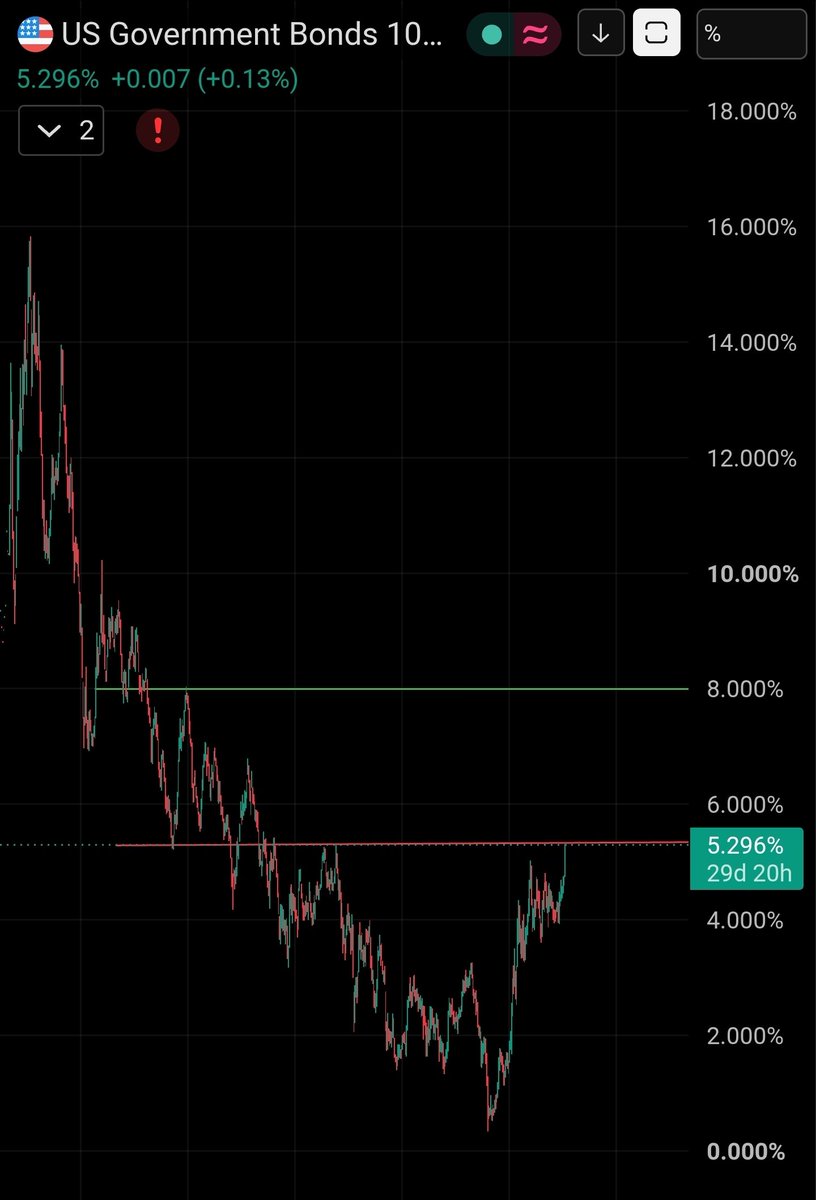
Treasury supply rises, bond prices fall, yields rise, financial conditions tighten, leveraged holders get forced to sell, more bonds hit the market, and yields rise even further.
That’s how a Treasury selloff can turn into a self-reinforcing liquidity death spiral.
The question is: who absorbs the next marginal trillion dollars of duration and at what yield?
If the market eventually says 5.3% isn’t enough, the next buyer may only appear at 5.75%, 6%, or even 6.5%.
And that’s how a bond-market problem becomes an equity-market problem.
The bond market doesn’t need to crash because there are no buyers. It crashes because prices have to fall far enough and yields rise far enough to manufacture the next buyer.
And the higher that clearing yield has to go, the more violently financial conditions tighten.
And when financial conditions tighten, the damage doesn’t stay in bonds.
Credit gets more expensive, leverage gets unwound, liquidity dries up, corporate refinancing gets harder, earnings expectations fall, equity valuations compress or rerate.
And eventually something in the real economy breaks.
Ultimately when the bond market clears, the economy pays the price.
Demand collapses, unemployment rises, earnings fall, credit losses accelerate, and the Fed is forced to cut aggressively.
Which finally brings inflation and long-term yields down, but only after the economy has absorbed the damage from the bond-market repricing.
The Treasury market may need higher yields to find buyers, but those same higher yields can create a recession that eventually forces yields back down.
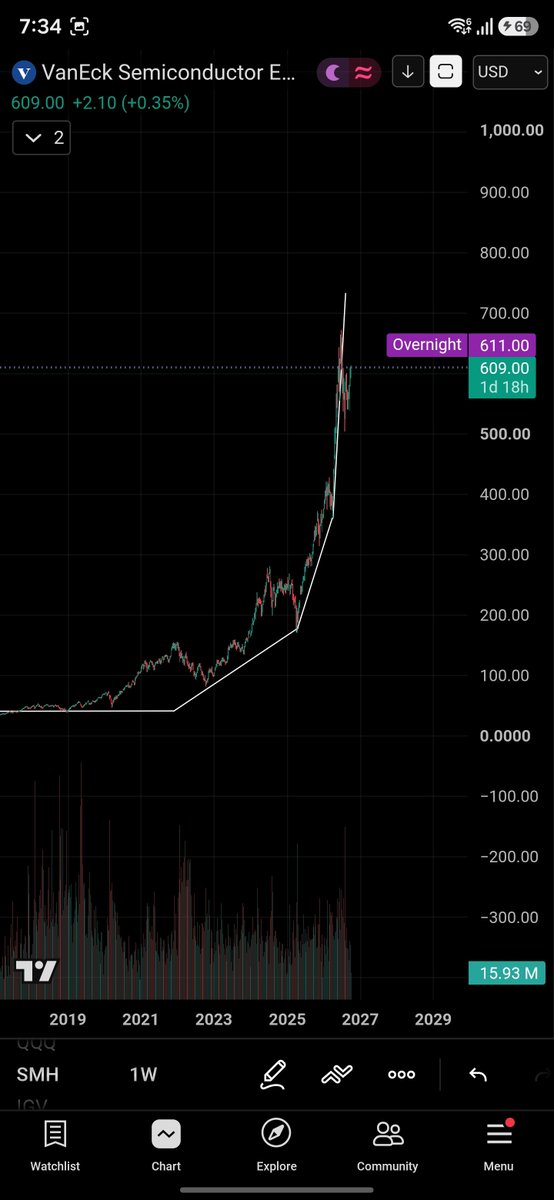
Yesterday Nasdaq futures took out ATH briefly, confirmed there were literally no resistance zoon ahead.
Now that the 10yr yield is crash down, it's time for stocks to rip.
Thank me later.
$QQQ $SMH
Agree with some of it but the main objective is likely to bring the input costs down, mainly the $/MW. Compute must go to cents for them to keep open source from taking market share. Thing is, neither can you stop open source, nor can you significantly stop distillation of models
Its not the "oil shock", its the "diesel shock" that'll bring about hyperinflation. This is why yields are exploding. It's irrelevant how much crude oil comes out of Hormuz if the major refineries are being bombed be it in Middle East or Russia and the rest are maxed out.
Treasury supply rises, bond prices fall, yields rise, financial conditions tighten, leveraged holders get forced to sell, more bonds hit the market, and yields rise even further.
That’s how a Treasury selloff can turn into a self-reinforcing liquidity death spiral.
The question is: who absorbs the next marginal trillion dollars of duration and at what yield?
If the market eventually says 5.3% isn’t enough, the next buyer may only appear at 5.75%, 6%, or even 6.5%.
And that’s how a bond-market problem becomes an equity-market problem.
The bond market doesn’t need to crash because there are no buyers. It crashes because prices have to fall far enough and yields rise far enough to manufacture the next buyer.
And the higher that clearing yield has to go, the more violently financial conditions tighten.
And when financial conditions tighten, the damage doesn’t stay in bonds.
Credit gets more expensive, leverage gets unwound, liquidity dries up, corporate refinancing gets harder, earnings expectations fall, equity valuations compress or rerate.
And eventually something in the real economy breaks.
Ultimately when the bond market clears, the economy pays the price.
Demand collapses, unemployment rises, earnings fall, credit losses accelerate, and the Fed is forced to cut aggressively.
Which finally brings inflation and long-term yields down, but only after the economy has absorbed the damage from the bond-market repricing.
The Treasury market may need higher yields to find buyers, but those same higher yields can create a recession that eventually forces yields back down.