Viróloga veterinaria en el Centro de Investigación en Sanidad Animal @cisa_inia_csic @inia_es @CSIC. Virus, enfermedades emergentes, zoonosis y One Health.
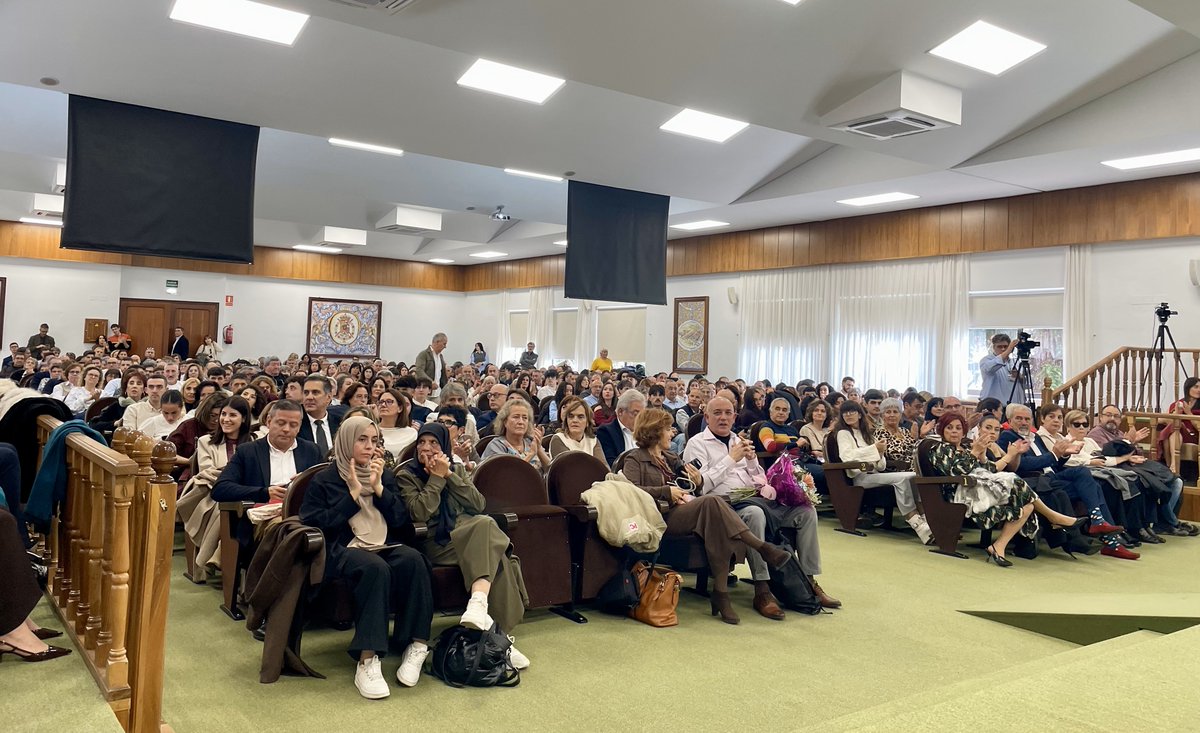
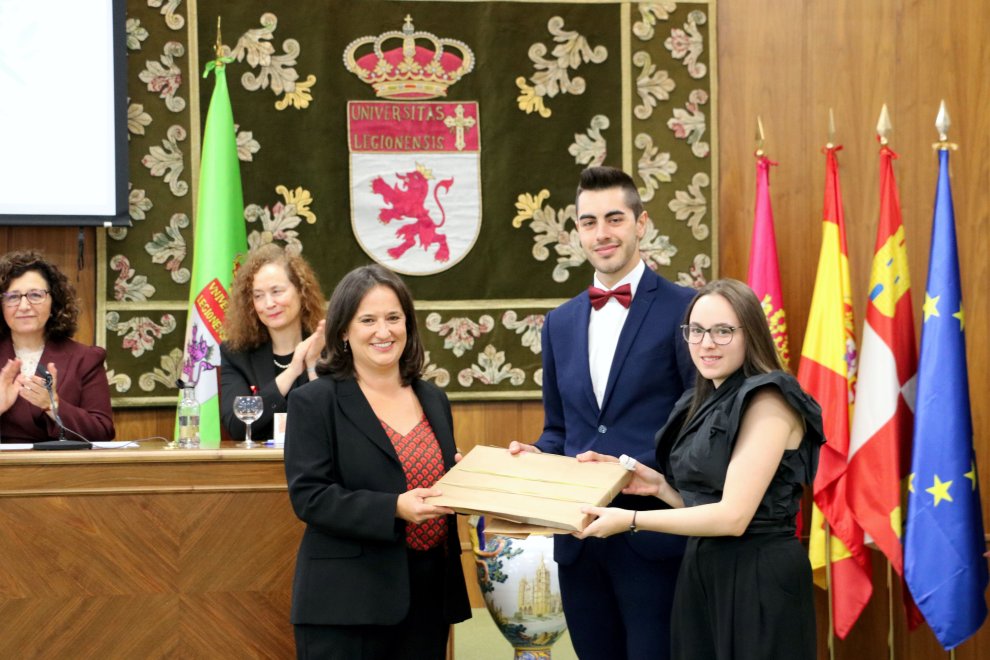
Ha sido un inmenso honor ser la madrina de la promoción 2025 de la @FacVetLeon. Qué emoción volver a mi Universidad y sentir los nervios y la alegría que viví yo hace 21 años. Enhorabuena a todos, ojalá mi ponencia os haya inspirado a seguir trabajando por la ciencia y la salud❤️
This is not surprising. Since 2024, the US response has failed to contain H5N1 in dairy cattle or adequately protect workers. Reports of sick, untested workers are a predictable warning. Allowing this virus to spread puts farmworkers and global health security at risk.
Muy preocupante la situación de los trabajadores de las granjas de vacas del estado de Washington con brotes de #GripeAviar#H5N1 desde hace semanas.
Es una población muy expuesta al riesgo y además en una situación vulnerable (inmigrantes sin papeles en muchos casos). Peligro!
There is an active outbreak of avian flu (H5 influenza) in dairy herds in Washington State, particularly the Yakima Valley. A number of dairy workers have been infected, with at least one death. Speaking with workers, we believe the official case numbers are a vast undercount. 1/
¿Está Estados Unidos al borde de desencadenar una nueva pandemia de gripe?
Es el título de este artículo que se ha publicado hoy en The Telegraph.
Y sí, puede sonar alarmista, pero la verdad es que la situación es preocupante. Va hilo.
https://t.co/sC4uYL15ah
La pregunta que debemos hacernos es: ¿qué podría ocurrir si un trabajador de la explotación de visones de Utah se infectara con gripe estacional y continuara trabajando en contacto estrecho con visones en una granja donde hay un brote activo de H5N1 desde hace más de dos meses?
Dos años después de mi propuesta a la @RAEinforma, estoy muy orgulloso de haber logrado cambiar la definición de “VIDA” en el Diccionario de la Lengua Española.
Muchas gracias a JM Bermúdez de Castro,JM Sánchez Ron y todos los académicos.
@eldiarioes
https://t.co/37VDZrsQFO
A few reasons I think the Washington state #H5N1 bird flu case is important.
1) I believe it would the first human death from B3.13 genotype (once this is confirmed) which was found in viruses transmitting from dairy cattle directly to humans. Will be important to look at whether there are any relevant genomic changes to pathogenicity or if this was more due to the host having underlying conditions.
2) Detection occurred after cows were already sick. We then saw multiple herds get affected quickly and now human spillover. They were not detected through the National Milk Testing Strategy (this is a state-level surveillance strategy w/ decreasing frequency of sampling once you are negative for long enough). This is different than the Daily Herd Status Program which is optional weekly bulk-sample testing at farms which I don't think was happening here. The trade-off of reducing surveillance when you don't have any detections makes sense from an operational/$ perspective but shows that you will then probably miss a new introduction.
3) It is not clear if the infected worker was utilizing PPE at the time of infection. In our research in Central California, PPE use (specifically eye protection) was minimal/none on surveys we did this year. @StanfordCIGH@Stanford_ID
This goes against 2025/6 pattern of mild disease when infected from dairy cattle versus severe disease when infected from birds. Worrying given H5N1 circulating in dairy cattle in the U.S.
Three human H5N1 cases in Washington, and 1 death. Eventually, this is going to escalate. We’ve had 4 years to prepare since the first human case was reported in 2022, but sadly our elected officials don’t work for us. https://t.co/k8tBtfSp5b