Hanging?
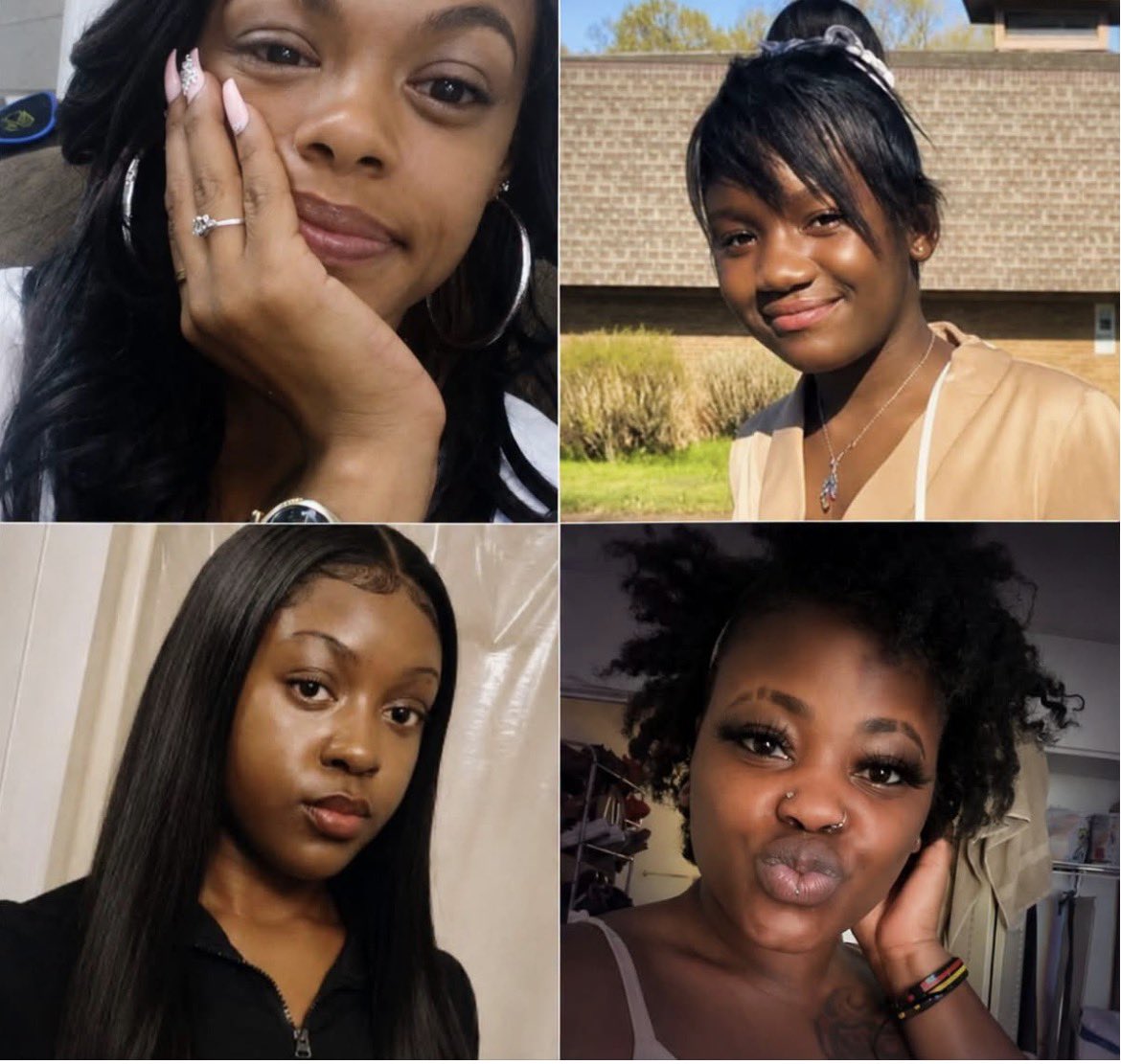
We need to call this what it is: LYNCHING. Ten Black Americans in less than two years.
Every one of these deaths deserves answers, transparency, and scrutiny. No one should look at these images and expect Black Americans to shrug this off, especially in light of our history.
Family let us join with the Nolan Wells family and celebrate his 19th birthday B. turn 19 today, this family is celebrating his birthday in Mississippi and around the country. Let us continue to push for justice for him and his family..
DO NOT FORGET HIS NAME, YUSEF HAWKINS. He was a 16-year-old Black teenager, from East New York who was shot and killed in Bensonhurst, Brooklyn, by a mob of white youths.
On February 12, 1946, Isaac Woodard Jr. was traveling home after serving in the United States Army during World War II when an encounter with police changed his life forever. Woodard, a decorated Black veteran who had been honorably discharged only hours earlier, was still wearing his uniform when he was removed from a bus in Batesburg, South Carolina, arrested and brutally beaten by local police. The attack was so severe that Woodard permanently lost his sight. He was 26 years old.
Woodard had served his country in the Pacific, earning a battle star and rising to the rank of sergeant, yet returning home offered no protection from the racial violence Black Americans continued to face. The incident reportedly began after Woodard asked the bus driver if he could use a restroom during the journey. Although the disagreement initially appeared to be resolved, the driver later contacted police. Batesburg police chief Lynwood Shull arrested Woodard and struck him repeatedly with a blackjack. By the following morning, Woodard could not see. Doctors later determined that the damage was permanent.
The case became national news after the NAACP took up Woodard's cause, and figures including Orson Welles publicly drew attention to what had happened. President Harry Truman was reportedly deeply disturbed by the case. After meeting with NAACP leaders in September 1946, Truman established the President's Committee on Civil Rights later that year. In 1948, he issued Executive Order 9981, directing equality of treatment and opportunity in the United States armed forces and accelerating the process of military desegregation.
There was still the question of justice for Woodard himself. Because South Carolina authorities did not prosecute Shull, the federal government brought a civil rights case against him. An all-white jury acquitted the police chief in November 1946. The acquittal demonstrated just how difficult it was for Black Americans to obtain justice through the courts when racial violence was committed by white officials.
Yet the case had another consequence. Federal judge J. Waties Waring, who presided over Shull's trial, was disturbed by what he witnessed and increasingly challenged segregation in subsequent years. Waring later issued important civil rights rulings and, in Briggs v. Elliott, argued that segregated public schools were inherently unequal. That case became one of the cases incorporated into the Supreme Court's landmark 1954 decision in Brown v. Board of Education.
Isaac Woodard lived for decades after the attack, carrying injuries inflicted on him shortly after he returned from defending a country that still denied millions of Black citizens equal protection under its laws. His story is an important reminder that the struggle for civil rights was shaped not only by the famous marches and speeches of the 1950s and 1960s, but also by individual cases of injustice that forced Americans to confront the contradiction between the nation's democratic ideals and the reality experienced by Black people.
If you love our content and would like to support the page, you can buy us a coffee here: https://t.co/K1AhtZuOFs or tap Link in Bio
#BlackHistory #BlackAmericanHistory #CivilRights