A long time in the making--today the new Netflix documentary, Apollo 13: Survival has been released. I'm proud to say that I and several of my collegues at https://t.co/eIqaI2FFpD helped with this film. It's all-archive akin to @apollo11movie. https://t.co/6v5YeTgUkR
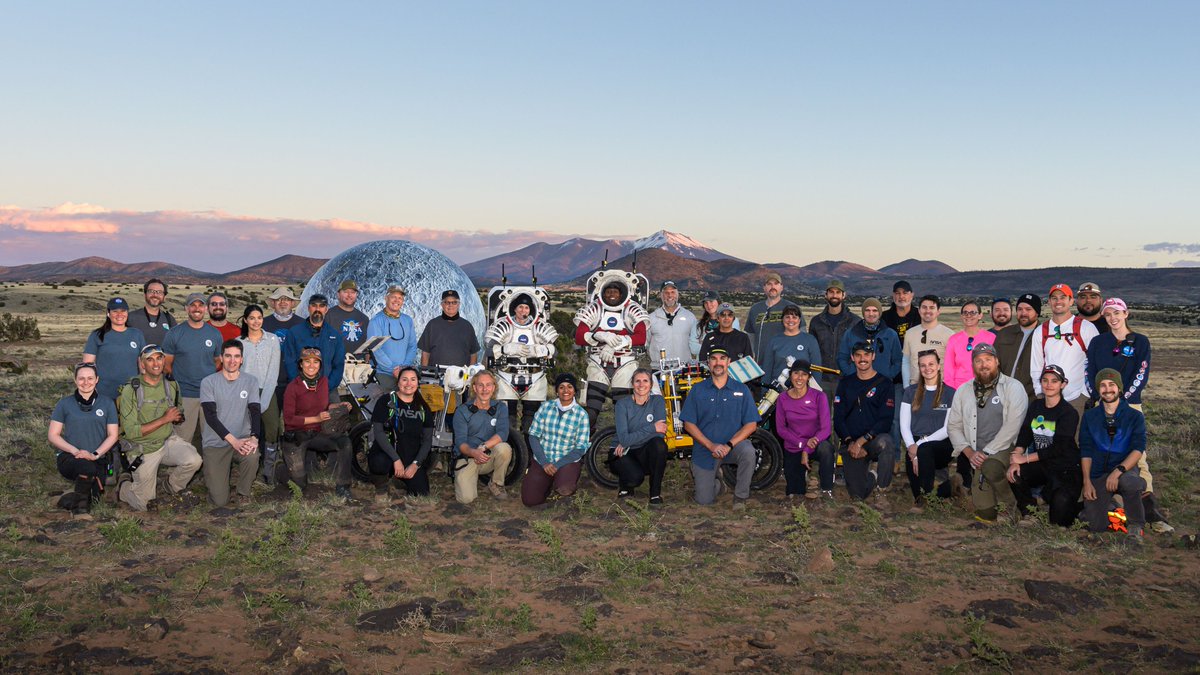
To the Moon! But first, to the desert 🌕
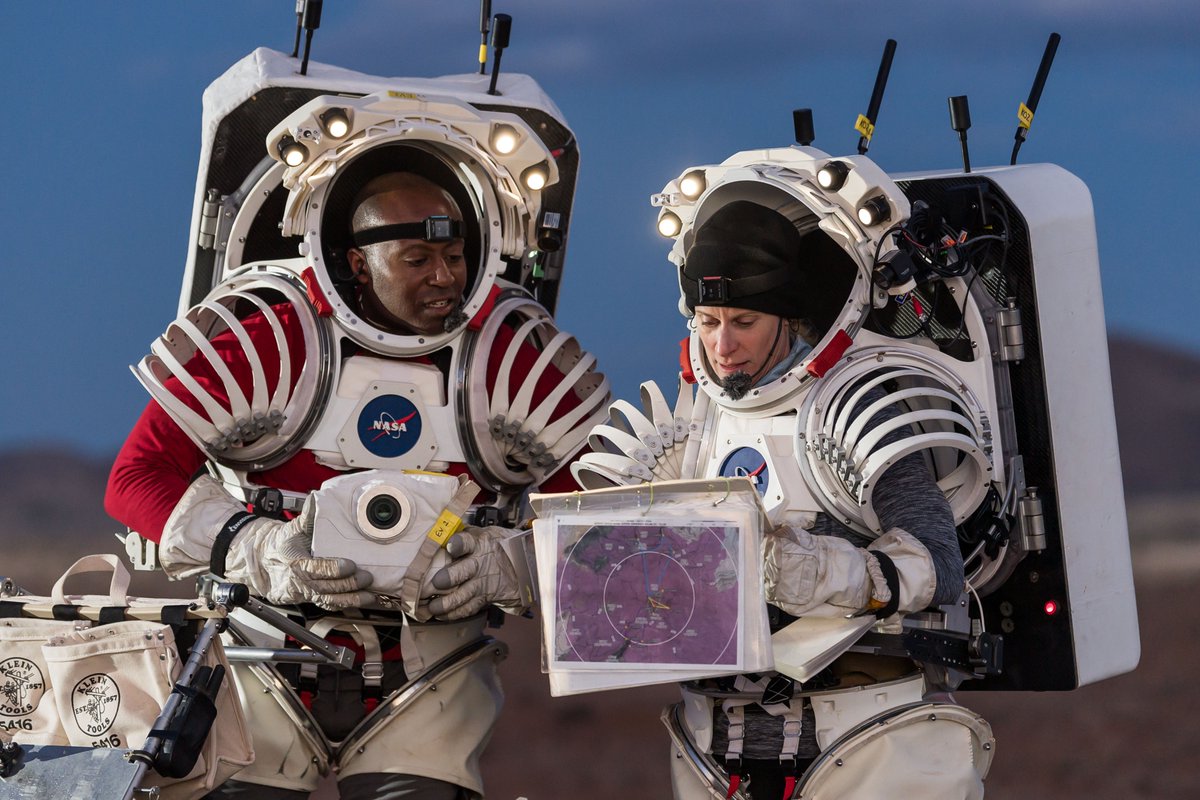
JETT 5 was a fully integrated Artemis III mission with simulated moonwalks, advanced technology runs, a science evaluation room, and a flight control team. Read more: https://t.co/OKJegV2Onb
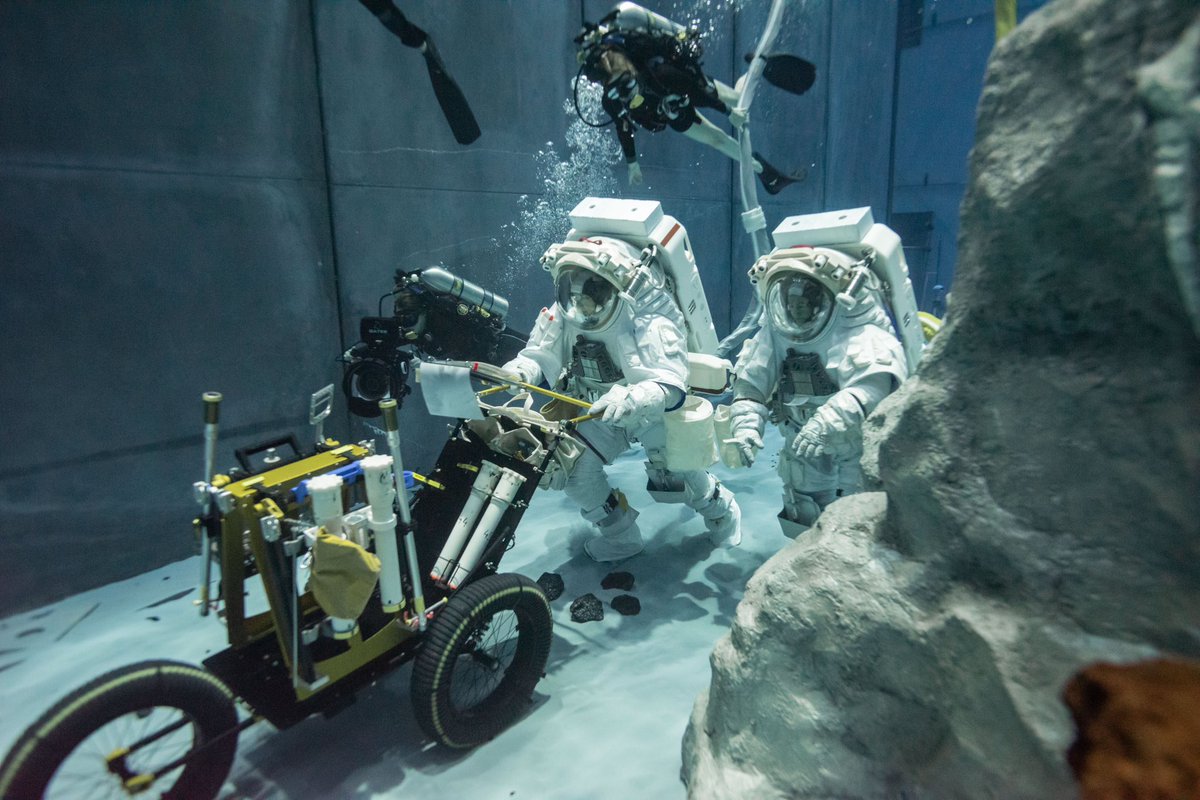
A glance of a recent test at the @NASA_Johnson #neutralbuoyancylab evaluating lunar spacesuits for future @NASAArtemis missions. @AstroKomrade and I practice pushing our tool cart, taking geologic samples, and conducting experiments on a simulated Moon surface - just another day in the office for @NASA_Astronauts!
Writing with @bwdenev in the @AAS_Policy blog series on Decadal Surveys and why they help the community make big discoveries in space. Important now more than ever in a time of tight budgets 💪🪐🛰️🔭https://t.co/vNPDEfqF4M
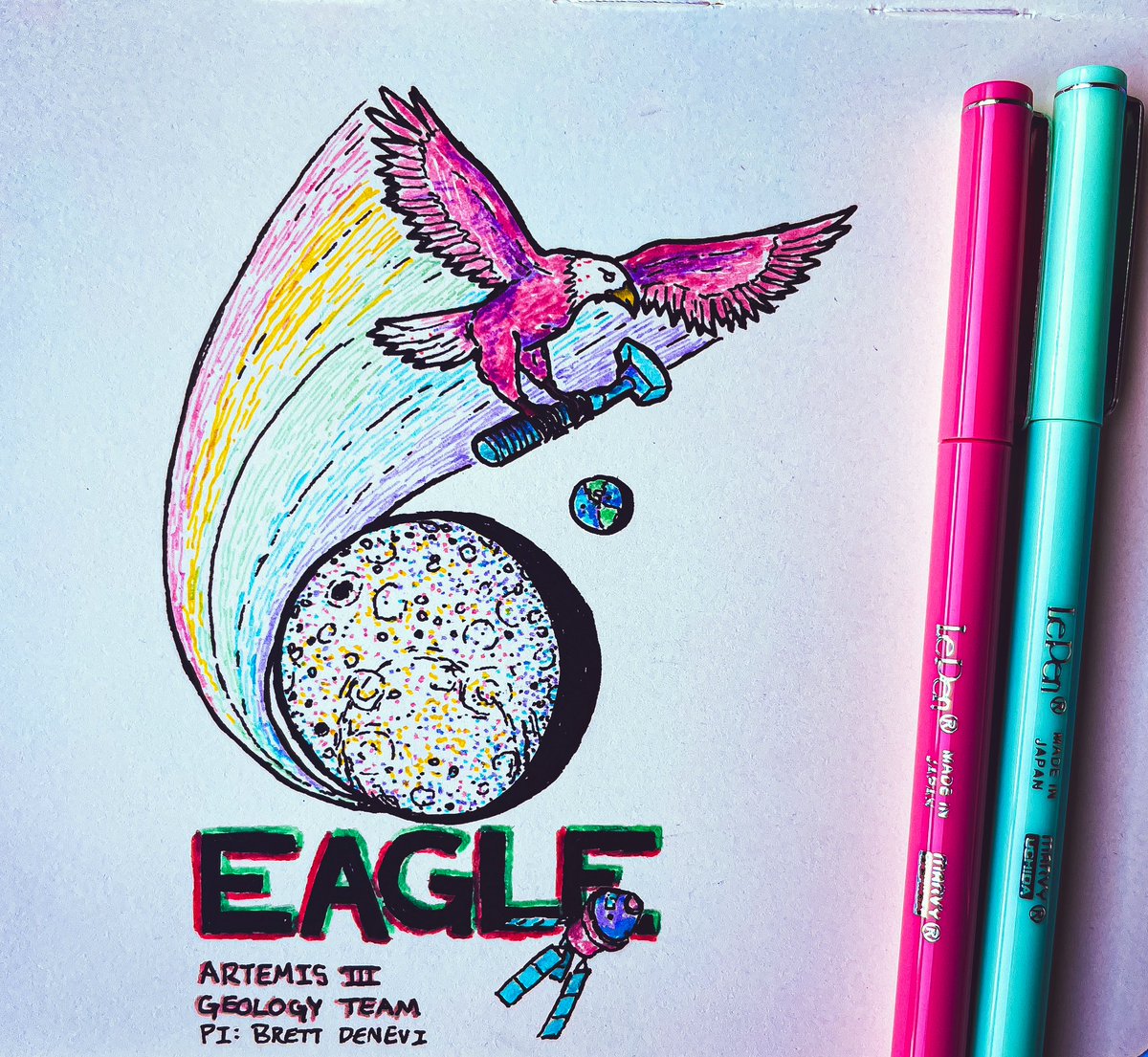
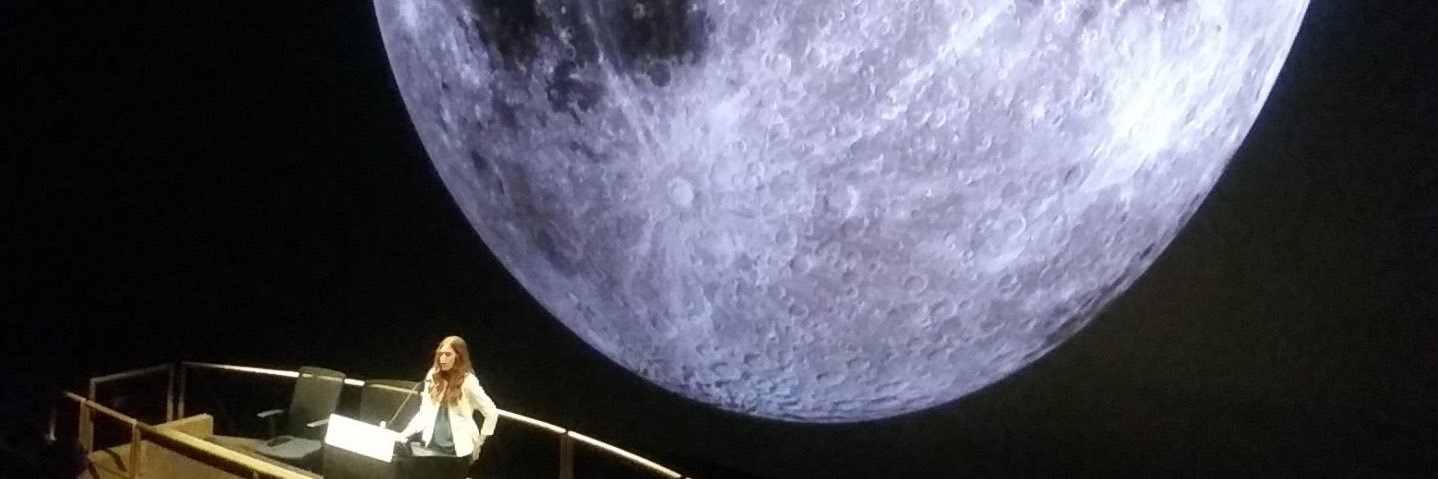
It’s an exciting time for lunar science, and this week’s LEAG meeting was just fantastic. One of the highlights was hearing from @bwdenev about the geology team she’ll be leading for Artemis 3! ⚒️🌖🧑🏽🚀 @NASAMoon
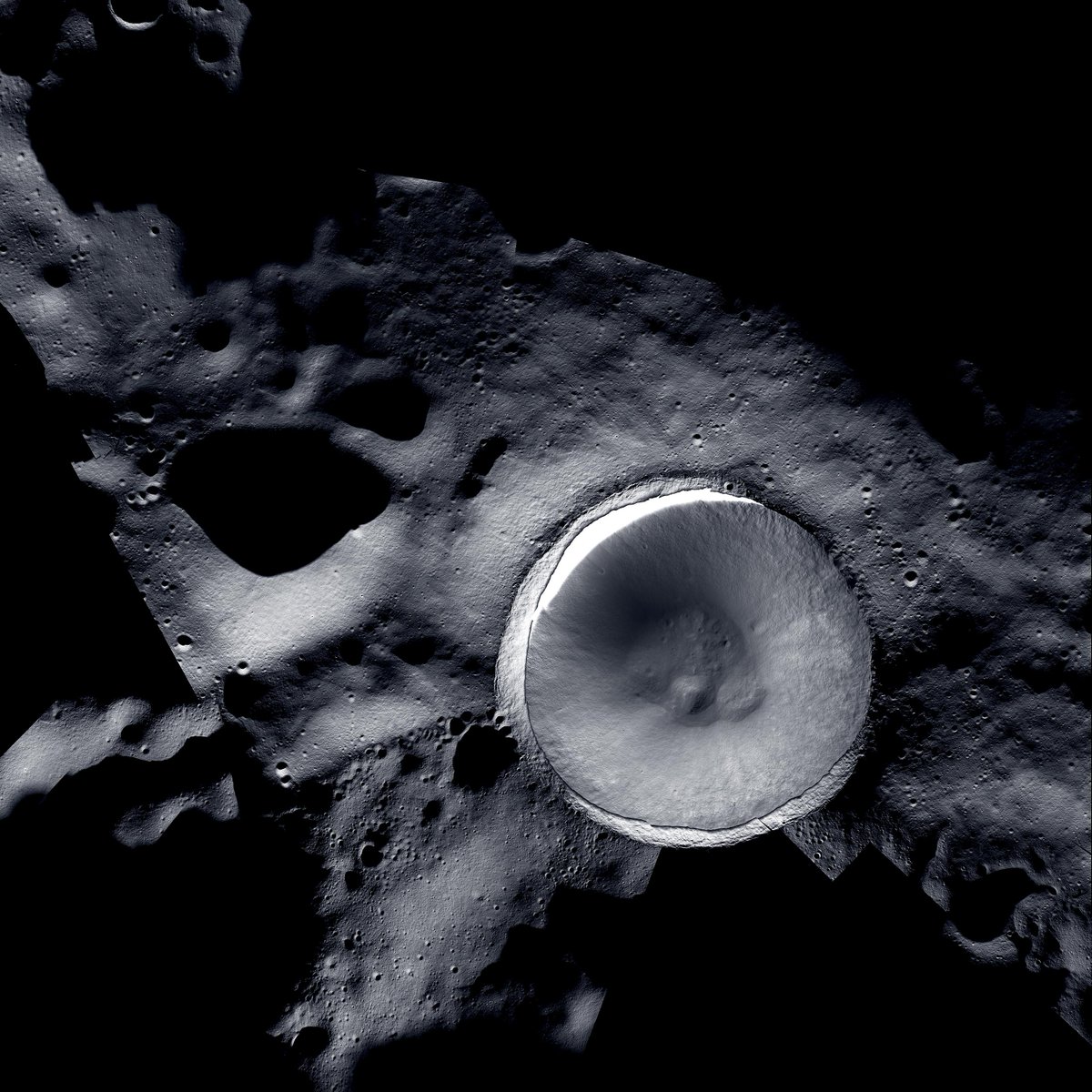
A new mosaic reveals the power of two lunar orbiting cameras, working together 🤝
This mosaic was created with imagery acquired by the @NASAMoon Lunar Reconnaissance Orbiter Camera & ShadowCam, a @NASA instrument on board a KARI spacecraft called Danuri: https://t.co/3q6JOHu6Kd
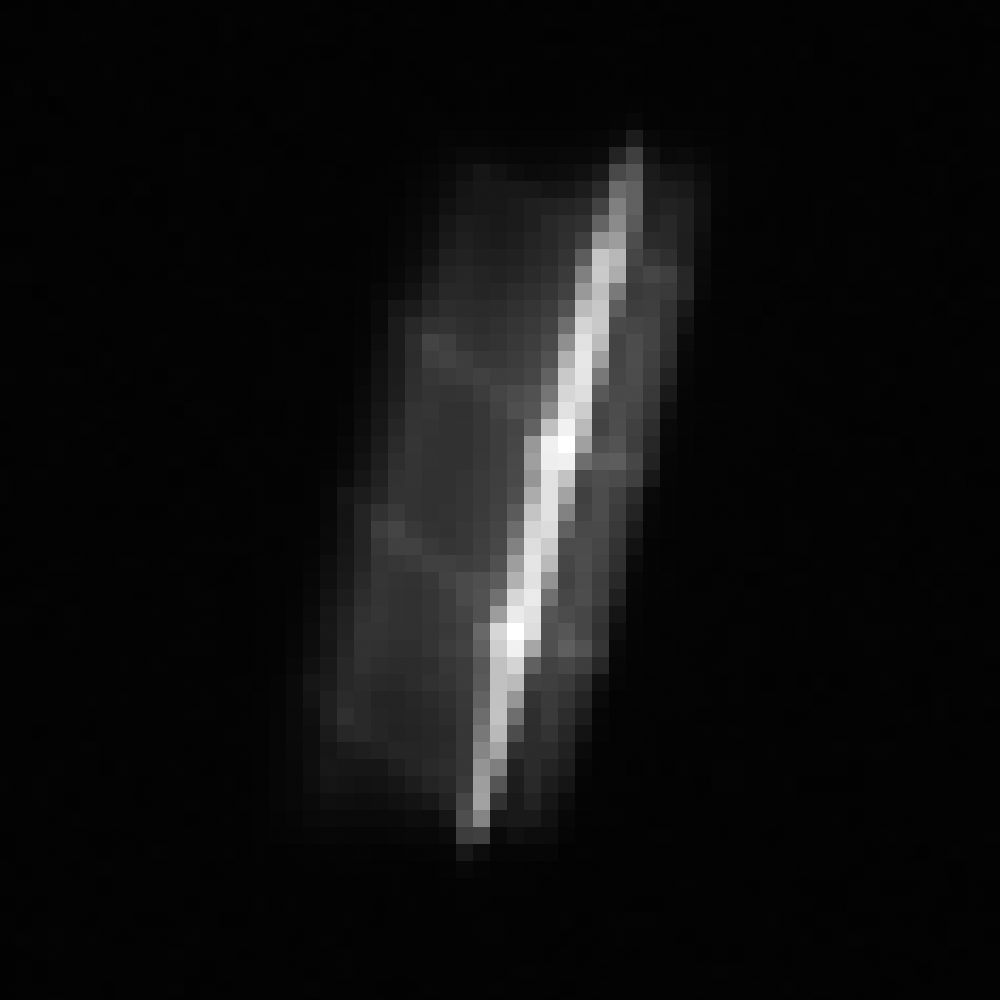
LROC has taken pictures of other active spacecraft - this time ShadowCam on the Korean orbiter, Danuri, took a picture of the Lunar Reconnaissance Orbiter as it passed below (relative velocity over 3 km/second.... 7000 mph).
https://t.co/JSxP9EMalm
@tourtheuniverse I like the picturing the snowy Moon. In this image it is light reflecting off of one side of the crater rim into the shadows, so it is a broad illumination source but it is still coming largely from one direction
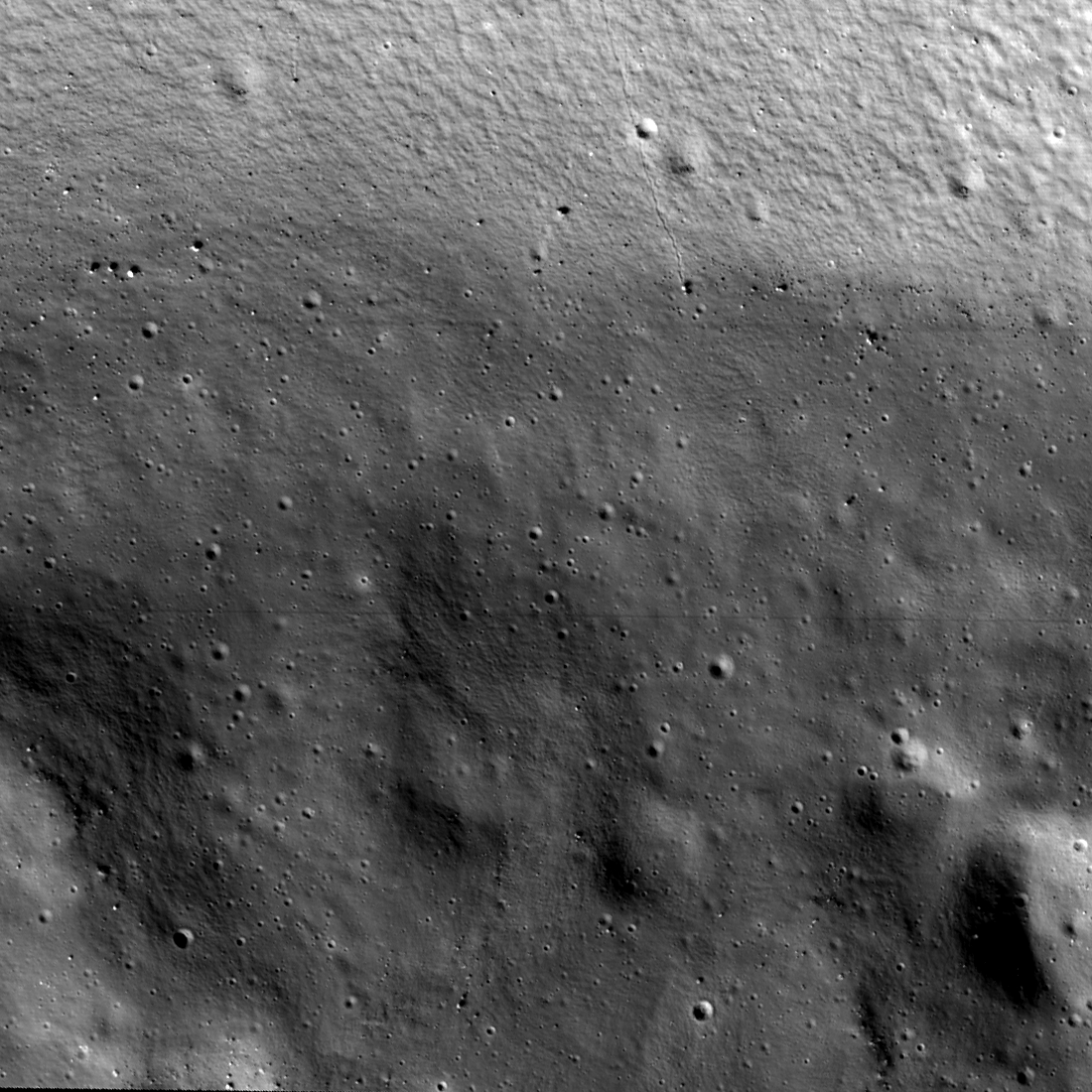
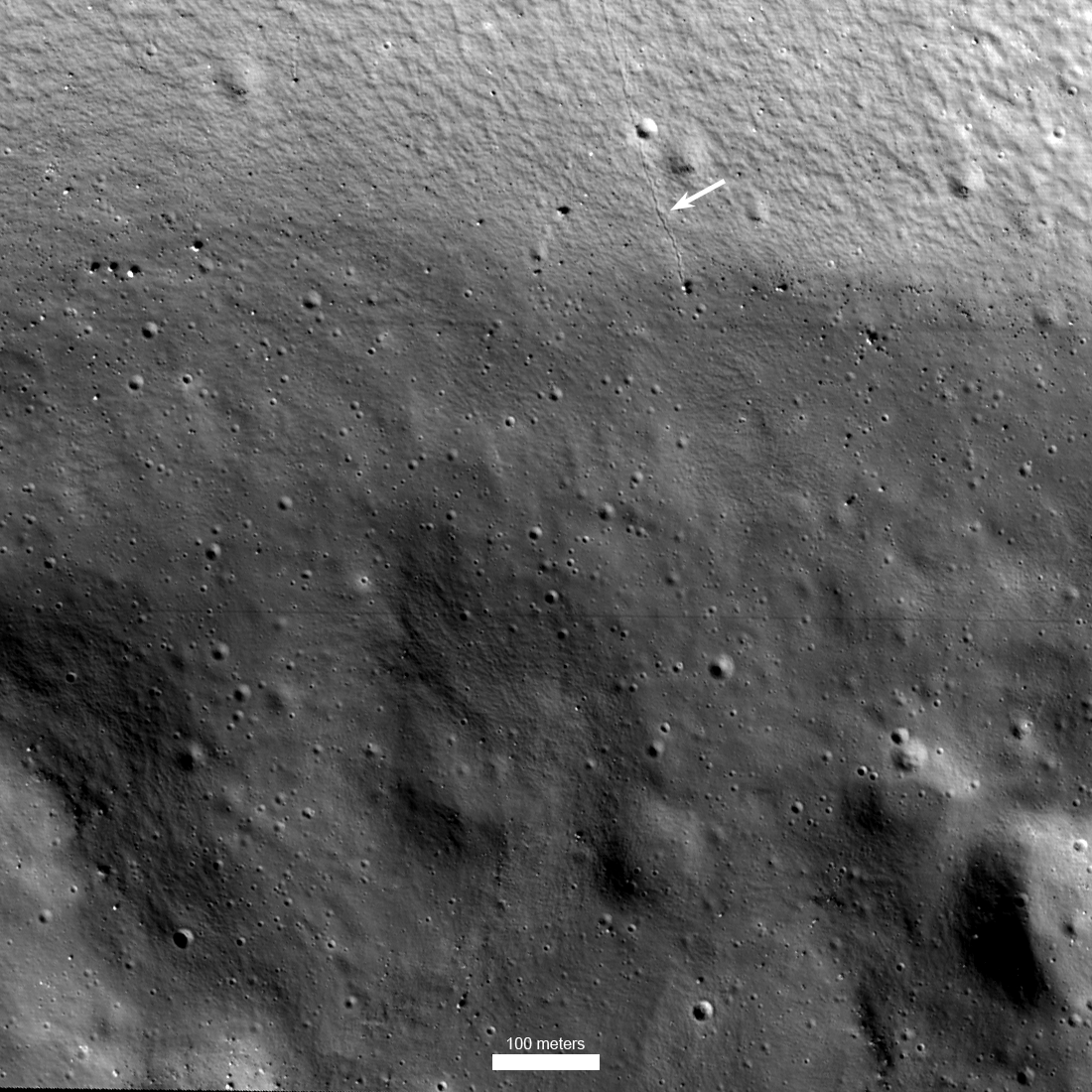
We can now see inside the permanently shadowed regions at the Moon at better than 2 m/pixel with ShadowCam. The first image (of Shackleton crater) promises many beautiful views to come. https://t.co/NWcPMxpOWr