There are 202 new PDB entries this week, including this structure of the Human caveolin-1 complex (7sc0), a 'membrane-sculpting' structure which generates curvature in plasma membranes, published in Sci Adv @sciencemagazine. View all new entries: https://t.co/3px0eDQfTf
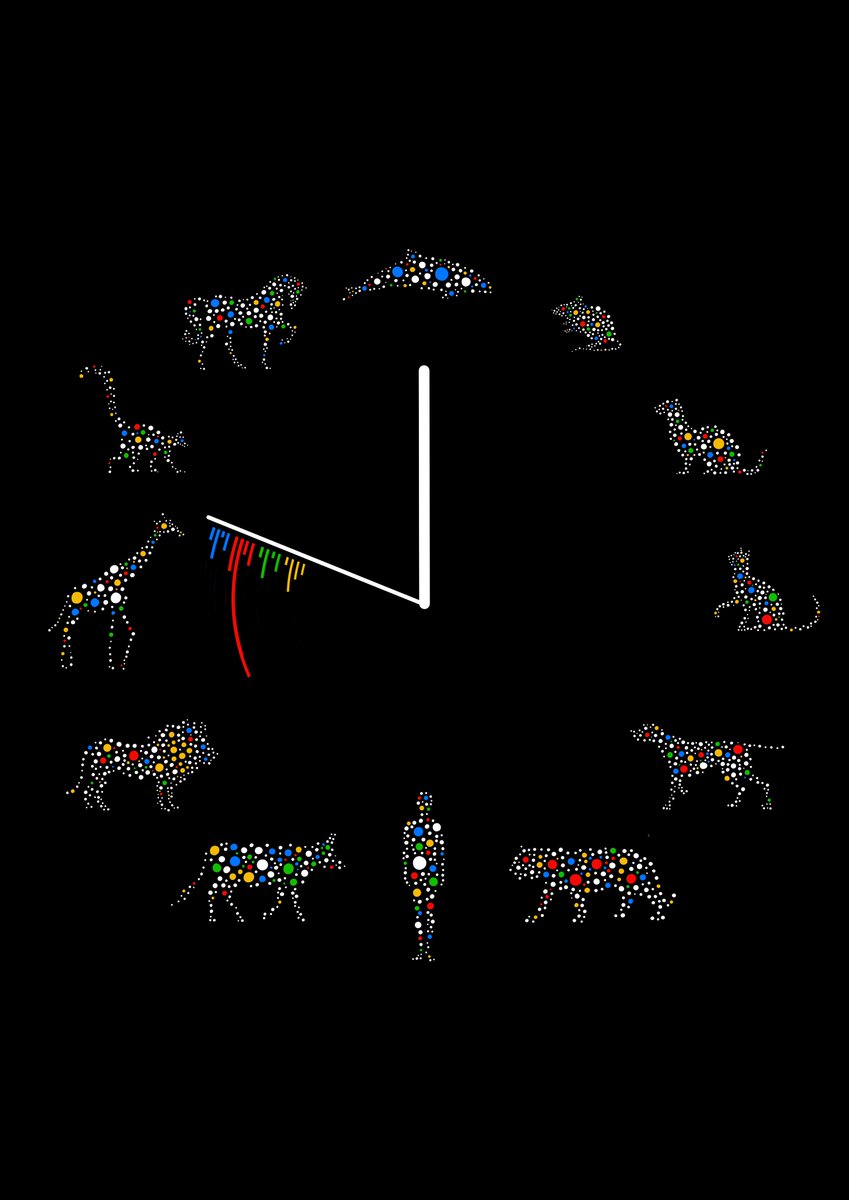
Incredibly excited to share our paper ‘Somatic mutation rates scale with lifespan across mammals’ now published @nature.
https://t.co/a68IkkTt33
An illustrated & updated tweetorial… [1/24]
Do any of my followers know where I can find free resources/examples of how to develop a theory of change that acknowledges and highlights systems/complexity whilst being simple and easy to understand? Is it even possible? #EvalTwitter
A long yet gracefully written blog post by @stephen_wolfram about his latest thinking. Very ambitious, very provocative, and to me at least, very interesting. See what you think. https://t.co/XRytKUBIZC
Python pandas is amazing
Had a huge bottleneck of approx 50 lines of code - replaced it with 3 lines of pandas and it's now blazing fast and obviously more maintainable
Ordered a book last night from @__mharrison__ Effective Pandas - can't wait to get stuck in
Our Community Lecture series is BACK! Join us at @TheLensic or online this March 22nd to hear SFI's @Sara_Imari present on the fundamental #physics of life:
"Life does not violate any of the known laws of physics. But it is not explained by them either."
https://t.co/2Fe1ym0JWl
Ever wonder why vertex models, fiber networks, and origami become rigid, even though they always have fewer constraints than degrees of freedom? So did we. https://t.co/DUTBHpLS1c
https://t.co/cfAtJYXBVY
The manuscripts are long/dense, so here’s a synopsis:
I missed some red flags when I interviewed for my first grad program a few years ago, so here are some questions I think are worth asking during PhD interviews, a #Thread#AcademicChatter#PhDLife#AcademicTwitter
What's the best computer programming book you've ever read, and why was it the best?
No need for consensual replies, I just want honest opinions.
It can be about a language, like Python or JavaScript, a tool or framework, or anything related to programming.
I'll start 👇
Here's a drawing I did of the S-layer proteins of the Archaean halophile Haloferax volcanii. These proteins regulate salt ions, allowing them to live in the dead sea
@MartinaGluscevi That's the spirit! Gene and Cell Technologies sells a nice master mix. $99/400rxns. ElimBio sells primers and ships residential. Lots of hacks if you ever do want to homelab :)
https://t.co/g2bZoYvi25
Talk and discussion on FUNGAL GENOMICS in the field of insect-fungus symbioses led by @hyphaltip Jason Stajich: https://t.co/ZIPYSSzuJA February 16, 11:00EST. Comparative, computational, and experimental tools to study fungal and insect genomes. Please share widely.
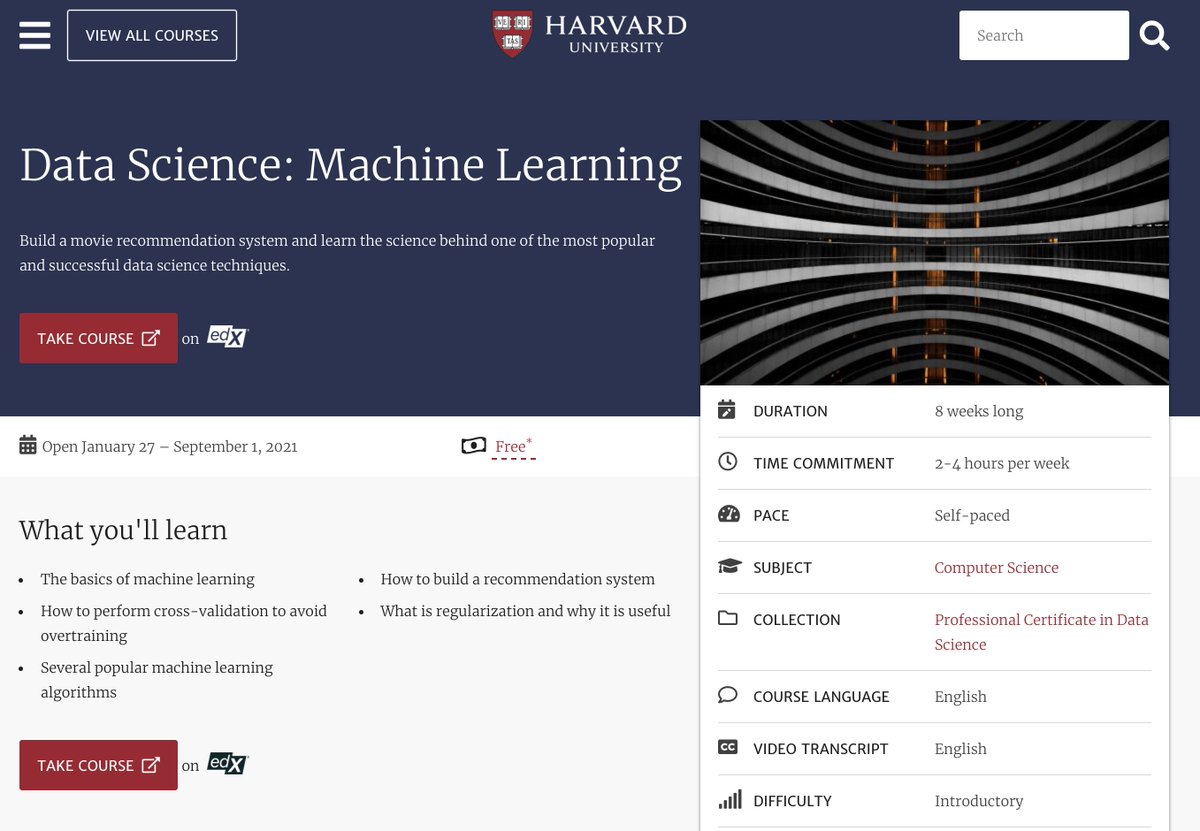
Free 2021 machine learning course from Harvard.
Topics:
• Basics of machine learning
• Popular algorithms
• Recommendation systems
• Cross-validation and Regularization
https://t.co/g2aINjkQHB
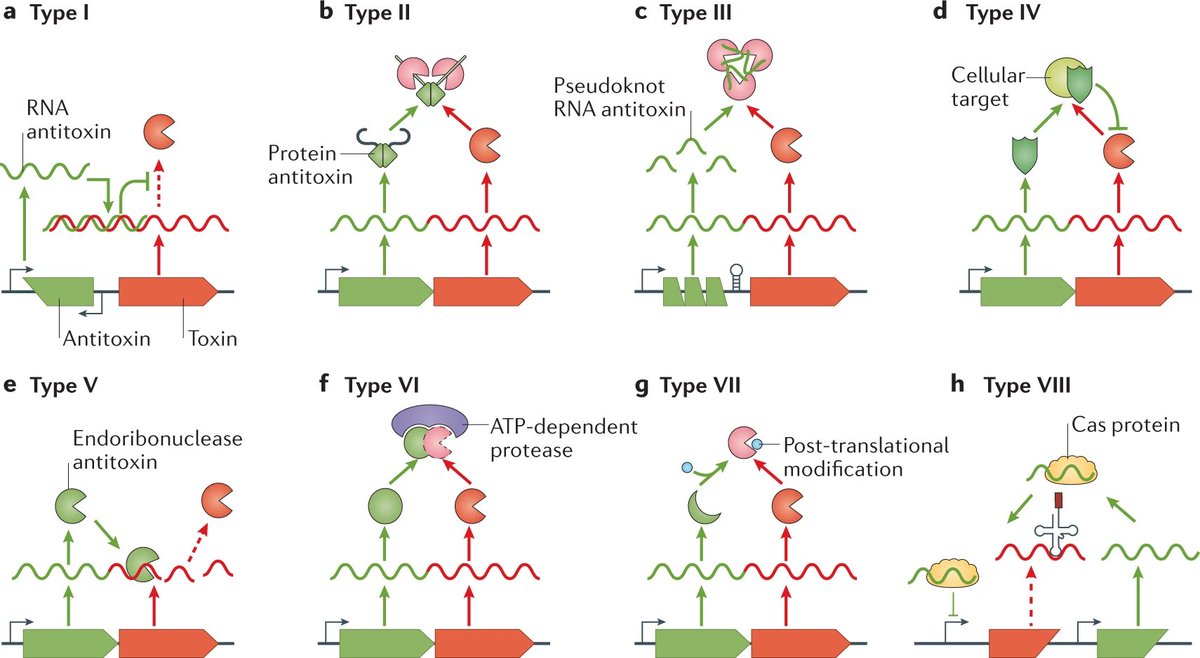
Biology and evolution of bacterial toxin–antitoxin systems
Van Melderen & colleagues review the biology and evolution of these small genetic elements, and discuss how genomic conflicts could shape the diversification of toxin–antitoxin systems
https://t.co/fwyuRsvCVt