Third-year students from the Department of Architecture at the Kwame Nkrumah University of Science and Technology (KNUST) have presented preliminary findings from a 10-day peri-urban survey in the Kwahu East Municipality to the Member of Parliament for Abetifi, Bryan Acheampong.
The survey forms part of the students’ academic training in planning and community analysis and covered communities including Nkwatia, Abetifi and Aduamoah.
Learn more here⬇️
https://t.co/7fkqUp83Gg
As we marked the World Antimicrobial Awareness Week, 2025, as Country Ambassador of the American Society for Microbiology, Ghana, I ceased the opportunity to invite scientists to join ASM at the KNUST Research Week themed ‘Empowering Researchers to achieve Impactful outcomes’
🍎 Today marks World Food Day. An unhealthy diet is one of the five main risk factors for non-communicable diseases (NCDs), as identified by @WHO & @ncdalliance. It's also highlighted in FIP’s Statement of Policy on the role of pharmacists in NCDs: https://t.co/JfiHKAX4sT.
*Late Breaker Abstract Submission opens from 21-31st July, 2025.*
Kindly submit your abstract if you missed the first deadline.
Abstracts that do not fall directly under the thematic areas should be submitted to *“Other”*
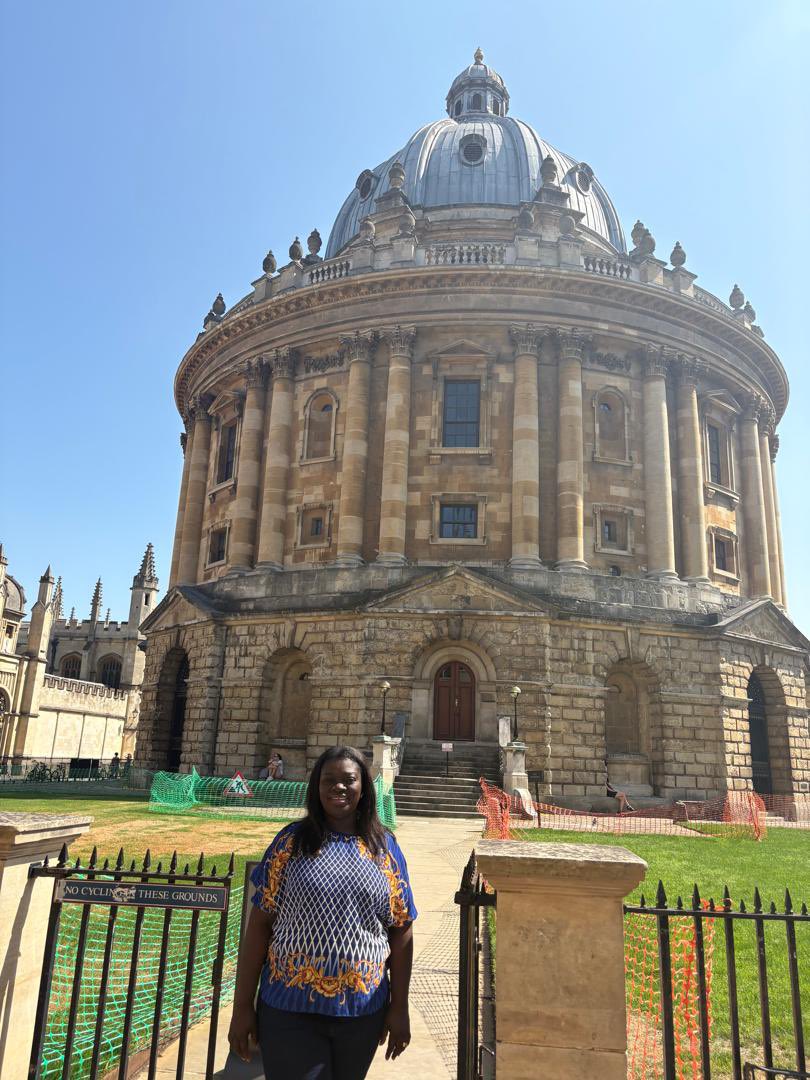
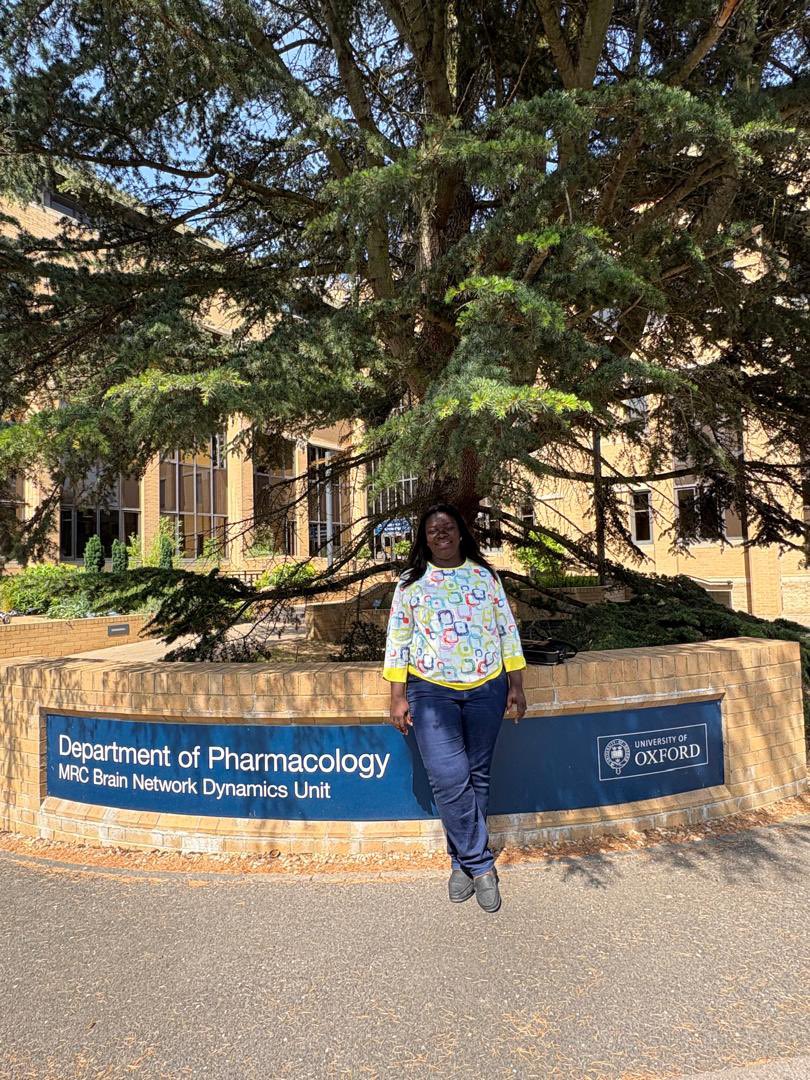
Sincere thanks to the Africa Oxford Initiative for supporting my research with the AfOx Research Development Award, 2020. Great to be invited to interact with the 2024/25 AfOX Fellows to share my experiences with them & meet the AfOx Steering Committee at St Cross, Oxford.
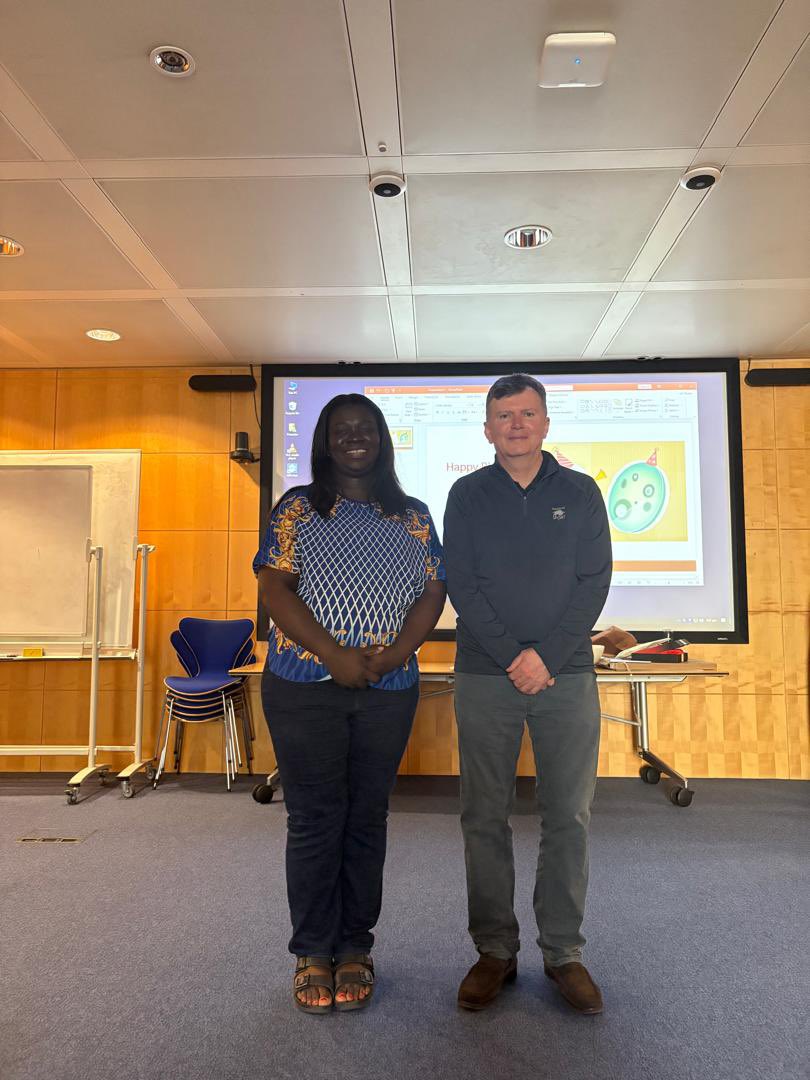
It was indeed a privilege and and an honour to be invited by my supervisor to his Professorial Inaugural Lecture and to highlight my research in his Lab as a huge contribution to research development.
It was a delight to see my two supervisors, Simon Gibbons and Sanjib Bhakta
At IOI, scientists are working to develop solutions to this global health challenge, including developing new antibiotic therapies. 6/6
Learn more ⤵️
https://t.co/iZ6FUAIy3t
The successful development of the antibiotic was the result of collaboration between academia, industry and government.
After the War, the "Golden Age of Antibiotics" began, where the majority of antibiotic classes in use today were discovered. 4/6
When World War II broke out, there was an urgent need for new life-saving medicines.
In 1941 Florey and Chain travelled to America to speak with US government officials and pharmaceutical companies about the potential of penicillin. 3/6
The life-saving antibiotic was first discovered by Alexander Fleming in 1928, and isolated in 1940 by Howard Florey and Ernst Chain at @UniofOxford. 2/6