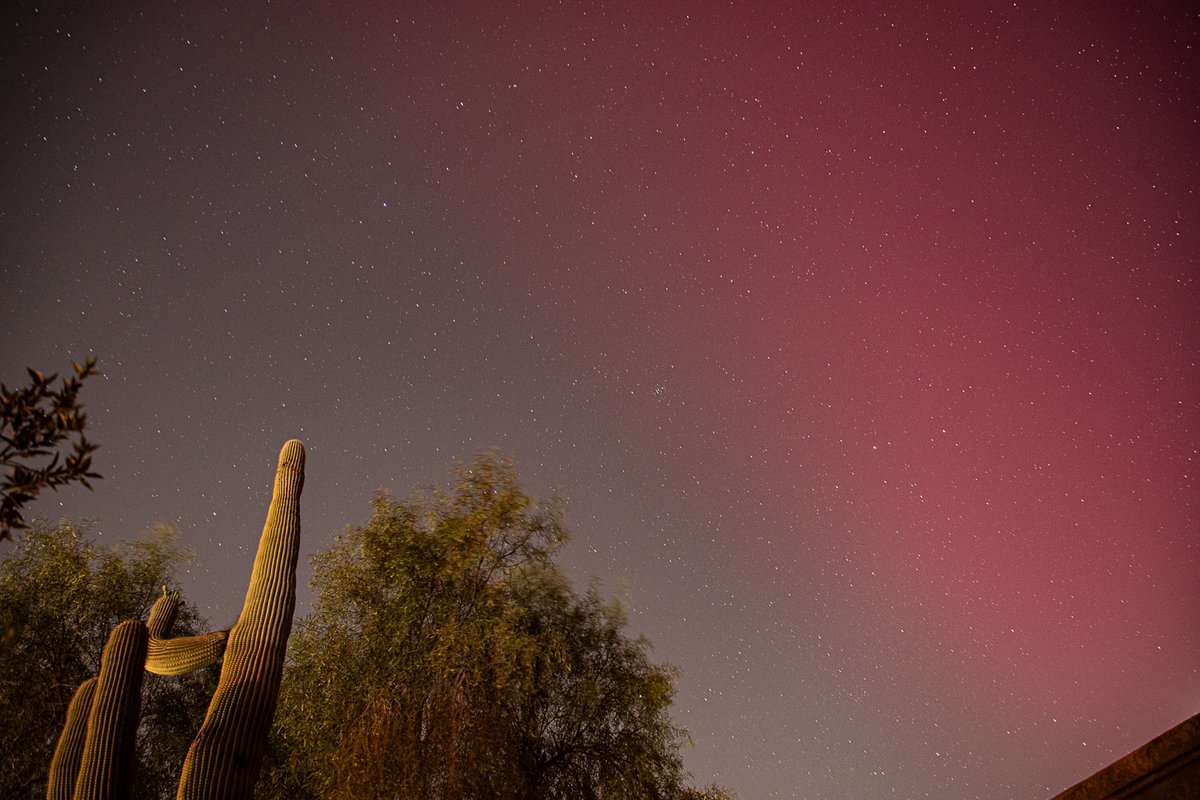
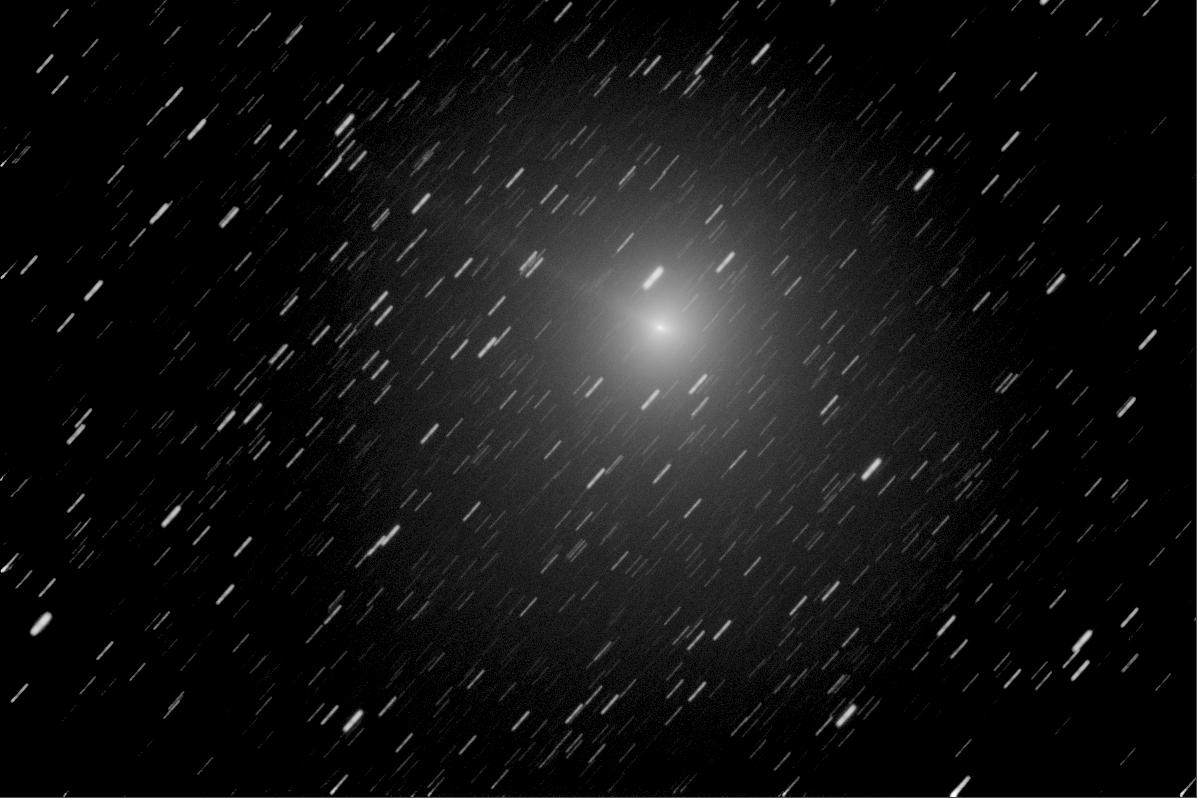
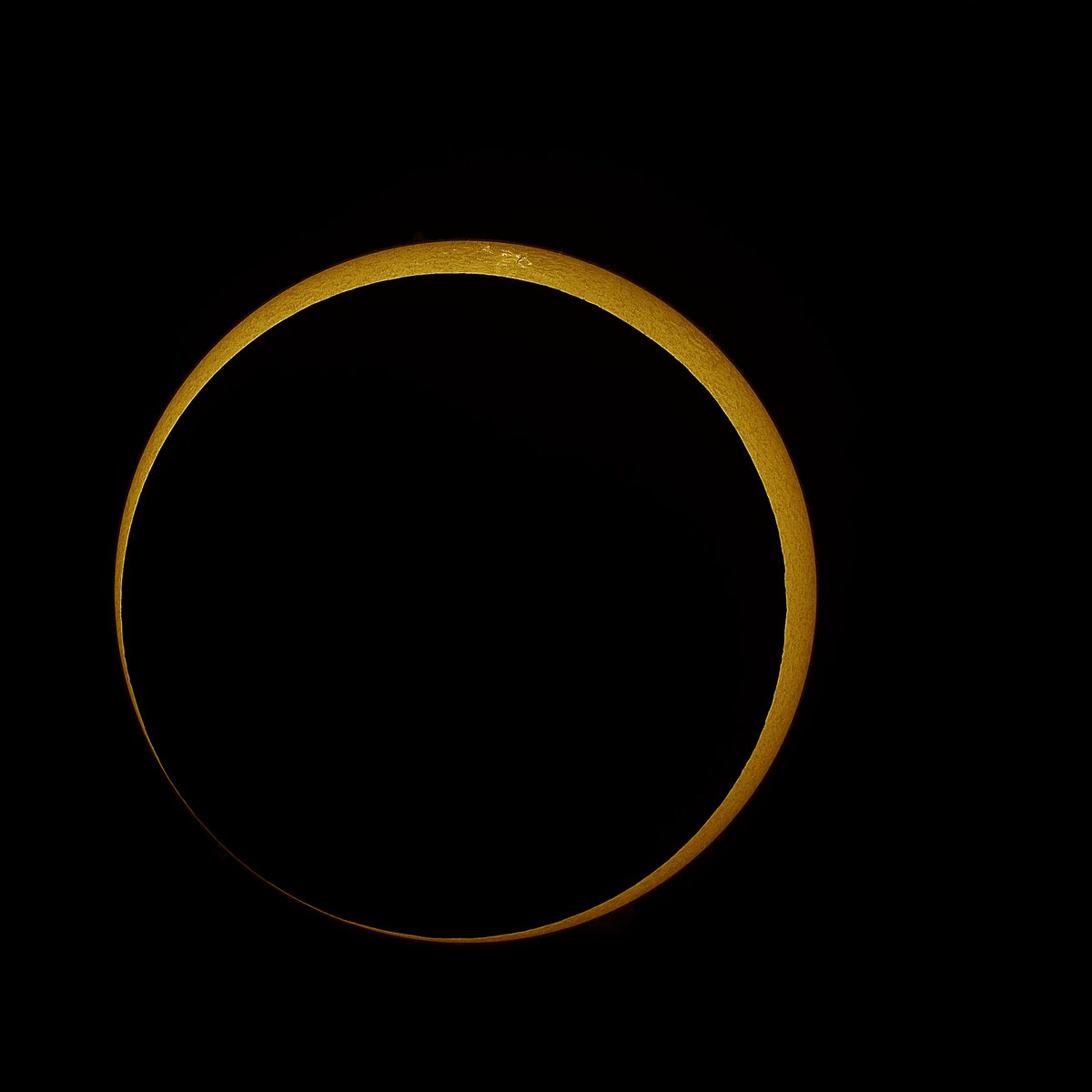
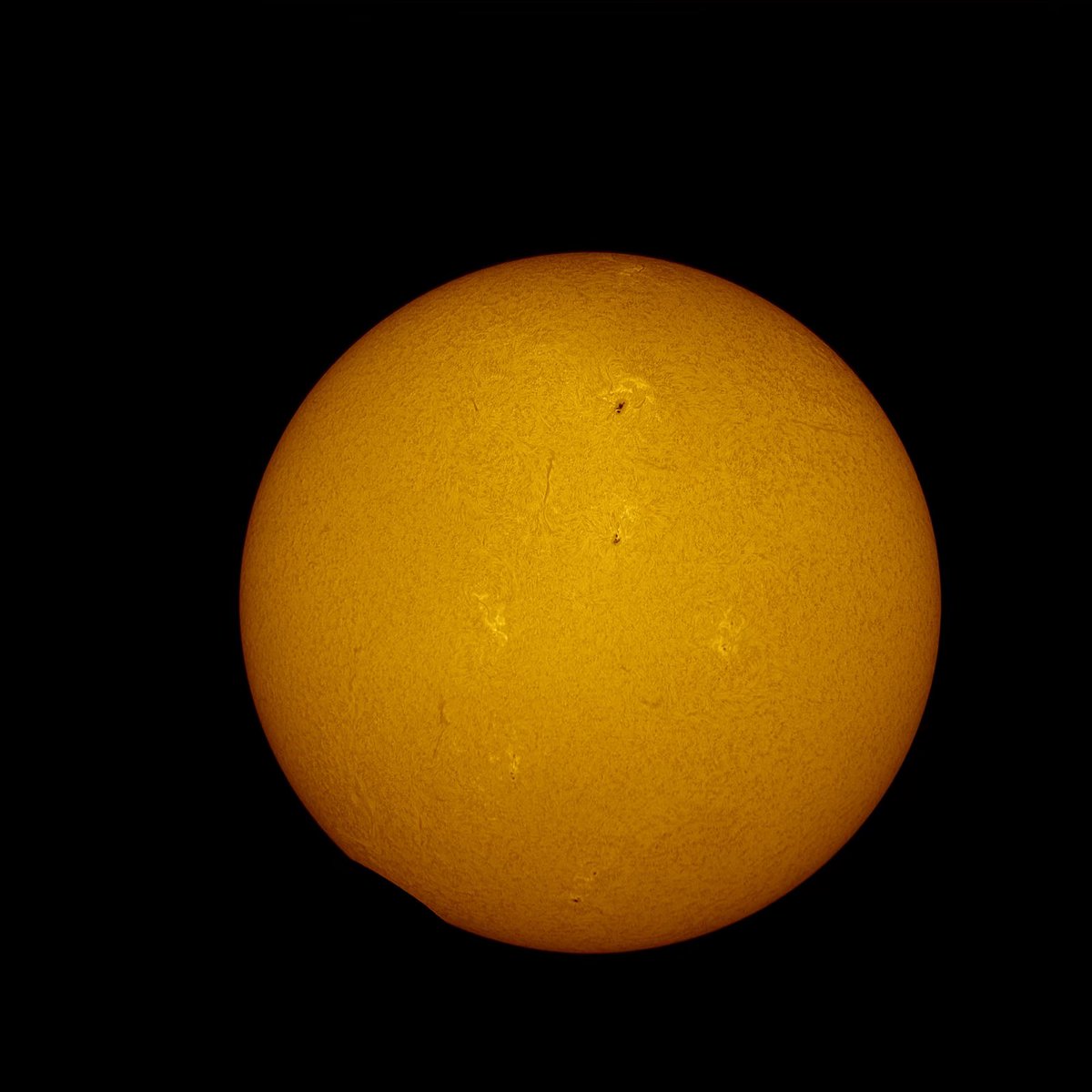
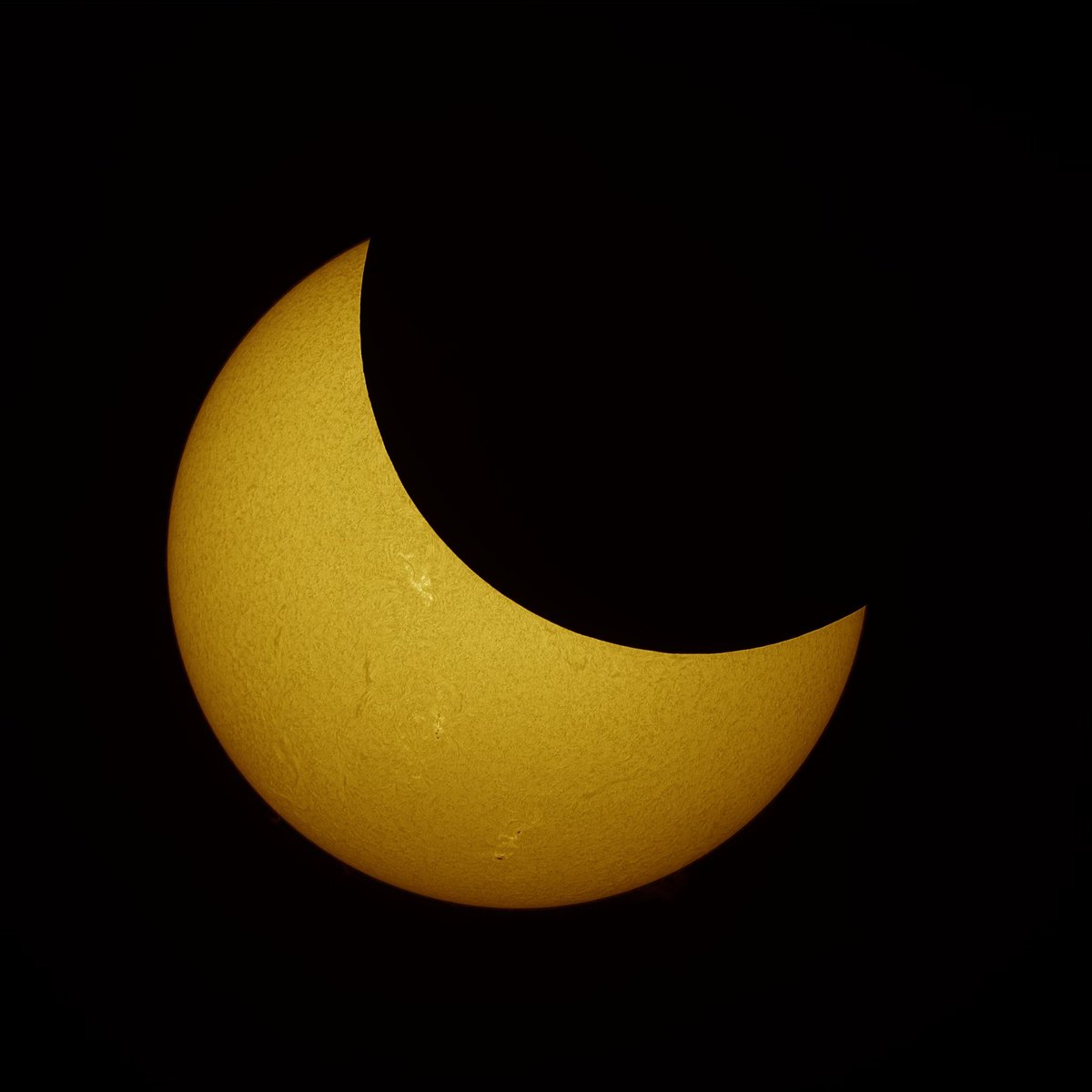
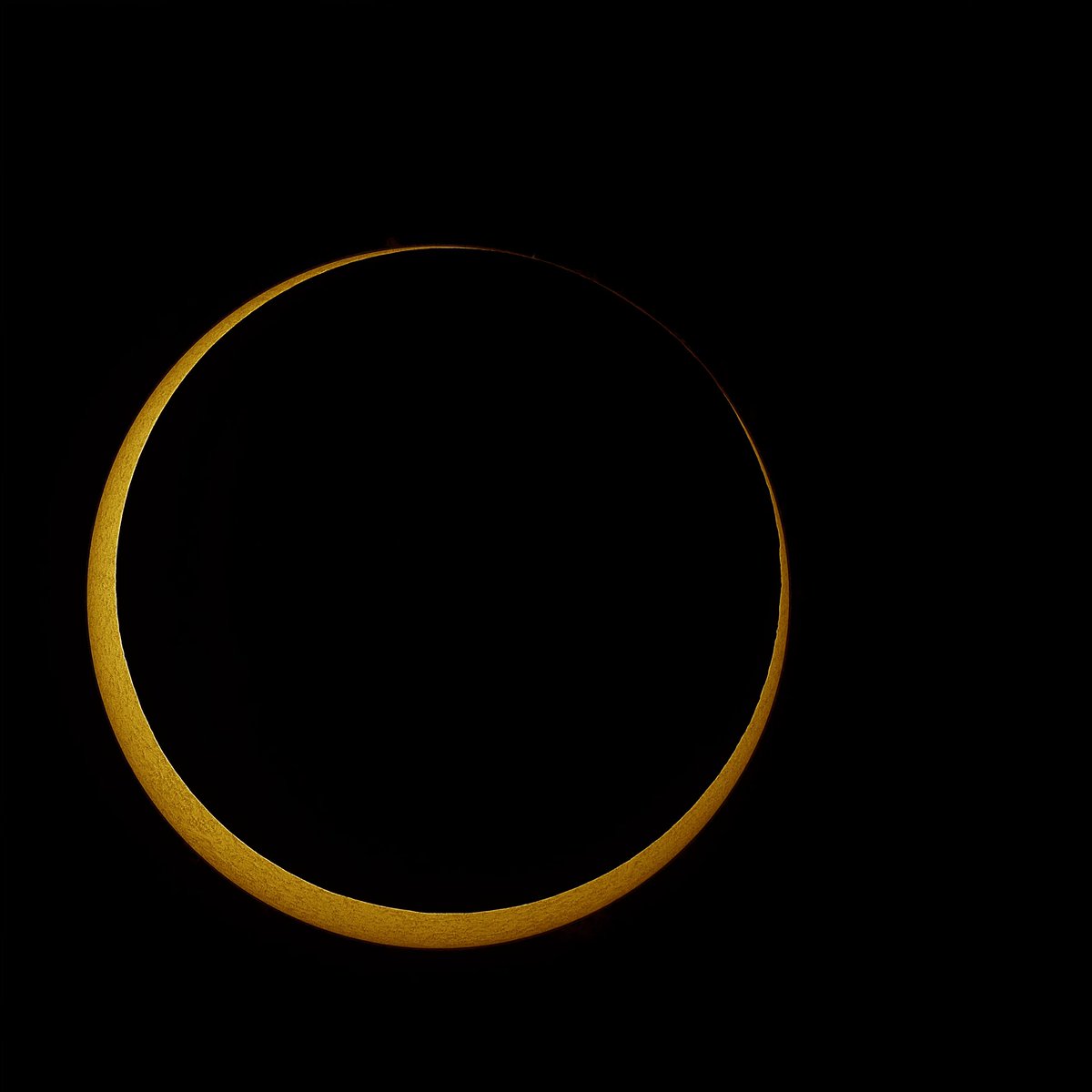
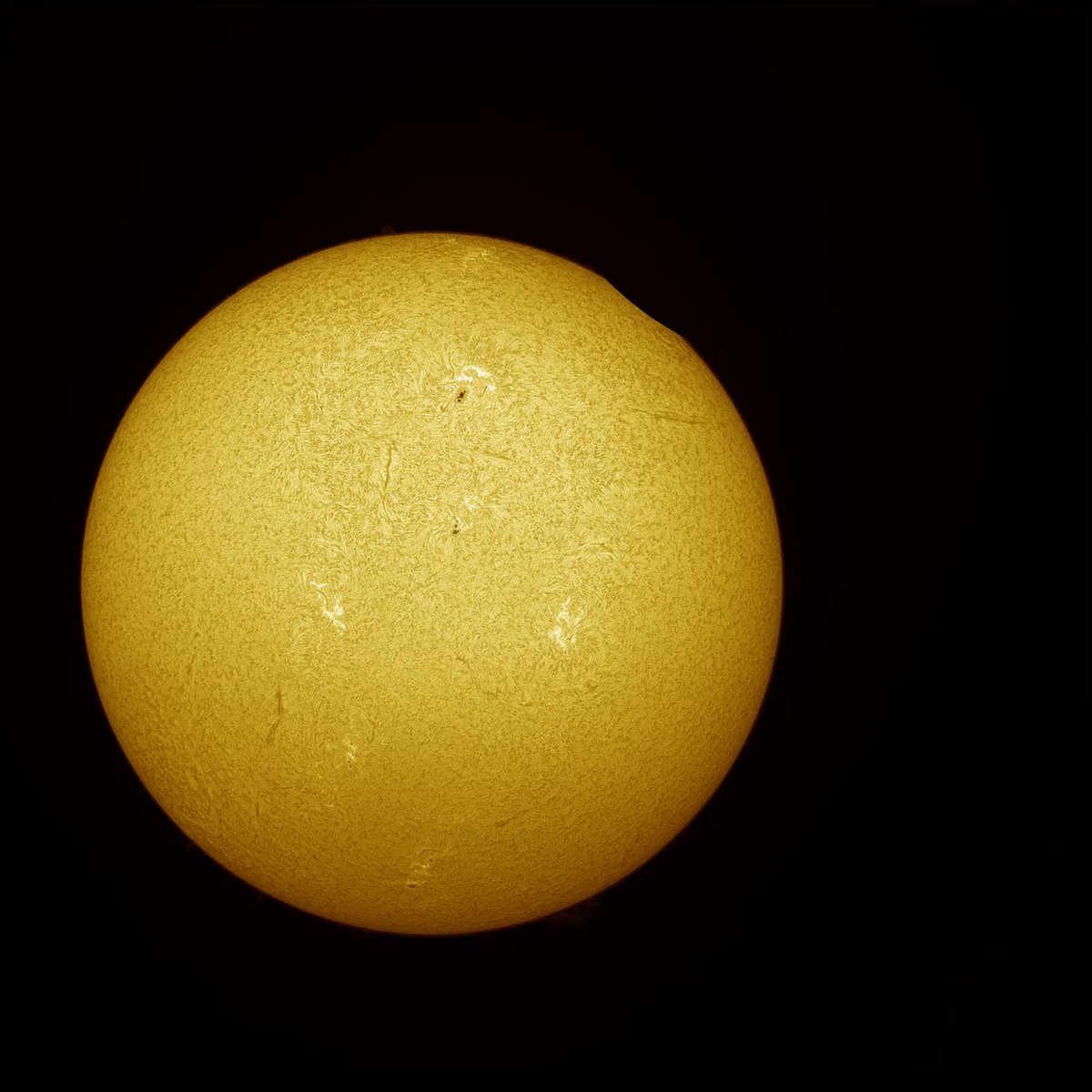
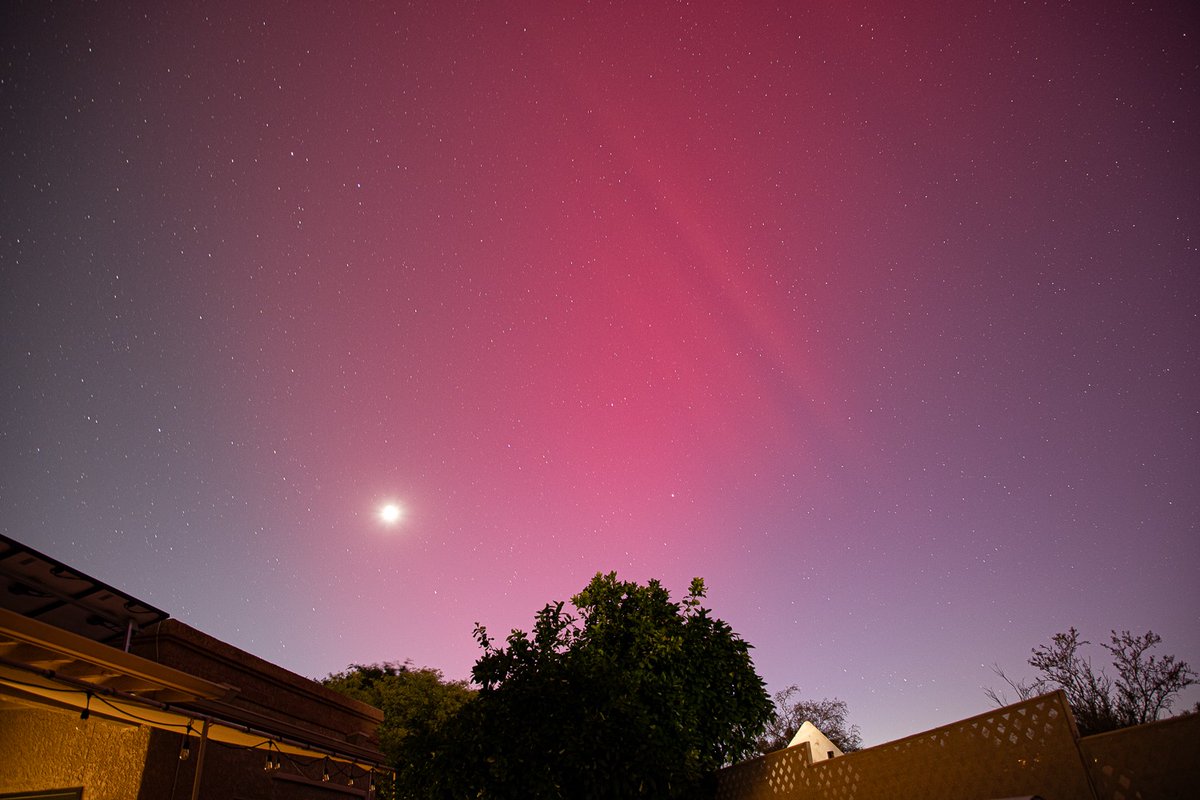
The Solar Ultraviolet Imager (#SUVI) on @NOAA's #GOESEast🛰️ has been watching a very stormy sun this week. At least 5 coronal mass ejections (#CME) have been observed by @NWSSWPC and a #SevereGeomagneticStorm is likely to impact the Earth this weekend.
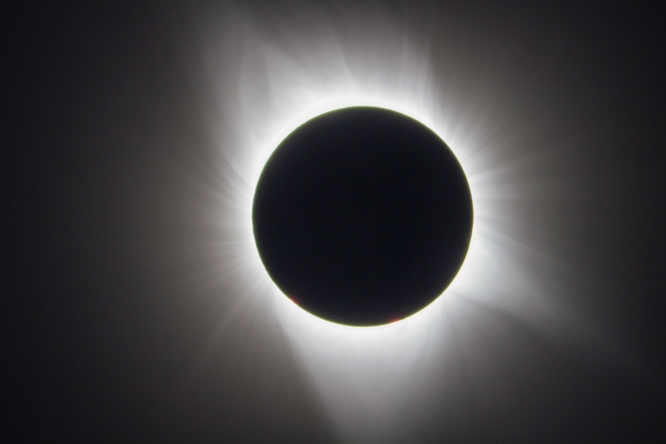
On April 8, a 100-mile-wide shadow will race toward the Pacific coast of Mexico, just below the tip of Baja California, at the speed of sound. This will mark the beginning of a highly anticipated celestial spectacle: the total solar eclipse of 2024.
https://t.co/N38iP7Txy1
Spectacular Long-duration M4 Flare Still in progress. It started at 01:30 UT and peaked at 03:15. At 03:50 UT it is still at M2 level. It definitely launched a CME that may affect Earth with a geomagnetic storm, but the region isa long way south on the Sun so could pass under us.
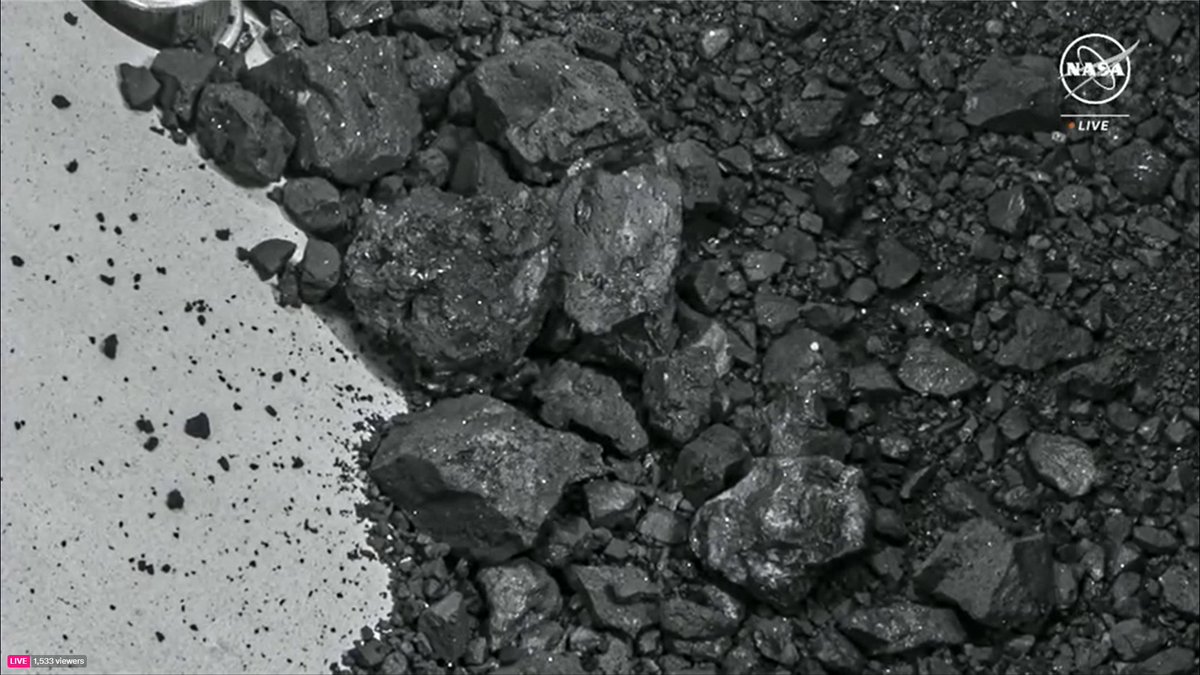
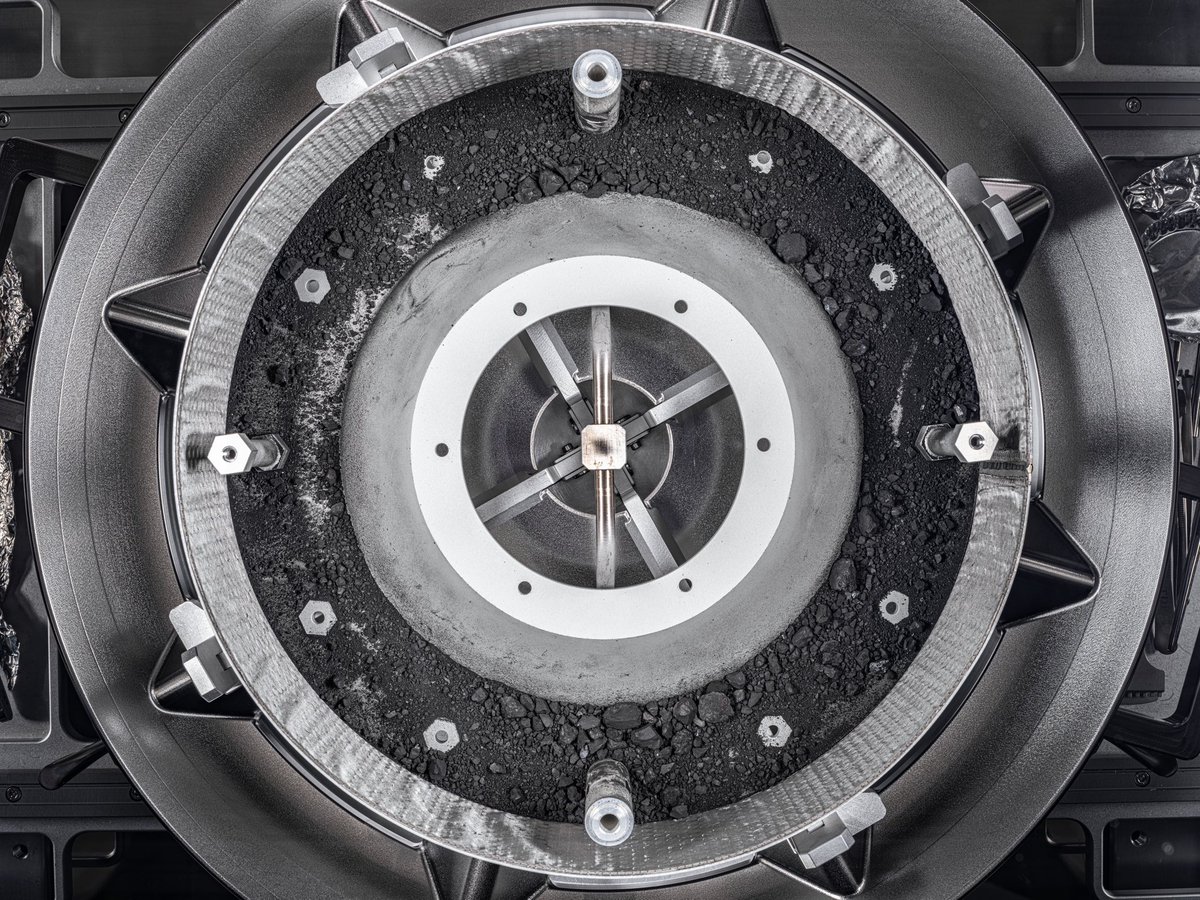
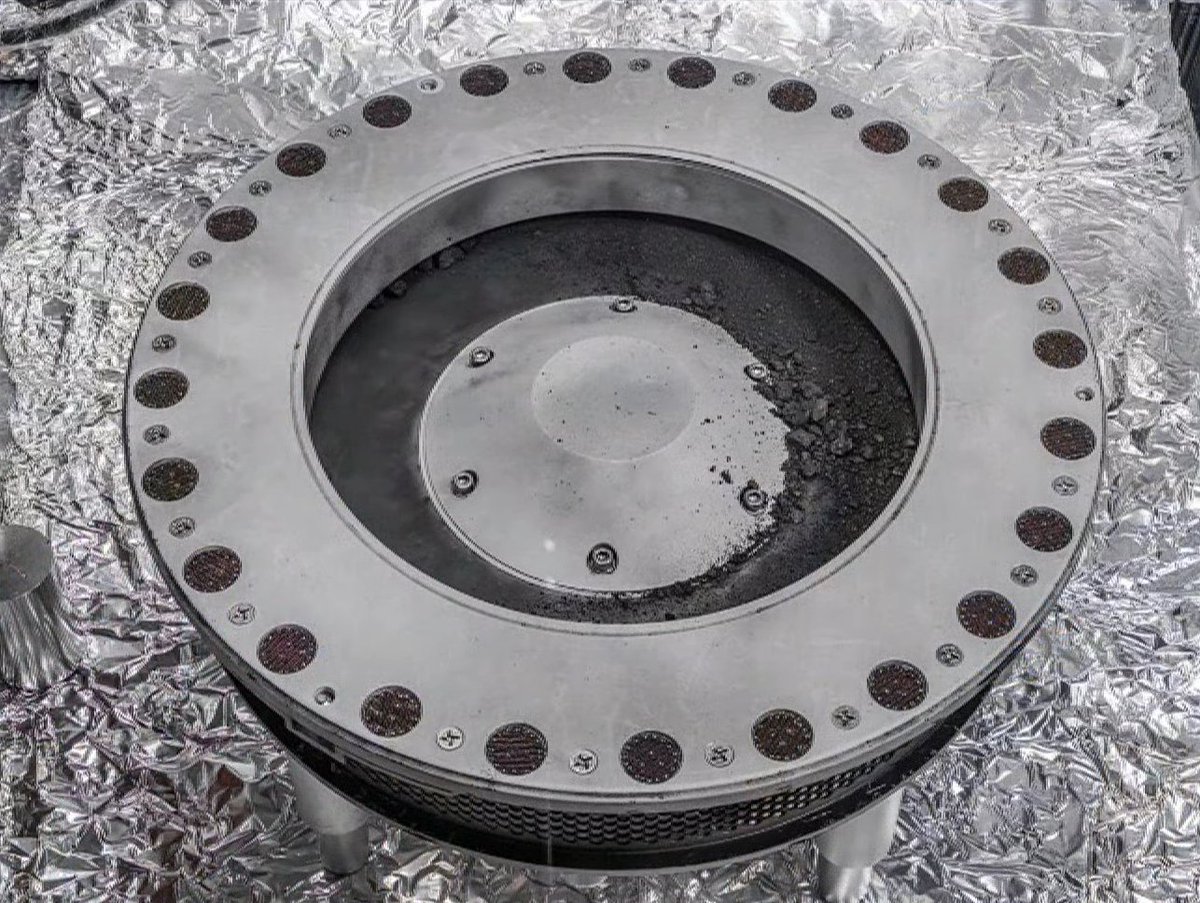
It’s open! It’s open! And ready for its closeup. After successfully removing two final fasteners on Jan. 10, members of the @astromaterials team photographed the #OSIRISREx asteroid sample with a special technique to achieve super high-res images. https://t.co/bBrfFT3FoR
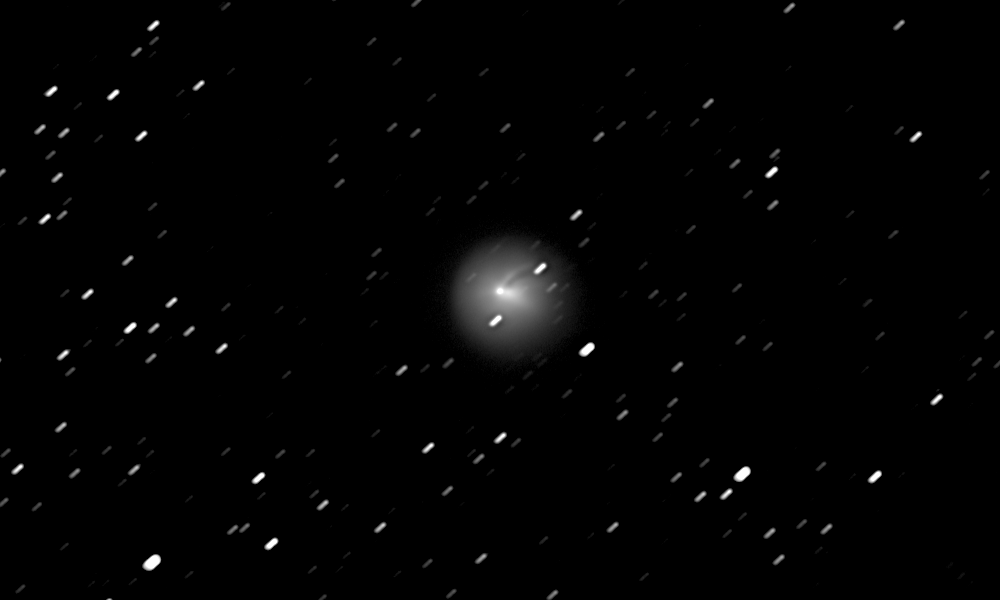
WHATEVER HAPPENED TO THAT COMET? (See earlier tweets). Best view full screen. You can see the tiny dot coming in from about 7 o'clock. It actually makes it into the high res (red) field of view of the LASCO C2 coronagraph where it is incinerated before it can make its escape. :(
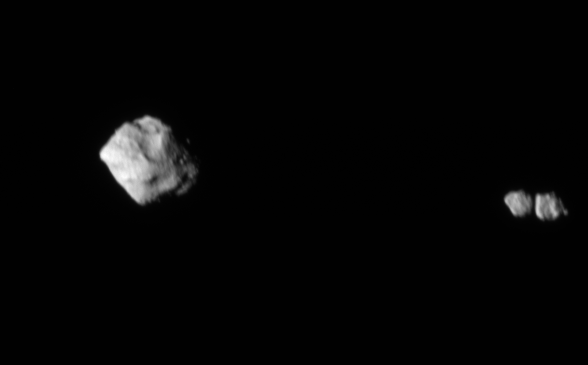
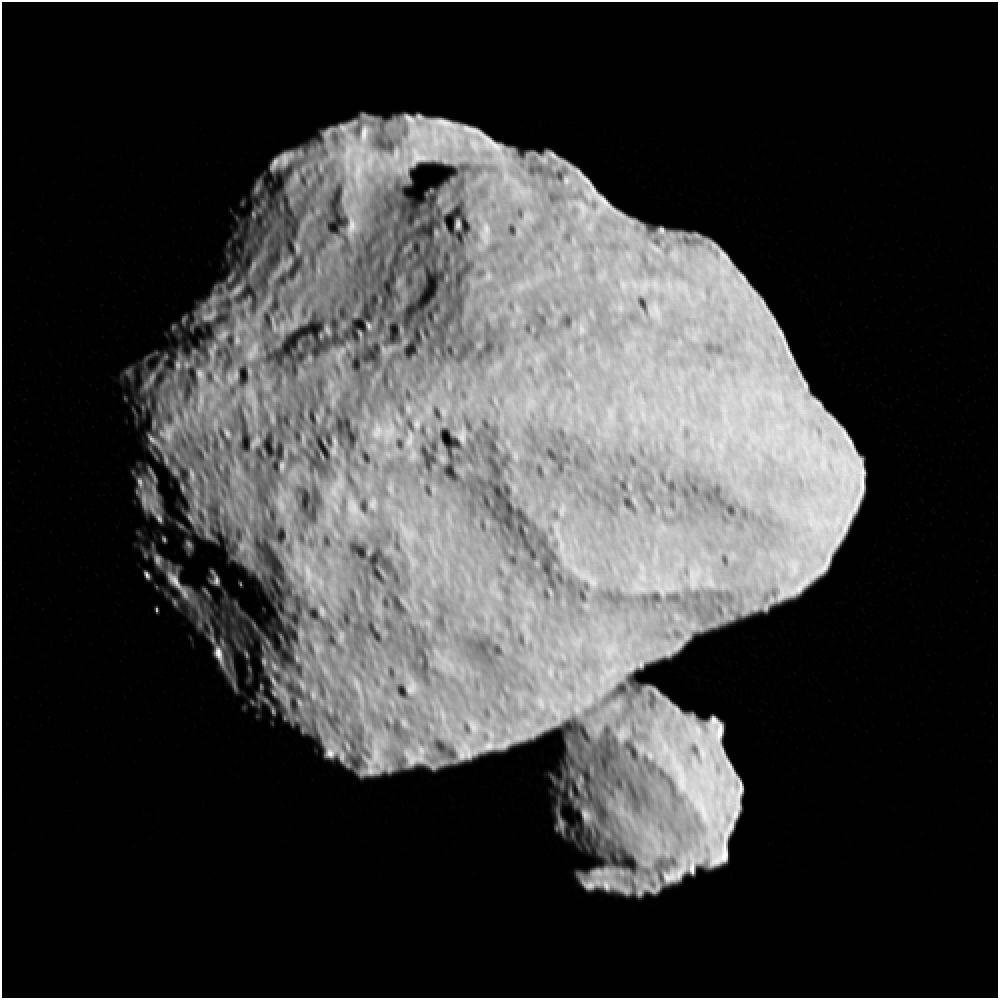
Lucy, you’ve surprised us again
New images from the #LucyMission’s first asteroid flyby show that a satellite, already unexpected, is made of two objects – a contact binary. This is the first time we’ve seen a contact binary orbiting another asteroid. https://t.co/NwQfI6k7qz
Lise Meitner, born #OnThisDay in 1878, was a physicist who made significant contributions to the field of nuclear physics. She was involved in the discovery of protactinium, a radioactive element that is produced by the decay of uranium. She also coined the term "nuclear fission" to describe the process of splitting an atomic nucleus into smaller fragments, releasing energy and neutrons. She was the first woman to become a physics professor in Germany, and she had to flee the country due to the Nazi persecution of Jews.
Meitner was nominated for the Nobel Prize in Physics and Chemistry 49 times (19 times for Chemistry and 30 times for Physics), but never won. Many people consider this a great injustice, as her colleague Otto Hahn received the Nobel Prize in Chemistry for their joint discovery of nuclear fission.
This is why we explore. Turns out that asteroid Dinkinesh is… asteroids Dinkinesh? During the #LucyMission’s first asteroid flyby on Nov. 1, we discovered that the main belt asteroid is a party of two, or binary pair! https://t.co/3aYWLvWmOw
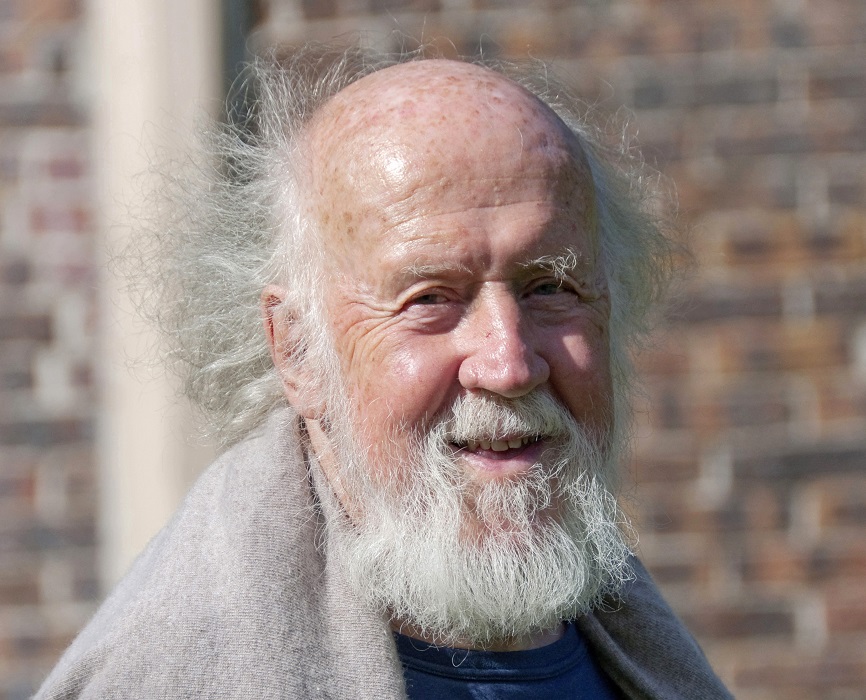
Hubert Reeves nous a quitté ce 13 octobre 2023 à l'age de 91 ans. L'astrophysicien savait mieux que quiconque raconter l'histoire de l'univers, sans jamais oublier, dans ce grand récit, la place de l'humanité... https://t.co/36deGkqZa7
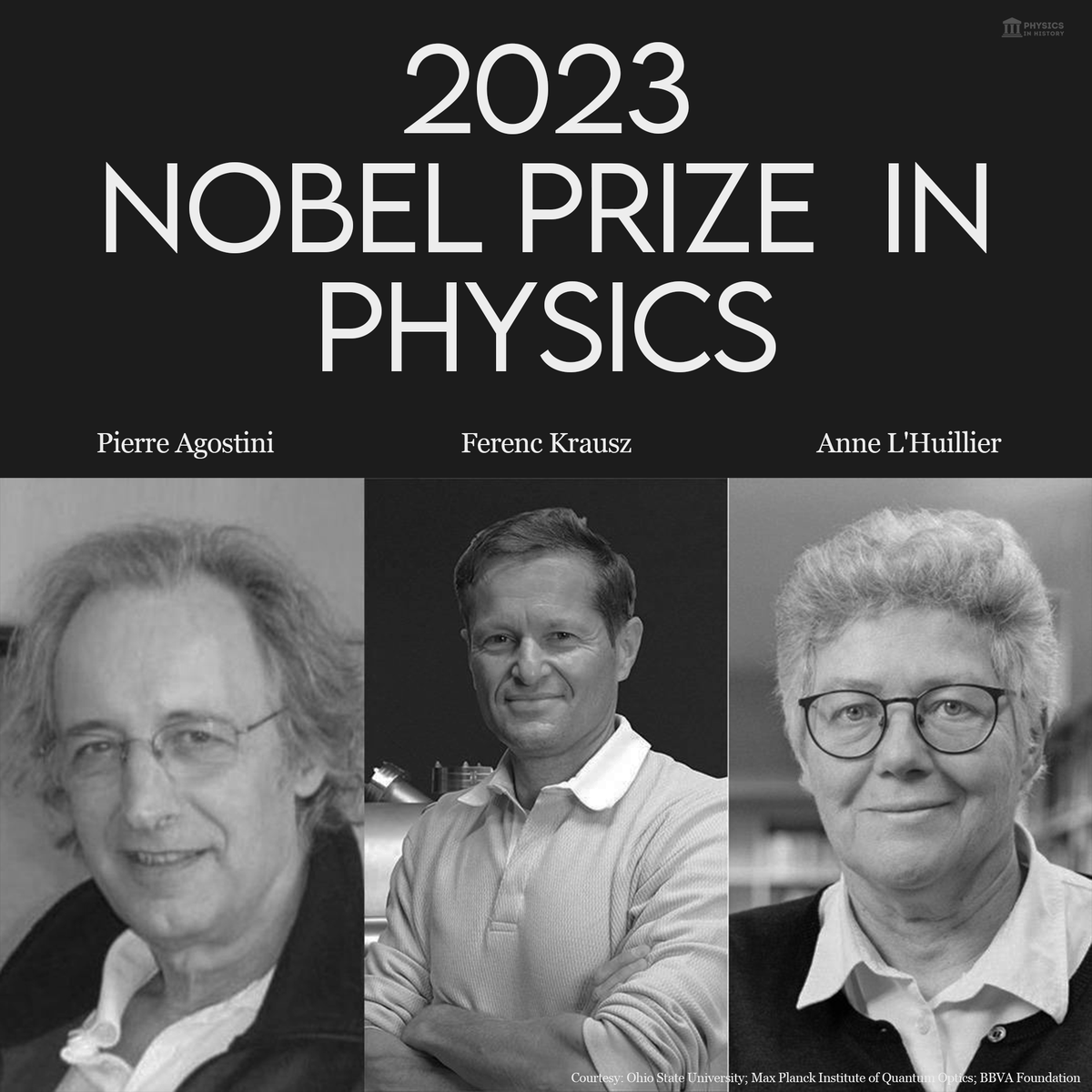
The 2023 Nobel Prize in Physics 🏅
The 2023 Nobel Prize in Physics is awarded to three scientists who developed experimental methods to generate extremely short pulses of light that can be used to study the dynamics of electrons in matter. These pulses are measured in attoseconds, which are one billionth of a billionth of a second. By using these pulses, the scientists were able to observe and manipulate the movements and interactions of electrons inside atoms and molecules, which are the building blocks of matter.
The three laureates are:
Pierre Agostini, a French physicist who works at The Ohio State University in the USA. He was the first to produce and investigate a series of consecutive light pulses, each lasting 250 attoseconds, in 2001. He used a technique called high-order harmonic generation, which involves shining intense laser light on a gas and creating overtones of light with higher frequencies and shorter wavelengths.
Ferenc Krausz, a German physicist who works at the Max Planck Institute of Quantum Optics in Germany and the Ludwig-Maximilians-Universität München. He was also working on high-order harmonic generation, but he managed to isolate a single light pulse that lasted 650 attoseconds, in 2001. He used a technique called carrier-envelope phase stabilization, which involves controlling the phase difference between the electric field and the envelope of a laser pulse.
Anne L’Huillier, a French physicist who works at Lund University in Sweden. She discovered the phenomenon of high-order harmonic generation in 1987, when she transmitted infrared laser light through a noble gas and observed many different overtones of light. She has continued to explore this phenomenon and laid the groundwork for the subsequent breakthroughs by Agostini and Krausz.
The Nobel Prize in Physics 2023 recognizes the contributions of these three scientists to the field of attosecond physics, which has opened up new possibilities for understanding and controlling the world of electrons. This could have applications in many areas, such as electronics, chemistry, biology, and medicine. For example, attosecond pulses could be used to identify different molecules, monitor chemical reactions, create new materials, or improve medical diagnostics.
Source: https://t.co/E92mg6smLo
📷Courtesy of Ohio State University, Max Planck Institute of Quantum Optics, and BBVA Foundation respectively