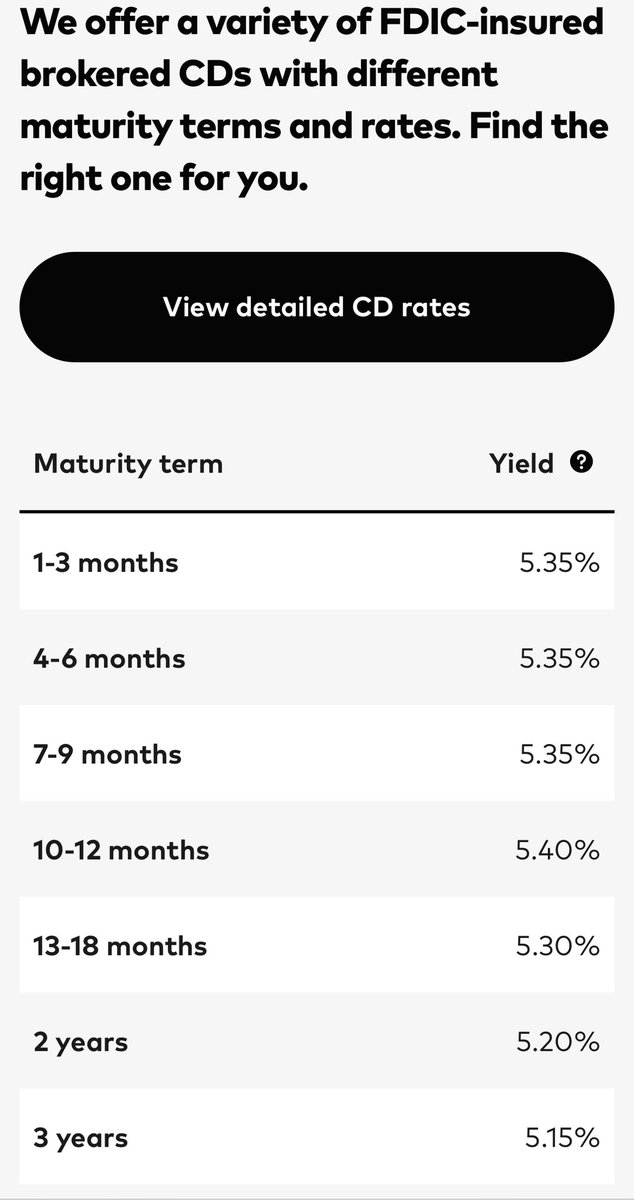
@STLChrisH depending on the business, there might be an opportunity to group cash assets into operating and excess buckets and deploy that excess into term products (CDs, short term fixed income ) and report duration, blended interest rates, etc.
@STLChrisH A few more to add:
Cash on hand: number of days the org can operate without generating cash
Cash conversion cycle: days it takes to convert cash outflows associated with production into cash inflows
Concentration: cash split across different banks to ensure biz continuity
@moseskagan And before responding, find out what the real challenge is. Here is a great video that improved my approach to communicating:
https://t.co/JdnAVLniAa
@patio11 Going to be interesting to see all this play out. Business breakdowns did a great job covering the challenges around FTX/chapter 11 process.
https://t.co/0QHlUMkTJv
@patio11 Great read! As a newer treasury practitioner, I'm still surprised at the current use of checks in US and the various bank offerings that exist to support/enhance it (lockbox, positive pay, echecks). I look forward to the next deep dive.
@chernobelskiy Thanks for the context. Sounds like poor capital/liquidity management on the GP’s part. I get that it’s not a fund but the same practices should apply. Don’t use 100% of commitments, have contingency funding in place. Also, wouldn’t the new capital impact ownership weighting?
@chernobelskiy I see, that sounds more like a debt accordion than a capital call. Curious, do you typically advise your LPs to ensure that a fund has adequate access to funding (committed/uncommitted LOC, etc).
@chernobelskiy So I’m used to seeing capital call request with mostly details around amounts (how much is due, how much has been called, etc), payment instructions and a due date. So what’s abnormal about your examples?
@chernobelskiy Interesting, I’ve only done deals where you’d typically fund x% of committed capital up front and the rest can be called at a certain schedule (expected) or based on a certain trigger (unexpected), agreed upon in the deal docs.
@chernobelskiy I’m starting to think that RE universe doesn’t use the financial terminology correctly. In traditional finance, capital call means asking investors/LPs to fund a portion/remainder of their commitment (there is a typically a schedule). What you’re describing is almost a new round
@chernobelskiy I agree that the airbnb/STR market is not large enough to cause any system issues but the segment did get a bit too frothy in some regions. Here is a good article on lenders underwriting based on per night rate to folks who wouldn't otherwise qualify.
https://t.co/LGwPCptJHH
@chernobelskiy You’d been surprised how many large institutions, corporations rely on excel for FPNA/budget planning process. Luckily for most, they won’t make the news for hard coding a number.
@EllliotttB@chernobelskiy@moseskagan Agreed. The NAV lending space has been fairly active for larger players. Was just reading about PE tranching, the fund will finance up to a certain threshold of PE portfolio's NAV and reslice it into preferred and common equity.
https://t.co/t6gW1kYG6j
@patio11 Thanks for sharing! Its still surprising to me that there aren’t any solid TMS’s with quality UI/UX that can support needs of f500 firms. Had to send the Mercury demo to my systems team as an example of a great end user interface.