New research estimates the cost of recovering Australia’s threatened species to be a whopping AU$583B per year for at least 30 years.
While the figure isn’t proposed as a realistic budget for biodiversity conservation, it highlights the sheer scale of work to be done.
@ConversationEDU@april_reside @UQscience
https://t.co/1RL4x4SY3L
Karajarri and Ngurrara rangers are combining traditional knowledge with modern technology and science to refine their fire management strategies in northwestern Australia’s Great Sandy Desert.
Collaborating with Biodiversity Council member Professor Sarah Legge, Karajarri and Ngurrara rangers found that a traditional patchwork burning approach retained a variety of suitable habitats to support the mammal and reptile species that call the desert home, while reducing fire size by 40-52%.
@ConversationEDU
https://t.co/DixCqqZ2uT.
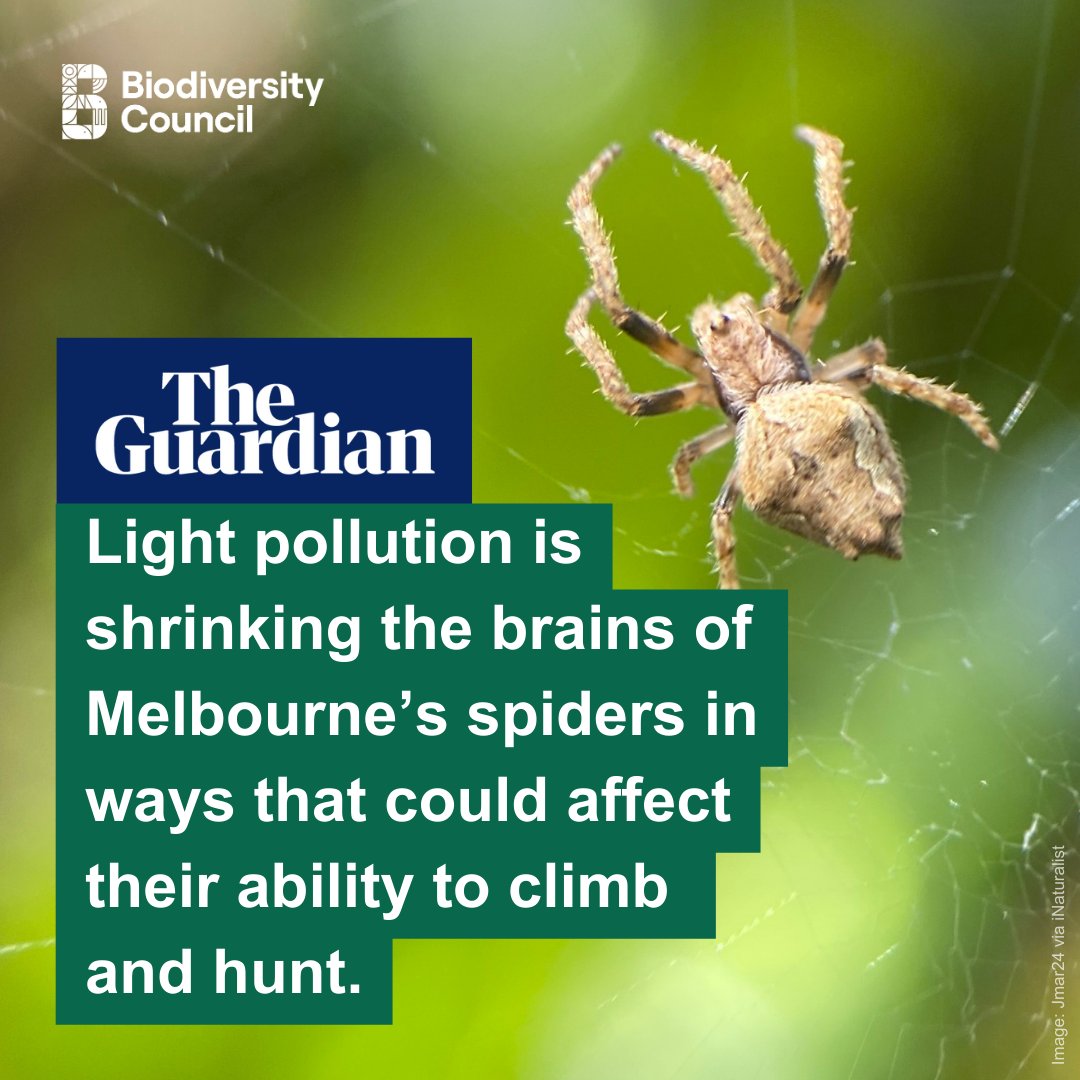
In a global first @UniMelb researchers @arachnik & co have examined the brains of invertebrates using micro CT scanners and found light pollution reduced the development of spiders' brains in areas that could impact foraging and navigation. https://t.co/gFJiPq5zXw
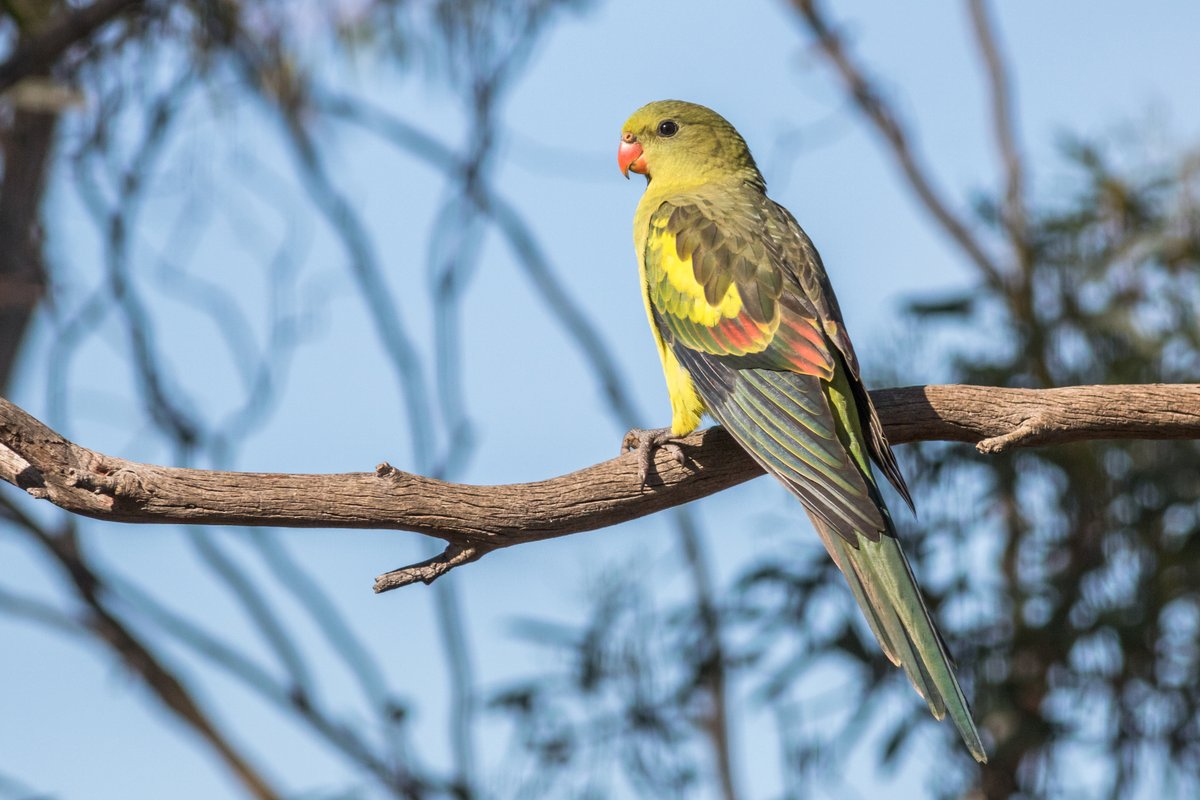
We’re happy to announce that the Resilient Landscapes Hub is supporting 13 new research projects! 🦜🌱🐟
We’re researching threatened species and ecosystems, invasive species, climate change impacts and more.
https://t.co/C1a9NNuROQ
New wound care behavior in ants! Here we show how ants amputate the leg of injured conspecifics (a first in the animal kingdom)! Interestingly, amputations are not always the best strategy to care for a wound and ants have adapted their treatment accordingly. A 🧵... (1/6)
After a year of back and forth, EU environment ministers agreed on Monday to green-light the EU's Nature Restoration Law.
Read more on @CarbonPulse
https://t.co/YAjsGHGr1p
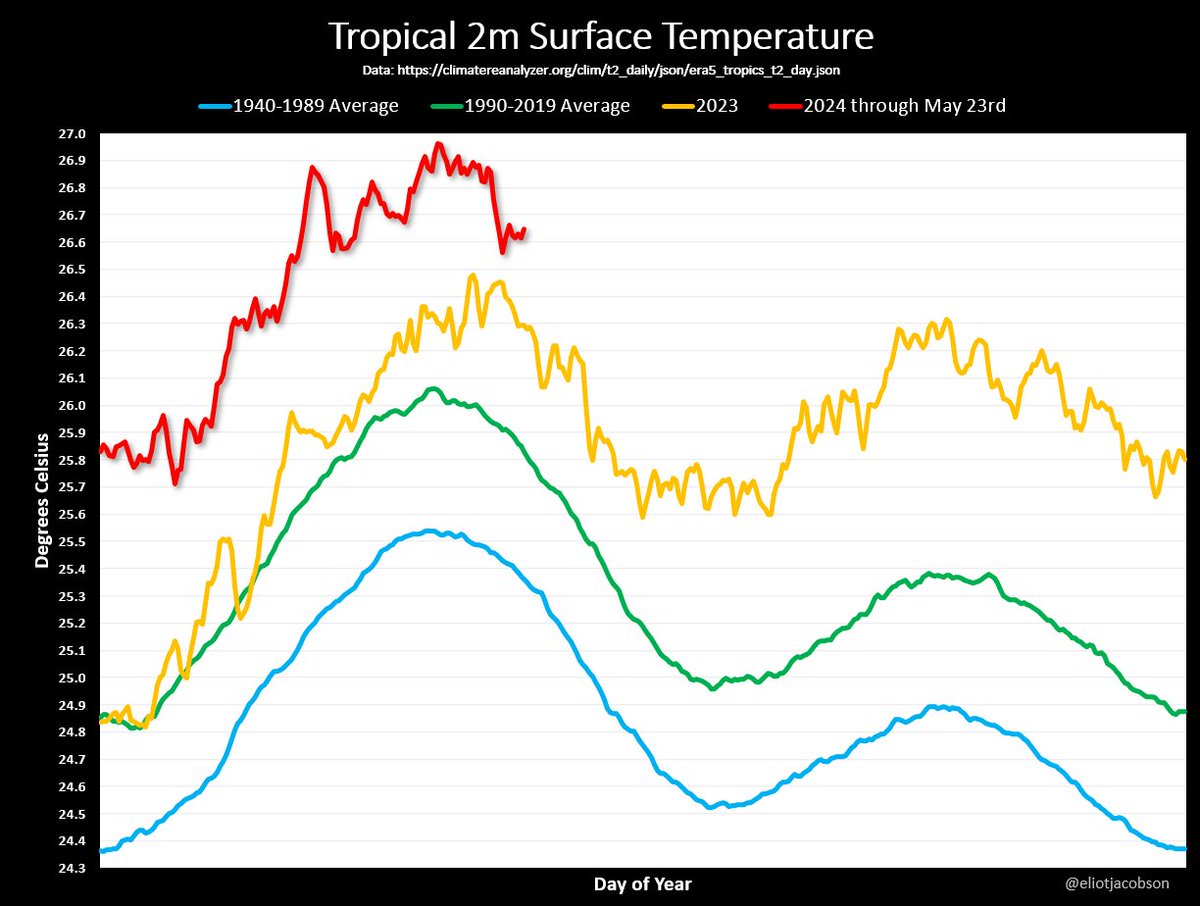
For those not following what's happening in the Tropics this year, I made the graph below to make the record breaking surface temperatures as clear as possible:
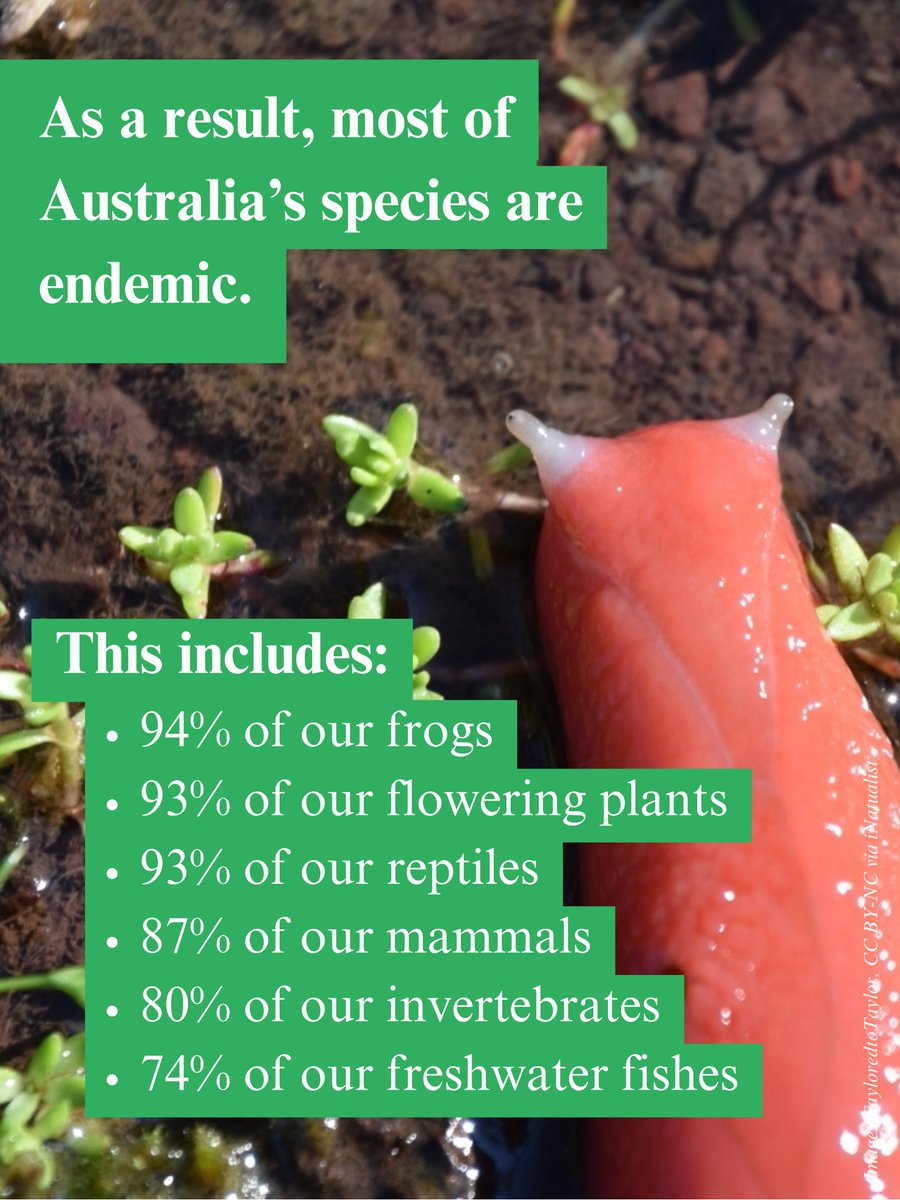
Did you know - Australia has more endemic species than any other country? Today is #Biodiversityday and we’re celebrating Australia’s rich array of unique species and ecosystems 👇🏽👇🏽👇🏽 #fornature#partoftheplan
@AwareSuper @LGIM @Allianz@CalPERS The chair claims Woodside is committed to conducting their business sustainably, including responding to climate change, before listing off the very large new fossil gas projects Woodside intends to build. The Burrup Hub would be the largest gas hub in the Southern Hemisphere.
57 companies are directly linked to 80% of the world’s greenhouse gas emissions since 2016 according to a new study from @rickheede and co. at the Climate Accountability Institute.
1/3
https://t.co/BAXPtREpFM
Good news about a threatened species!
Grey-headed flying-fox population is stable – 10 years of monitoring reveals this threatened species is doing well https://t.co/JoKApaWyXa
Mass mortality currently unfolding in the northern Great Barrier Reef. This isn’t an isolated site: an entire 8km long fore-reef flank that three months ago was >80% coral cover. After 6 DHW >90% of these colonies are either bleached or dead.
The @IUCNRedList is a critical indicator of the health of the world’s #biodiversity and a powerful tool to help implement the Global Biodiversity Framework.
https://t.co/O38jSnM4Ao
#KMGBF
Here’s the accumulate heat stress in corals at World Heritage-listed Lord Howe island- the world’s most southerly coral reef. Black line is this year so far, compared to all other years going back to 1985. Data from @CoralReefWatch Story here. https://t.co/moQq3YZy0f
Does biodiversity offsetting work?
🎺New paper 🎺 in @GlobalChangeBio: we evaluate outcomes of one of world’s oldest offset systems in Victoria (Australia).
TLDR: hard to tell (data limitations). But looks like there were serious additionality issues.
https://t.co/QzkTxCh5u8