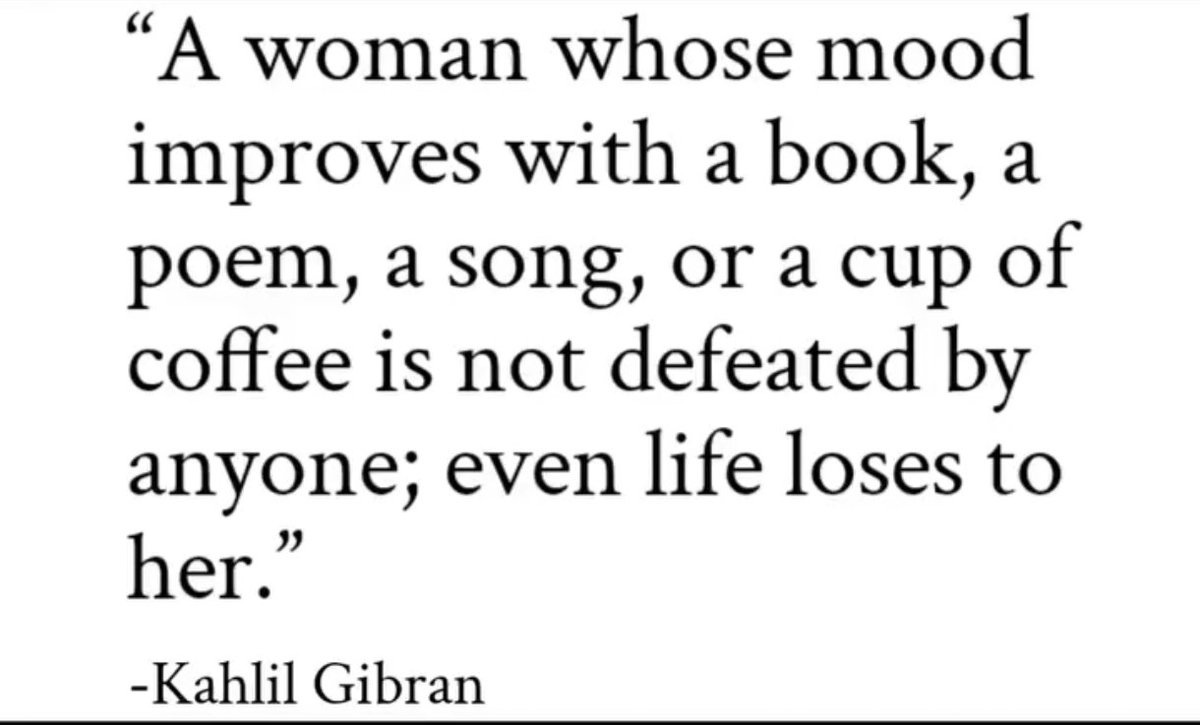
Kahlil Gibran explored love, freedom, sorrow, beauty, spirituality, and the tension between human attachment and the need to remain an individual. In works such as The Prophet, The Madman, and Sand and Foam, he often expressed philosophical ideas through short poetic reflections, parables, and symbolic characters. His writing frequently treats love not as possession but as a relationship in which two people can remain connected without completely consuming one another. Alongside love, he returned to work, joy, pain, friendship, and death as interconnected parts of human experience rather than separate conditions.
Gibran was also deeply influenced by Christian mysticism, Lebanese heritage, Romanticism, and wider Eastern and Western spiritual traditions. His philosophy often moves through paradox: sorrow can deepen joy, solitude can reveal intimacy, and freedom can exist alongside responsibility. Rather than presenting spirituality as a system of rigid doctrines, he used poetic language to explore the individual's relationship with the divine, nature, and other people. His enduring appeal comes partly from this simplicity: beneath the symbolism, he kept returning to the possibility of living with greater tenderness, awareness, and freedom.
🚨 Yüzüklerin Efendisi'nin yeni filmi The Hunt for Gollum'un setinden ilk görseller yayınlandı!
Shire'da yer alan ve Hobbitleri içeren görseller arasında en çok göze çarpanı Çıkın Çıkmazı'na giren Frodo Baggins.
Yeni bir ülke bulamazsın, başka bir deniz bulamazsın.
Ömrünü nasıl tükettiysen burada, bu köşecikte,
Öyle tükettin demektir bütün yeryüzünde de.
konstantinos kavafis
“I’m almost never serious, and I’m
always too serious. Too deep, too
shallow. Too sensitive. Too cold
hearted. I’m like a collection of
paradoxes.”
— Ferdinand De Saussure
dostoyevski, belki de farkında olmadan, çoğumuzun bir ömür aradığı şeyi anlatmış: “kendimle konuşur gibi, en azından bir kişiyle her şey hakkında konuşabilmek istiyorum.’