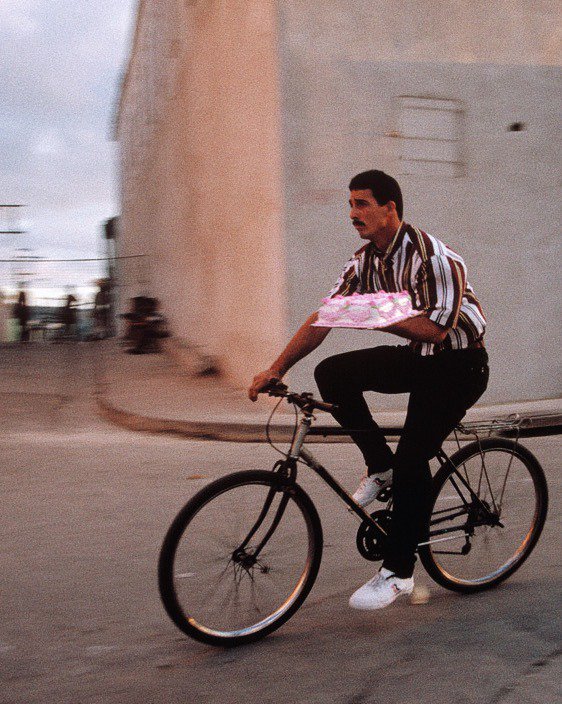
Dil wale dulhaniya le jayenge is running in Maratha Mandir (a single screen theatre near Bombay Central station) since 1995. It runs as a morning show 9:30 AM.
The darker fact is that most of its 'patrons' are taxi drivers/workmen who works in raat-paali (night shift)
++
living in delhi has made me realise that the city could have been a truly beautiful place to inhabit were it not consumed by relentless corporatisation and privatisation. a few days ago i was wandering through JNU and it felt like stepping into an entirely different imagination-
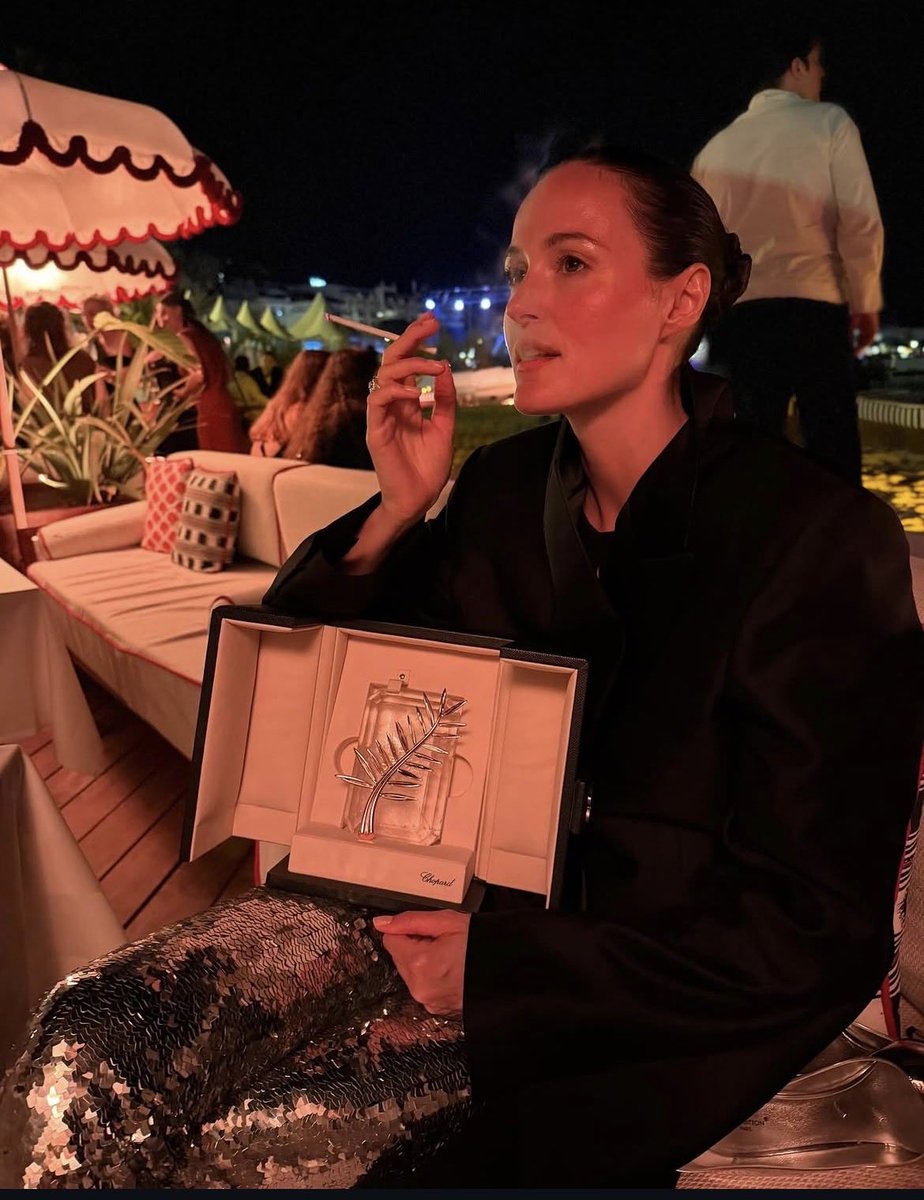
Park Chan-wook gets the biggest laugh in #cannes jury press conference: “To be completely honest, I didn't want to award the Palme d'Or to any of the films because it's an award that I myself have never gotten. [LONG PAUSE, LEANS INTO MIC] But I had no other choice.”
When Werner Herzog said the best film school is to learn how to do carpentry or pick a lock, art school brained cinephiles thought it was a sphinxian riddle. When he clarified that you can learn how to work a camera in one day but need to learn about life they all felt wounded.
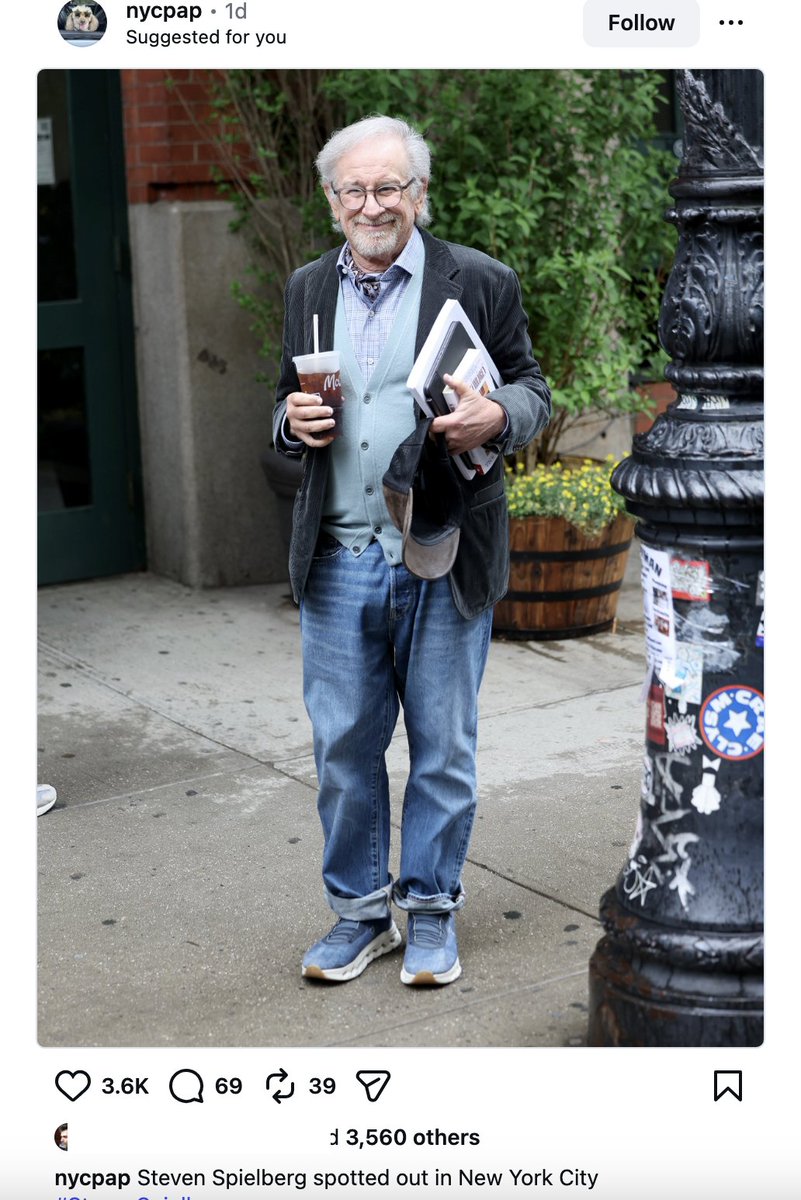
this is one of the jolliest, most benevolent paparazzi photos I have ever seen in my life - Spielberg somehow just emanating pure concentrated good vibes
Three of the people who made this film died of the same cancer: the director, his wife, and one of the lead actors. All three had been on the same set.
Stalker was shot on a river in Estonia. Just upstream from the set, a working chemical plant was dumping poison straight into the water. That white foam you sometimes spot drifting past on screen is the actual pollution.
The first death came in 1982. Anatoly Solonitsyn, who plays the Writer in the film, died of lung cancer at age 47. Tarkovsky was next. He died of the same cancer in Paris in December 1986, age 54. His wife Larisa, who was also the film's assistant director, died of it in 1998. The sound designer Vladimir Sharun, who was on the same set and survived, has been saying since 2001 that the river killed them. No medical study has ever proved that. But three of the same lung cancer from one crew is hard to wave off as bad luck.
Tarkovsky shot the entire film once in 1977. Took him a whole year. When the Soviet lab developed the footage, it came back ruined. A year of work, gone. He had a heart attack. The Soviet film board wanted to shut the project down right there.
So he tried something. He told the board he was making a two-part film. They gave him more money. He fired his cameraman, brought in a new one, and reshot the entire film from June to November 1978.
Stalker is based on a novel by two brothers, Arkady and Boris Strugatsky. They had also written the script. Tarkovsky put them through nine rewrites of it. The original location was supposed to be in Tajikistan, but a 1976 earthquake destroyed the area and forced the whole production to move to Estonia.
Stalker came out in May 1979. In the film, the "Zone" is a contaminated wasteland around a fourth bunker, with a wish-granting room hidden somewhere inside. Seven years later, Reactor Four at Chernobyl exploded. The contaminated land around the real reactor became known as the Zone of Exclusion. Today, the people who illegally smuggle tourists into Chernobyl still call themselves stalkers, named after the film.
Stalker is now considered one of the greatest films ever. The shot you are looking at right now is from a movie that, according to the people who made it, took the lives of the director, his wife, and the actor who plays the Writer.
Akira Kurosawa recounting the unforgettable experience of watching Solaris with Andrei Tarkovsky:
“Andrei Tarkovsky was sitting in the corner of the screening room watching Solaris with me, but he got up as soon as the film was over and looked at me with a shy smile. I said to him, ‘It’s very good. It’s a frightening movie.’ He seemed embarrassed but smiled happily. Then the two of us went to a film union restaurant and toasted with vodka. Tarkovsky, who does not usually drink, got completely drunk and cut off the speakers at the restaurant, then began singing the theme of Seven Samurai at the top of his voice. I joined in, eager to keep up. At that moment, I was very happy to be on Earth.”
I don't think so,
So why did Gaurav Gogoi lose? Why did Kunki Chowdhury lose? How did a former Congress leader—who had no prior presence in the Dispur constituency-go on to win on a BJP ticket? And how is it that a candidate associated with the Congress can secure victory after contesting under the BJP banner?