I am a member of the Norwegian Nobel Committee.
There are five of us. Five people, appointed by a parliament most of the planet could not find on a map, who decide, once a year, which human being the world has agreed to call good.
I know. I know. I think about it on the tram.
We meet in a building on Henrik Ibsens gate, a street named after a man who wrote almost exclusively about people discovering they are frauds, which nobody on the committee finds funny except me. There is a room with a long table and the portraits of the dead laureates looking down, Mandela, the Dalai Lama, a great many earnest men in spectacles, and one portrait we do not discuss, which is Kissinger, 1973, awarded while the bombs were still falling, after which two of our predecessors resigned and the satirist Tom Lehrer said political satire was now obsolete. We keep him on the wall. A reminder. Every family has the uncle.
It is October in Oslo, which means the sun gives up around four in the afternoon like a civil servant, and it rains the particular Norwegian rain that isn’t quite falling, just hanging there, judging you. I arrive with wet shoes. I always arrive with wet shoes. There is coffee, because this is Norway and there is always coffee, we drink more of it per person than almost anyone alive, and someone’s wife has sent kanelboller, the cinnamon buns, and we sit, five Norwegians, damp, caffeinated, sugared, and we decide the moral standing of the entire species.
Let me tell you how it actually works, because the world imagines a cathedral and it is, I promise you, a book club with a mandate.
287 nominations this year. 208 people, 79 organizations. Anyone can nominate, that’s the secret nobody understands: a professor, a parliamentarian, a former laureate, so the “nominee” list is meaningless, it’s a suggestion box, and every autumn some congressman nominates his own golden retriever and the press writes “SHORTLISTED.” Nobody is shortlisted. There is no short list the public ever sees. There is us, and the coffee, and the rain, and the portraits, and a Norwegian stubbornness that is older than the prize itself.
We read reports. The institute’s advisers write them, thick dull documents, and we argue. Our chairman told the BBC once that in the final meeting “there is a high temperature.” High temperature, for a Norwegian, means someone slightly raised an eyebrow and then apologized for it. We don’t do high temperature. We do a long silence, and then Kristin says “well,” and everyone knows exactly what “well” meant, and it’s settled. That’s our shouting. “Well.” You’d have to be raised here to hear the violence in it.
Now. This year. I will not say the name, because we never say the name, but you know the name.
A certain head of state wanted this prize the way a child wants a thing in a shop window, which is to say loudly, and in public, and with the full belief that wanting it was itself the argument. He said he deserved it. He said he’d ended eight wars, a number that grew most times he said it, like a fish. He had other heads of state phone us. Israel’s prime minister posted it on the internet, “Give him the Nobel.” The leaders of Cambodia and Pakistan announced they’d nominated him, as though announcing it were part of it, as though we tally mentions. A man flew around the globe collecting endorsements for a Norwegian committee the way you’d collect signatures for a petition to the council about a noisy dog.
And here, uff da, is the detail I treasure, the one that makes me smile into my coffee. The nomination deadline is the 31st of January. He took office on the 20th. So for all the phone calls, all the posts, all the gilded lobbying, the only nominations that could possibly count for this year’s prize were filed in the first eleven days of his term, before he had, by his own arithmetic, ended a single one of the eight wars. He campaigned all year for a prize whose window had shut while he was still hanging up his coat. We didn’t have to reject him. The calendar did. We just watched. Norwegians are very good at watching. We have long winters.
People think we sit there weighing his deeds. We don’t. That’s the thing I can’t make the world understand. We’re not grading his homework. We don’t owe anyone the prize for a ceasefire, however real, however loud the announcement. “He made peace” is not a sentence that ends in a medal, the way he believes it does, the way he believes every good thing ends in his name on it. The will of a dead Swede says the prize goes to whoever did the most for fraternity between nations. A dead Swede, I should add, who made his entire fortune inventing dynamite and selling arms, and spent his last years horrified at his own obituary, which called him a merchant of death, and so bought his way to immortality as a man of peace. The whole prize is one guilty arms dealer’s attempt to launder his name. We are, all of us, administering a dead man’s public relations. I find this clarifying. It keeps me humble. It should keep everyone humble, and it keeps, by my count, no one humble at all.
So who did we give it to?
An eighty-five-year-old woman. A judge. Born in Durban, under apartheid, granddaughter of a Tamil man who came to South Africa as indentured labor, a bus driver’s daughter from the poor Indian quarter, who became the first non-white woman to run a law practice in her province, who defended Mandela’s people when defending them was dangerous, who sat on the Rwanda tribunal and the court at the Hague, and who, at eighty-five, is right now a judge weighing whether a genocide is a genocide. When we told the world, our chairman said the rule of law “underpins the system we have set up to ensure peace,” and that “peace requires justice.” She wasn’t even in Oslo. She was in Nuremberg. In courtroom 600. The actual room where they tried the Nazis. You cannot stage that. God staged that, and God, it turns out, is a better satirist than any of us.
She did not phone us. She did not post. No prime minister demanded it for her on the internet. She had, as far as our deliberations are concerned, the one qualification the loud man could never manufacture, which is that she wanted the work and not the medal. The medal finds those people. It flees the ones who chase it. This is not a rule we wrote. It’s just the only pattern the hundred-odd years of our mistakes has ever shown.
The reaction from across the ocean was immediate. His spokesman posted that we “place politics over peace.” Ja. Perhaps. We’re five damp pensioners in a rainy city; of course it’s political, it was always political, it was political when we gave it to a sitting American president nine months into his first term for the promise of things he had not yet done, and we have been quietly embarrassed about that one for fifteen years, so believe me, we had a particular reason this year to prefer a woman with fifty years of verdicts behind her over a man with eight wars in front of him and a deadline already behind him.
Here is what he will never understand, the thing I’d tell him on the tram if he ever took one. We are the one prize he cannot buy, cannot post his way to, cannot have a friendly dictator phone in for him. Not because we’re incorruptible, nei, we’re as vain and wrong and human as the portraits on our wall. But because the entire point of the thing, the only power a small cold country’s book club has ever held, is that it goes to the person not performing the wanting. The moment you demand it, you’ve proven you don’t understand what it’s for, and proving that is itself the disqualification. He ran the most expensive campaign in the history of the prize and the campaign was the reason. He was never losing to Navi Pillay. He was losing to the concept.
It’s dark now. Four o’clock dark. The buns are gone. Kristin said “well” an hour ago and we all went home. I’m on the tram with my wet shoes, and somewhere across the water a very powerful man is explaining to a camera that the prize is rigged, that we’re corrupt, that he’ll win it next year, and he genuinely might, we’re only five idiots and we’ve been wrong before, Kissinger is still on the wall.
But not this year. This year an old woman in Nuremberg, in the room where the law once stared down the exact kind of man who thinks wanting a thing loudly enough should make it his, got a phone call she didn’t ask for.
That’s the job. We don’t reward the man who ends the war and announces it.
We reward the woman who spent fifty years deciding what a war was.
He’ll never see the difference. That’s rather the whole point of him.
Takk for i dag. I have to change trams.
Stumbled upon an excellent resource on Critical Thinking:
https://t.co/4m9HObUSOc
For those interested, reading a chapter a day or even a week might help learn the concepts.
Critical thinking is beneficial for your because it enhances knowledge, confidence, communication skills, problem solving abilities, makes you open-minded, articulate and future ready.
I wish we had age appropriate syllabus on critical thinking included in our school curriculum.
Dear Prime Minister Ambani,
Please accept my humble apologies for not realizing that you are the real boss of India.
Naturally, you would prefer to maintain your monopolistic exploitation of the great people of India, but would you nonetheless consider allowing Starlink to compete?
There are many areas of India, as there are in all countries, with no Internet access, which denies children the opportunity for education and for small businesses the opportunity to sell their goods to a global market. Starlink would change their lives for the better.
Thank you 🙏
WhatsApp uncles enjoyed the fruits of independence without actually fighting for it. Cushy govt jobs, pay commissions, low inflation, post-liberalisation opportunities, pension. And now they sit in their cosy chairs, calling battered youth anti-national 🙄 #JantarMantar
I am pro-Jobs, pro-Business, pro-Innovation, pro-Competition. I am anti-Monopoly.
Our economy will thrive when there is free and fair space for all businesses.
रणधीर द्रोणाचार्य कृत
दुर्भेद्य चक्रव्यूह को,
शस्त्रास्त्र, सज्जित, ग्रथित,
विस्तृत, शूरवीर समूह को,
जब एक अर्जुन के बिना
पांडव न भेद कर सके,
तब बहुत ही व्याकुल हुए,
सब यत्न कर करके थके॥
यों देख कर चिन्तित उन्हें
धर ध्यान समरोत्कर्ष का,
प्रस्तुत हुआ अभिमन्यु रण को
शूर षोडश वर्ष का।
वह वीर चक्रव्यूह-भेदने में
सहज सज्ञान था,
निज जनक अर्जुन-तुल्य ही
बलवान था, गुणवान था॥
‘‘हे तात् ! तजिए सोच को है
काम क्या क्लेश का?
मैं द्वार उद्घाटित करूँगा
व्यूह-बीच प्रवेश का॥’
राष्ट्र राष्ट्रकवि मैथिलीशरण गुप्त, अपनी कविता जयद्रथ वध में, अभिमन्यु के चक्रव्यूह प्रवेश को इस तरह से चित्रित करते हैं।
पर आगे की कथा भी हम जानते हैं।
•••
अभिमन्यु को उसे प्रवेश करना तो आता था, मगर निकलने की विधा उसे नहीं मालूम थी। सो रणनीति यही थी, अभिमन्यु के पीछे सारे के सारे उसमें घुस जाएंगे।
और व्यूह को नष्ट भ्रष्ट कर देंगे।
पर द्वापर में यह योजना सफल न हुई। आज जब कलयुग में फिर एक अभिमन्यु, चक्रव्यूह में प्रवेश कर गया है। इस बार उसे अकेला नहीं छोड़ना है।
•••
साथ-साथ घुस जाना है।
व्यूह को खंड-खंड कर देना है।
वोटर एडिशन, वोटर डिलीशन, वोटर सप्रेशन, भय का माहौल, मशीनी कृपा से सूर्यास्त के बाद बढ़ते वोट, फर्जी एग्जिट पोल, और काउंटिंग के समय प्रपंच - इस व्यूह की सात तहे हैं।
दुर्योधन और दुशासन ने इस व्यूह के मुहाने पर, ज्ञानेश को बिठा रखा है। ठीक वहां, जहां द्वापर में जयद्रथ बैठा था।
•••
तो देखिए, अभिमन्यु व्यूह में घुस चुका है।
उसकी रक्षा को न युधिष्ठिर है न अर्जुन, भीम, नकुल सहदेव भी नहीं। कलयुग का यह अभिमन्यु, कौरवों की एकादश अक्षौहिणी सेना के सम्मुख, आपका अकेला मोहरा है।
इसका गिरना, लोकतंत्र, मैं औऱ आप
अफोर्ड नहीं कर सकते।
🙏❤️
Michael Douglas wrote an autobiography? Yes he did! “One Helluva Ride” is a freaking great book! A straight up, no holds barred, page turner. I was bawling one minute and hysterically pissing myself with laughter the next. (1 of 2)
🚨 STARLINK IS READY TO SERVE INDIA
SpaceX’s Starlink Vice President Lauren Dreyer said the company is prepared to bring internet to India right now.
They have already built 20 gateway sites with hundreds of antennas, plus strong security controls and all user data stored inside the country.
Starlink could connect 100% of India and get people online in just minutes.
She added: “We stand ready to serve India, as soon as India is ready!”
I know an “investor” who bought 4 rental cabins in ‘22 & ‘23 in Gatlinburg as interest rates spiked. Average price of $1.5 million, 7% rate. Has now lost them ALL to foreclosure. And the kicker: I kid you not…she is now selling a course and consulting on FB on finding good deals on rental cabins, because, well ya know…she went through the fire and learned how to analyze deals better. She literally says that in her pitch. “Because of where I’ve been, I can teach you to find a good deal!”
Some people just need to DISAPPEAR from social media for a few years.
🤬🤬😤My wife takes her 2023 RAV4 to the dealership for a recall service. This was for an airflow sensor
After finishing they come out and tell her that her horn isn’t functioning and that it would be $145 to diagnose the issue + labor and parts to repair
Mind you she knows for a fact that the horn worked this morning
The techs specifically said “we checked all the connections and so it’s not that”
I told her to decline and bring it home
Mind you this is so unlikely to be anything other than a fuse or the fact that they unplugged it and forgot to plug it back in or worse, straight up scamming
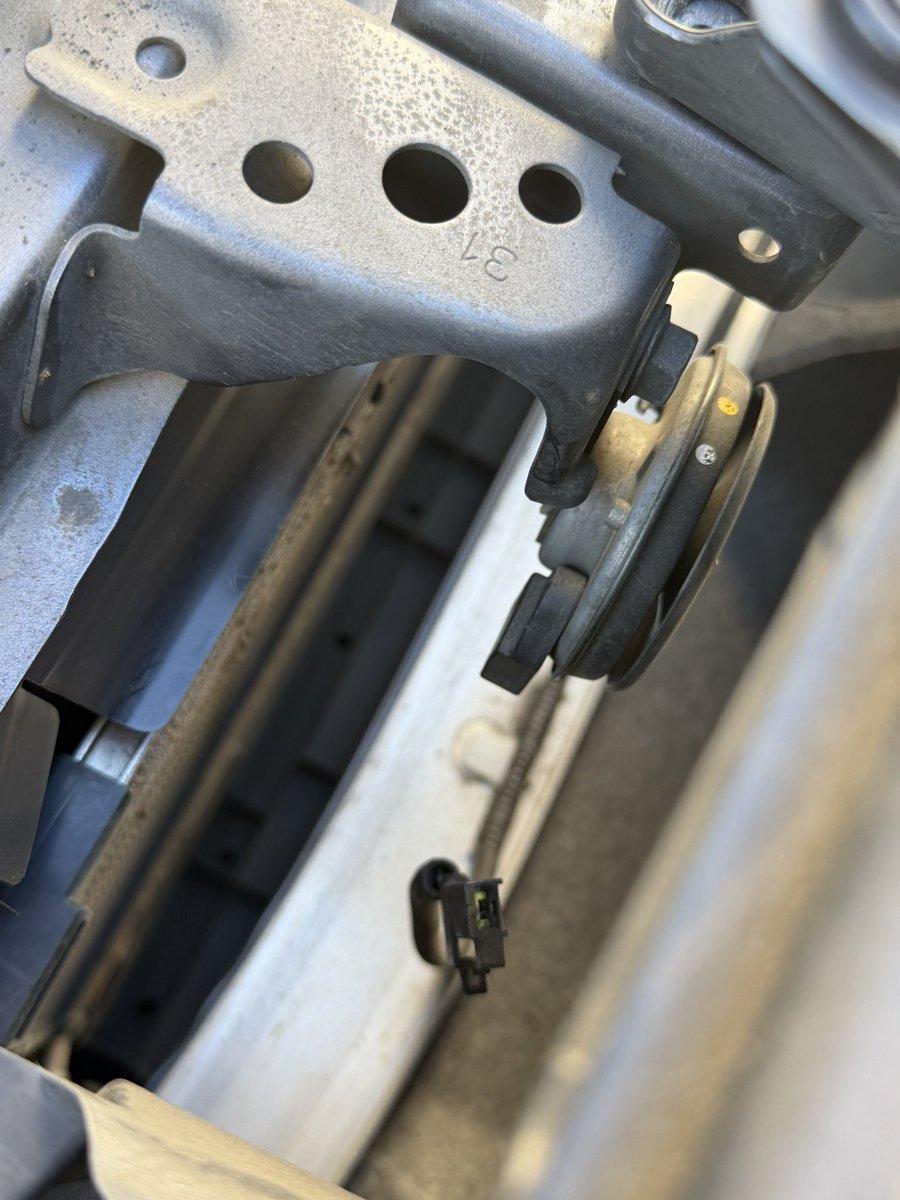
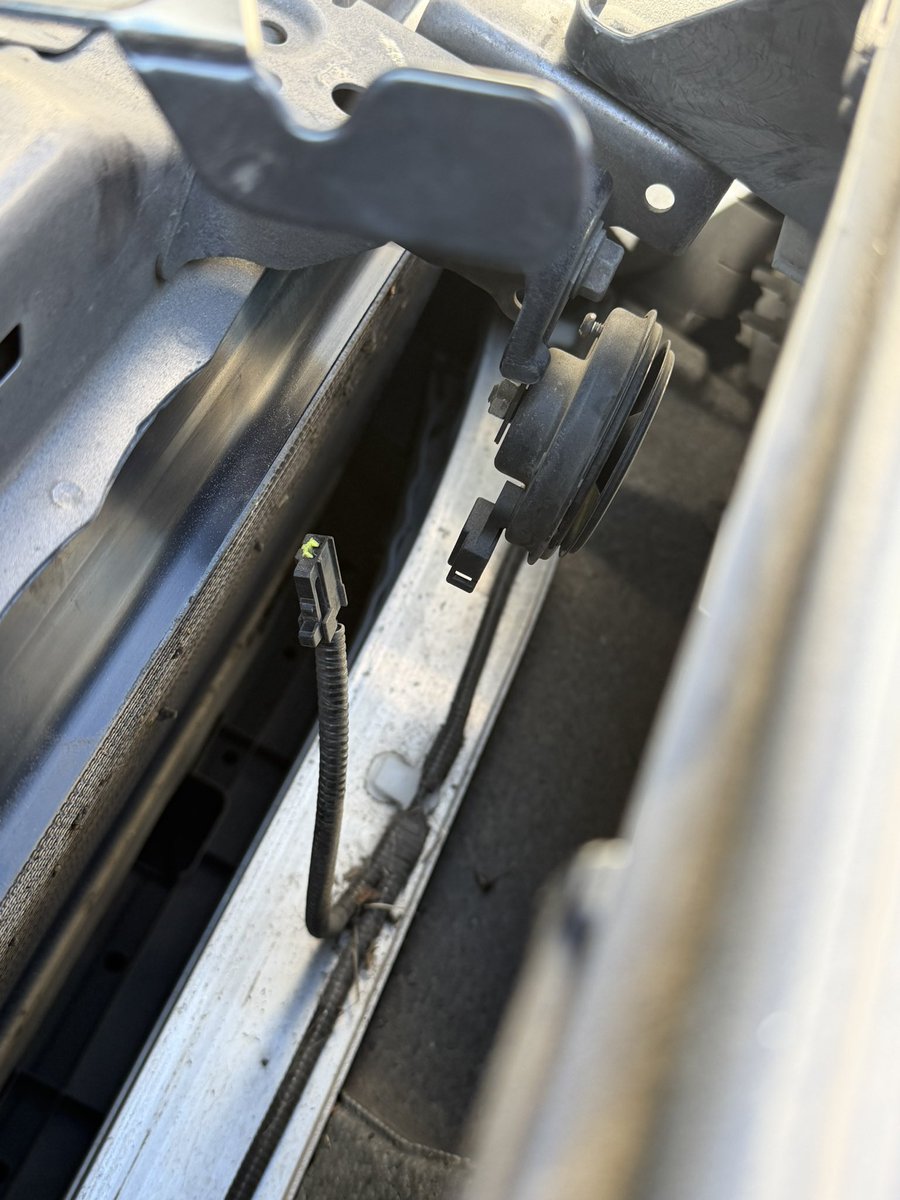
After testing the fuse and the relay, as well as the clock spring, I take the radiator cover off to inspect the plugs at the horn and what do you know both horns are unplugged
The airflow sensor is nowhere near these plugs so there’s zero chance these were taken off as part of the job not to mention they said they “checked the plugs”
It’s also impossible they both happen to vibrate loose
@Toyota I buy a brand new car from you and this is how you treat us??
This was at Toyota of Santa Cruz Stealership @SantaC_Toyota
This just went NEXT LEVEL 🔥
Dhruv Rathee has officially entered the protest.
Bangalore on Oct 8.
Delhi's Jantar Mantar on Oct 10.
And Prakash Raj, sitting right beside him, has a message for Gyanesh:
"Aali re aali, Gyanu… now it's your turn!" 😂
Yesterday it was MPs on mats.
Now YouTubers and actors are lining up.
Andhbhakts won't be sleeping tonight 🗿
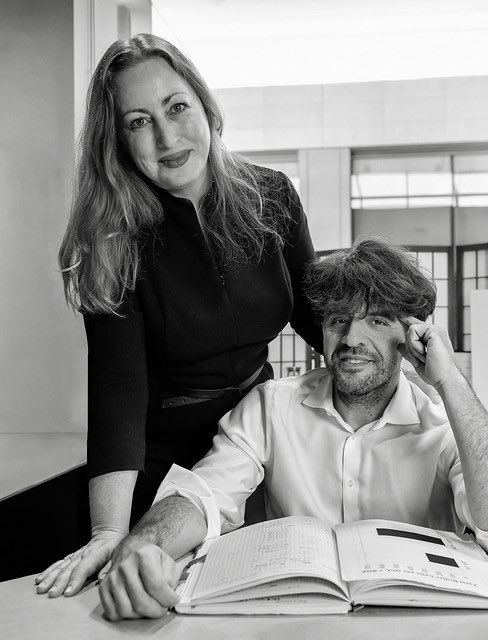
Ok. I’ve spent a whole day celebrating Karl Deisseroth’s very deserved Nobel (with every other brain enthusiast!). Now let’s talk about the brilliance of Dr. Michelle Monje, his wife.
A Stanford physician, neuroscientist and recipient of a MacArthur Genius grant, Michelle has helped pioneer cancer neuroscience, revealing how brain activity can fuel tumor growth and opening new possibilities for treatment.
And I say all this because I’ve been lucky to see her work firsthand and have been awe struck since the moment I met her. What makes Michelle extraordinary is the combination of scientific brilliance and her absolute unwavering commitment to children with devastating brain cancers. She is pushing the science forward because those children and their families cannot afford to wait.
Everybody deserves to know @michelle_monje.