SLO Climate Coalition is a partnership between SLO City and SLO Clean Energy. We use community expertise, creativity, and resources to create a #CarbonFreeSLO
.@Microsoft today unveiled a new AI infrastructure "plan" (really more of a statement of principles) designed to put "community first." A key part of their commitment: to work with utilities to bring new electricity supply to meet their needs (bring your own generation) and pay the full costs (eg via large load tariffs). This is the way.
This AI song and video is pretty cool. We made a song with AI for the holidays and it’s not bad.
That said if there are real artists out there who want to make music for/with us, that would be VeRY cool!
Happy New Year 🎉I made this one just for you — for the builders, the miners, the believers, the commodity bulls and futurists who stayed long, zoomed out, and trusted the physical world over the noise.
Here’s to 2026 — an execution year. ⚡🔋🐂
Happy New Year 2026 (For the Bulls & Futurists)
Happy New Year, twenty-twenty-six
To the bulls, the builders — let it rip
We stayed long through the noise and doubt
Held conviction while they tapped out
Copper running through the lines
Lithium loading — right on time
Silver wakes, gold finds place
Patience paying phase by phase
This one’s ours, this story sticks
Execution year — 2026
We did the work, stayed strong
Zoomed out, stayed long
Happy New Year 2026
For the bulls and futurists
Copper flows, lithium sticks
Energy trade finally clicks
No more talk, the build begins
Happy New Year — we’re still in
Solar deployment going ballistic
Wind on its heels — realistic
Panels stack, turbines spin
Megawatts pouring in
Grid storage firming the flow
Rewiring cities high to low
From curtailment to control
Batteries steadying the whole
Robots dancing on the factory floor
Not for show — they’re clocking more
Ports and mines in perfect sync
Hard assets — the missing link
Not a trade, not a trend
It’s the world we’re building, friend
Happy New Year 2026
Commodity bulls, futurists
Copper strong, lithium true
Power moves what humans do
Debate’s done, conviction wins
Happy New Year — the run begins
Happy New Year…
Twenty-twenty-six
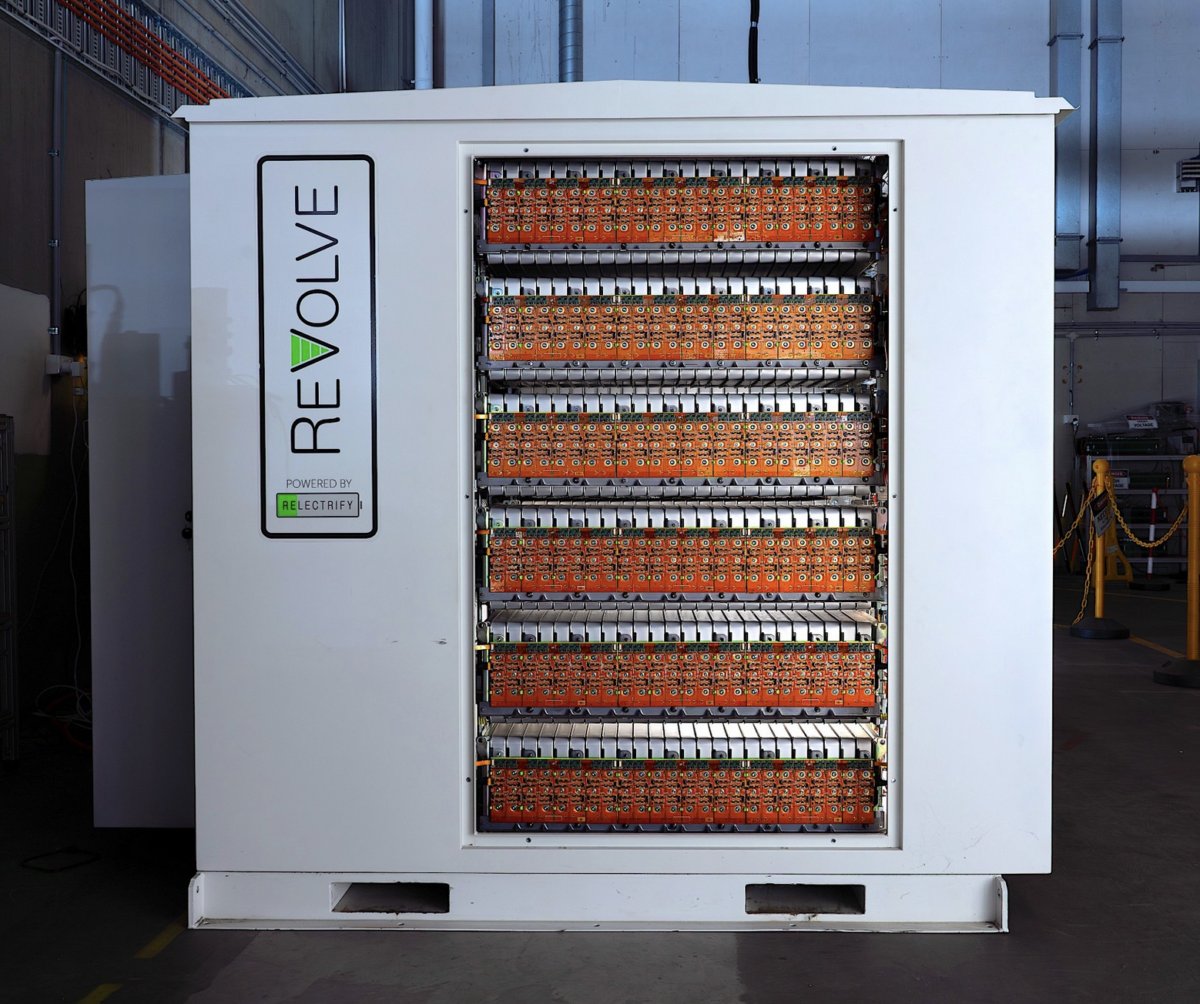
Carmaker uses repurposed EV batteries to help power factory in Australia: Repurposed electric vehicle batteries are being used in the energy storage component of a solar and battery system supplying… https://t.co/lfog1NGV2V #Photovoltaics#EnergyStorage#RenewableEnergy
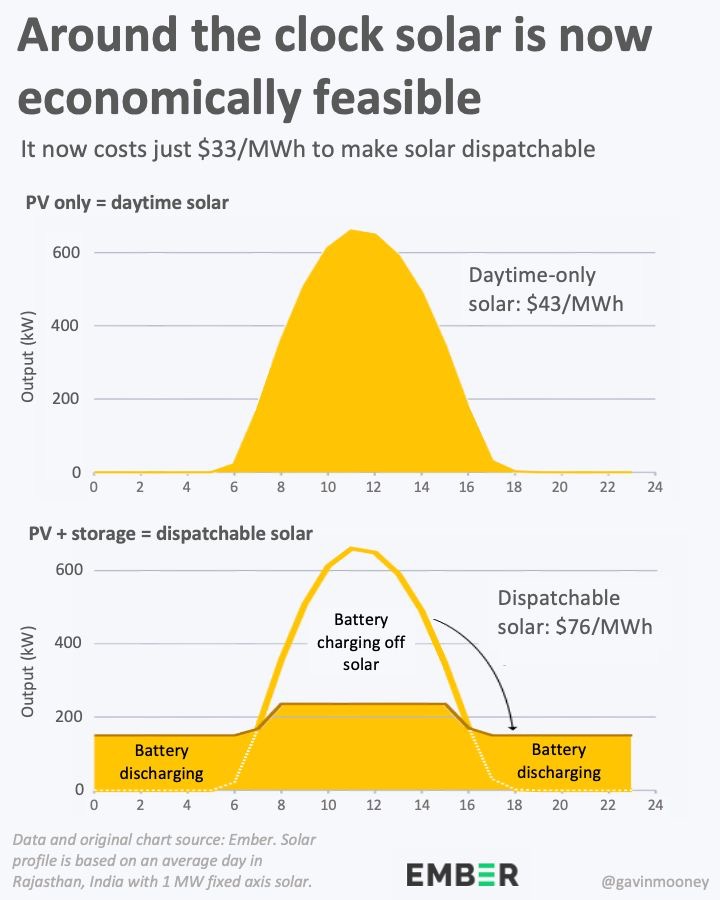
A first: Batteries have become so cheap that around-the-clock solar is becoming economically viable.
In 2024 alone, average battery prices fell by 40% and signs are a similar fall is occurring in 2025.
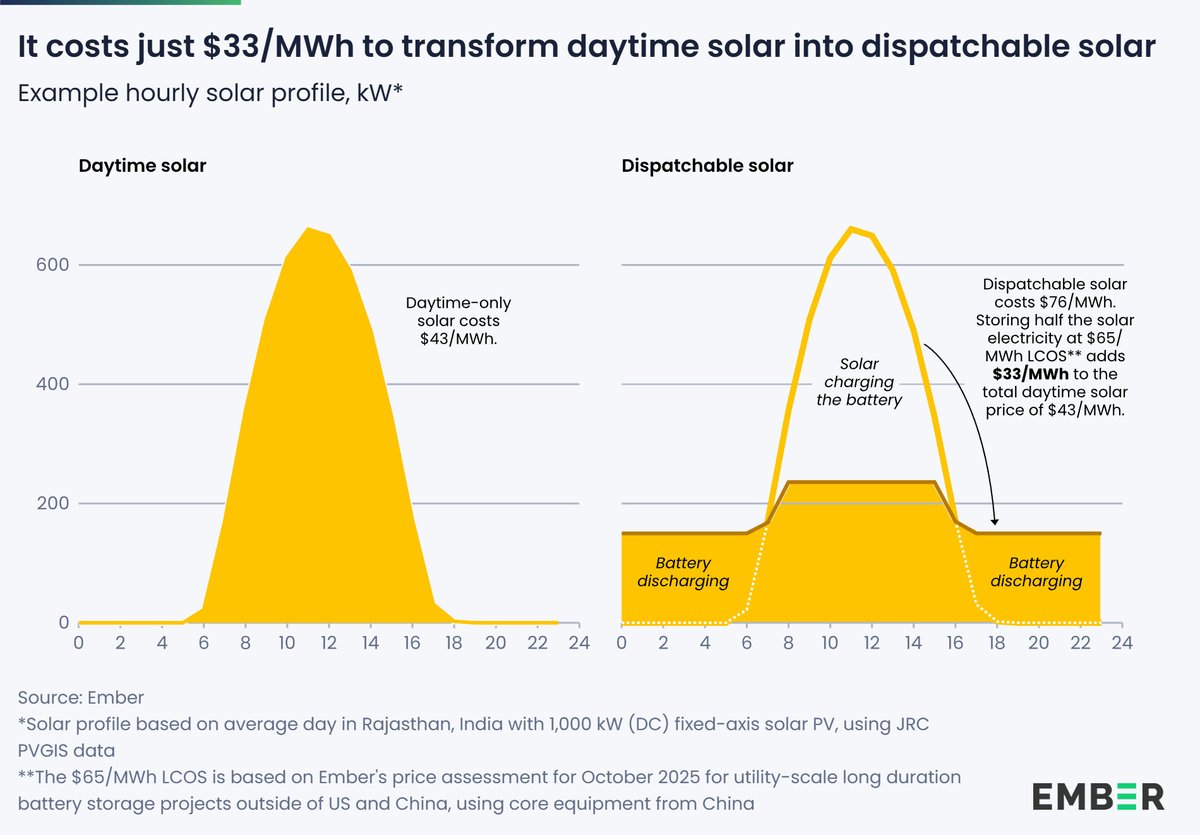
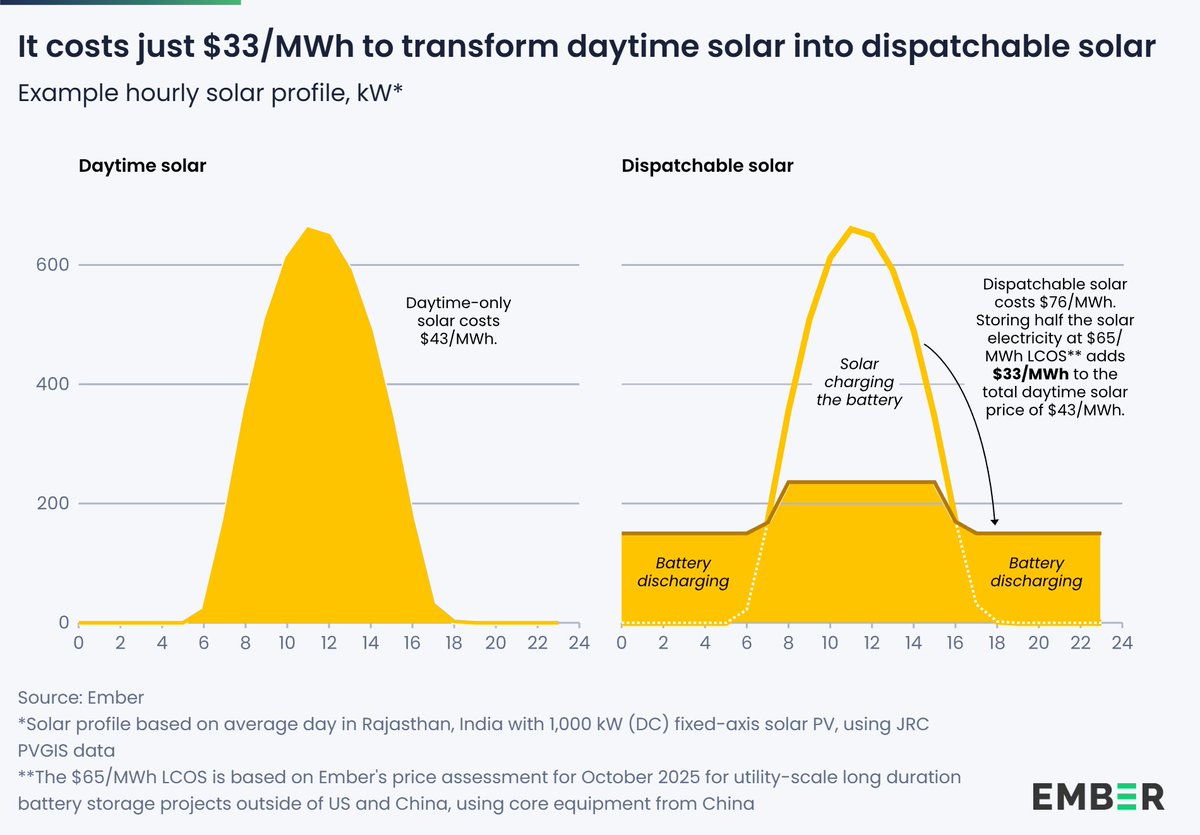
Pairing solar with enough batteries to keep the electricity flowing though the night is no longer a distant dream – it's an economic reality. At around just $76/MWh all in, dispatchable solar is already competitive with other forms of firm generation in many markets. https://t.co/MDQe6ct1Av
Batteries had quite the year. Expect next year to be even bigger!
“Prices per kilowatt-hour of battery capacity fell by 8% to a record $108 this year and they’re expected to decline a further 3% next year, according to BloombergNEF. The decrease is a result of better manufacturing, cheaper chemical recipes and a glut of production, factors that have outweighed higher prices for the metals that go into batteries. The US Energy Information Administration estimates 18.2 gigawatts of storage capacity will have come online in 2025, which represents a 77% increase over the prior year and nearly one-third of the country’s new power.”
How did solar get cheap?
Phase 1: 1950-1990s - NASA
Solar was invented in the US by Bell labs and pretty much only used by NASA who needed something very lightweight to power their space assets.
Phase 2: 2000 - Energiewind
The German government passed a law where it guaranteed that if you put solar panels on your roof the German government would pay you a high feed in tariff. Demand exploded.
Phase 3: 2005 - 2015 - China
In Europe German manufacturers could not meet their demand at home and Chinese entrepreneurs saw this fixed arbitrage opportunity and went all in. Chinese companies like Suntech took on huge government loans and built vast factories. Spain and Italy joined Germany with solar subsidies. Because of the price fixing in Europe the market arbitrage held as the solar cell manufacturing output in China exploded.
Phase 4 2015-2025 - Swanson’s Law
Once the big Chinese gigafactories were built, Swanson’s Law kicked in. This is the learning curve where manufacturers compound marginal gains and accumulate 1,000s of solutions to solved problems.
1. Ingots, originally they grew small Si crystals this was a slow batch process. Later they used continuous Czochralski pulling where you refill the crucible whilst the machine is still running. Saving hours of cooldown per batch. They also learnt how to grow huge single crystals that were 2-3 meters long.
2. Wafers, originally they sliced the crystals into wafers using saws. This was slow and turned 40% of the Si crystal into sawdust (kerf loss). The fix was diamond wire cutting, the wire was razor sharp, fast, much thinner than the saw, easier to keep clean and far less wasteful (4% kerf loss). Wafer costs plummeted.
3. Cells, you have to print silver lines on the back of the wafer to collect electricity. Over 15 years silver printing resolution improved and silver use was reduced by 70% whilst also blocking less sunlight. The mirror backing used to be aluminium which captured some solar energy as heat and was lost, so they added a dielectric passivation layer that captured more photons and improved cell conversion efficiency without changing materials.
4. Modules, engineers realised that by laser cutting panels in half they reduced electrical resistance in the cells. This means the panel runs cooler and produces more power.
Bifacial modules then emerged, instead of plastic backing. Panels were made with glass front and back, this means panels also collect energy bouncing from the ground below the panel which again boosts the panel output in operation.
These gains all compound to make the panels 90% cheaper over the course of 10 years.
Chinese manufacturers are now looking at perovskites as a paradigm switch. It’s essentially a superior crystal to silicon for absorbing light. You can make them from liquid chemistry and you can print them.
Silicon is great at capturing red and IR light perovskites can be tuned for blue spectrum.
You can then go tandem and pair both silicon and perovskites in the same modules.
Now panels are cheap, because they’re simple things to make. They cost around $0.10/watt ex factory. A solar installation costs around $3.00/watt and the panels themselves are now a very small part of the cost of a solar installation which is dominated by land, labour and structures.
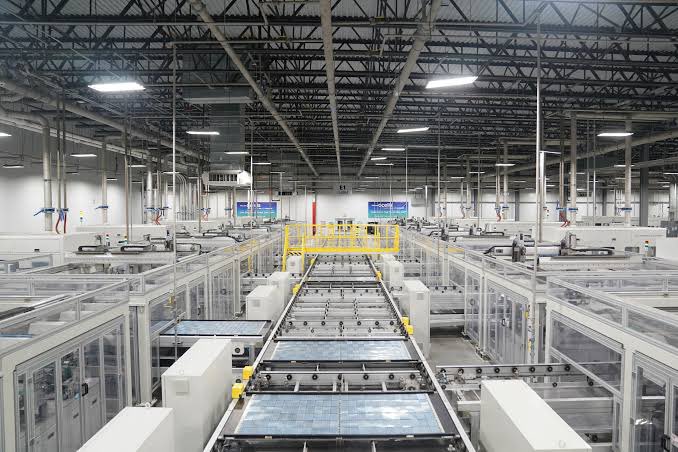
Much of industry is like this. If you can consolidate manufacturing under one roof, you learn all the improvement opportunities much faster, because you just see more stuff.
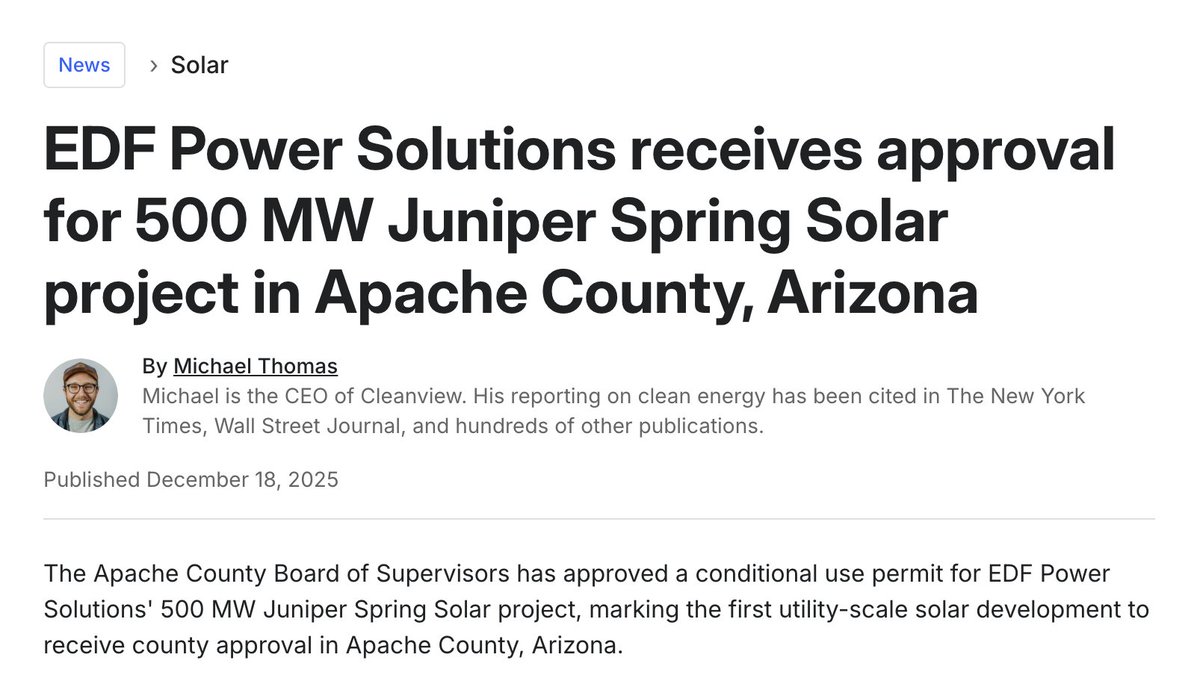
A 500 MW solar and storage project in Arizona just received a key approval.
This project will help Tucson Electric Power retire a massive coal plant nearby, improving air quality and cutting costs.
This is the way.
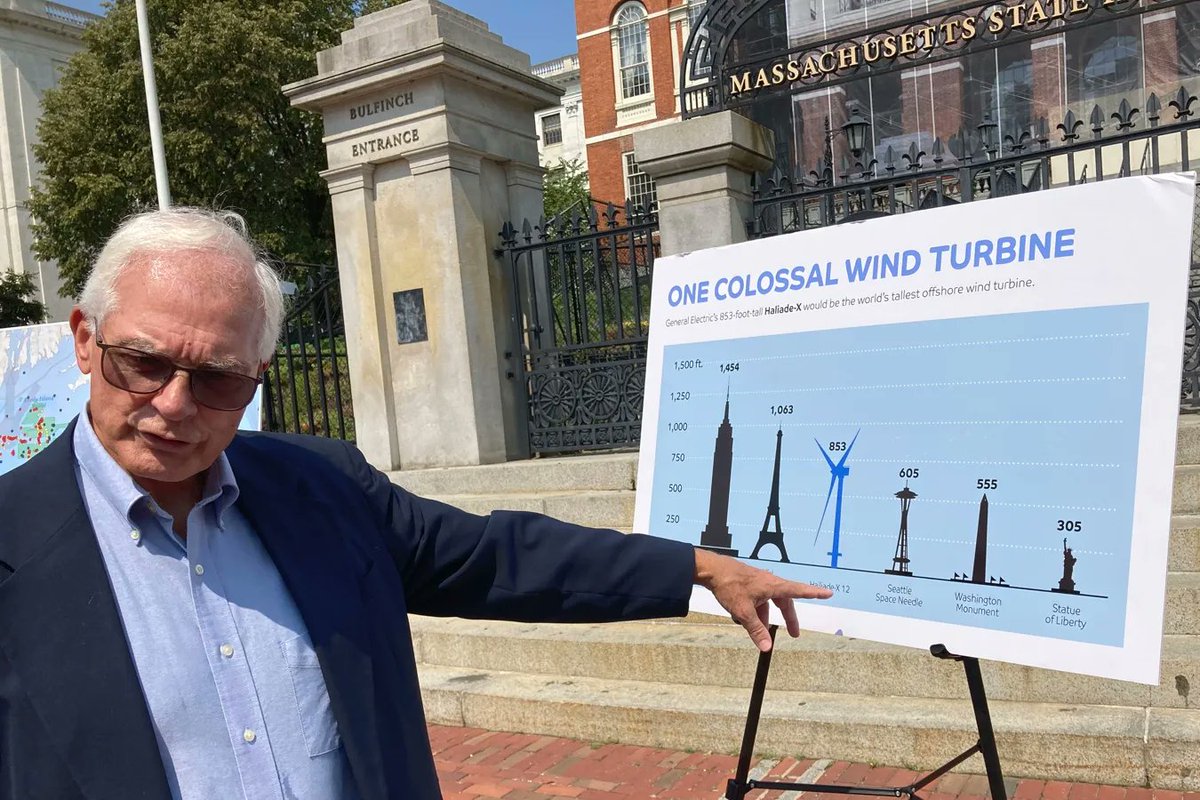
@curious_founder These people and their organization “React” should be looked into because they’re successfully hampering and may end up killing the budding offshore wind project in California.
https://t.co/O7hqXBsbGs
Sounds like Mandy and React. It’s sad to see them spread so many lies and damaging disinformation about the proposed wind farms off the central coast of California
3 years ago, I heard a story about a man who sent a letter to 35,000 residents on the coast of New Jersey, Delaware and Maryland telling them that a planned offshore wind farm would destroy their property values (which was false).
One weekend, he paid a pilot thousands of dollars to fly an aerial banner over the beach telling people the wind turbines would destroy their beautiful views.
He ran Facebook ads, wrote op-eds in newspapers, and did everything he could to tell people that Skipjack Wind would ruin life as they knew it.
Virtually all of this claims were false.
I love trawling through public documents so I started following the paper trail to learn more about this man. I learned that his nonprofit was funded by the American Fuel and Petrochemical Manufacturers and part of a network of groups started by the Koch Brothers.
I tried to get in touch with him but he never answered my calls. So after a few weeks of reporting and research, I published my story to my newsletter, Distilled. Immediately it blew up and went viral, racking up millions of views. I still get calls and emails about it to this day.
This week, Canary Media published a story by Clare Fieseler profiling this man, David Stevenson. It's a beautifully written, rich, human story.
Clare told me that after reading my story she called David and he picked up. Over the next few years, she had a series of conversations with him to understand his motivations.
Reading the story this morning, I couldn't help but feel sad.
What started as a 35,000 person snail mail campaign soon blossomed into one of the most damaging disinformation campaigns in the country. Fox News ran many segments with the lies that David initially spread. Donald Trump soon took up many of his talking points. Now many blue-collar communities that were banking on offshore wind to revive their coastal economies are seeing infrastructure projects and federal funding cancelled.
David wasn't the only person responsible for the collapse of the offshore wind industry in America. But he was one of the most influential.
I highly recommend reading Clare's story linked in the comments below.
The cost of grid-scale solar plus batteries has become so cheap that spreading solar power out over 24 hours is now cost-competive with building new natural gas plants in many cases.
https://t.co/mOMxeP8xcc
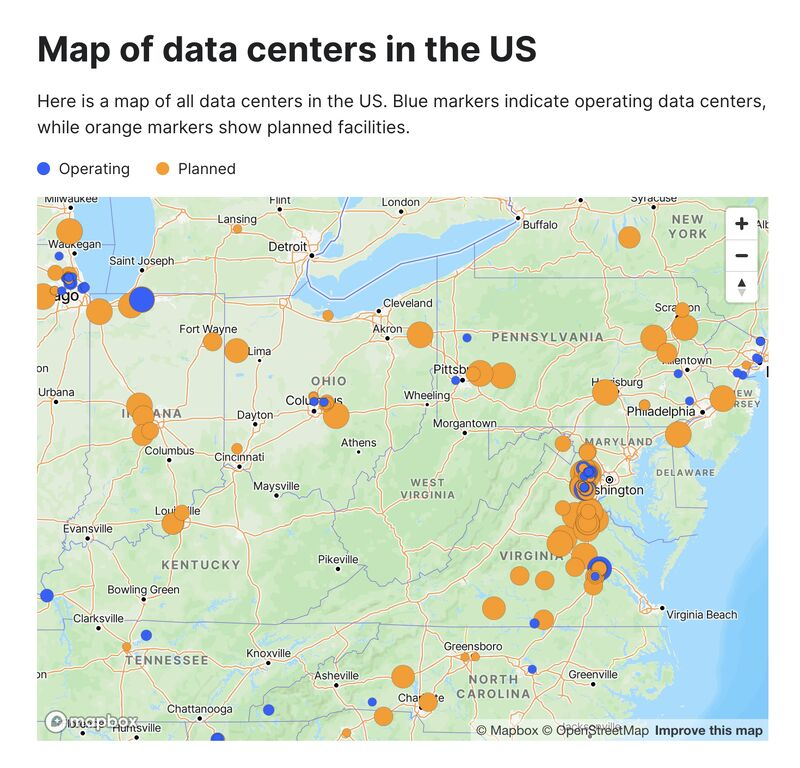
Data centers need enormous amounts of electricity.
But in many of the places they're being built, locals are stopping new power projects from getting approved.
In our latest Cleanview report, we found that Virginia—home to the world's largest data center market—lost 6.7 GW of potential capacity due to power project cancellations this year. Much of it was due to local opposition and bans on clean energy.
In the state, more solar permits are now denied than are approved. Recently Hanover County officials approved a 2.4 GW data center on the same night they denied a 20 MW solar project.
At least 10 Virginia counties have enacted outright bans or severe restrictions on solar, with Mecklenburg County—the state's ninth-largest county—passing an ordinance in April 2025 that removed utility-scale solar as an allowed land use entirely.
The same dynamic is playing out across the US.
Officials in states like Ohio and Indiana have successfully courted huge data center projects from Google, Meta, and Amazon. Yet both states have lost gigawatts of potential power generation capacity in 2025 due to project cancellations, according to our report.
In Indiana, 44% of proposed data centers are located in counties that restrict renewable energy development, according to a Heatmap analysis.
Growing electricity demand like this while blocking projects that can supply new power will have one inevitable result: higher electricity prices. This policy incoherence threatens grid reliability, affordability, and America's economic competitiveness.
You can check out the full report on our website. As always, this analysis was made possible with the platform we've built at Cleanview and our dataset of 10,000+ power projects and 1,000+ data centers.
Good morning with good news: "Battery pack prices for stationary storage fell to $70/kWh in 2025, 45% lower than in 2024," reports BNEF.
45% down in 2025, after ~40% down in 2024!
Wow!
Cheap battery storage makes solar top global new generation tech!
https://t.co/YcGe5ubLwJ
NEW | As batteries become cheaper and more efficient, costs to store daytime solar are plummeting.
Outside China and the US, it now only costs an additional $33/MWh to transform daytime solar into dispatchable nighttime energy 🔋
https://t.co/hnmLAm7Km5
Solar is set to overtake generation capacity of all other power sources by 2027.
In three years, it will overtake gas.
In four years, it will push past coal.
And it's creating jobs as it does it.
We have the solutions. Implement them. #ActOnClimate#climate#energy#renewables
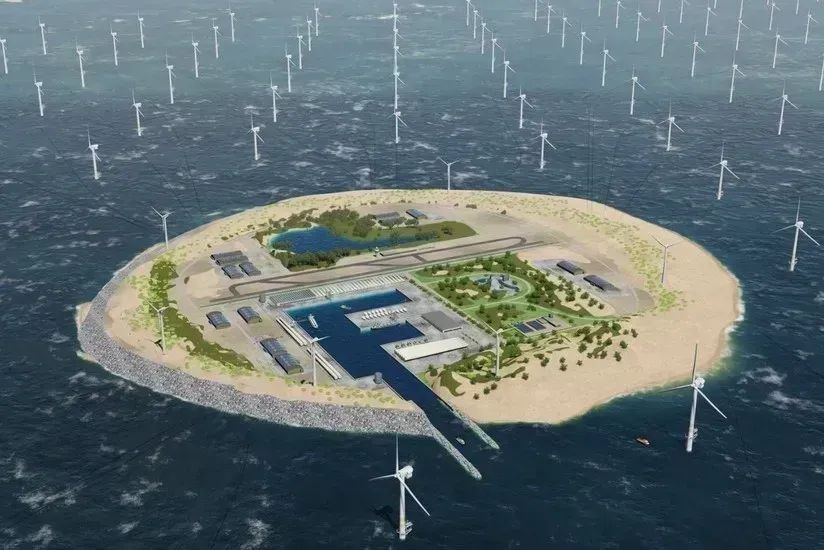
Denmark, Germany, Belgium and the Netherlands plan to build four artificial islands to quadruple offshore wind in the North Sea – the equivalent of 30 nuclear reactors.
We have so many solutions. Implement them. #ActOnClimate#ClimateCrisis#climate#energy#tech#GreenNewDeal
Commercial vehicles will go electric faster than personally owned vehicles. They're starting later, but their owners actually care about cost per mile and ton-mile, where EVs have a larger advantage. And vehicles that drive more miles per year save even more by going electric.
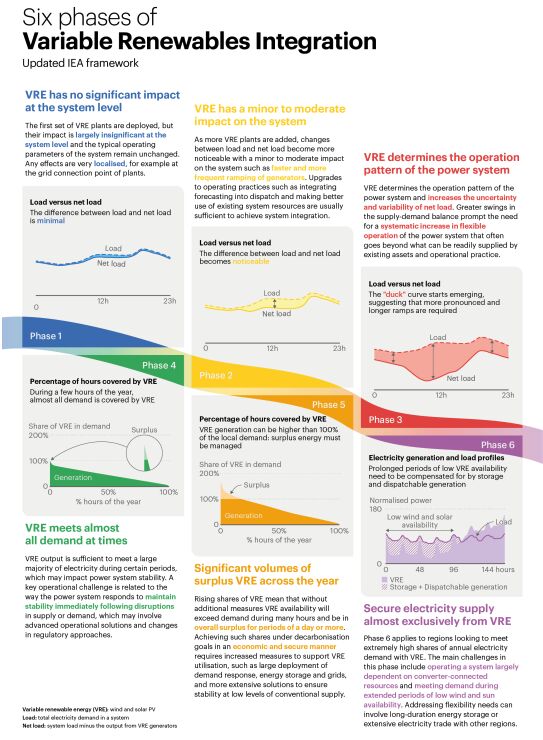
This is such a useful heuristic device - the six phases of renewable energy integration: @IEA lays out the typical challenges and examples of how various countries have addressed them in their excellent report.
There are already several examples of countries entering the high phases (4-6).
https://t.co/ZDQ0lBMCnb