Another paper from my PhD published!🐦 @AvianBiology
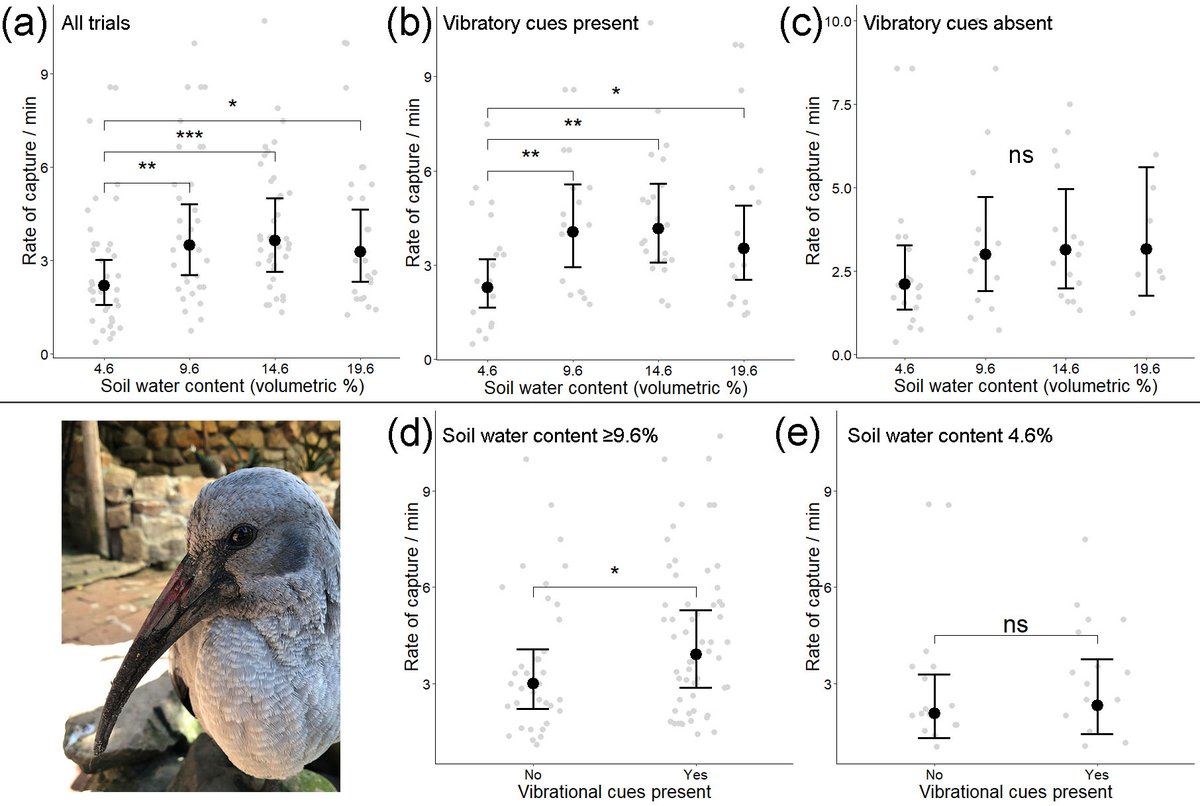
Sensory assays show Hadeda Ibises need water in soils to find food sensing vibrations, what this means for their range expansion in SA, and implications for studies of waders' habitat requirements
https://t.co/kLDdKlPnei
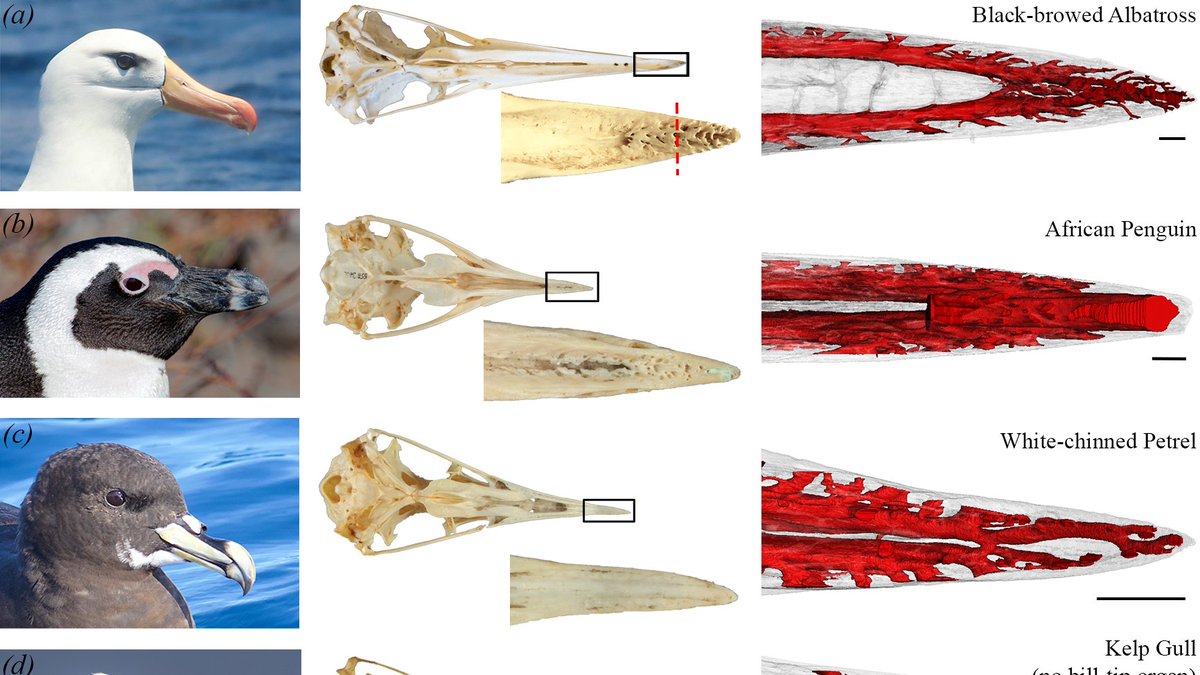
New discovery by @EarthSciCam team: Seabirds have highly sensitive regions in their beaks that could be used to help them find food.
How can this help conservation efforts? Tap to find out 👇
https://t.co/VhsdUGIFRe
First paper from my Newton Fellowship published 🥳 @RSocPublishing
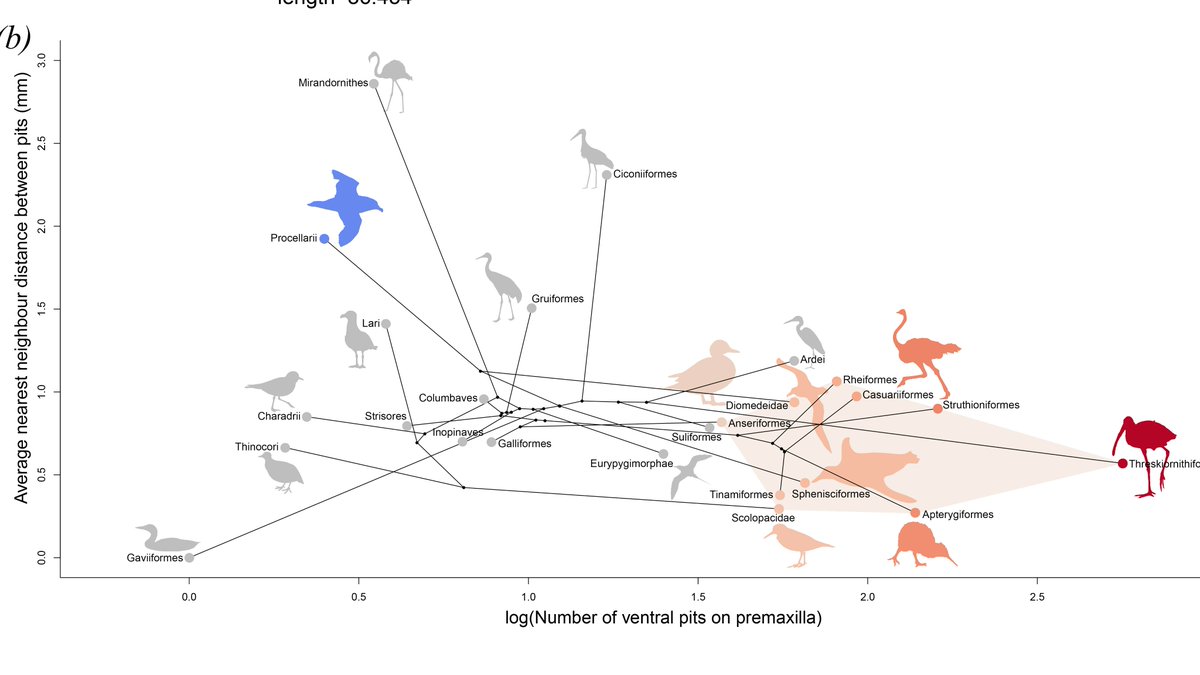
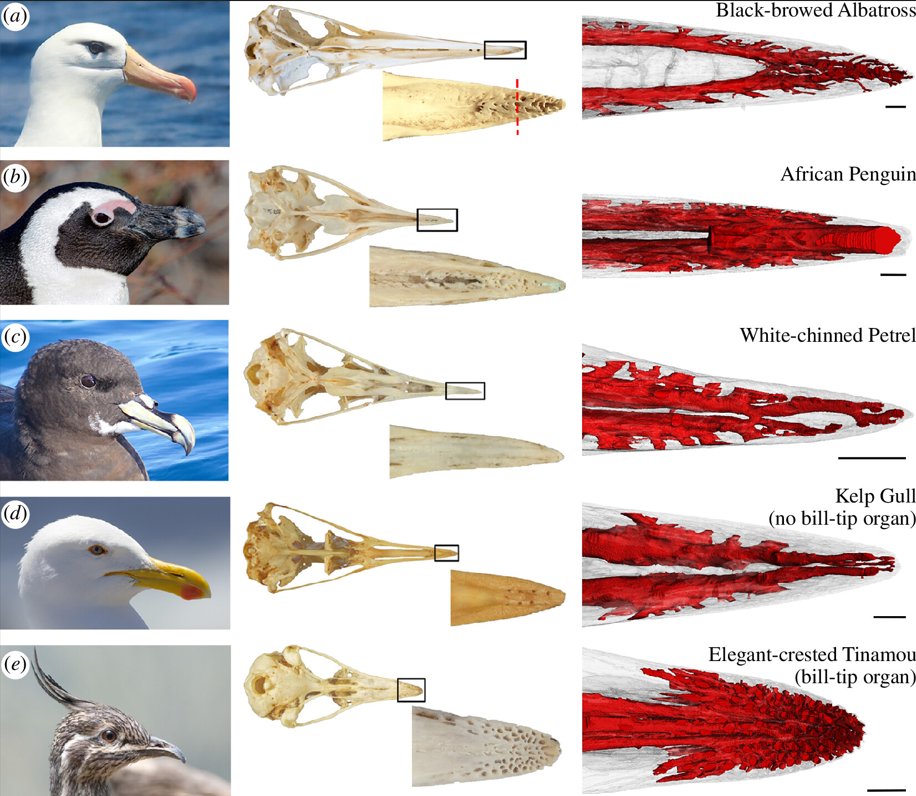
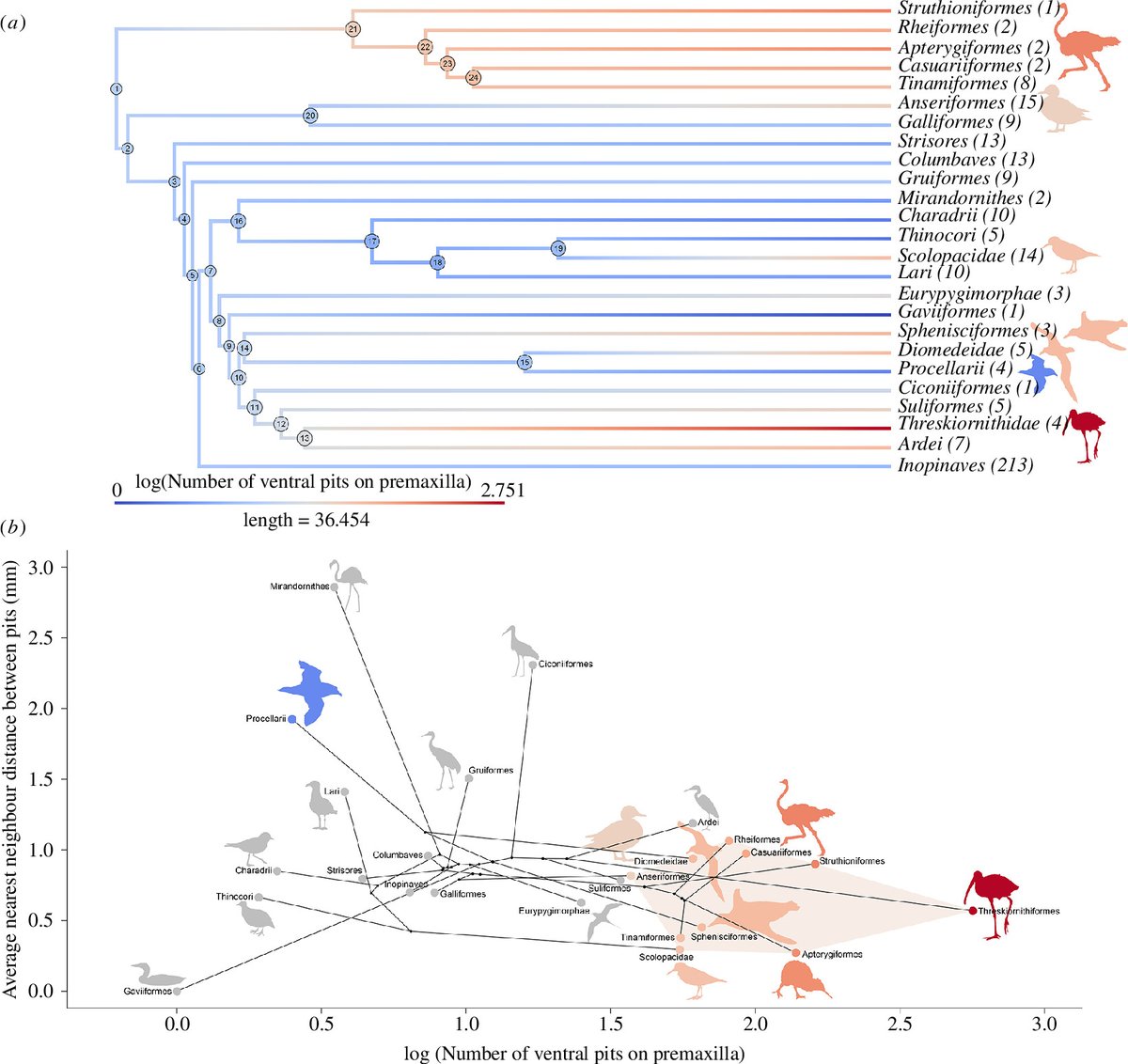
Describing tactile structures in the beaks of penguins and albatrosses - unknown foraging strategy in seabirds, or remnants of distant past?
with @sjportugal1979 @kiwi_sjc @TheLabAndField @fieldpalaeo
🔗below
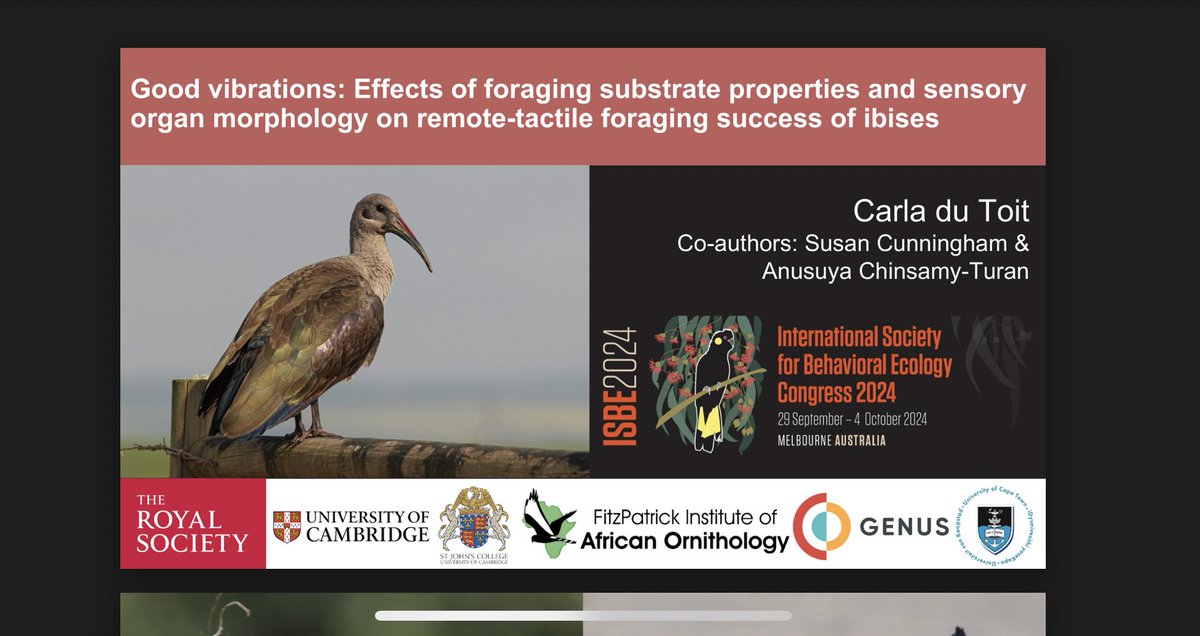
Happy to have the Fitz swag (thanks @kiwi_sjc) for my talk today at #ISBE2024 on the effect of substrate water content on ibises’ ability to remotely sense prey! Probably one of the last talks I’ll give presenting my PhD work 🥲 @ISBE2024@Fitztitute
Why do birds have whiskers? Long a mystery, phylogenetic analysis of these facial bristles in Old World passerines found the number & length was associated with various functions related to insect capture & tactile sensing!
https://t.co/5cXeWuT18P
@LinneanSociety@batmunkh89
Bird bills can have a delicate sense of touch - Alex Bond @TheLabAndField @sjportugal1979 & al. look at which groups have these organs and what their origins might have been https://t.co/xN87Wo2hgt
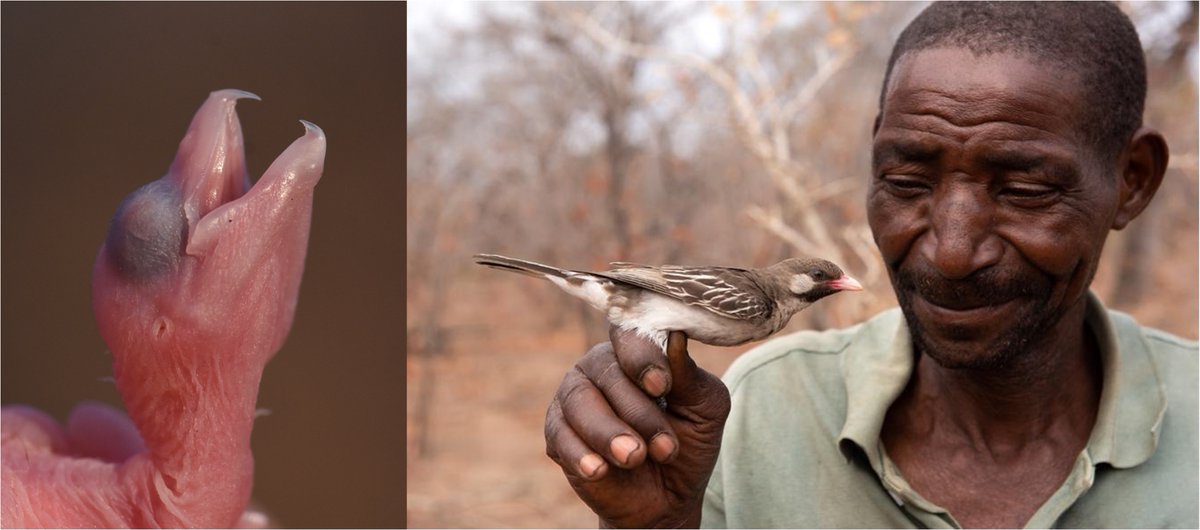
Honeyguides @ISBE2024! Can't wait to talk about the double-lives of honeyguides in Session 2F (Mon 12:30-12:45)
L: Freshly-hatched honeyguide in a bee-eater nest (my 📷)
R: Honey-hunter Seliano Rucunua holding a honeyguide captured for research (📷: @honeyguide)
#ISBE2024
1st author @carlajdutoit made great animations/scans to accompany our paper about tactile organs in the bill tips of penguins and albatrosses, in @RSocPublishing Biology Letters (paper link below). With @kiwi_sjc @TheLabAndField & @fieldpalaeo. (@NHM_London). (@albertonykus FYI).
It’s true! They have what's known as a bill-tip organ - a web of nerves in their beak that could help them find fish!
They're not the only birds with this secret weapon - albatrosses, kiwis and parrots have one too!
Find out how their power works👇
https://t.co/eG6Clsru9p
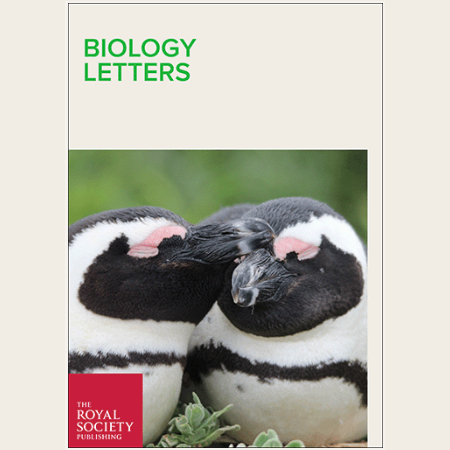
Congratulations to @carlajdutoit on her first postdoc publication—and her lovely photograph of Black-footed Penguins is on the cover! The paper explores tactile sensory structures in the bills of certain seabirds. Great work, Carla!
First paper from my Newton Fellowship published 🥳 @RSocPublishing
Describing tactile structures in the beaks of penguins and albatrosses - unknown foraging strategy in seabirds, or remnants of distant past?
with @sjportugal1979 @kiwi_sjc @TheLabAndField @fieldpalaeo
🔗below
Congrats first author @carlajdutoit on our new paper out today in @RSocPublishing Biology Letters (link below). Titled "Tactile bill-tip organs in seabirds suggests conservation of a deep avian symplesiomorphy." With @kiwi_sjc Daniel Field & @TheLabAndField.
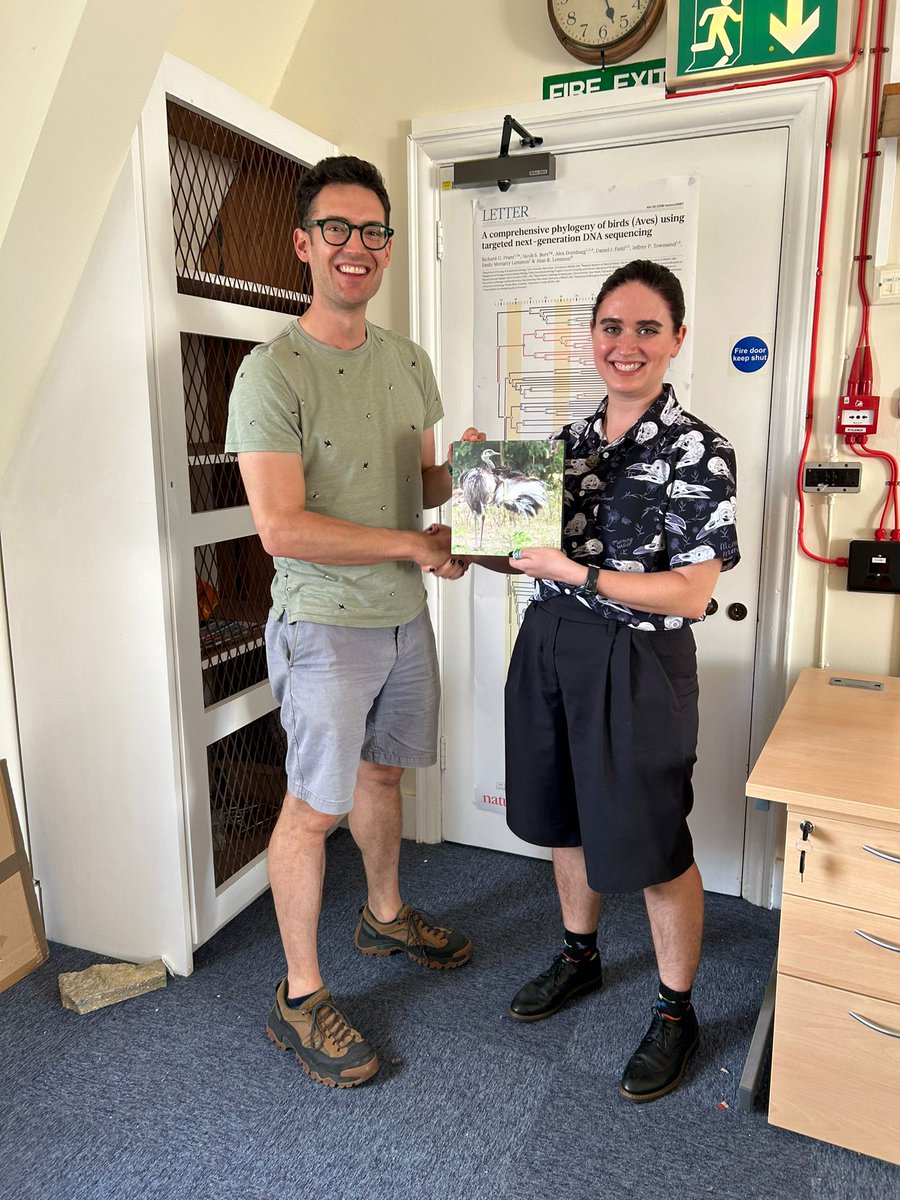
Huge congratulations to @tyrannosaura who recently passed her PhD viva with flying colours! *Dr* Klara Widrig will be off to the Smithsonian to begin a postdoc working in the Division of Birds—woohoo! She is a most deserving recipient of the coveted Rhea of Honour (pictured).
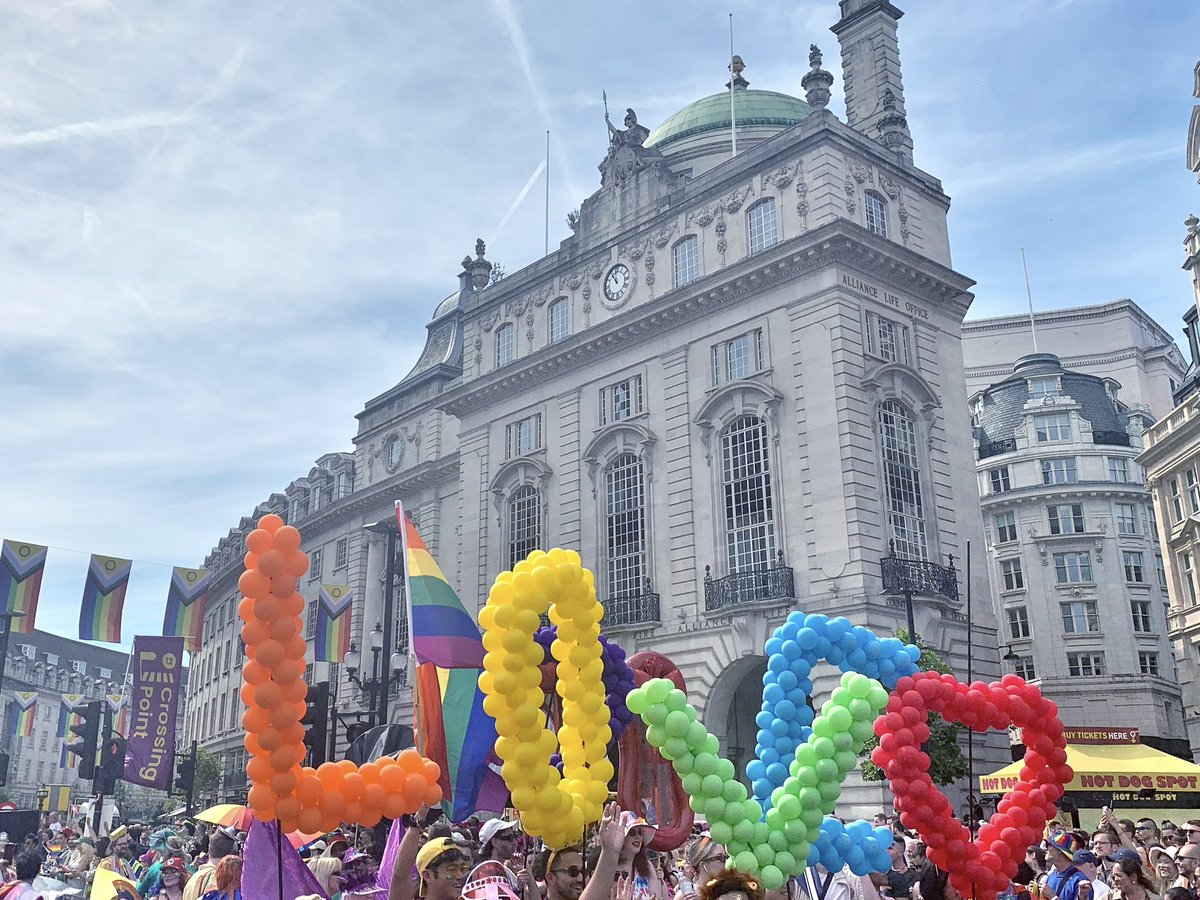
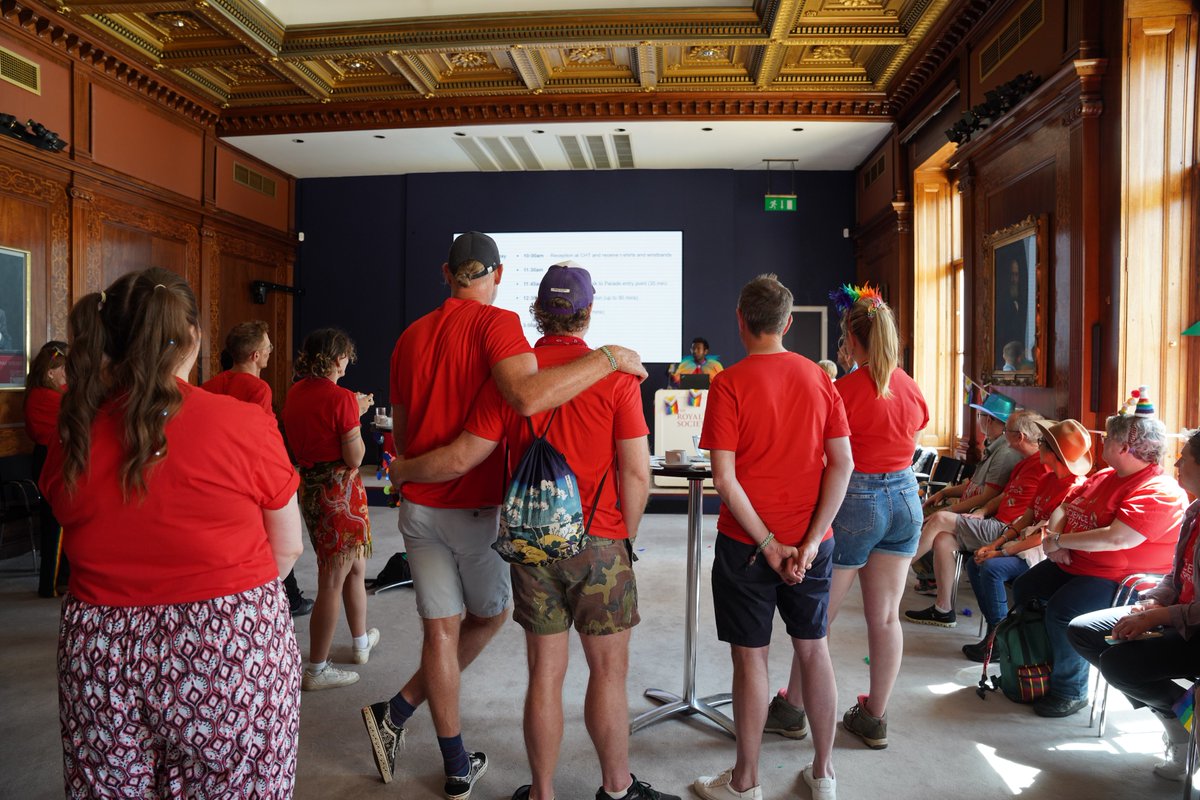
Was so much fun and uplifting to get to march with the Royal Society’s Pride Network at London Pride over the weekend 🌈🏳️🌈🏳️⚧️✨ #GayInScience#WeAreEverywhere#BiAndProud