In our recent publication in JCO Precision Oncology, you can read about the application of RNA sequencing to uncover deep intronic variants in the APC gene and provide answers for families with FAP. #clinicalresearch#RNA#AmbryKnowsGenes@JCOPO_ASCO https://t.co/9ZQeeCCuZQ
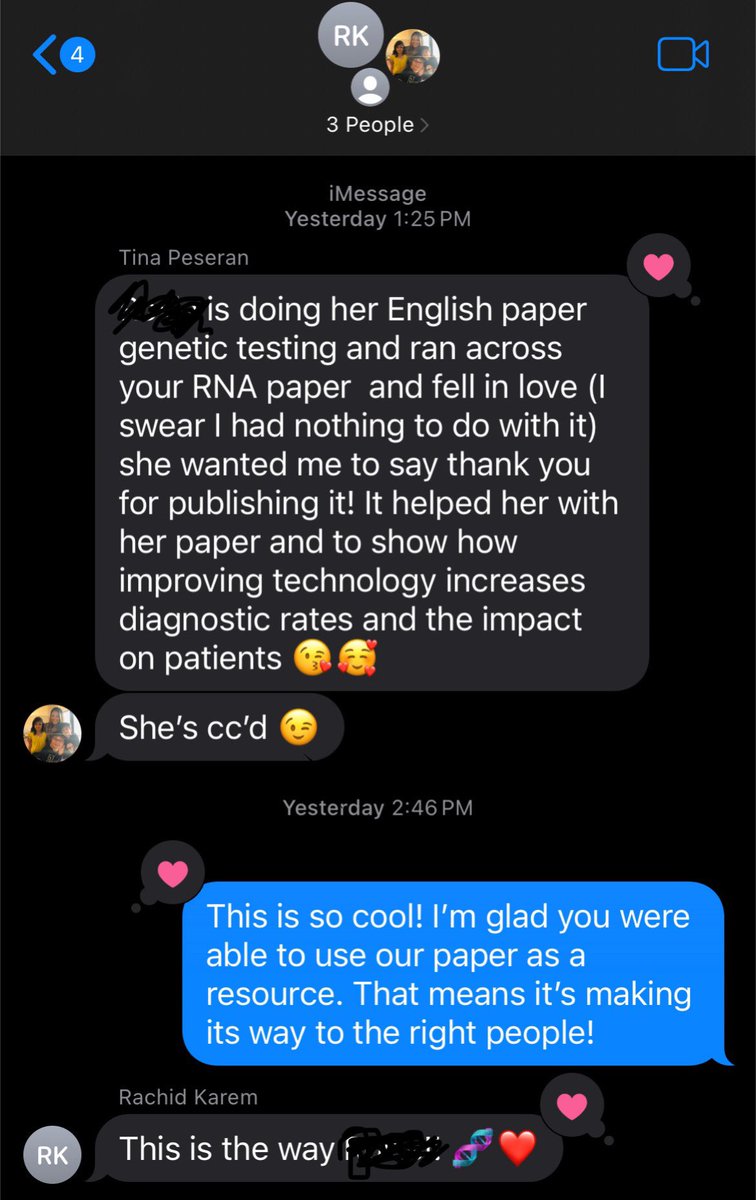
We hoped to write this paper so it could bring novelty to experts in the field but still be approachable to those new to RNA sequencing. Hearing that it resonated with a scientist-in-training teenager is our best compliment yet. @AmbryGenetics#clinicalresearch#RNA#genechat
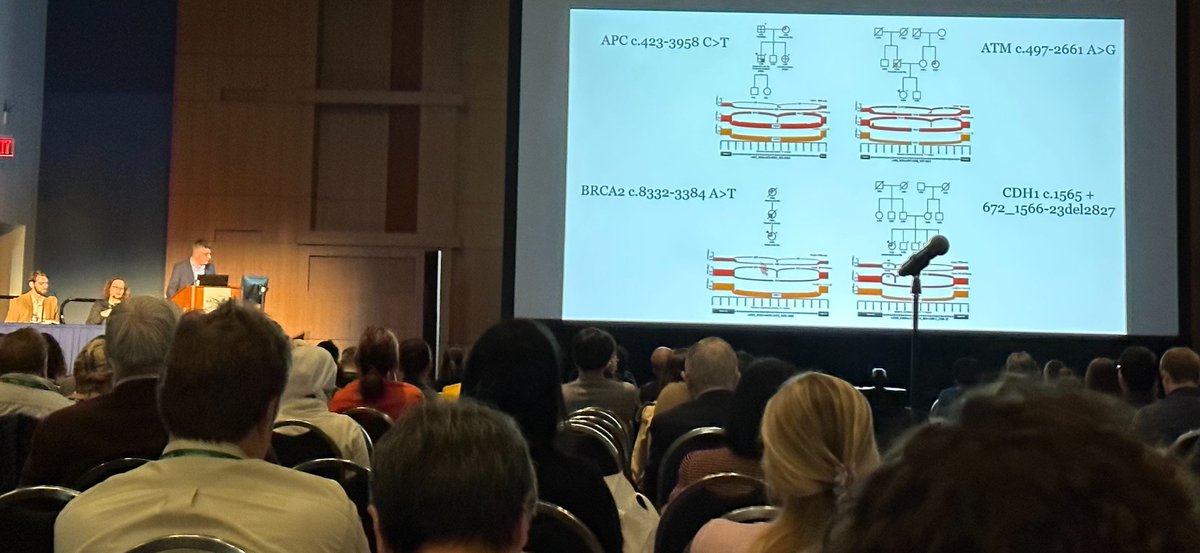
So pleased to highlight important work that combined clinical acumen and lab expertise to find a life-saving answer for this family with a history of diffuse gastric cancer. #genechat#hereditarycancer#RNA
https://t.co/OyLyS5yTl9
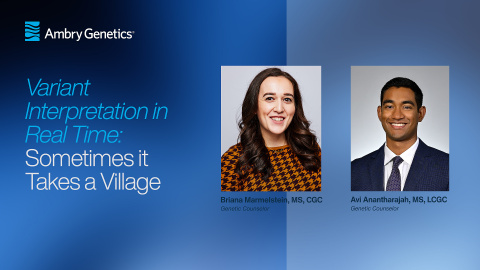
Have you ever wondered how a genetic variant is classified as pathogenic or benign? Briana Marmelstein & Avi Anantharajah shared the collaboration that led to a patient's CDH1 variant reclassification and new diagnosis. Find out why it can take a village. https://t.co/UICnsfk5eD
On June 19th, at #InSiGHT2024, we will explore the field of Translational Science! 🚀
Join us as we unveil the transformative role of AI in endoscopies and its impact on colorectal cancer.
Check out the full schedule for all the details! 📅✨
RNA sequencing provides an opportunity to more accurately identify individuals with hereditary cancer susceptibility by increasing detection and improving classification of disease-causing variants in cancer susceptibility genes.
https://t.co/cIFF2XpCOM
#ASHG23
Ambry talked with Dr. Huma Q. Rana about her Journal of Clinical Oncology article. She says, “It is imperative to identify service delivery models to help us meet the increasing demand for timely access to genetic testing.” Check out the full article: https://t.co/jYhN92TX0a
(2/2) Learn more in JCO’s podcast (https://t.co/Ui5bxiUDH0) reviewing “Clinical Multigene Panel Testing Identifies Racial and Ethnic Differences in Germline Pathogenic Variants Among Patients With Early-Onset Colorectal Cancer” (https://t.co/PJGCG9HW3n) #EOCRCrisk@drholowatyj
(1/2) Identification & characterization of cancer predisposition genes has been conducted in largely White and European populations. Ambry strives to prioritize research that examines potential disparities as a step towards creating more comprehensive & equitable genetic testing.
Are VUS rates higher in gene panels or larger exome- and genome-based tests? The answer might surprise you. Read more in this @GIMJournal article by @HeidiRehm et al. investigating differences in positive and VUS rates between these testing options.
https://t.co/LTAJvyRs73 #Ambry
In the largest series of POT1 heterozygotes to date, we confirm POT1 as a melanoma predisposition gene and provide new data on associations with sarcoma and kidney cancer. https://t.co/t6vtMgrVW2 #YouKnowYourPatients#AmbryKnowsGenes
Are VUS rates higher in gene panels or larger exome- and genome-based tests? The answer might surprise you. Read more in this @GIMJournal article by @HeidiRehm et al. investigating differences in positive and VUS rates between these testing options.
https://t.co/LTAJvyRs73 #Ambry
It's finally summer, which means summer travel is here! As GSLs we travel often. Bradley Power, MS, CGC, put together a few travel tips to help with the journey, wherever you may be headed.
#AmbryEmployeeTakeover#GSL#geneticcounselor#Ambry
🌟In addition to the three key areas of fundamental, translational, and clinical science, #InSiGHT2024 will include a series of workshops, such as Newborn testing of hereditary cancer genes and early-onset pancreatic cancer.
Let's collaborate and make a difference together! 💪