I am a neurosurgeon specialized in movement, seizure, and psychiatric disorders with a lab bridging the gaps in medicine to develop neuromodulatory therapeutics
Let me explain why an AI art company just built a full-body medical scanner, because almost everyone is reading this as a random pivot.
Ultrasonic CT works by firing sound through your body and recording the ripples that scatter back. Half a million emitters the size of a grain of sand, surrounding you in water, each one listening. What comes back is noise. Reconstructing a clean 3D image of muscle and tissue from that scattered acoustic mess is an inverse problem, and it is brutally hard. The hardware is the easy part. Butterfly Network already makes the chips. The reconstruction is where every previous attempt stalled.
That reconstruction is the exact problem Midjourney spent years getting good at. Turning ambiguous input into a coherent image is what they do. They aimed it at sound waves instead of text prompts.
This is why the scan takes 60 seconds while a full-body MRI takes 60 to 90 minutes. Close to 100x faster, no radiation, no magnets, resolution down to a fraction of a millimeter.
Then read the part most people skipped. The scans happen at a spa. Hot tubs, cold plunges, and a machine that quietly images your whole body while you relax. The scan is a side effect. You barely notice it.
Run it forward. The plan is 50,000 machines doing a billion scans every month. Midjourney has no investors and no quarterly hardware margin to chase. The payoff was never the scan fee.
A billion monthly full-body scans is the largest longitudinal map of human anatomy ever assembled. Every model trained on it gets sharper, and every sharper model makes the next scan worth more. This was always an image company. They just found a kind of image nobody else could generate.
When can we offer deep brain stimulation for addiction as a treatment? Much to do to move that forward, but we provide great evidence to support this future here, which adds to the growing evidence that we can stop dangerous cravings in their tracks… https://t.co/aPP255YByV
Tutorial on pocket square technique @PennNSG holiday party from our own @halpernc. You too can look this good at your holiday events…or every day, like Casey!
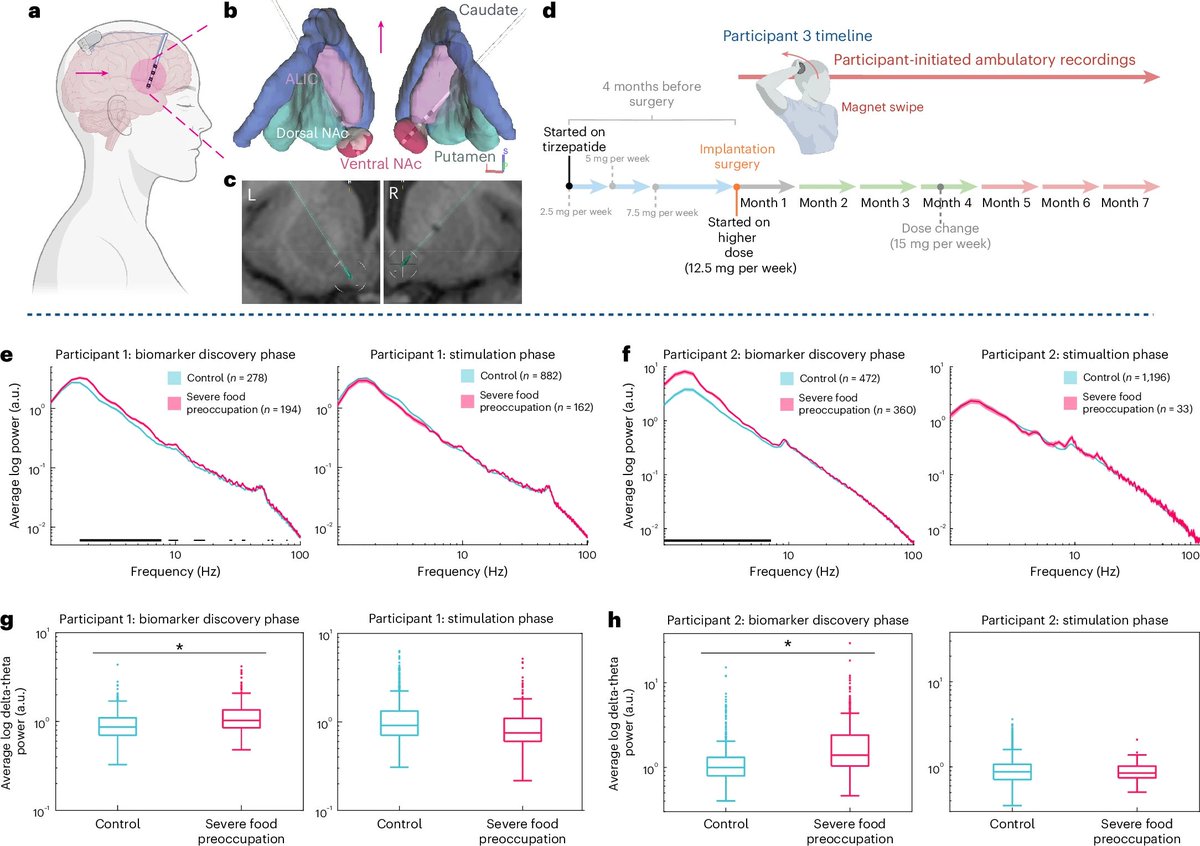
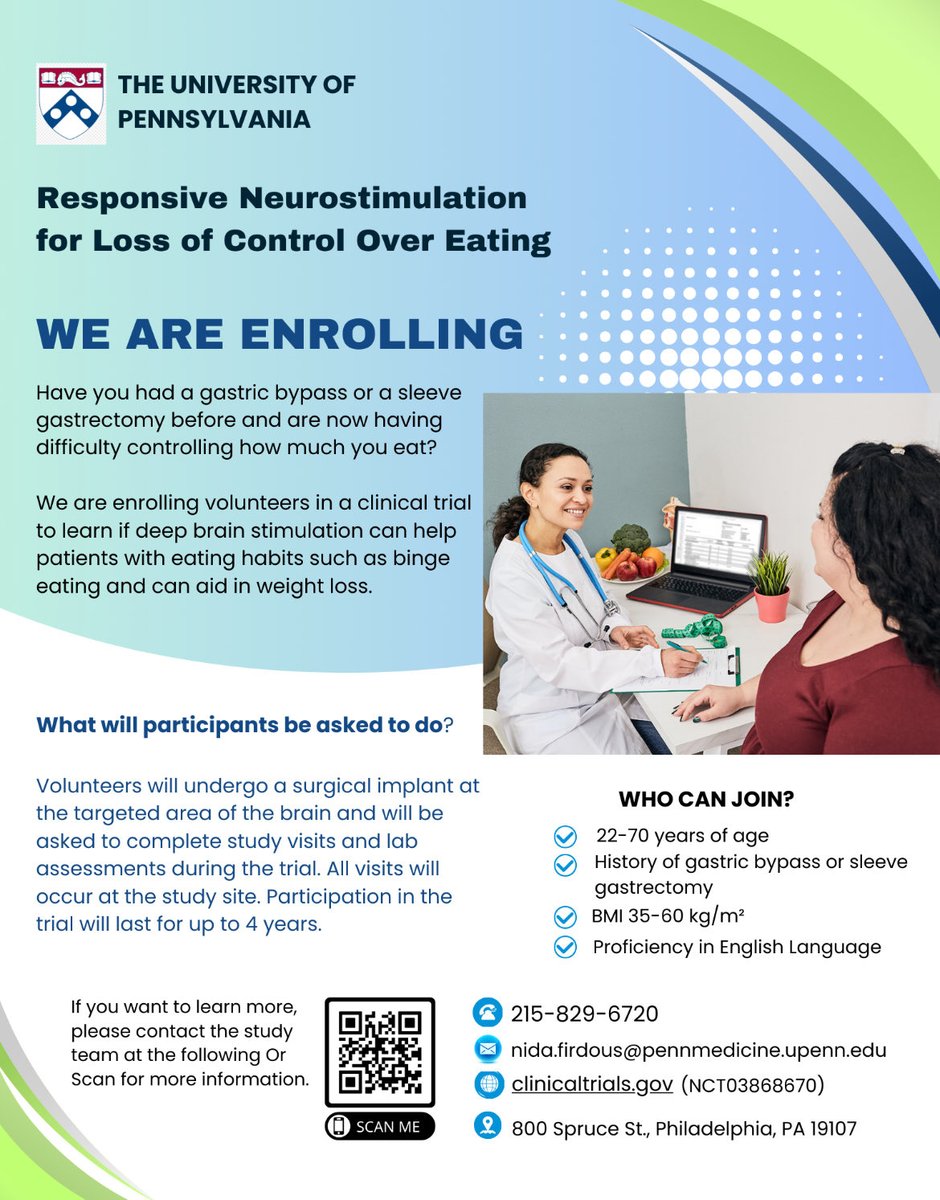
New in @NatureMedicine, @halpernc's team looked at the brain activity of a patient with loss of control eating on tirzepatide and revealed it may only temporarily suppresses signaling in the brain’s “reward center” thought to be involved in food noise.
➡️ https://t.co/4CfResGNs2
Six researchers at the Perelman School of Medicine received National Institutes of Health Director’s Awards through the High-Risk, High-Reward Research program, in recognition of their work in biomedical and behavioral science.
https://t.co/wx2K2LtHac
Congrats to @halpernc who received an @NIH Director's Pioneer Award!
This will support his work developing less invasive and non-invasive strategies for treating disorders found very deep in the brain, such as major depression, OCD, and substance use disorder.
Congratulations to @halpernc (@PennNSG), recipient of the NIH Director's Pioneer Award! Learn more about Dr. Halpern & his research interests here➡️ https://t.co/SxmijpGsXF #NIHHighRisk@NIH_CommonFund
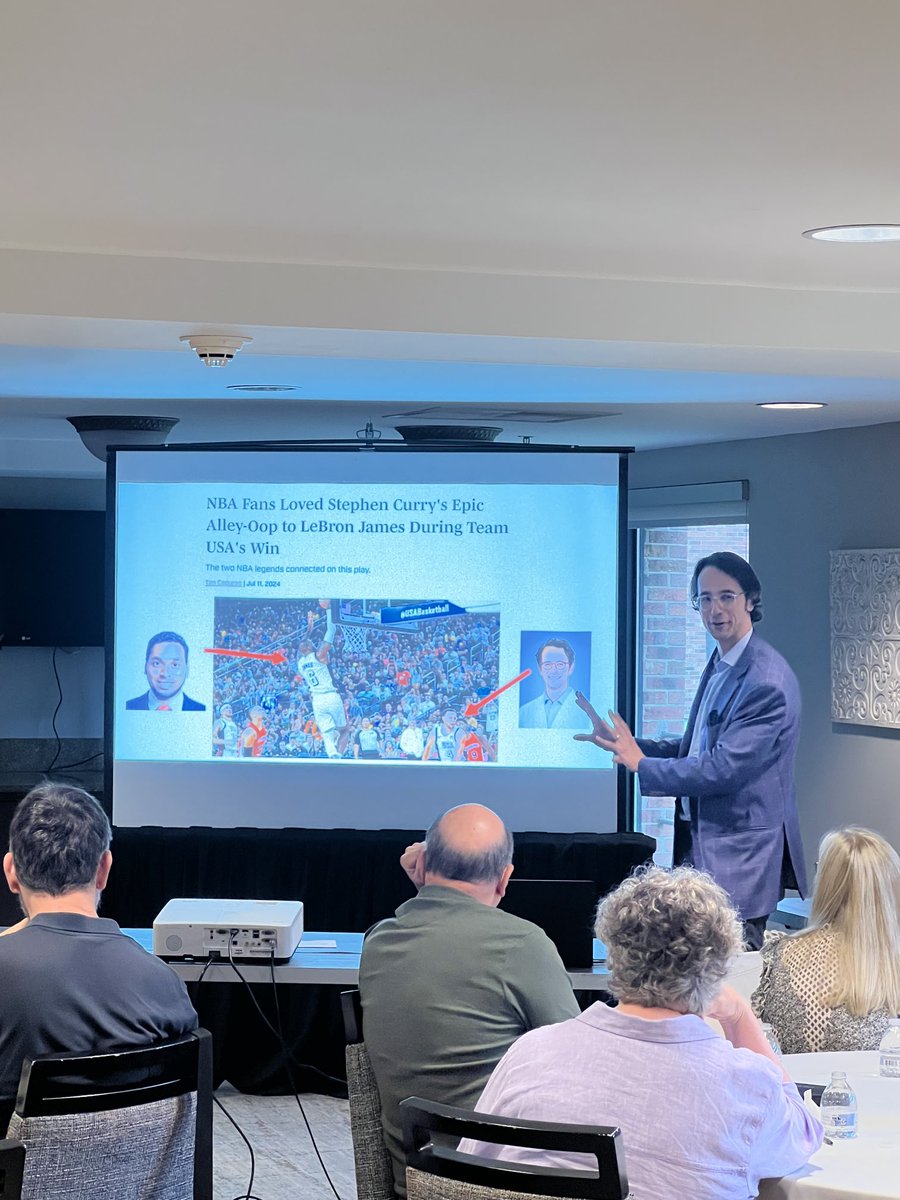
🏀 Just like Steph Curry’s alley-oop to LeBron James in the Olympics, it takes perfect timing, trust, and teamwork to make magic happen. The same is true in DBS therapy—when neurologists and neurosurgeons work hand-in-hand, we deliver slam dunk outcomes for our patients. 💪🧠
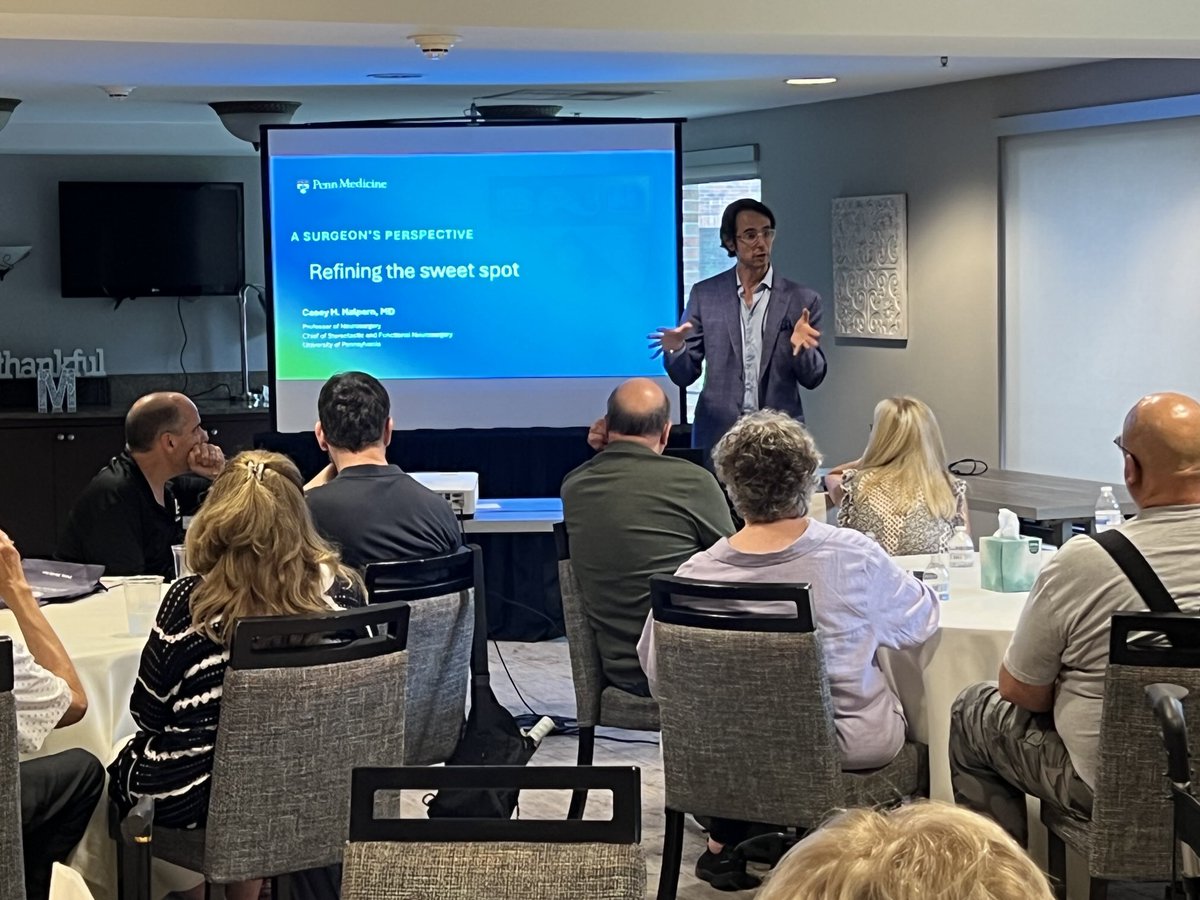
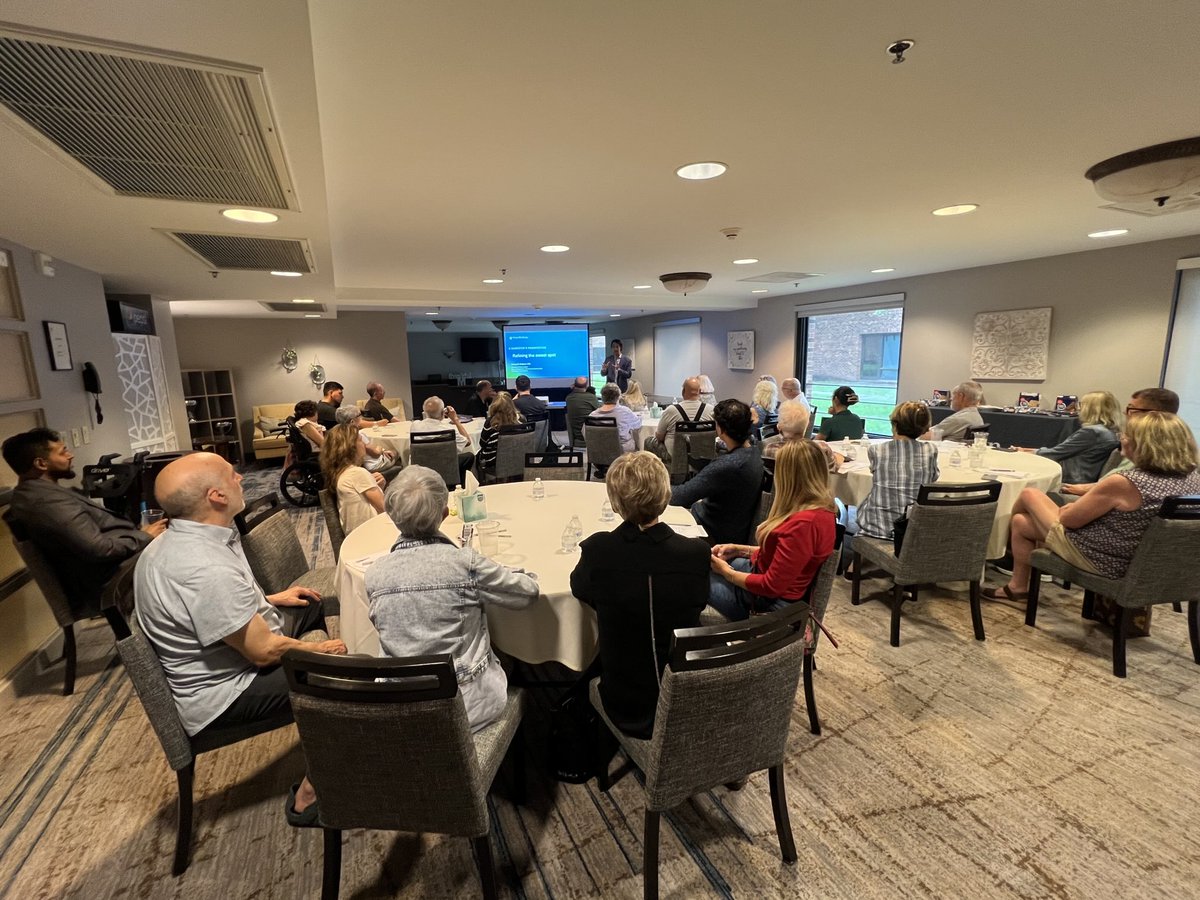
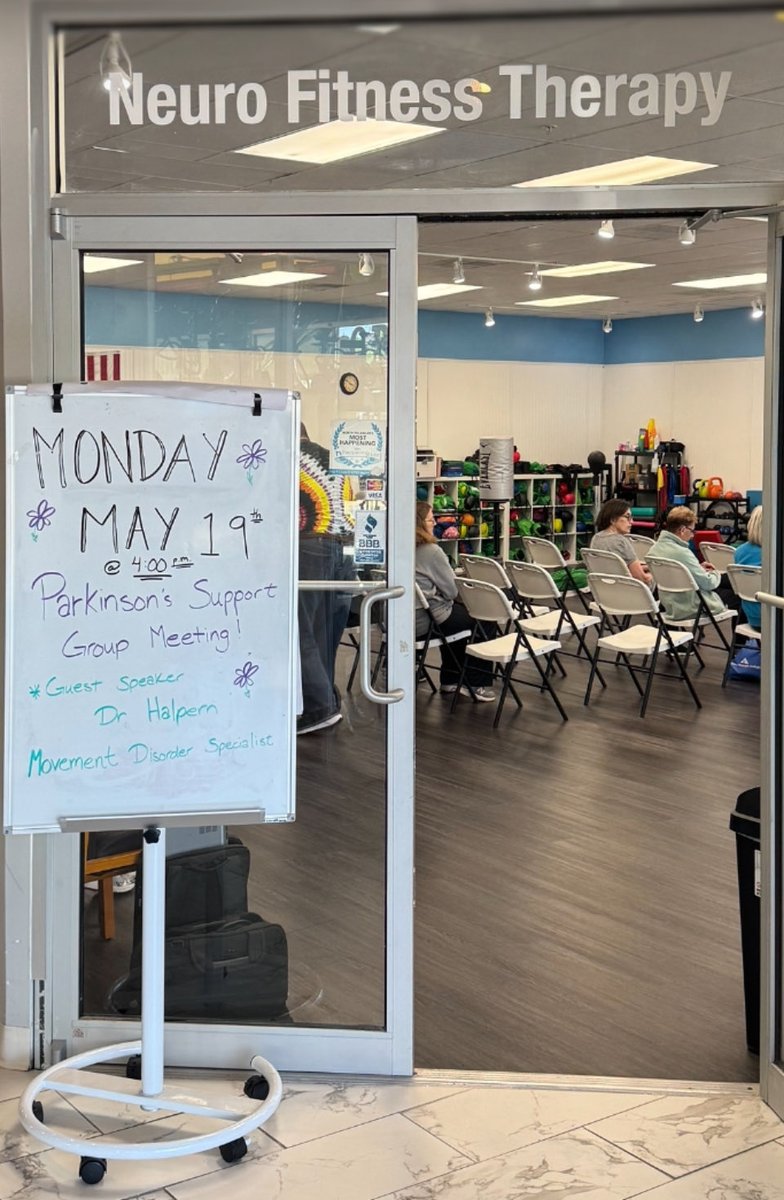
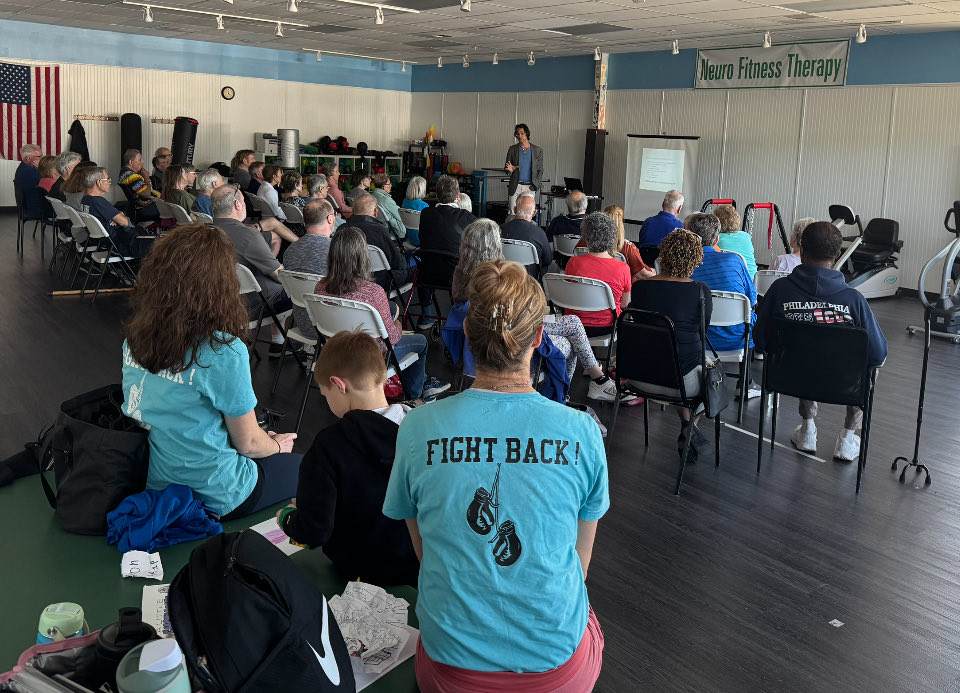
I was great educating patients and their caregivers about Adaptive Deep Brain Stimulation (aDBS) and other Neurosurgical options for Parkinson’s at Neuro Fitness Therapy in Wilmington DE today. What an amazing center for physical therapy!
#aDBS#DBS#medtronicDBS#PDtherapy
Focused ultrasound for tremor, now offered @Pennsylvania Hospital with anesthesia for those wanting this incredible treatment for tremor without having to experience being awake for an MRI-based procedure.
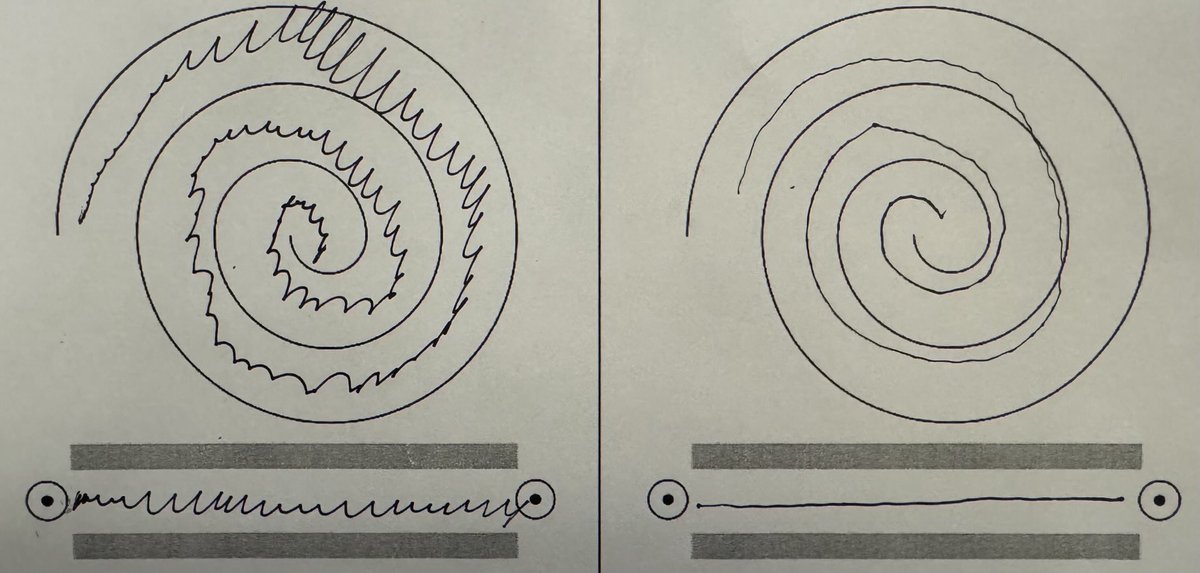
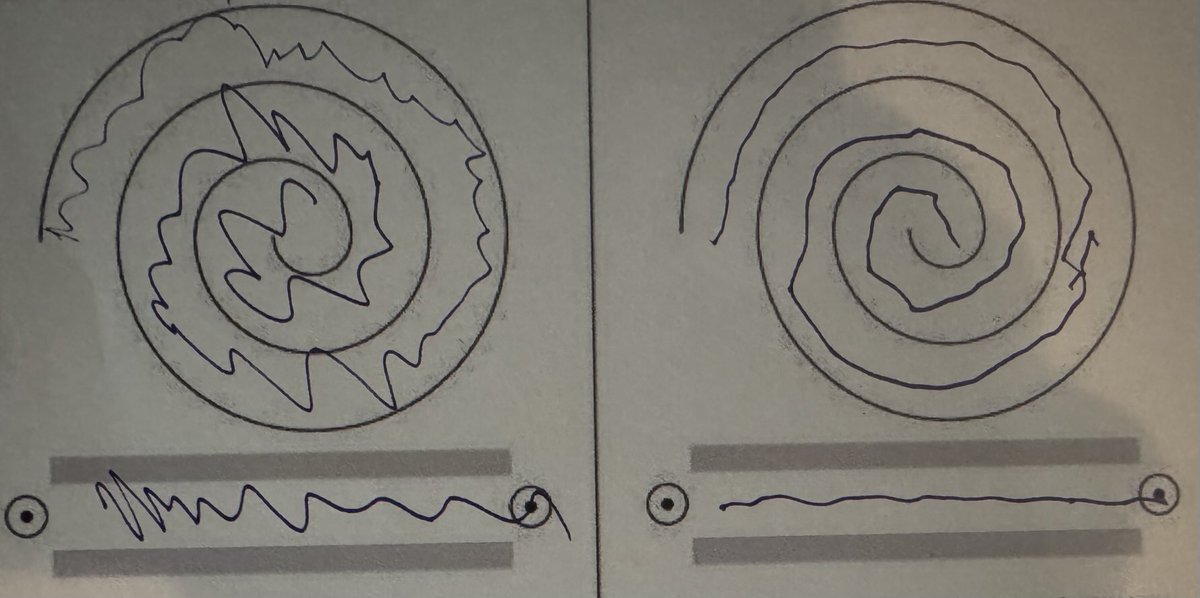
We see a lot of patients with essential tremor at Pennsylvania Hospital and for a variety of reasons, focused ultrasound, deep brain stimulation, or gamma knife may not be an option for all of them. We completed our first laser thalamotomy yesterday with this magical result!