Your financial statements show you where you've been. They don't show you where profit and cash are headed. A reliable financial forecast will get you out of the passenger seat and into the driver’s seat in your business.
https://t.co/QDG2S7G1Fc
From Peter Drucker in The Effective Executive: "The knowledge worker cannot be supervised closely or in detail. He can only be helped. But he must direct himself, and he must direct himself toward performance and contribution, that is, toward effectiveness."
Not everyone in business understands this!
Imagine this.
You are about to sit down with your business partner, your banker, or an investor (maybe even your spouse). They would like to learn how your business is doing from a cash flow perspective.
Not the nitty, gritty, greasy, grimy details. They just want to hear a short summary that enlightens them. Your goal is to provide that understanding (while also demonstrating that you know what’s going on in your business financially.)
Can you provide them an insightful understanding of your cash flow in a 2-minute conversation?
If not, start here: Cash Flow Focus Report → 2-Minute Summary → Rate Your Cash Flow Happiness 1–10.
Ten minutes a month.
https://t.co/vpVmiXhTUi
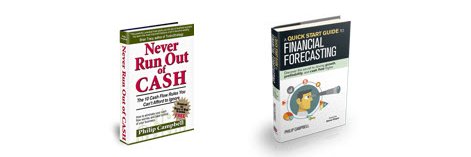
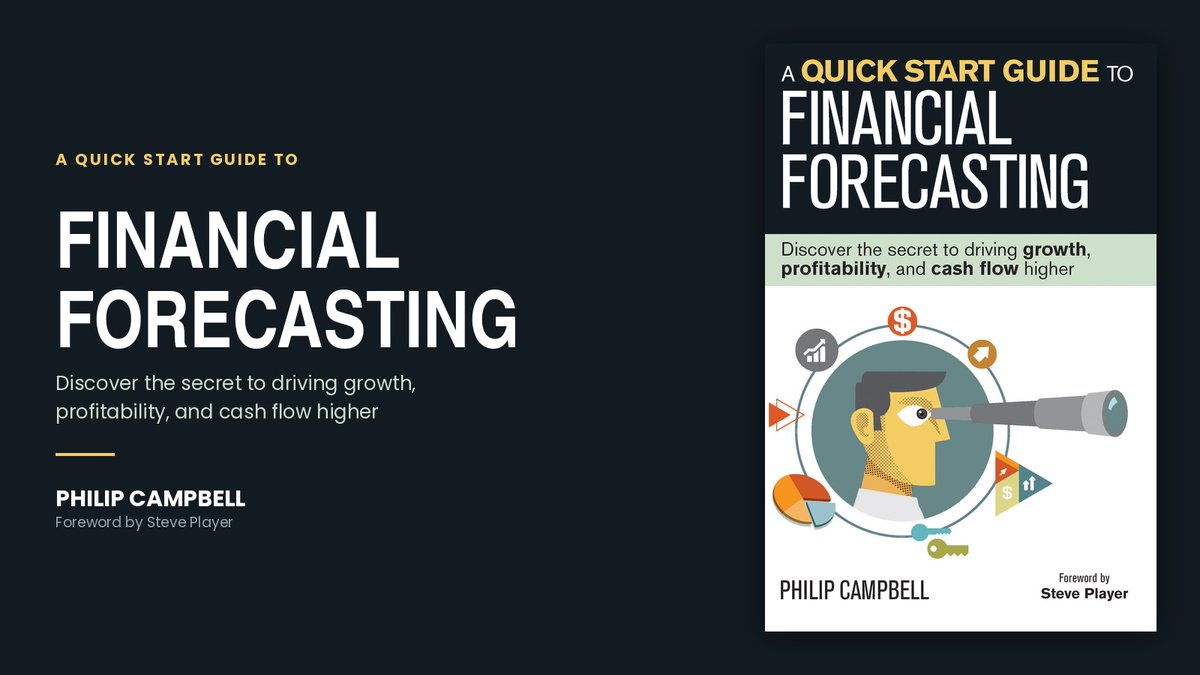
This is from my book, A Quick Start Guide to Financial Forecasting. It's about one of the most powerful tools in business — a clear view through the financial windshield of your business.
https://t.co/Tlty0XrQpR
Here’s a contrarian view of work I developed early in my career as a CPA, then later as a CFO:
Make sure I’m worth more than I’m paid.
The “normal view” is to make sure you’re paid what you’re worth. If your role or value to an organization is $150,000, then you should be paid $150,000. But I realized early on I could make more money, and create a more enjoyable career, by going at it differently than most people.
I decided to put my attention on growing my value. Take on bigger roles. Find ways to help the company make more money. Make a real difference for the CEO and the leadership team. Then work on making the money chase after me.
The "chase" part of the plan is to “tie a string” to the money. As your value goes up, the money will follow, because they are tied together.