I was talking to a grandmother last week about schooling. ‘I can see the difference’ she said. ‘When my children were young, primary school was relaxed. If the weather was good, they went outside and ran around. If they were sick, they stayed at home. Now with my grandchildren they are seated in desks for more of the day and if they are ill, they are worried that they’ll lose their 100% attendance for the term. The pressure is on to pass their phonics test when they are six and then to learn their times tables at speed by the time they are nine. They feel it and their parents feel it too’.
There’s lots of talk about SEND (special educational needs and disabilities) at the moment, and how increasing numbers of children are being identified as SEND. It’s less common to ask questions about what SEND really means, and whether the education system creates more children ‘with SEND’ as it becomes more pressured and rigid.
For what SEND really means is that a child cannot learn in the way which mainstream education expects. They cannot keep up with expectations, either for academic work or for behaviour. SEND is something which happens in the interaction between a child and the education system. In a system where no 6-year-old is expected to sit still and learn to write their name, then a 6-year-old who just wants to run around outside isn't a problem. In a system where everyone is meant to be able to read by age 6, then they are.
We know from research that if a child is young in their year, they are more likely to be identified as ‘having SEND’. We know that summer born boys are far more likely to be identified as ‘having SEND’ than autumn born girls. We know that the impact of this immaturity resonates through the years, with the youngest in the year doing less well at GCSE. We know that the number of children ‘with SEND’ is going up year on year.
It's not really plausible that more children each year have difficulties in learning, nor that being born in August makes you more likely to have learning problems than if you are born a few weeks later in September.
It’s far more likely that in the push to ‘drive up standards’ the education system is becomes less, not more, suited to how children develop and learn. It’s more likely that the system is penalising immaturity – and children are inherently immature. That isn’t a lack or a defect, it’s a defining part of childhood.
As the education system becomes more rigid and pressured, we’d expect more children not to be able to manage without adaptations. This is exactly what we see. Those children are holding up the flag for all the others, saying that this system is not child-friendly and doesn’t take account of developmental needs and differences.
What if, instead of having higher expectations of the children, we had higher expectations of the education system? What if those expectations were of flexibility, reducing pressure and prioritising lifelong learning and wellbeing instead of short-term testing?
What if we saw the increasing number of children ‘with SEND’ as a sign that the system isn’t working for the many ways in which children develop, rather than a sign that more and more children have learning difficulties? We’ll never sort the ‘SEND crisis’ until we start looking at SEND as an interaction between children and the education system. The more rigid the system is, the more children it will fail.
Illustration by @_MissingTheMark from the book A Different Way to Learn.
We are a great team and have a reputation for high quality service. We support early career psychologists and have a strong research focus - what’s not to like?
If you’ve got to half term and fancy a change, why not check out our new job roles. We also need a maternity cover from January so get in touch! https://t.co/bubH6xyNE8
Our Deputy Principal EP role is new, offering a unique opportunity to contribute to the future development and sustainability of our highly respected, successful, psychology-led organisation https://t.co/bubH6xyNE8
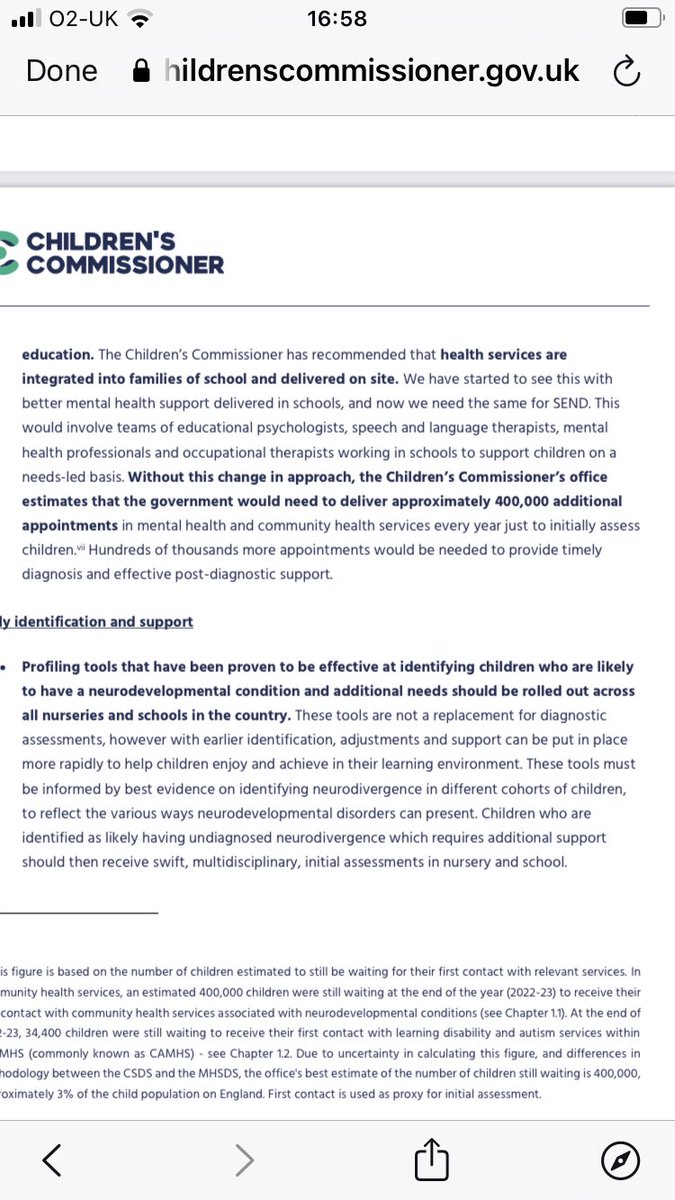
@BBCWorldatOne The CC currently being interviewed is completely wrong-it is not necessary to have a diagnosis to get an EHCP - the educational support is not dependent on a diagnosis
@BBCWorldatOne The CC currently being interviewed is completely wrong-it is not necessary to have a diagnosis to get an EHCP - the educational support is not dependent on a diagnosis
🚨 6pm tomorrow 10.10.24 🚨
💻Online🛜
Come and find out about the Applied Educational and Child Psychology Doctorate at the University of Birmingham. To register, scroll down to ‘Open Evening’ and click ‘register online’
https://t.co/NPXnbL7LXY
As well as a new DPEP position we are also recruiting a maingrade EP/ specialist practitioner. Applications from Locums also welcome - we are a great team - 3 weeks to apply https://t.co/bubH6xzltG
📢New EP job vacancy
@catalystpsych, a community interest company, is looking to appoint a new Deputy Principal Psychologist.
🗓️Closing 30th October
💡Interviews 5th November
More information here: https://t.co/hFSj9RYKNu
Please like and share #TwitterEPs
To mark #BlackHistoryMonth2024, I took a group of amazing students from @RCDivineMercy on a tour of our city-centre to learn about how, in 1862, the humble cotton-workers of Manchester took a stand and refused to handle slave-picked cotton.👇🏻
Random request.
Does any company want to donate a decent coffee machine to a small, shattered Manchester charity, doing ace work for young people?
This instant coffee in our kitchen is breaking our spirits 🥹
Niche request but you never know
#FlatWhitesForAll
Interested in a career in Educational Psychology?
@BPSOfficial Division of Educational and Child Psychology is hosting a FREE online event where you can find out about the role & training routes.
📆Be there on 12th October
Register free till 11.10.24: https://t.co/kLZvgpyp6H
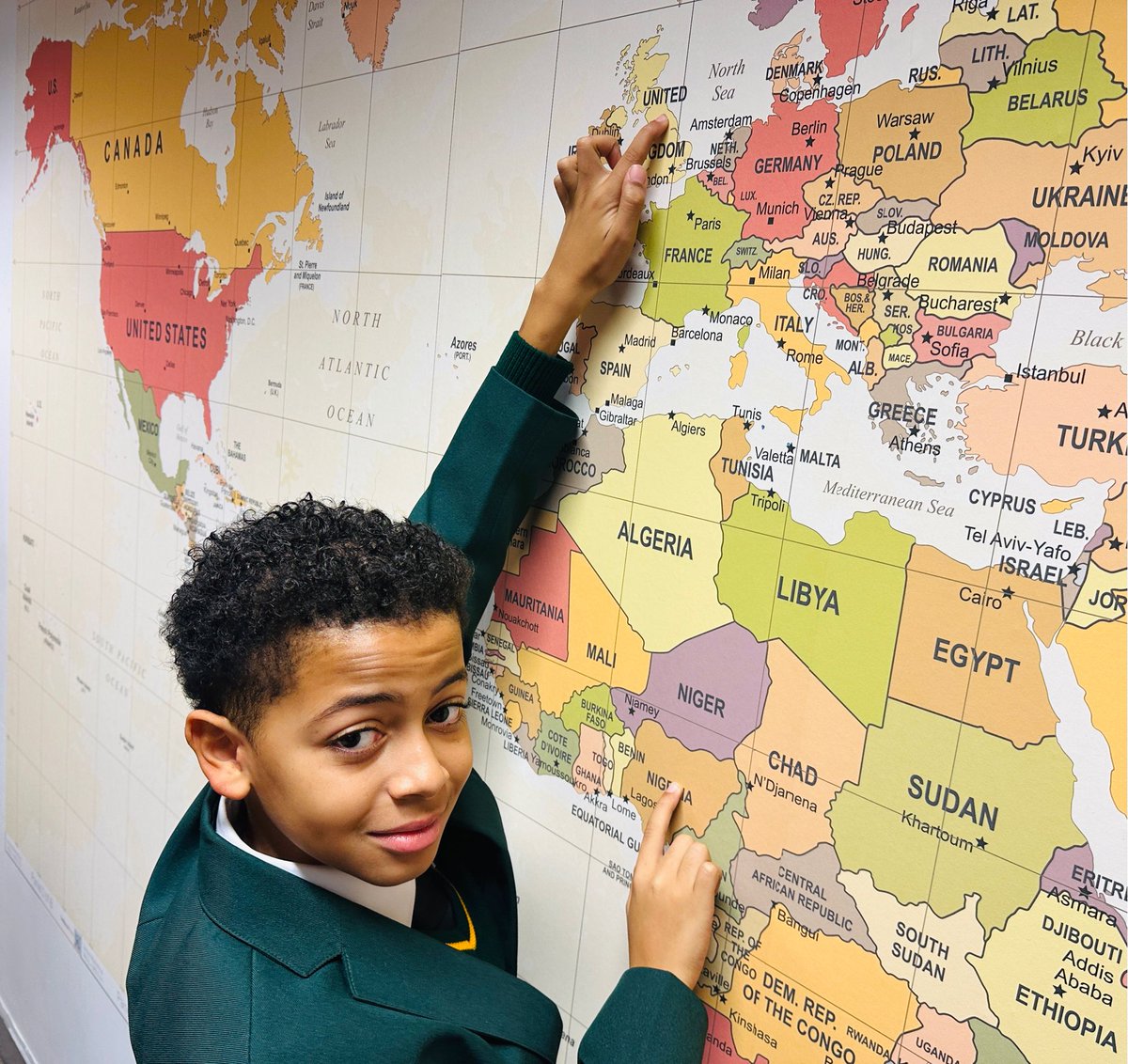
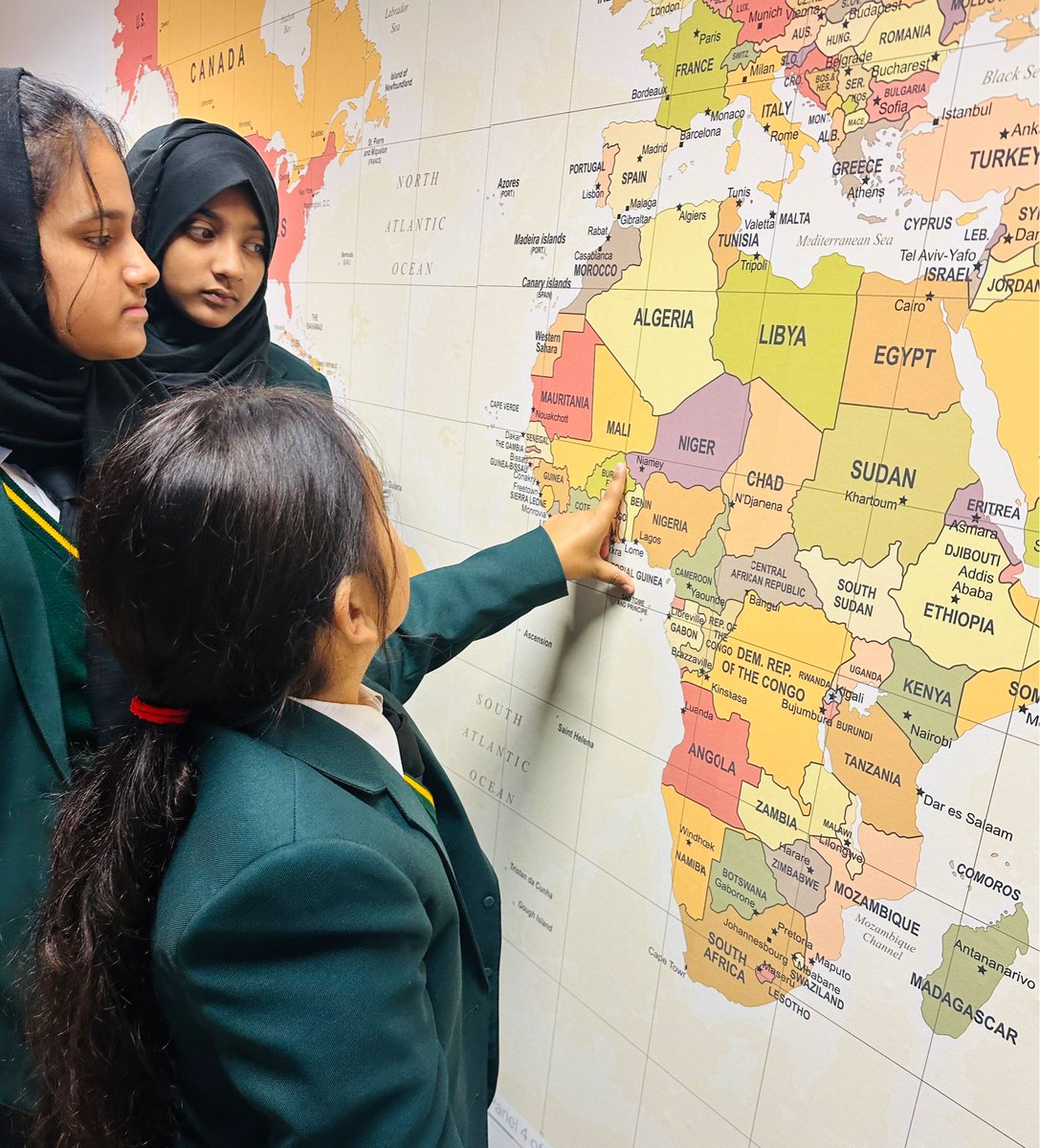
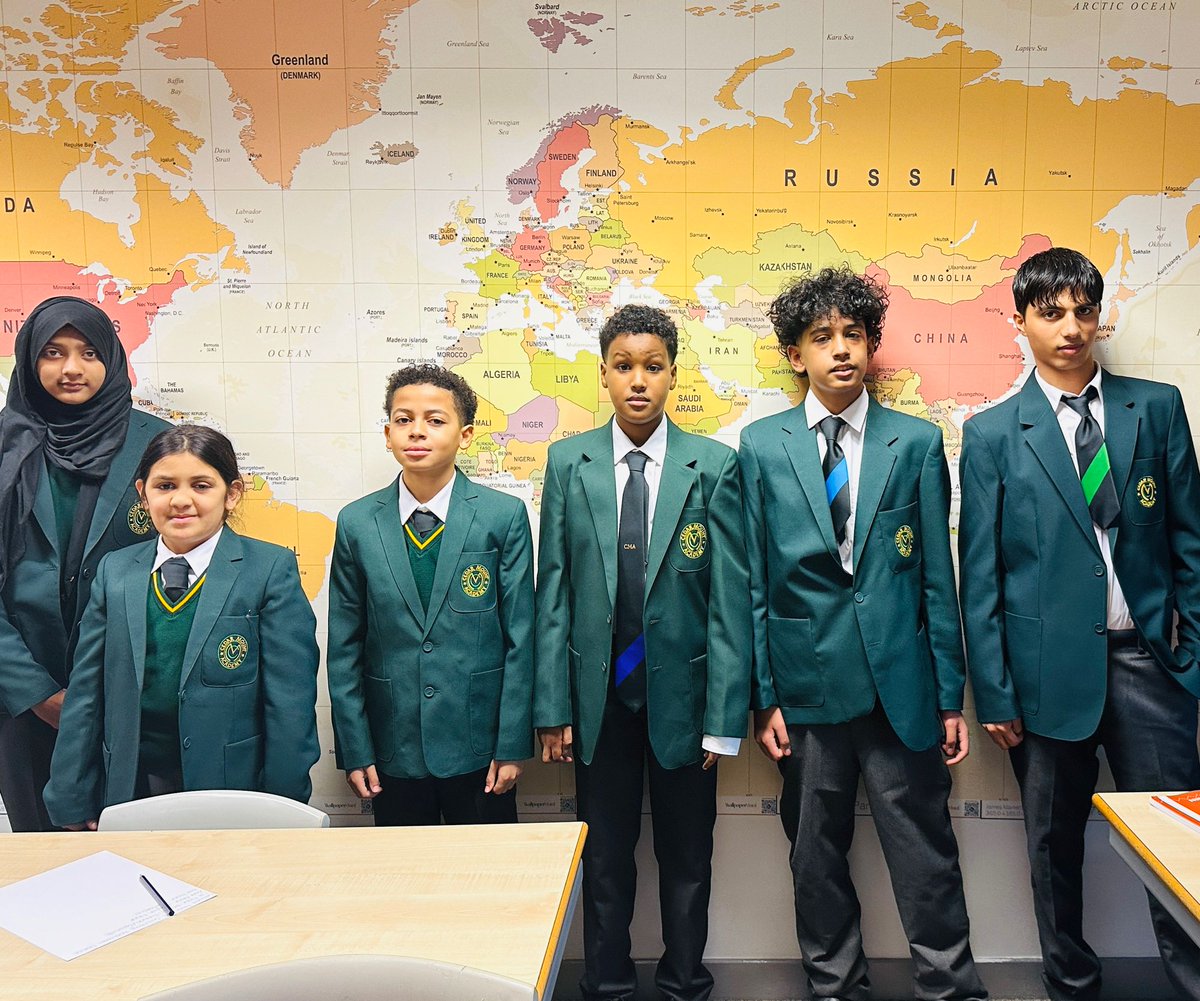
We’re very excited with our new World Map in our EAL classroom, our students are sharing where their families and friends are from, across the globe! 🌎🗺️ #TheCMAWay#WeAreBrightFutures@BrightFuturesET
Culture and art should be for everyone.
A world class arts venue that connects Manchester young people into jobs & opportunities in creative industries
Factory Academy by @factoryintl & supported by @ManCityCouncil continues to be groundbreaking.
https://t.co/Vh5K3RgKm8
Interested in finding out more about educational psychology training at the University of Birmingham? Join us for our Open Evening, Oct 10th 6pm, online. #twittereps Register here - scroll down the page to find 'Open Evening' and the link to register: https://t.co/aVks3hCTJS