This piece is part of "The After-Image" series of firsthand testimonies and reflections by local photographers, documentarians, and visual artists bearing witness to and living through the U.S.-Israeli war on Lebanon.
More here: https://t.co/98isInTfww
Israel has carried out at least 16 attacks since dawn that targeted vital civilian infrastructure and healthcare institutions in south Lebanon and the Bekaa Valley.
The morning began with heavy artillery shelling that explicitly targeted the immediate perimeters of the Nabatieh Government Hospital and the Nabih Berri University Government Hospital, in south Lebanon. The attacks in the south then expanded into the Bekaa, where a drone strike targeted the plains between Hizzine and Taraya, followed by a series of heavy airstrikes on the Barghaz Valley.
In Western Bekaa, Mashghara was hit repeatedly by Israeli drone strikes, accounting for six of today's attacks alone. Meanwhile, consecutive airstrikes targeted residential areas in Toura, Shoukin, Deir Qanoun al-Nahr, and Abbassiyeh. On the ground, the Lebanese Army successfully intervened to dismantle an unexploded Israeli munition dropped directly inside a critical water treatment station in Ibl al-Saqi. This operation led to them discovering an Israeli surveillance drone monitoring the Halta area of Hasbaya.
This wave of Israeli aggression builds on yesterday's attacks, which reached the hundreds, including 15 massive airstrikes and a massacre that killed nine people in Tayr Debba.
Since March 2, US-backed Israeli attacks have killed at least 3,666 people killed and more than 11,321 injured. There have been over 160 direct attacks on healthcare facilities and medical teams, which includes the complete destruction of more than 100 emergency vehicles.
Satellite images, circulated on village WhatsApp group chats, are how some Lebanese families from the south visit their homes. Journalist Zaynab Mayladan (@zaymayladan) reflects on image analysis as a form of return in "The After-Image":
https://t.co/cMqxeHUWpH
In this interview by Christina Cavalcanti (@cavalcantich), scholar Amal Saad (@amalsaad_lb) argues that the June 3 agreement conditions a ceasefire on Hezbollah halting fire while placing no reciprocal obligation on Israel.
Read the interview at: https://t.co/zQY6sRL2kS
I had 20 patients in my Pediatric War Injuries Clinic today, for follow-up care.
Of the 20 children, Israel had killed one or both parents of 19 of them.
🚨JUTS IN🚨The Mechanism Committee has reportedly instructed emergency responders in Maarakeh to halt rescue operations, despite reports that survivors are still trapped beneath the rubble.
In other words, rescuers are being prevented from pulling people out because Israel has demanded this, which suggests it may strike the area again.
Imagine surviving the initial bombardment, buried alive under concrete, hearing rescuers above you, only for the search to suddenly stop because another strike is feared. This is what dystopian times in south Lebanon now look like.
They are not even being allowed to save the wounded & trapped.
The Israeli attack on Masghara, in Lebanon's Bekaa Valley, resulted in a massacre: 12 people, among them were Sheikh Hussein Rizq, Samir Rizq, Hamza Rizq, and his two daughters, as well as Ali al-Anqouni and his wife.
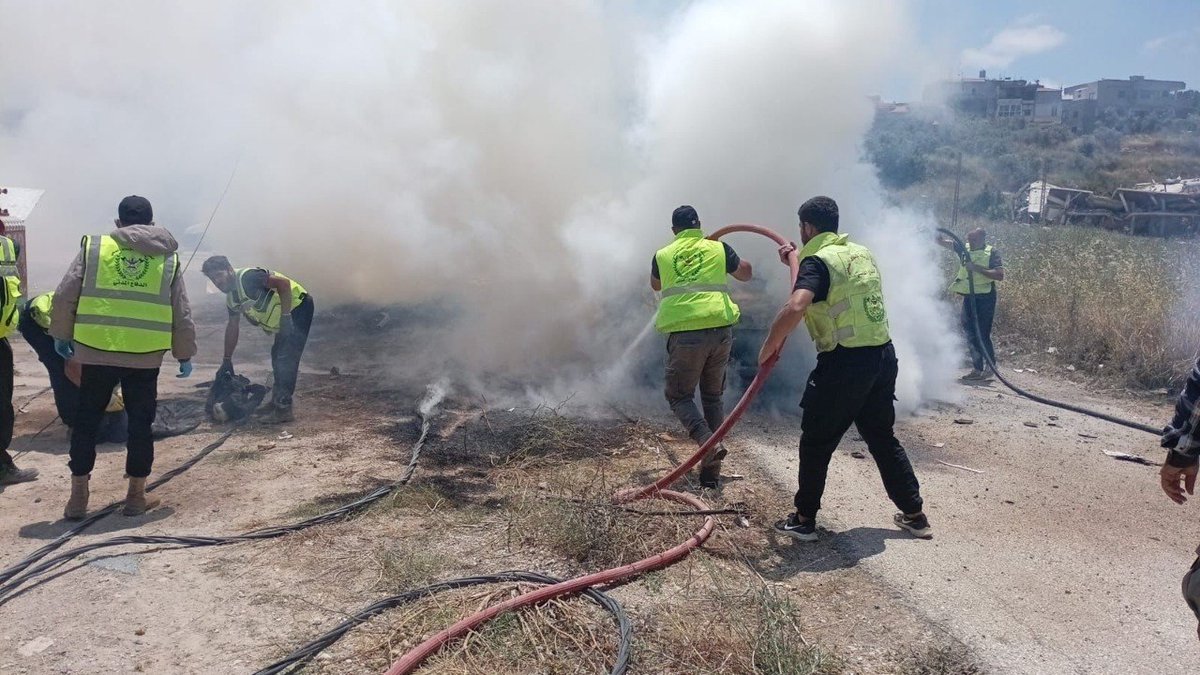
Since morning, Israeli warplanes and drones have targeted multiple areas. Moments ago, in the southern Lebanese town of Srifa, an Israeli drone strike targeted a medical first-aid center belonging to the Al-Risala Health Ambulance Association.
For Resistance and Liberation Day, 3 photographers from southern Lebanon (@batulsamra, @HassanShehadi, @HasanFn7) reflect on acts of defiance & resistance, the power of shared memories, collective returns home, engagements in battle, and the inevitability of a third liberation.
Photographer Hasan Fneich (@HasanFn7) turns his lens toward the shaky, blurry images that survive Israel’s relentless bombardment.
He reflects on the image in the context of war for our latest piece for "The After-Image": https://t.co/WzUHZcB3CS
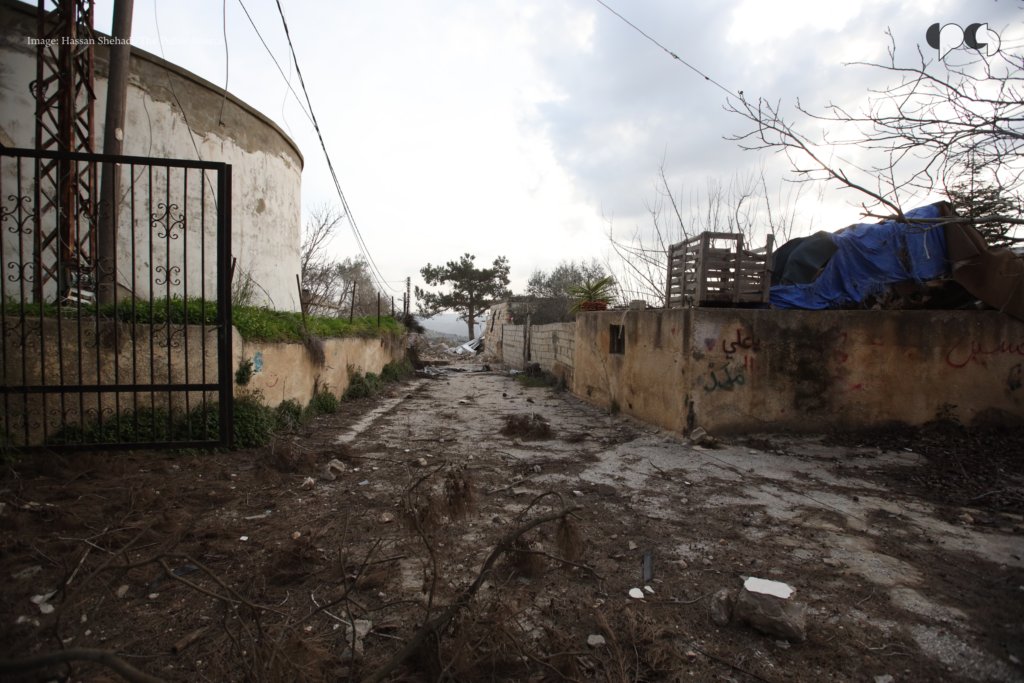
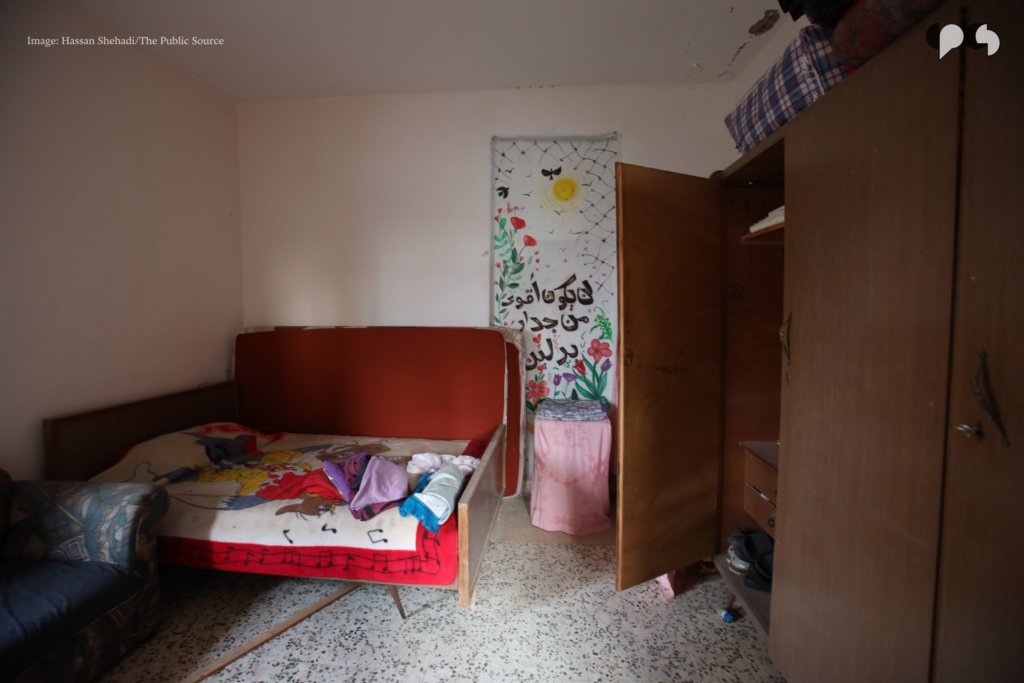
Southerner Hassan Shehadi (@HassanShehadi) returns to Markaba to document what remains after Israel’s bombardment and reflects on why the future of this land will be shaped by everyday acts of defiance.
Read his thoughts in "The After-Image": https://t.co/dvHcppmy7N
“What’s striking is how quickly the mindset shifts: from thinking about how to flee to thinking about how to resist.”
Photographer Batul Samra (@batulsamra) traces what made it possible for her family to stay in southern Lebanon in “The After-Image”: https://t.co/zar7nzx2Nn
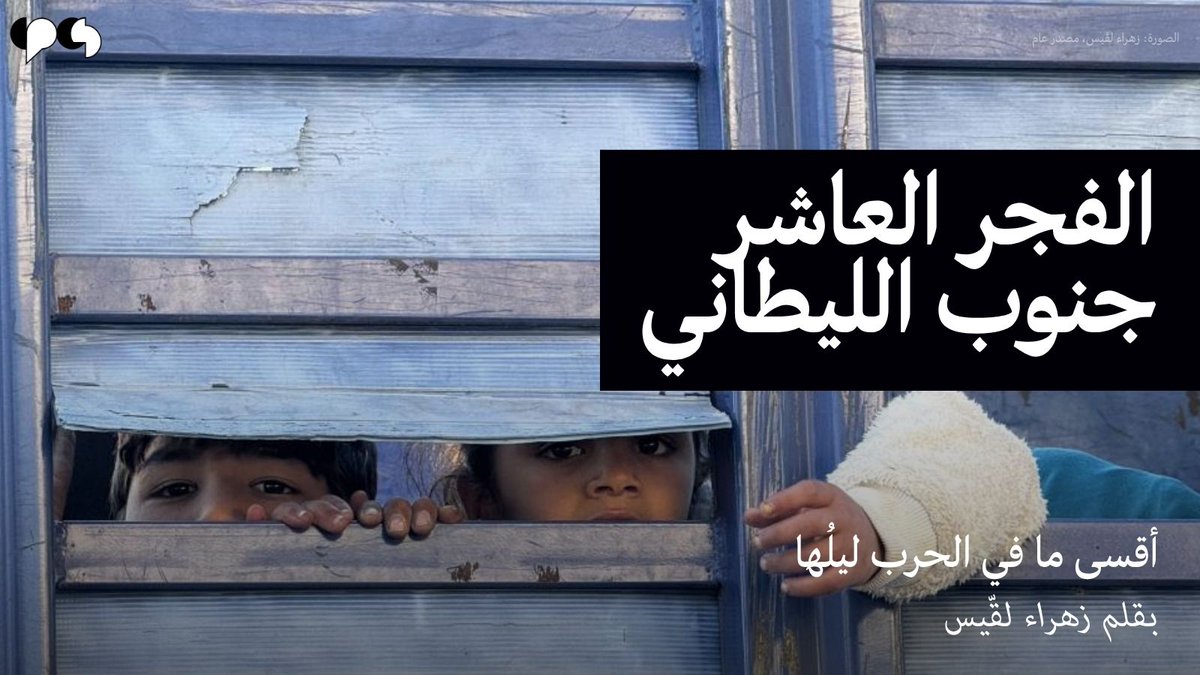
”تقول أمي أنّ أقسى ما في الحرب ليلُها.“
شهادة المصورة زهراء لقّيس من قلب الجنوب عن الأب الشهيد، النزوح الذي لا ينتهي، والفجر المتسلل. اقرأوا تفاصيل ليلة من ليالي الحرب على: https://t.co/AAQRXToCLk
“I don’t document the war alone. I document people. It’s a duty.”
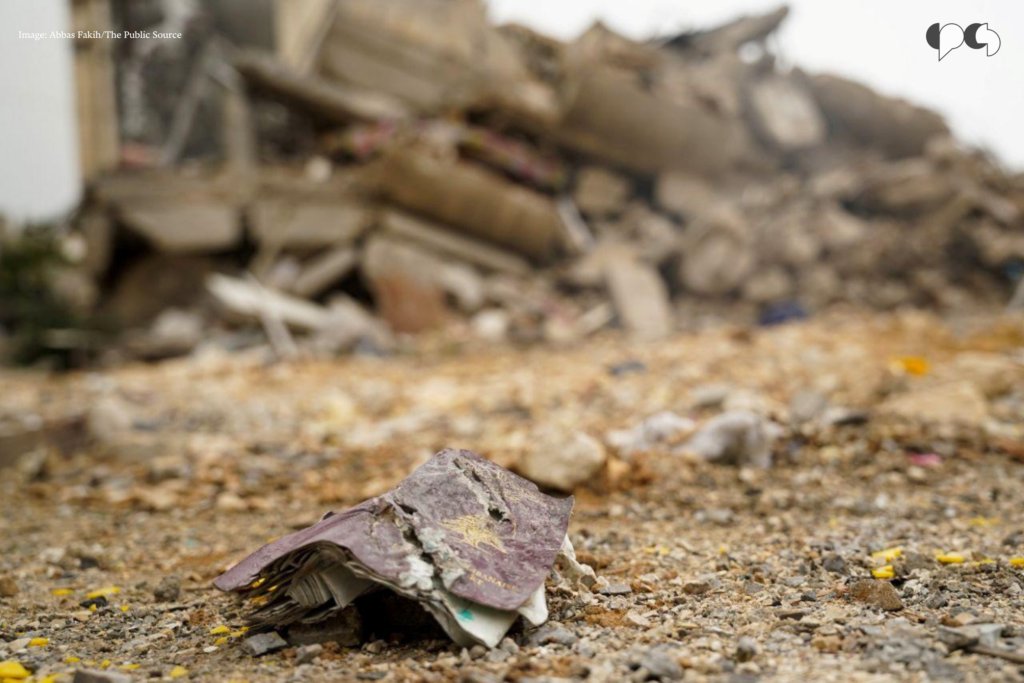
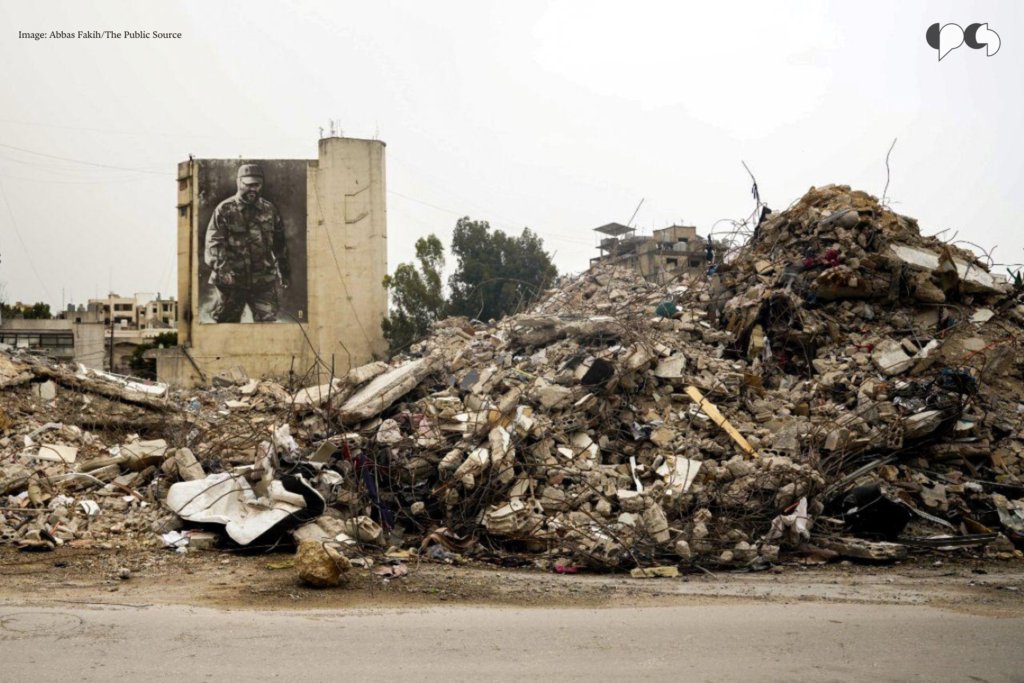
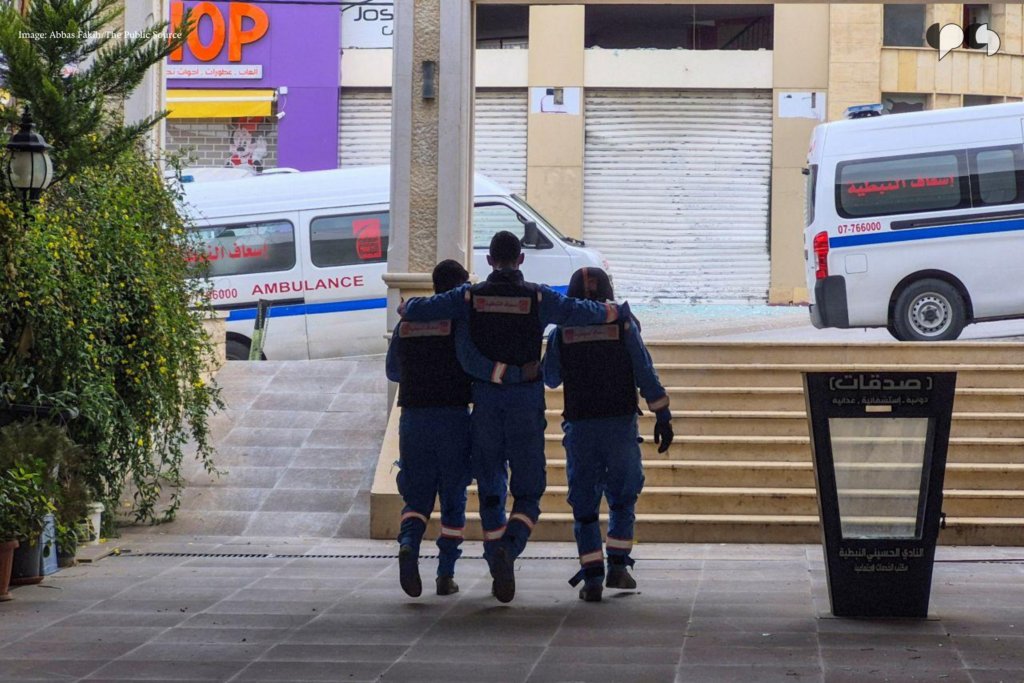
Photographer Abbas Fakih (@fakihh_abbas) returns to his hometown of Nabatieh to document an archive of faces he could not bear to lose: friends and neighbors killed in Israeli airstrikes over the last 16 months.
https://t.co/mAaG0evKIj
The lack of news on Gaza isn’t because the genocide is over.
It’s because Israel slaughtered the journalists and Western media pretends there’s a ceasefire.
الجيش اللبناني حاول الوصول إلى البلدة، لكن السلطة تلقت تهديداً بقصف أي قافلة للجيش! المطلوب الضغط على السفير الأميركي، الوصي على الميكانيزم، كونه المسؤول عن منع الجيش من الوصول.
📸 Announcing the launch of “The After-Image,” a collection of firsthand testimonies from local photographers, documentarians, and visual artists bearing witness to the U.S.-Israeli war on Lebanon.
Amal Khalil was born in 1984 in a village under Israeli occupation in southern Lebanon. She spent twenty years reporting for Al Akhbar newspaper. She said journalism was resistance by other means. This interview with her was published three months ago.
https://t.co/AZaSgU46gn