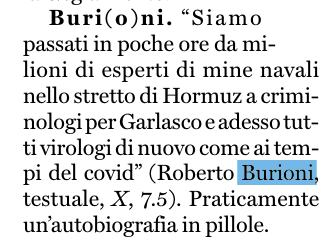
Mi trova @marcotravaglio (che con la storpiatura del mio nome Burioni-Burini mi riporta alle elementari) un post nel quale io abbia parlato di Garlasco o di mine? Capisco che gli sto antipatico perché difendo l'Ucraina, ma la realtà è un optional anche per i giornalisti famosi?
La metto più semplice, magari così si capisce: c'è stato un ottantenne disarmato e pacifico cacciato fisicamente da una strada della sua città da un bulletto che lo ha fisicamente sovrastato. E voi state discutendo delle ragione dell'ottantenne e di quelle del bulletto.
There are battles that belong to strategy, and there are battles that belong to memory. Monte Cassino belongs to both, but to the Poles above all it became something deeper, almost sacred. It was not simply a military objective perched atop a shattered Italian mountain. It was a reckoning. By the spring of 1944, the Allies had already hurled wave after wave of men against the German defensive line anchored on the heights of Monte Cassino, and each assault had failed. The terrain itself seemed to resist conquest, steep, broken, exposed, a landscape of stone and fire where every approach was observed and every advance punished. The ruins of the ancient abbey loomed above it all, reduced to rubble yet still dominating the battlefield like a tomb that refused to close.
Into this crucible came the Polish II Corps under General Władysław Anders. These were not ordinary soldiers, but men who had survived Soviet prisons, deportations, starvation, and exile, men for whom the road to Monte Cassino had begun in the frozen wastes of Siberia. They were told to take the mountain, a task that bordered on the impossible, as German paratroopers held fortified positions carved into rock and every path upward was covered by machine gun fire, artillery, and mortars. The Poles attacked in May 1944, advancing at night through minefields and shattered stone, carrying ammunition and wounded alike up slopes that seemed to reject human presence. Progress was measured in meters and paid for in blood. One soldier later recalled, “We went forward because there was nothing else left for us to do. Behind us was not safety, but memory,” while another wrote, “The mountain was not earth. It was fire and iron. You did not fight on it, you endured it.”
The first assaults were repulsed with heavy losses, entire units cut down trying to seize key ridges, yet they did not break. They regrouped and went forward again, driven by something greater than orders. Anders understood the cost, but also the meaning, that for a nation occupied and erased, this battle was a declaration that Poland still fought. “We knew the price,” he is remembered to have said, “but we also knew that there are moments in history when a nation must prove it still exists.” The final assault came through relentless pressure, Polish units clawing their way up the slopes, taking one position after another in brutal close combat until the Germans, worn down and facing encirclement, began to withdraw.
On May 18, 1944, Polish troops reached the summit and raised their flag over the ruins of the abbey as a bugler played the Hejnał Mariacki, its notes carrying across a battlefield that had consumed thousands. It was victory, but also mourning. Over 900 Polish soldiers were killed and thousands more wounded, the slopes left marked by graves as much as by craters. The cemetery below bears the inscription, “For our freedom and yours, we Polish soldiers gave our souls to God, our bodies to the soil of Italy, and our hearts to Poland.” Monte Cassino opened the road to Rome, yet for the Poles the triumph carried a bitter weight, their homeland still under Soviet control and their sacrifice largely unreflected in the postwar order.
Still, the meaning of Monte Cassino endures. It stands as a testament not only to military perseverance, but to a refusal to disappear, a determination to be counted among the living nations of the world even when history seemed determined to erase them. In the end, the conquest of Monte Cassino was not only a victory over terrain and enemy, but a victory over oblivion.
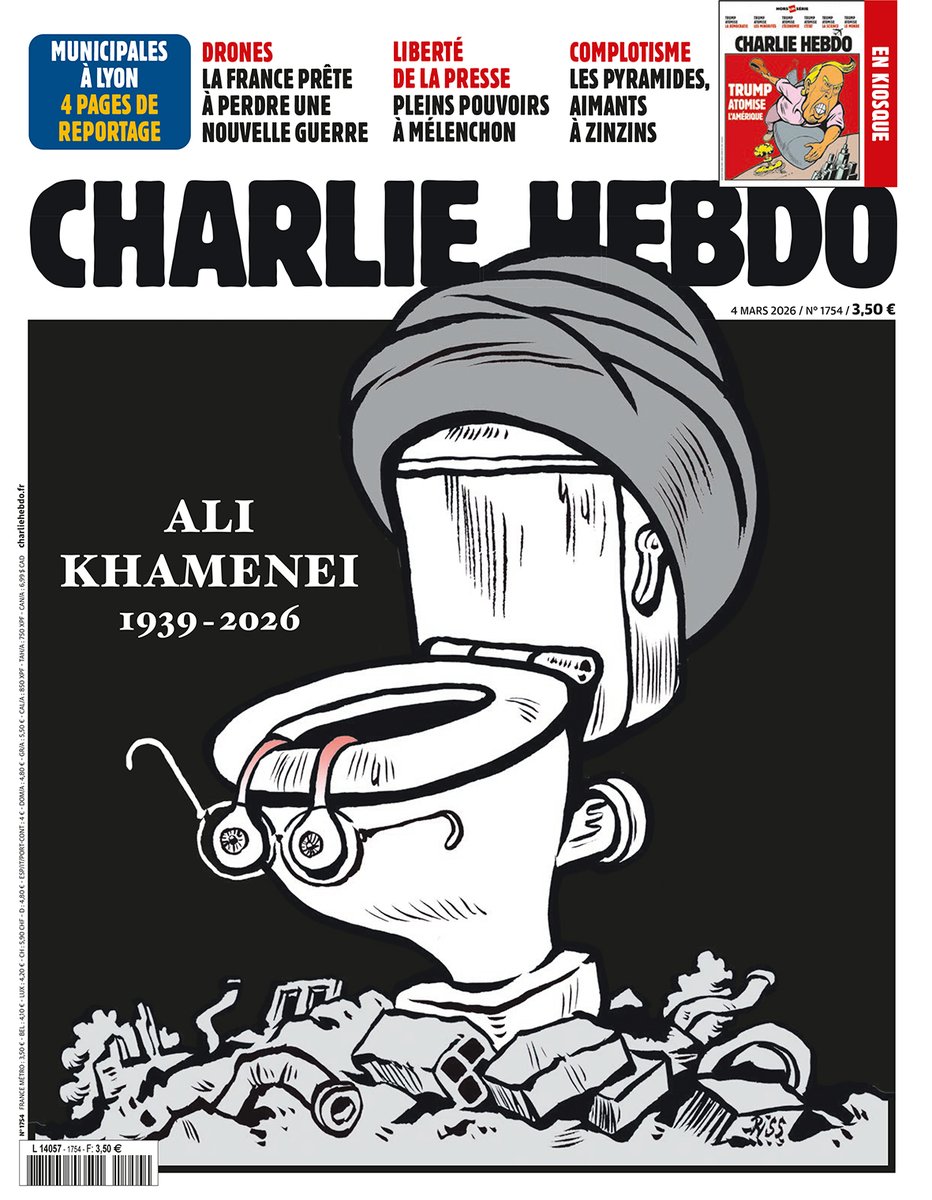
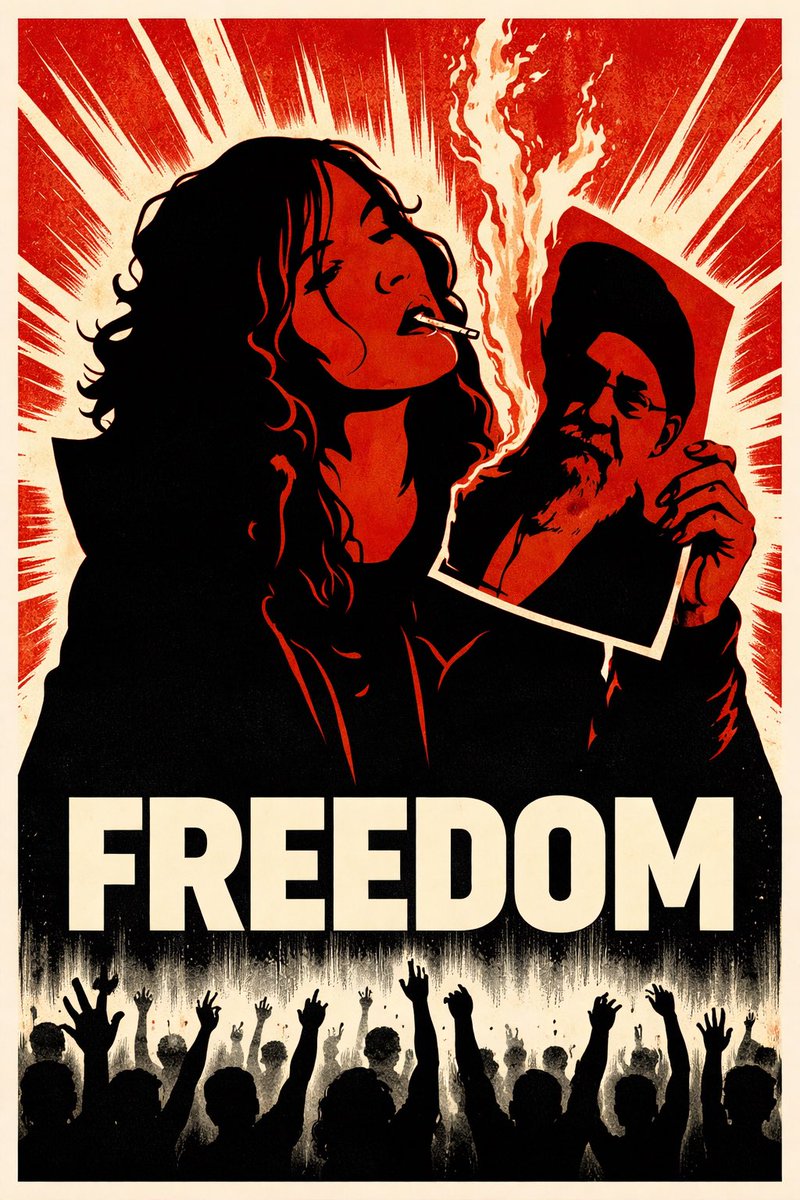
Ali Khamenei 1939-2026
👉 Dossier Municipales à Lyon : Lyon, zone tiède
👉 Khamenei : il nous manque déjà !
👉 Complotisme : les pyramides, aimants à zinzins
En vente mercredi !
A teacher with 900k+ YouTube subscribers has been accused of making students watch and comment under his videos for better grades
One former student claimed “The grade was a maximum of 8 if you didn’t comment, but if you did, you could get two higher grades”
It is Russia who rejected the peace plan prepared by the US, not @ZelenskyyUa. The only Russian response were further missile attacks on Ukrainian cities. This is why the only solution is to strengthen pressure on Russia. And you all know it.