ocelot with an invasive Plecostomus catfish in Mirador-Rio Azul National Park, Guatemala. definitely one of my favorite trail camera videos from this project! @Guatemala_WCS@garca_rony
this week we've got a very special feature... I call it DOUBLE #MonkeyMonday! we captured an interaction between a howler monkey (Alouatta pigra) and a spider monkey (Ateles geoffroyi) on one of our canopy camera traps with @Guatemala_WCS & @garca_rony (1/2)
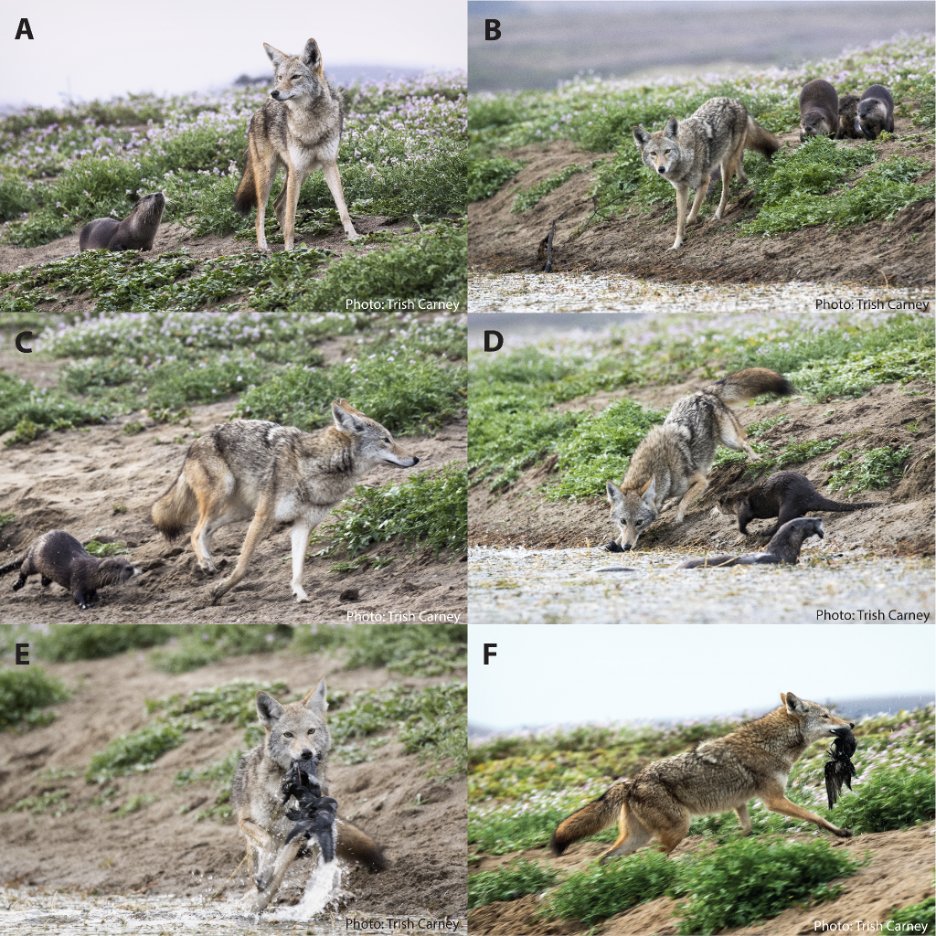
I am psyched to share our compilation of neat observations documenting coyotes stealing prey from river otters in @PointReyesNPS!
Out today in @Ecol_Evol, check it out: https://t.co/eG0JDVZi46
Bush dogs (Speothos venaticus) are the best forest cooperative hunters anywhere. In 40 yrs of fieldwork across 180 Amazonian forest sites, most of them very remote, I've only seen two packs hunting down a paca and an agouti.
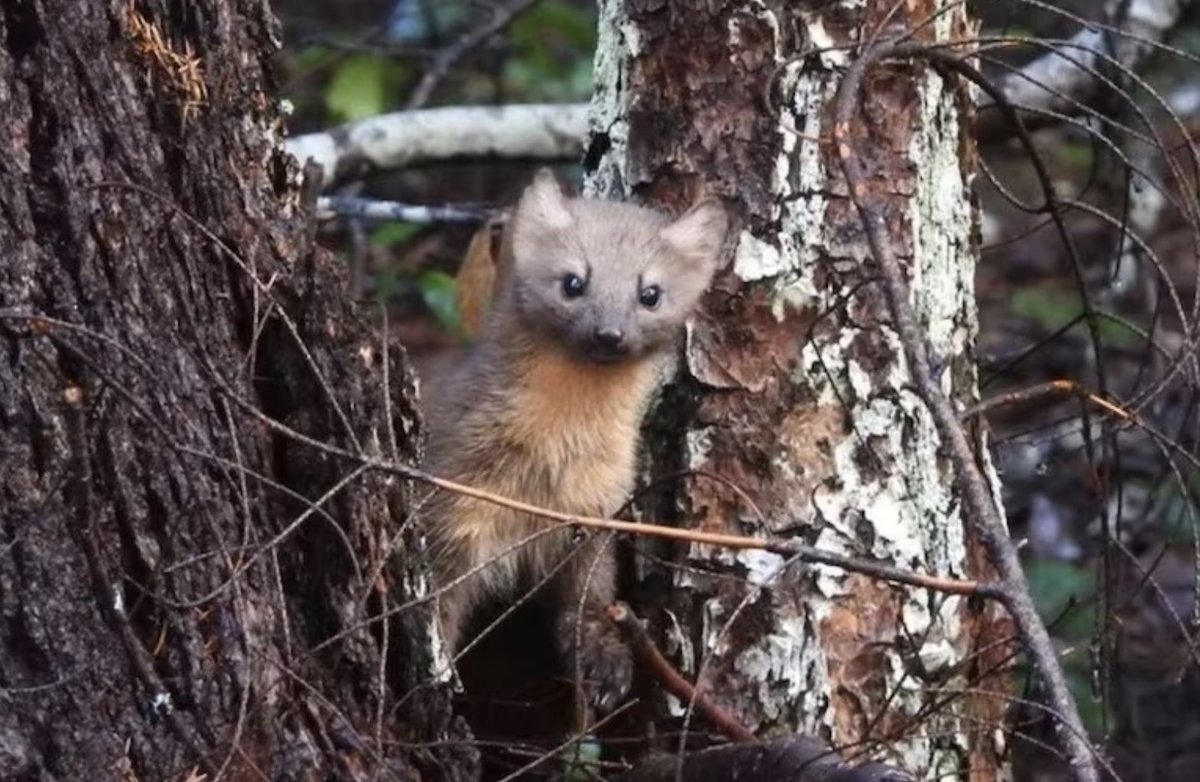
USFWS designated critical habitat for coastal marten in SW Oregon and NW California. There is an interesting history leading to the prior listing decision and this habitat designation. /1
https://t.co/yk7cSJFsAC
Photo by Mark Stevens, who worked in our lab as an undergrad
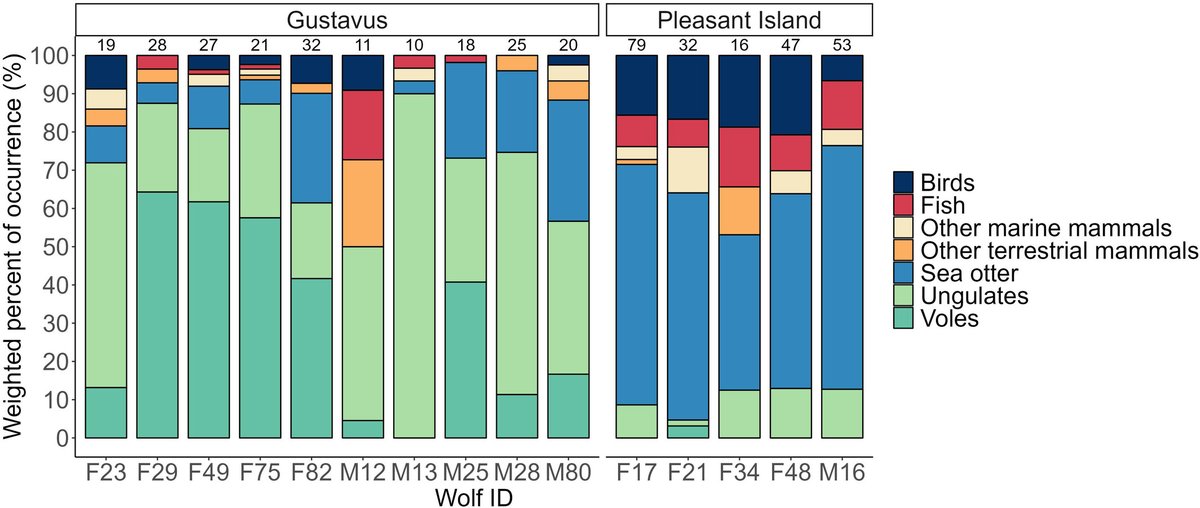
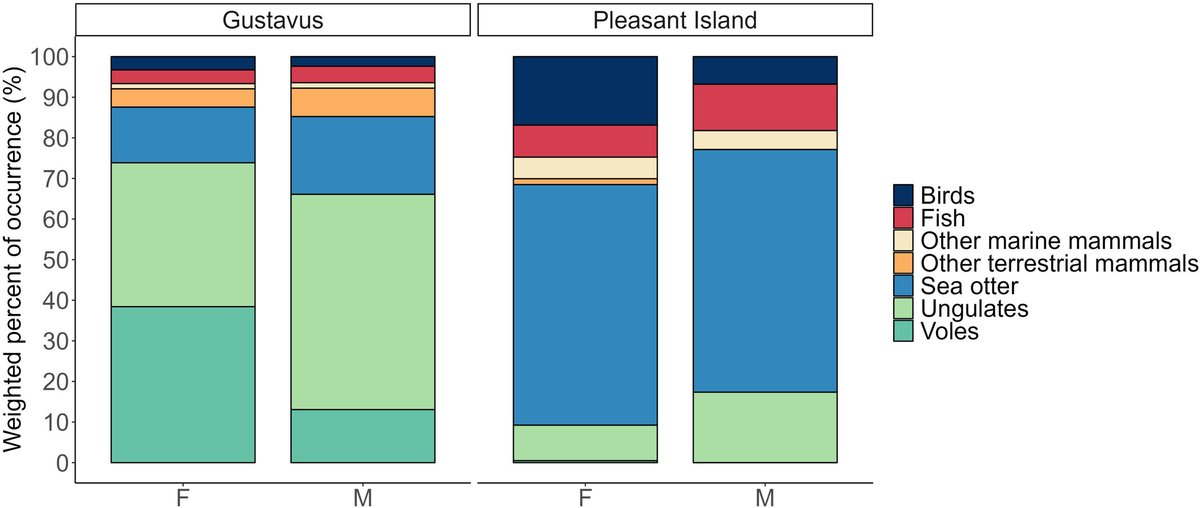
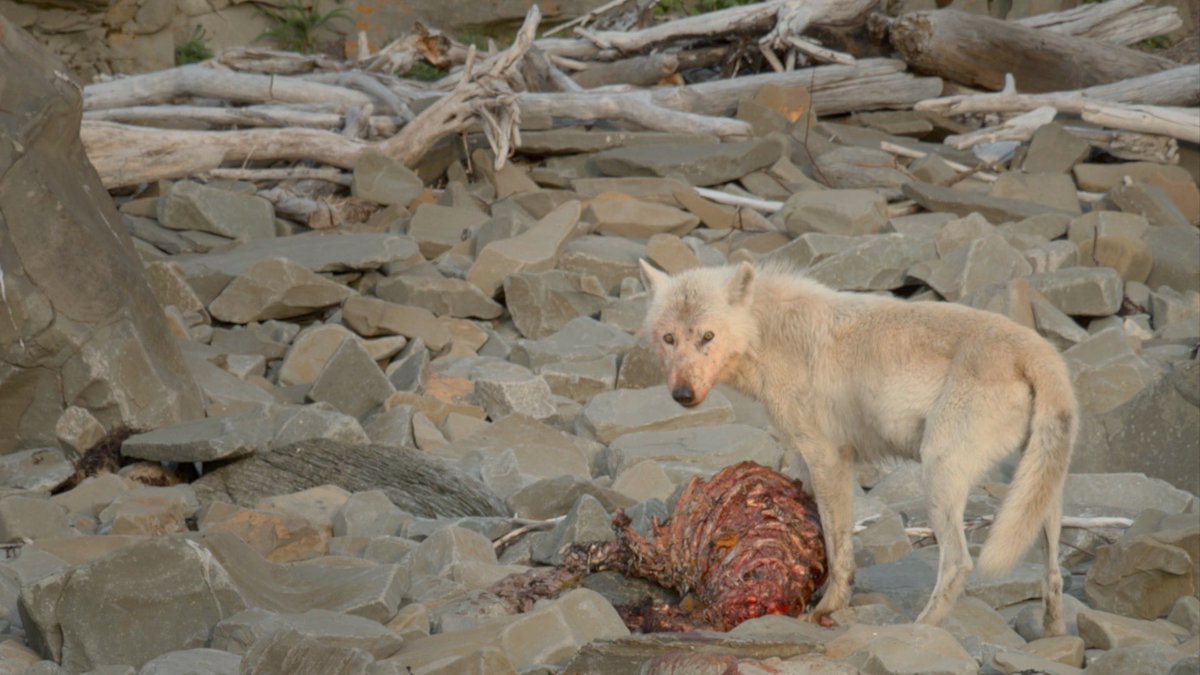
Since we found this Pleasant Island wolf population that caused deer to crash and then lived on sea otters, @ceeriksson7 has been genotyping their scats. Her new paper on the origin, connectivity, and individual specialization of island wolves is now out/1
https://t.co/xb1zbKfH6q
Today I learned that Frank Herbert's "Dune" was motivated by the Oregon dunes that, now stabilized by invasive beachgrass planted by USFS, retain the last remaining population of coastal martens in Central Oregon. Here's a compilation monitoring berry consumption on the dunes.
Undergraduate student Dax Morfin spent the last two years doing independent research on berry consumption on the beach and dune community of Oregon with a focus on an extremely imperiled marten population. Why are they here in this young forest? Maybe it's the berries.
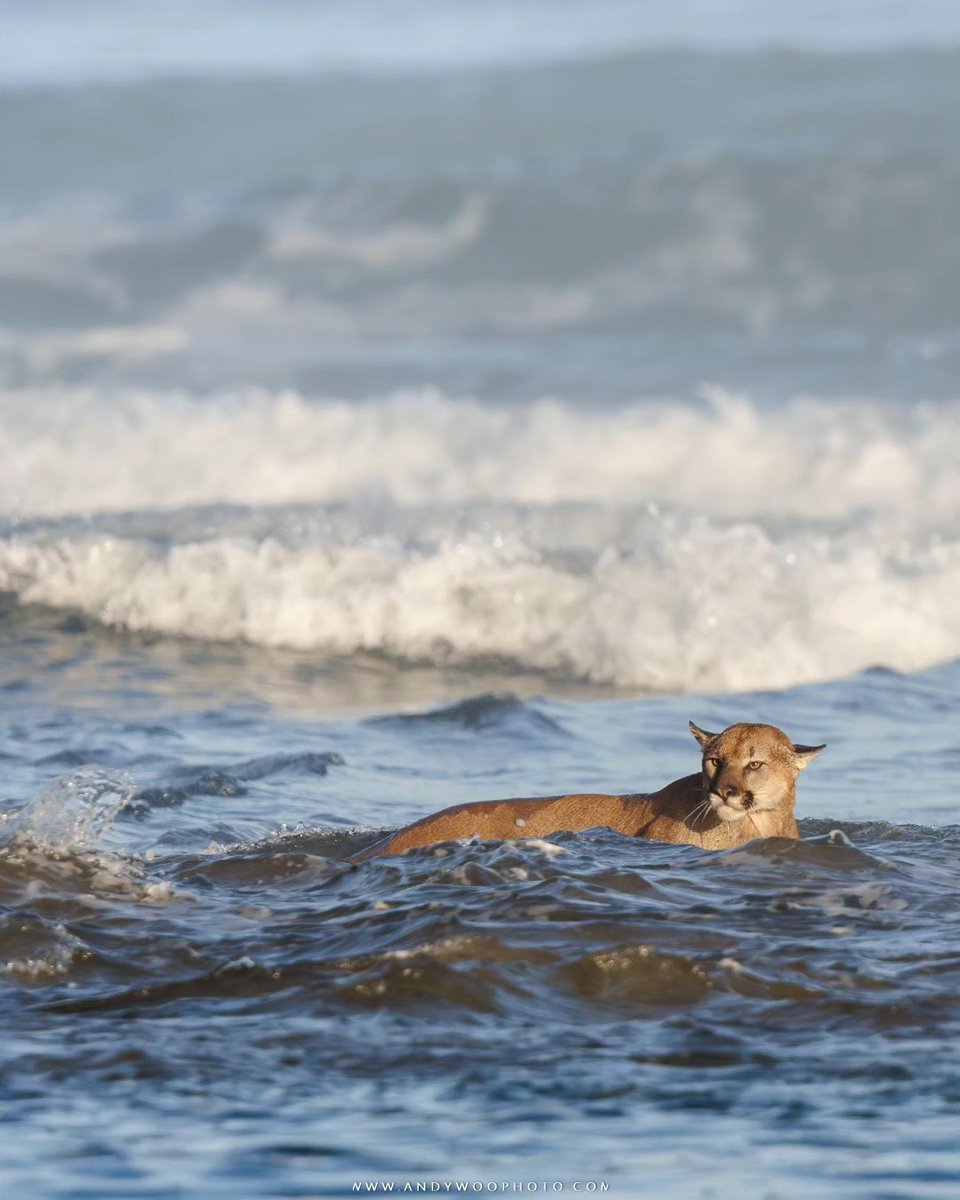
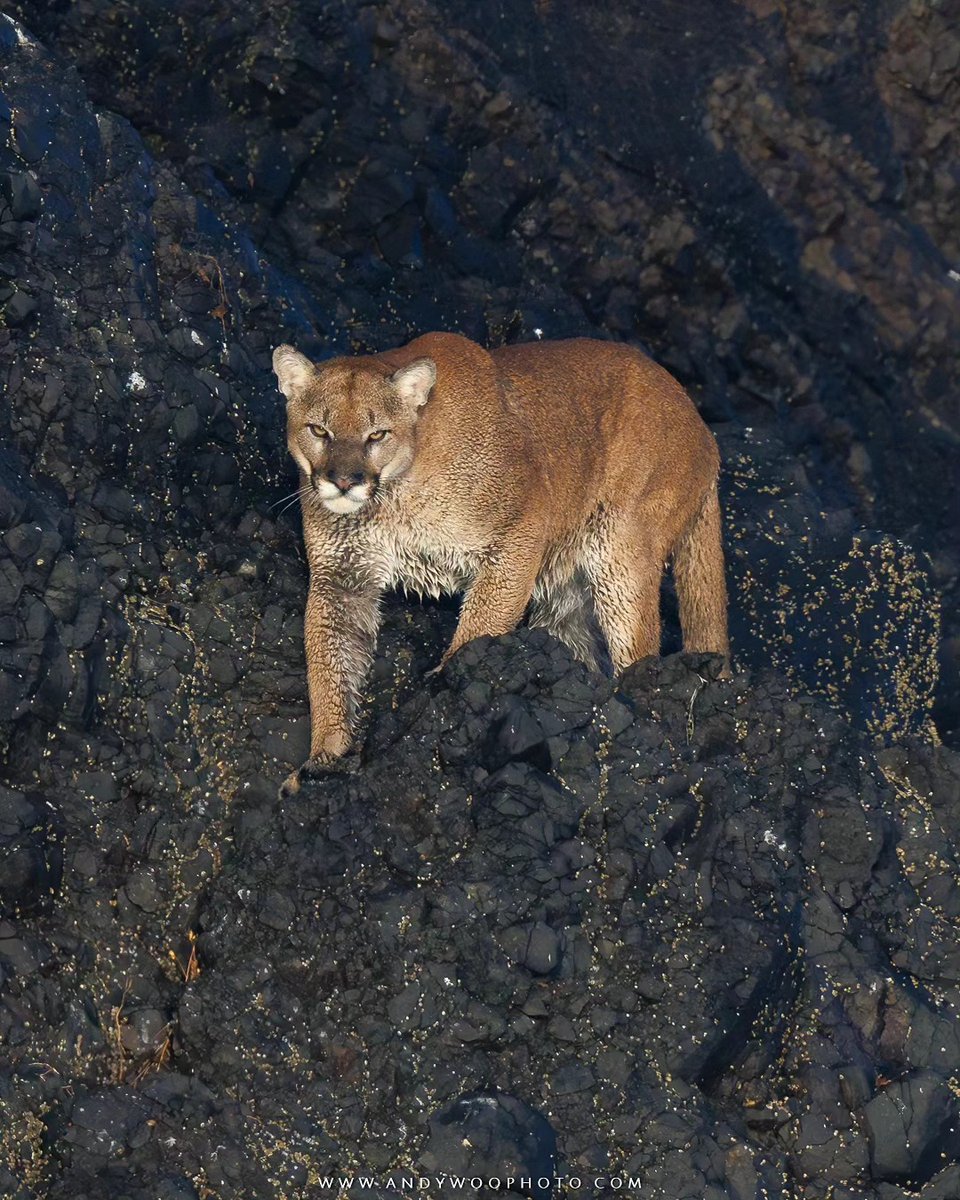
Super cool post-doc here at UM with USFS Research Scientist Tavis Forrester and Panthera Scientist Hugh Robinson studying effects of climate change on mountain lions & other big cats! Come live in Missoula!
https://t.co/91iL3FnFnL
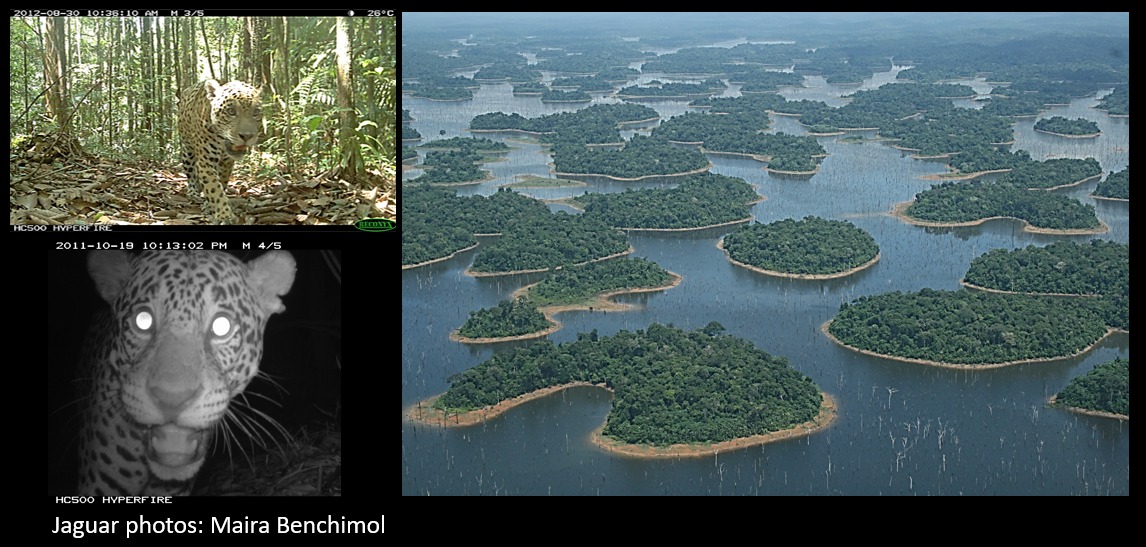
Jaguars are highly adept swimmers & routinely trapline our Balbina forest islands where they operate as the largest transient apex predators. This video shows one example Some key papers if you’re interested:
https://t.co/htuKQjmlVj
https://t.co/K12Wzgtwhb
https://t.co/ksA8oKRQCw
How do you do population genomics in a species without genetic variation?
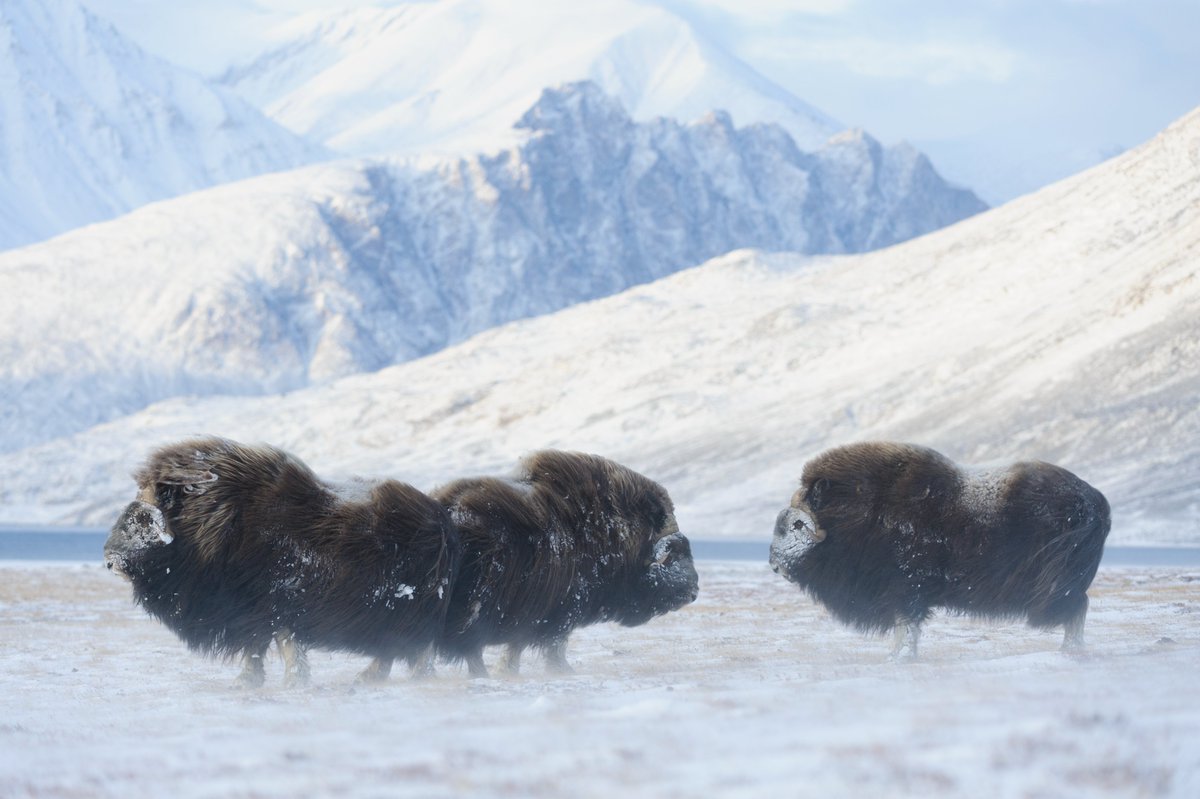
Find out in our new publication in @molecology titled "Population genomics of the muskox' resilience in the near absence of genetic variation" 🧵
⬇️⬇️⬇️
https://t.co/bfx7ZfNLF0
Photo credit: @Lars_Holst
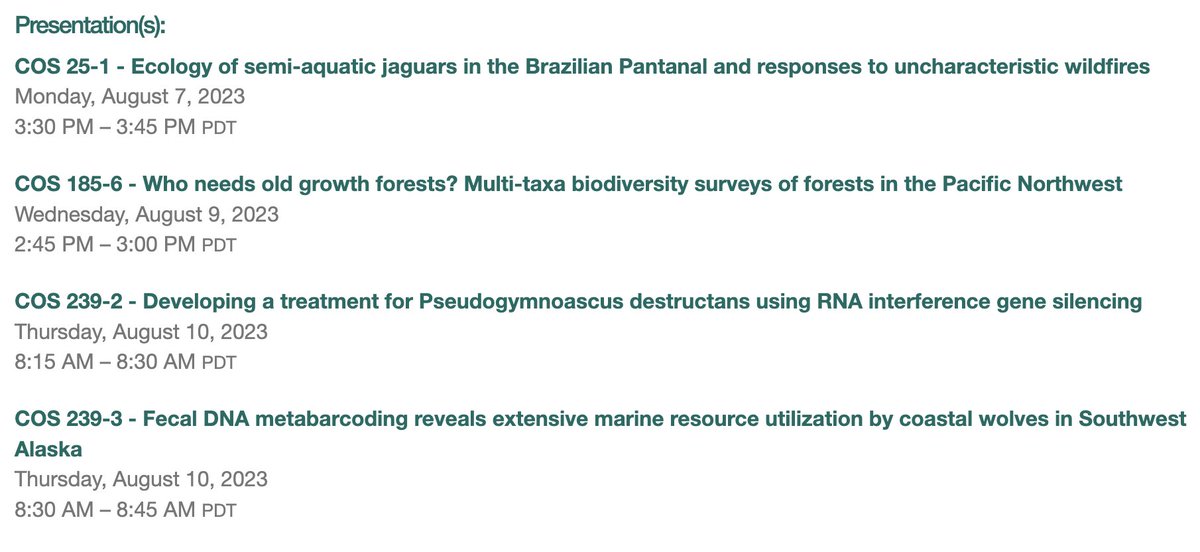
I'm just back from travels and hanging with my daughter, so not sure exactly when I'll make it up to #ESA2023. But folks may be interested in some talks from our lab starting today with @ceeriksson7 talking about aquatic jaguars and their response to the 2020 Pantanal megafires
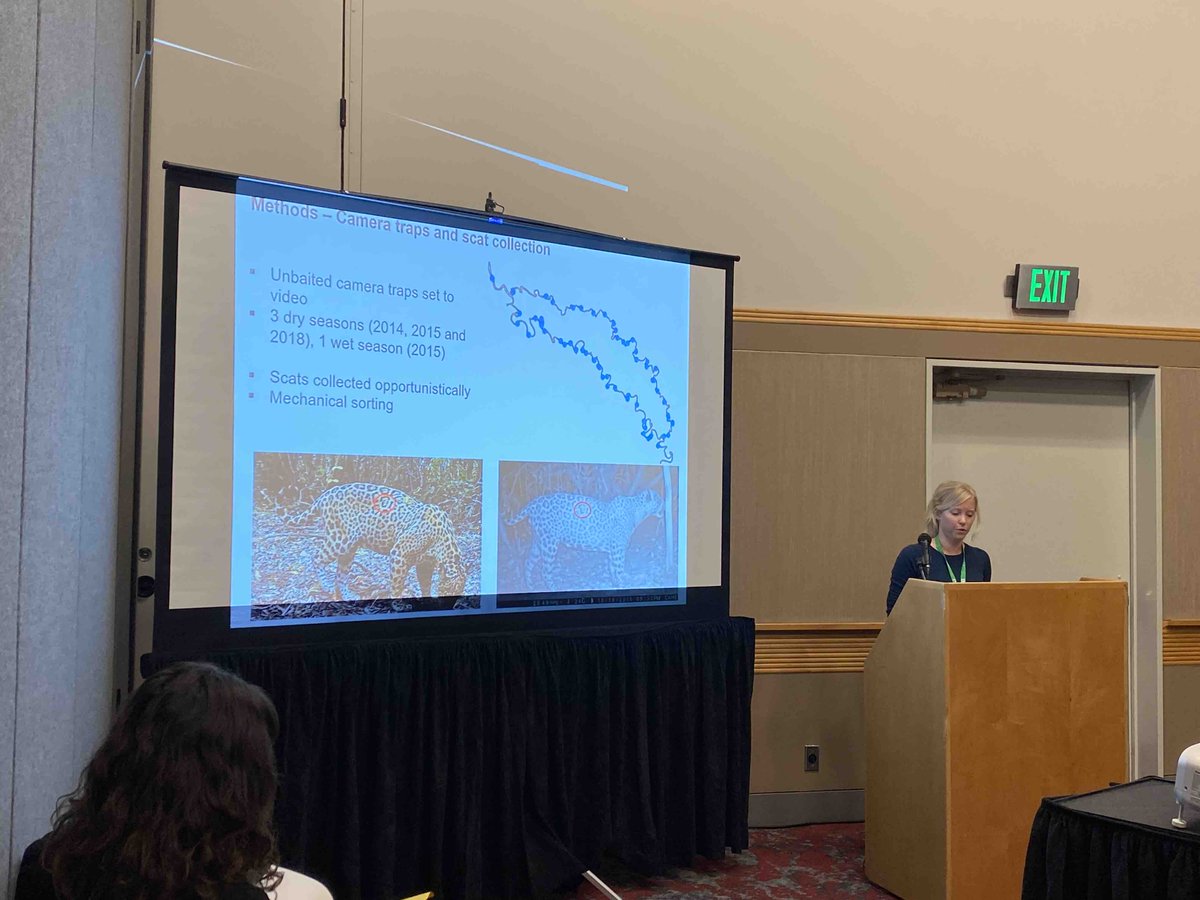
Excited to be at #ESA2023@ceeriksson7 discussed impacts of wildfires on jaguars in the Brazilian Amazon. Jaguars maintain a primarily aquatic diet, demonstrating rare behaviors such as adult play!
A super-duper, amazingly lucky trail camera capture: we finally caught a wolf hunting a beaver on video!!! Check it out! We cannot overstate how rare such observations are. Of course, you might think we are exaggerating here so let us explain…
Living vicariously through @ceeriksson7 and @ellendymit who are sharing videos of the dance party @WolvesBorders. Wolf biologists....not the worst dance moves