A 3-year-old boy was kidnapped from a public library, and less than an hour later, he was sitting on a city bus beside the man who had taken him. The little boy was crying, and the other passengers had no idea he had been abducted. But when the bus driver looked at the child, he suddenly realized he matched the description of a missing boy police were desperately searching for.
It happened in Milpitas, California. Bus driver Tim Watson had heard the police alert about a missing 3-year-old boy earlier that day. When a man boarded his bus with a crying child, something didn’t seem right. The more Tim looked at the little boy, the more he suspected he was the child everyone was searching for.
But Tim couldn’t risk confronting the man. If he was the kidnapper, one wrong move could put the little boy in even greater danger. So Tim came up with a clever plan. He announced to the passengers that someone had reported a missing green backpack and began walking through the bus, pretending to search for it.
As he moved past the man and child, Tim got a closer look and confirmed his suspicions. He quietly contacted dispatch to alert police, then returned to his seat and continued driving as though nothing had happened. All the while, the suspected kidnapper remained on board, completely unaware that the driver had recognized the child.
Tim kept his composure until police were able to intercept the bus. Officers rushed aboard, arrested the suspect, and brought the little boy to safety. Thanks to one observant bus driver who refused to ignore his instincts, a terrifying kidnapping ended with a child being returned to his family.
Tim Watson wasn’t a police officer or a trained rescuer. He was simply a bus driver who recognized a child in danger and found a way to save him without putting him at greater risk. Let’s give this incredible man the recognition he deserves.
December 20, 1943. An American B-17 bomber limps away from a raid on Bremen, Germany, alone and barely flying.
A German fighter pilot pulls up right next to it.
He has one more kill to earn one of the highest honors in the Luftwaffe. The bomber is helpless.
He doesn't fire.
The bomber was called Ye Olde Pub. Its pilot was Second Lieutenant Charlie Brown, 21 years old, from West Virginia. It was his first combat mission.
It went wrong almost immediately. Flak tore into the plane before it even reached the target. Engines were damaged. It fell out of formation, and once a bomber was alone, German fighters swarmed it.
The attacks shredded the B-17. The nose was smashed. Part of the tail was shot away. Most of the guns were knocked out. The tail gunner was killed. Several of the crew were wounded. Brown himself was hit and blacked out as the plane spiraled toward the ground.
He came to just in time to pull it out of the dive.
Now they were flying low and slow over Germany, trying to get home on what was left of the plane.
They passed over a German airfield. On the ground, a pilot named Franz Stigler was refueling his fighter. He was an ace with 22 victories. One more and he'd likely receive the Knight's Cross.
He took off to finish the bomber.
As he pulled up behind it, he couldn't believe it was still flying. He could see right through the holes in the fuselage. He could see the crew inside, wounded and bleeding. The tail gunner was slumped over his gun, dead.
Stigler remembered something his old commander had told him. That if he ever shot a man in a parachute, the commander would shoot him himself.
To Stigler, this was the same thing. These men couldn't fight back.
So instead of firing, he flew alongside. He tried to signal Brown to land in Germany or head to neutral Sweden. Brown and his crew had no idea what this German was doing. They just stared at him, terrified.
So Stigler did something even more dangerous. He stayed right on the bomber's wing as it crossed over the German coast, so the anti-aircraft gunners below would see a German fighter there and hold their fire.
Once they were over the sea, Stigler saluted, banked away, and was gone.
If anyone had found out, he could have been executed.
The B-17 made it across the North Sea and crash landed in England. Brown told his superiors about the German who let them go. He was told to keep quiet. The story was classified.
Both men survived the war. Neither ever forgot.
Decades later, Charlie Brown started searching for the pilot who spared him. In 1990, he put a notice in a newsletter for former fighter pilots.
He got a letter back from Canada. Franz Stigler had moved there after the war.
When they met, Stigler described details only someone who had been there could know.
They became close friends. They traveled together, spoke at events together, and treated each other like brothers.
They died within months of each other in 2008.
June 20, 1942. A car pulls up to the main gate of Auschwitz.
Inside are four men in SS uniforms. The guard doesn't raise the barrier fast enough, so the officer in the passenger seat leans out and screams at him in German to open the damn gate.
The guard snaps to attention and lets them through.
None of them were SS. All four were prisoners. And they had just stolen the car right out of the camp.
The man who yelled at the guard was Kazimierz Piechowski, prisoner number 918. He had been in Auschwitz for two years, since the camp's very first months, when it held mostly Polish political prisoners. He was 22.
His friend Eugeniusz Bendera, a mechanic working in the camp garage, came to him with news. His name was on a list to be executed. He wanted out. He knew where the SS kept their cars. And he could drive.
Piechowski knew something too. Because of his work assignment, he knew there was a storeroom full of SS uniforms and weapons.
So they planned the impossible.
They recruited two more men, a Polish army officer named Stanisław Jaster and a priest named Józef Lempart. On a quiet Saturday, when fewer guards were around, the four of them pushed a cart full of trash out through the camp gate. The one with the words Arbeit Macht Frei over it. To the guards, they looked like just another work detail.
Once outside the inner fence, they slipped into the building with the storeroom. Piechowski climbed in through a coal chute, unlocked the door, and they grabbed SS uniforms, pistols, and grenades.
Bendera went to the garage and took one of the best cars on site, a Steyr reportedly used by the camp commandant himself, Rudolf Höss.
Then they drove calmly through the camp toward the exit.
As they got closer to the final gate, the barrier stayed down. Nobody moved. Seconds felt like hours. The men in the back were sure they'd been caught.
Then Piechowski leaned out the window and shouted at the guard like an angry SS officer.
The barrier went up.
They drove away and ditched the car later. All four escaped.
The Germans were humiliated. Some of the escapees' families paid a terrible price. Jaster's parents were sent to Auschwitz and died there.
But here's the twist. Stanisław Jaster wasn't just escaping. He was carrying something out. A report from inside the camp, written by Witold Pilecki, the man who volunteered to go into Auschwitz to expose it.
Piechowski joined the Polish resistance and kept fighting. When the war ended, communist Poland arrested him for having served in the Home Army and sent him to prison for years.
He lived to 98 and spent his later years telling his story.
A prisoner who spent two years in Auschwitz walked out through the front gate yelling at the guards. In the commandant's car.
New footage obtained by the WSJ shows Ken Paxton and his girlfriend watching fireworks at a party in Dubai alongside two men indicted on federal healthcare fraud charges who failed to return to the U.S. to face prosecution.
Trump just threw a massive lifeline to Vladimir Putin. And to do it, he’s breaking the law.
Back in 2022, Congress banned Russian energy imports. I voted for it. The law says the president has to consult Congress before he changes anything. He didn’t. Illegal. Deadly. Disgraceful.
Full story up on my daily show at the link below!
Washington Post: The Pentagon quietly added 37 wounded troops to its Iran war tally this week, with no explanation from the Defense Department.
The increase includes 29 Navy sailors and eight Marines, bringing the total to 861.
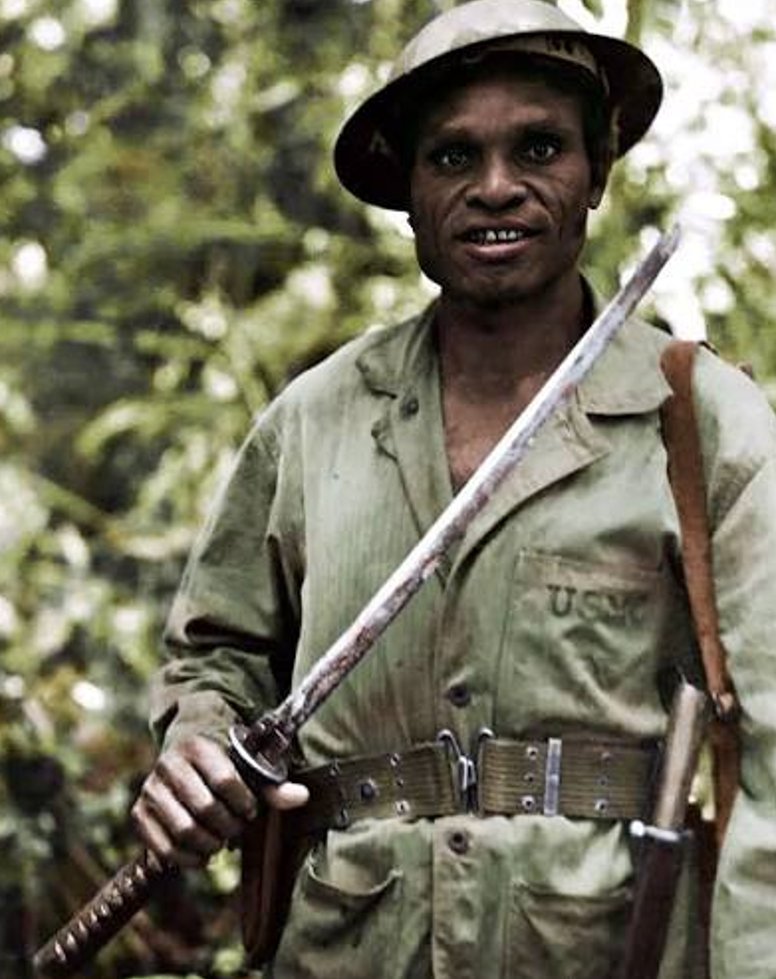
The Japanese bayoneted him ten times and left him to die.
Four weeks later, he was back behind their lines.
In August 1942, Jacob Vouza was scouting for the 1st Marine Division on Guadalcanal when Japanese soldiers captured him.
They found a small American flag hidden in his clothing, tied him to a tree and demanded information about the Marine defenses.
Vouza refused to speak. An officer slashed him with a sword. Soldiers then drove their bayonets into his face, throat, shoulders and chest.
Convinced that he was dead, they abandoned him.
Vouza chewed through the vines binding him and began dragging himself through the jungle. Bleeding heavily and repeatedly losing consciousness, he finally reached the Marine lines.
He refused medical treatment until he had reported everything he had overheard: hundreds of Japanese soldiers would attack that night, crossing at low tide.
The assault came precisely where and when he had warned.
Surgeons needed nearly 100 stitches to close Vouza’s wounds, along with massive blood transfusions. Yet approximately two weeks later, he walked out of the hospital!
Less than two weeks after that, he became chief scout of the 1st Marine Division.
The man the Japanese had left for dead returned to the jungle, once again locating their positions and leading American patrols behind enemy lines.
Jacob Vouza’s war was far from over.
Follow @Vanguard_WW2 for more extraordinary true stories from World War II.
Talarico: "Billionaires are pouring an unprecedented amount of money into Texas to try to buy this Senate seat ... they are hoping that Texans will care more about these manufactured culture wars than actual wars. They're hoping Texans will care more about pronouns than prices. But I think Texans see through this distraction."
A 7-year-old girl was riding her bike when a stranger pulled up, grabbed her and forced her into his car.
Her aunt, Alecia Swejkoski, saw it happen and sprinted toward the vehicle.
Alecia threw herself halfway through the driver’s side window and started fighting him while her niece was still trapped inside. The man punched her, grabbed for the wheel and violently jerked the car forward and backward, trying to throw her off and get away.
But Alecia kept one hand on the steering wheel and the other fighting to get his grip off the little girl.
Then another driver, Scott Van Luven, saw what was happening and pulled his vehicle in front of the car to block the suspect in. He rushed over, helped pull the man out and held him there until police arrived.
Alecia was hurt, but her niece got out safely.
Because Alecia refused to let go and Scott chose to stop and help, that little girl made it safely back to her family.
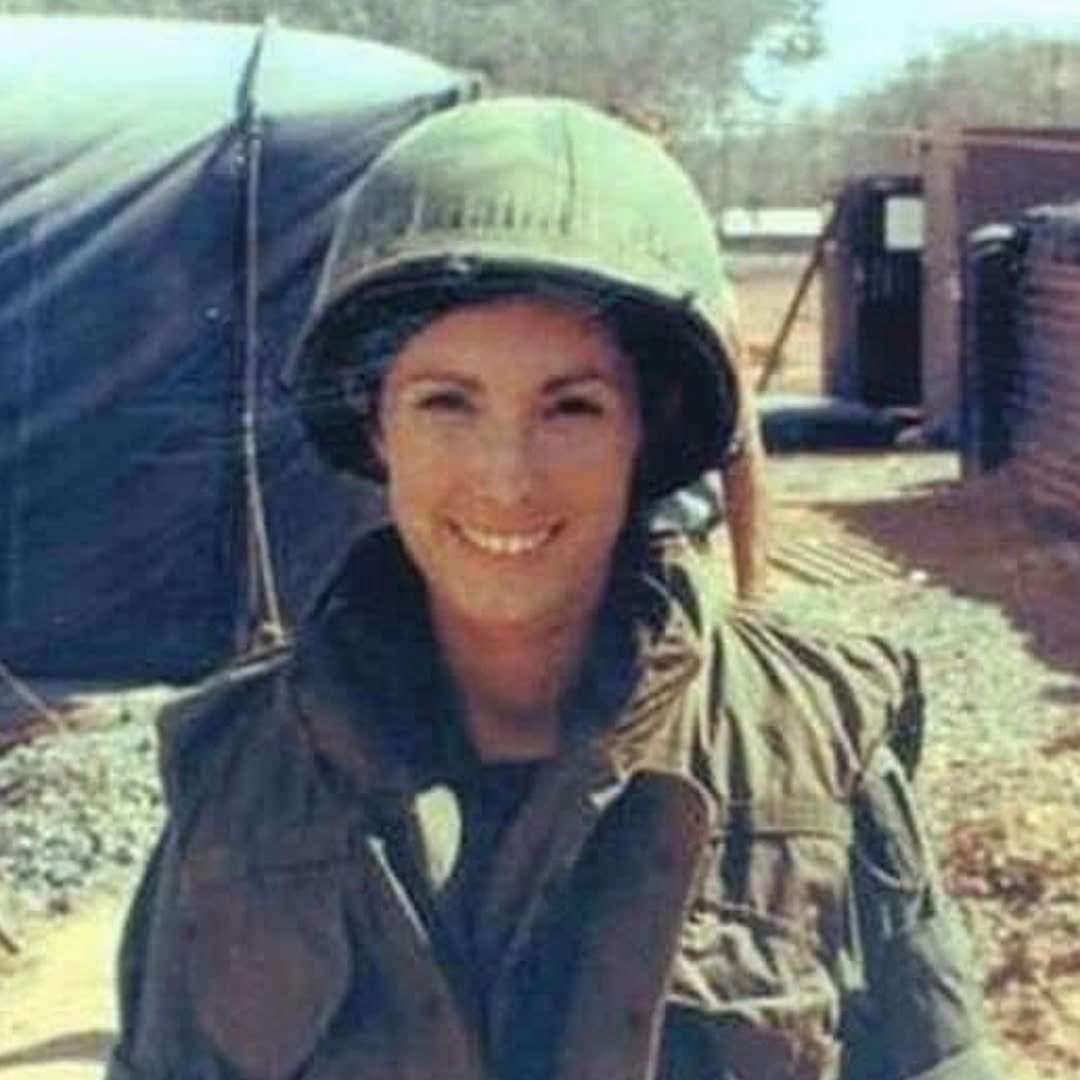
Kate O’Hare-Palmer served as a US Army nurse, evacuation hospital in Vietnam, 1968.
“We were overrun once as a hospital unit,” she said. “We were hiding patients, and putting them into containers; hoping to keep them safe. We stayed inside the fence.” Tending to the wounded and the dying became etched in her mind, haunting her for decades after the war. She looked for ways to stay grounded while in-country, and the things that helped her cope there helped her cope back home, too.
“I started trading my (medical) instruments for chickens so that I could get fresh eggs,” she said. “Some (other military personnel) had dogs. Pets were helpful. I had 10 chickens before I left. The engineers built me a little chicken coop. The dogs got after one of them, and I took it into the ER and got an IV into it to save it.”
“Flying home to Travis Air Force Base, we were bussed to the Oakland depot with protestors throwing rotten vegetables at us. It was shocking … we were not prepared for this. How could this be? We had left one war zone to arrive in another,” she stated.
She returned from the war to work at VA hospitals, including Fort Miley in San Francisco, but her experiences as a surgical nurse never left her.
“I had trouble even seeing blood,” she said. She had nightmares about it, which convinced her to move out of surgical nursing. She used her GI Bill education benefits to get her degree. She spent more than 30 years in nursing; became an advocate for women veterans, speaking out about everything including post-traumatic stress disorder. God bless Kate and all our Angels in Fatigues!
#TheVietnamWar
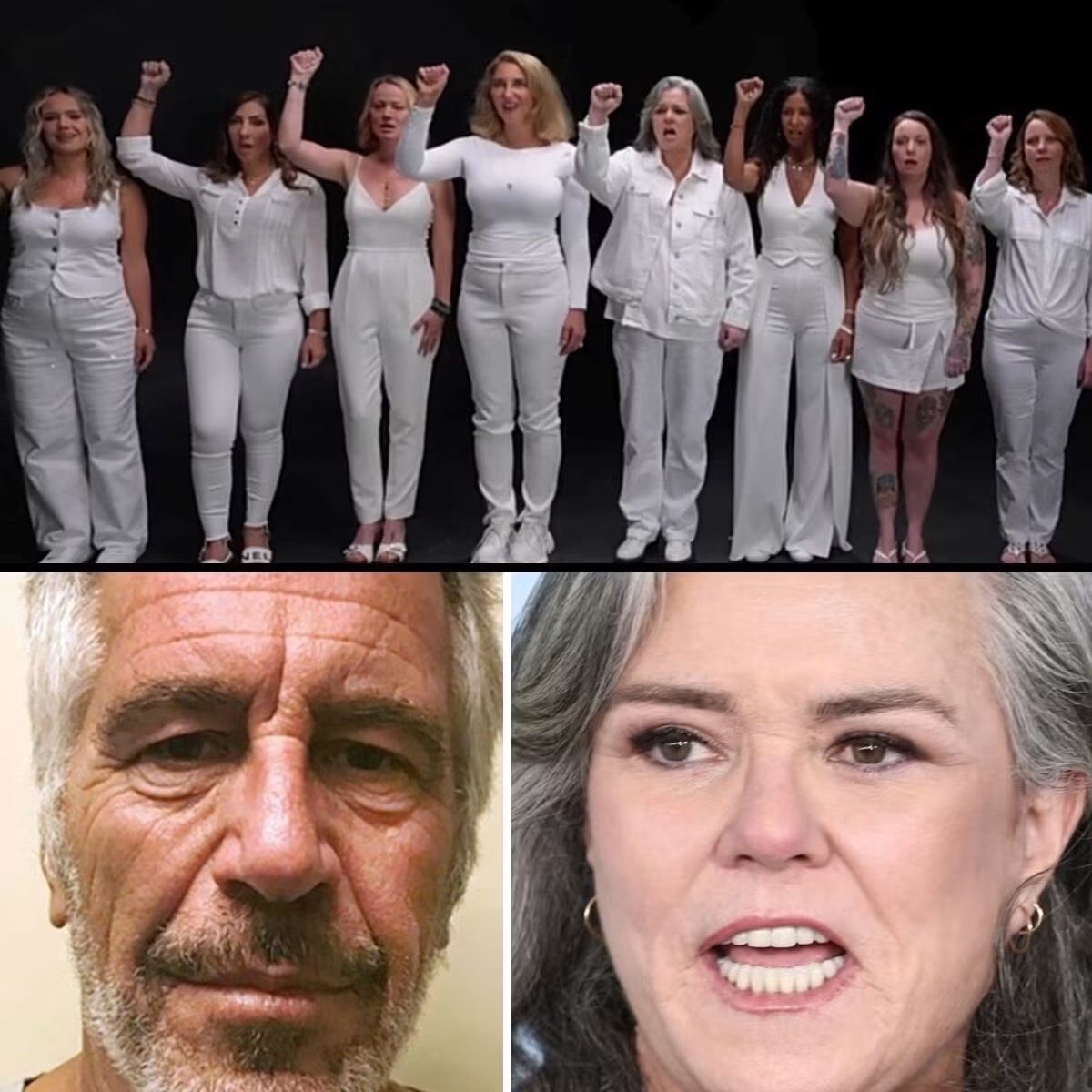
BREAKING🚨 ABC refused to let eight Epstein survivors speak on Jimmy Kimmel Live. Rosie O'Donnell gathered them and filmed it herself — and the women told her no famous person had ever called to stand beside them. Now she says she will tell all eight of their stories, one by one.
O'Donnell guest-hosted four episodes in August and pitched what she called "the Epstein reveal" for her final night.
"They said that they were certain that could not happen," she said on the Jann Arden Podcast. "So I said, 'Well, then I'm going to do it myself.'"
She called Survivor Sisters, an advocacy group formed by Epstein survivors, and asked how many women could get there in three days. Eight came. They filmed for about two hours.
She first posted a short video from the shoot. Andrea Sterling, Sharlene Rochard, Lara Blume McGee, Jena-lisa Jones, Wendy Pesante, Lisa Phillips, Marina Lacerda and Chauntae Davies stood together in white, fists raised, singing Helen Reddy's "I Am Woman." It ended with childhood photos of the women. Jimmy Kimmel later shared it on his own Instagram Story.
Now O'Donnell says each woman will get her own up-close segment telling her story. The eight segments could become a full documentary, a YouTube project or something they release themselves on social media.
O'Donnell said she made the video after Deputy Attorney General Todd Blanche, Trump's former personal lawyer, said he did "not know whether there are men out there that abused these women." That same day, the Justice Department released more than 3 million additional pages from its Epstein files.
"You are all heroes, and you're going to change how the world deals with child sex abuse," O'Donnell told the women.
Afterward, she said, they told her no famous person had ever called to stand beside them.
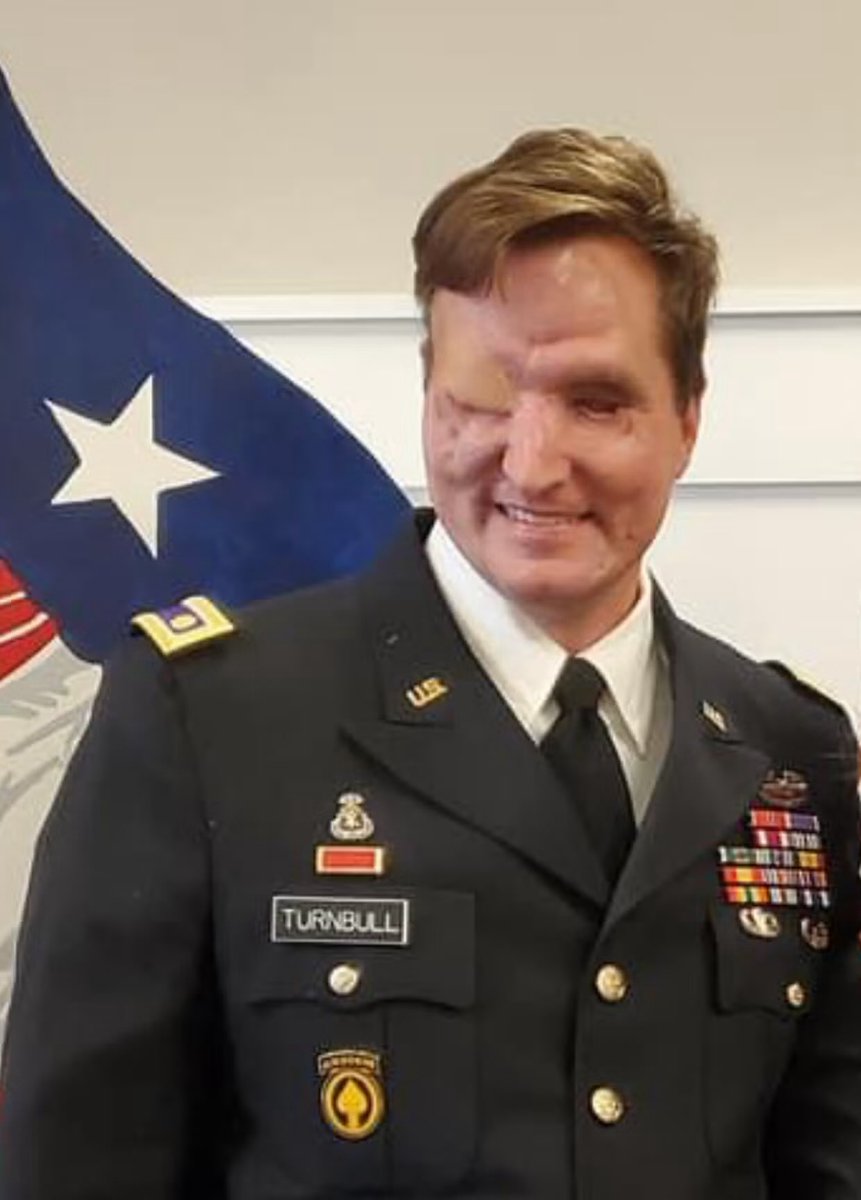
Retired U.S. Army Major Jonathan Turnbull is a renowned special operations officer and American war veteran, widely recognized for his extraordinary story of survival, resilience, and community service.
On January 16, 2019, while conducting a routine inspection at a school in Manbij, Syria, an ISIS suicide bomber detonated an explosive vest next to their special operations team. The attack claimed the lives of 23 people, including four Americans.
Turnbull miraculously survived the direct impact, even though doctors initially gave him a 0% chance of survival and estimated he had barely 12 hours to live. The blast caused catastrophic injuries, severe brain trauma, and total vision loss (enucleation of the right eye and permanent damage to the left). After spending two years hospitalized and undergoing more than 22 reconstructive surgeries, Turnbull managed to walk again, defying all medical odds. He formally retired from active duty in 2021. 🫡
🚨HERO: On April 22, 2018, James Shaw Jr. walked into a Waffle House in Antioch, Tennessee, expecting nothing more than breakfast. Minutes later, gunfire erupted inside the restaurant.
Four people had already been killed, and the gunman was still holding an AR-15-style rifle. Most people ran. Shaw made a split-second decision.
Unarmed, he charged the shooter, grabbed the rifle by its burning-hot barrel with his bare hands, and fought until he wrested the weapon away. His hands were severely burned, but he did not let go. The gunman fled. Shaw’s actions almost certainly prevented further loss of life.
The country called him a hero. Shaw refused the title. He said he was simply trying to survive and protect the people around him. Instead of seeking attention, he launched a fundraiser that raised more than $200,000 for the victims’ families. He continued speaking about healing and supporting communities affected by violence.
The headlines have long since faded. Many no longer remember the name. But courage like James Shaw Jr.’s should never be forgotten.
Chris Murphy: "On April 30 -- a Thursday -- Reynolds, one of the biggest tobacco countries in the country, makes an $8 million donation to the president. Two days later on Saturday, they have lunch with the president and tell him they want a change in FDA rules, especially regarding flavored vapes. The presidents calls the FDA commissioner and secretary of HHS, and three days later, on Tuesday, new guidance is issued that paves the way to the sale of flavored vapes. That is not a coincidence."
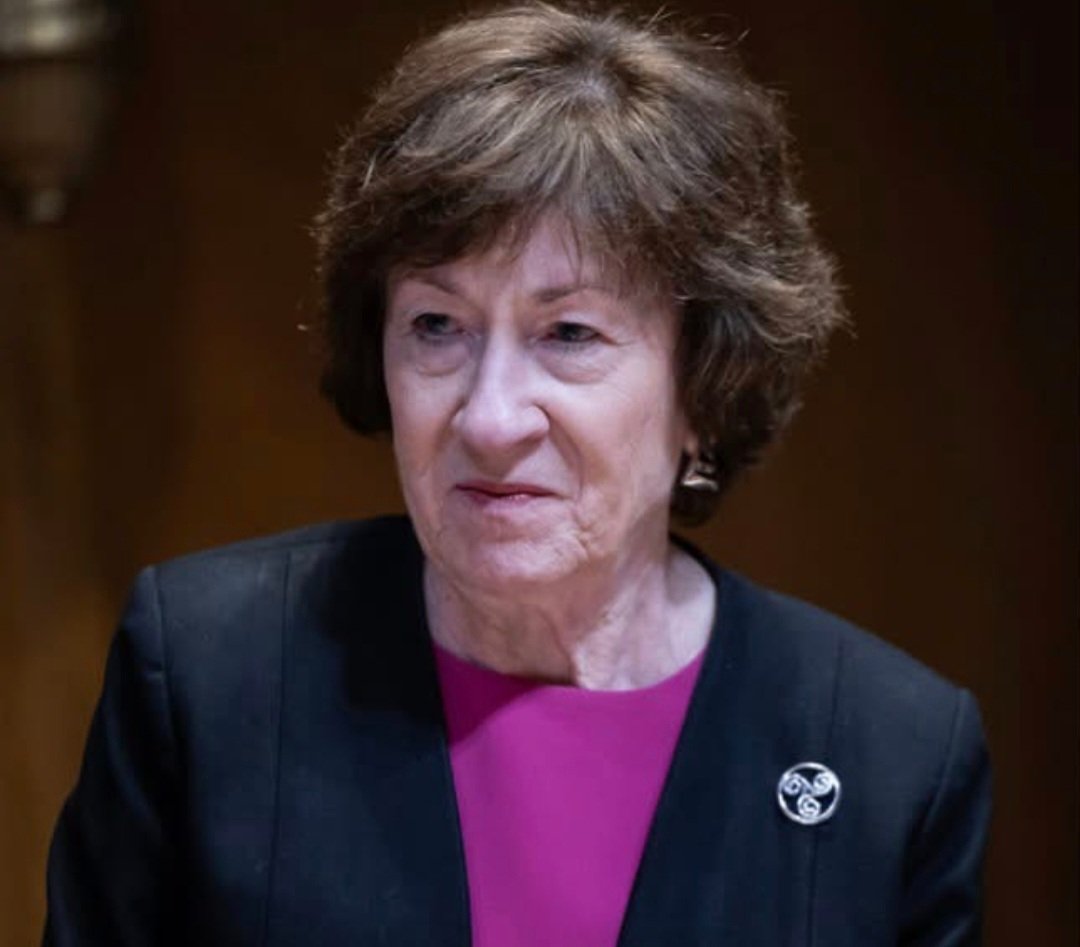
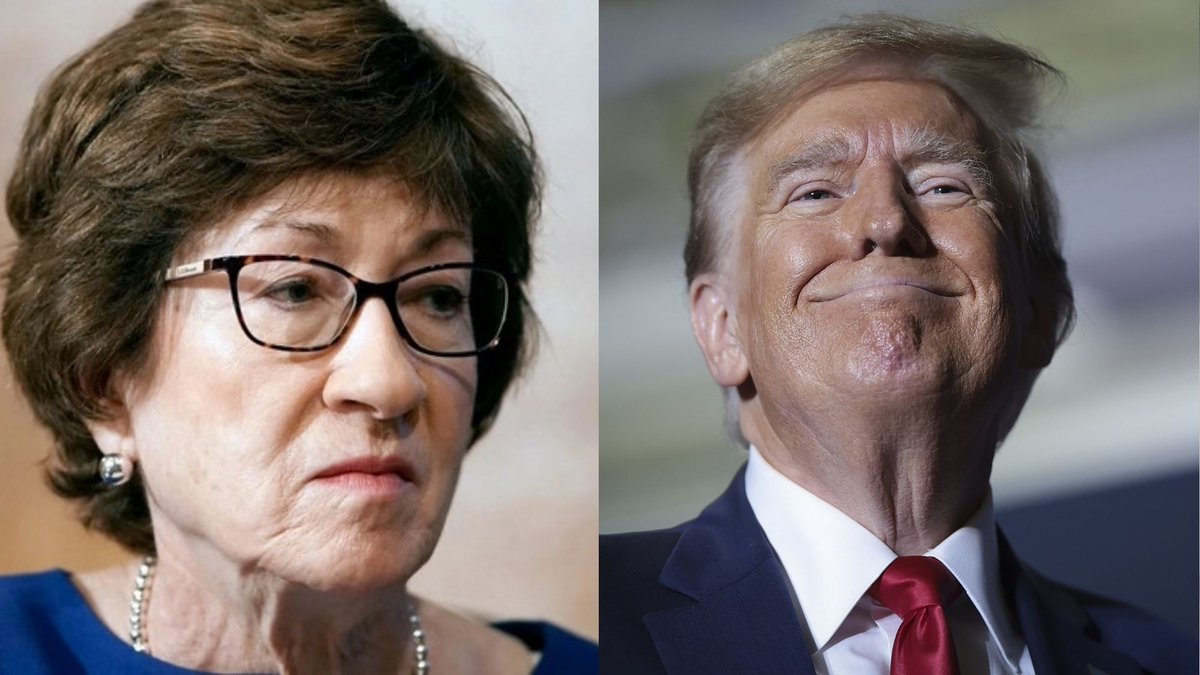
New reporting reveals Susan Collins promised a defense contractor tens of millions of dollars worth of government contracts in exchange for a $150,000 campaign donation.
The FBI was ready to investigate Collins for bribery until Trump returned to office and purged the agents working on the case.
Last night, Susan Collins cast the tie-breaking vote to advance Trump’s radical anti-abortion judicial nominee. Last week, she said she’s “always been pro-choice.”
Senator Collins, you are a liar. A snake. Maine is done with you.
There was a time when we didn't discuss the Kennedy Center, the ballroom, the arch, the pool, the helipad, the Lake America, the Gulf of America, and the effin memes.
We used to have real presidents who dealt with real issues. Not a senile child flinging poop.