Super excited and privileged to be a coauthor with Dr. Shahdeen Malik, one of my wonderful mentors, on the Constitution of Bangladesh: A Contextual Analysis to be published 2022/2023 by @hartpublishing as part of the Hart Series on Constitutional Systems of the World.
While 9th review of the Global Counter Terrorism Strategy is underway, I wrote about why Global South civil society feels disconnected from review process, obstacles to their participation and imperative to ensure their voices are heard. @just_security https://t.co/ODEtTOlWY6
Controversial take: I’ve found myself taking all sorts of counter-intuitive positions on what the parliament has been doing. People are upset that Parliament isn’t passing the interim government’s ordinances including ones on key institutional reforms. I understand the frustration.
I’ve been arguing for a while that ordinances are a problematic way to legislate on fundamental questions. They originate outside Parliament, without deliberation, without the scrutiny that consequential law requires. The fact that their content may be good doesn’t redeem the process that produced them. If anything, good reforms deserve better than to enter the legal order through the back door.
If I were in BNP’s shoes, I would not rubber-stamp 133 ordinances produced by a government I wasn’t part of. I would want to deliberate, modify, and own what I pass. That is literally what legislative function looks like.
Parliament has been set up to fail. The ordinances were framed as the reform agenda. So now any scrutiny reads as betrayal by ruling party.
Folks demanding reforms to be delivered without parliamentary deliberation are missing the point that the source where laws originated matters. The process matters. Reforms that enter through undemocratic processes are vulnerable in ways that properly legislated reforms are not.
Even if BNP has ulterior motives — and it may well have — constitutional rule should prevail over our impatience with it. We need to collectively get used to the idea that there are no shortcuts. Not for reforms we like, not for reforms we love. The value of constitutional procedure is precisely that it applies regardless of how urgent we feel the moment to be. Maybe next time unelected actors will refrain from engaging in wholesale reforms.
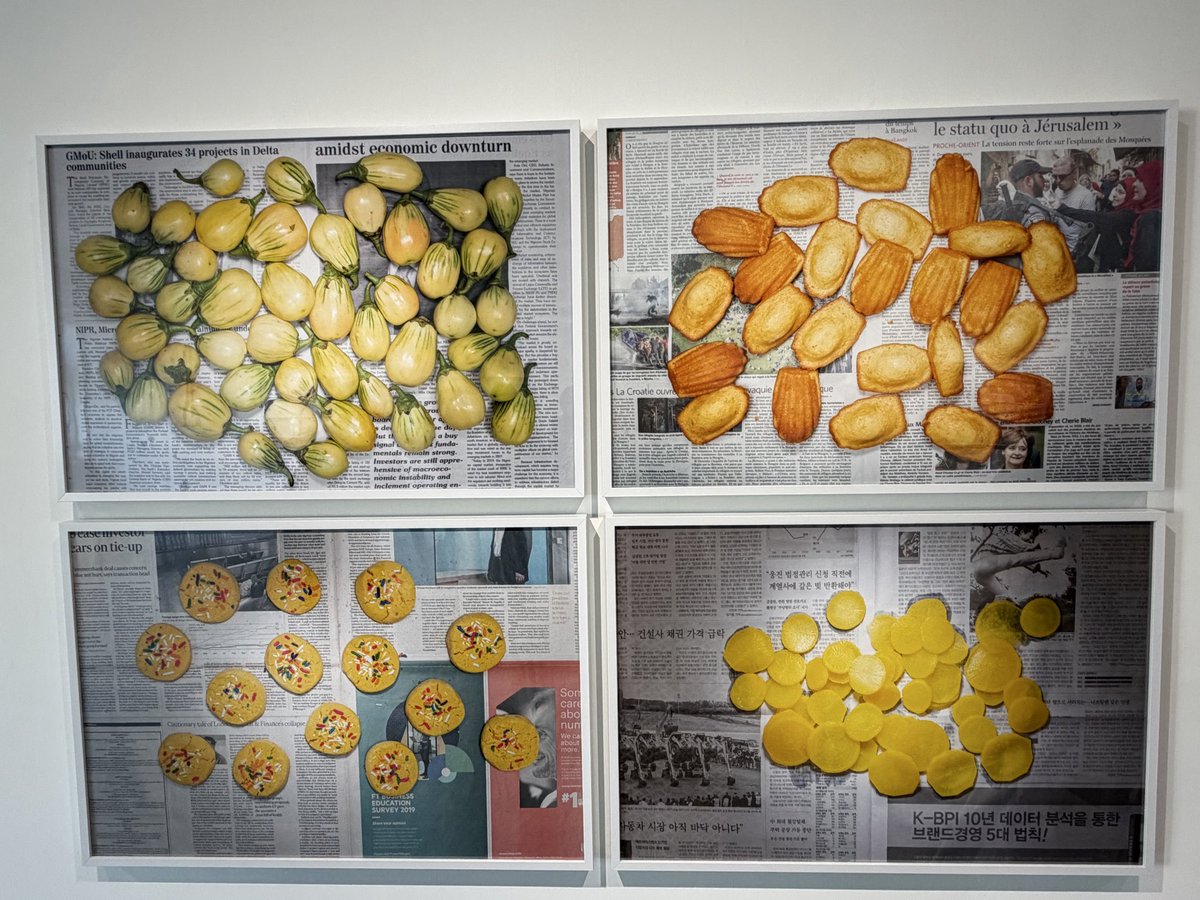
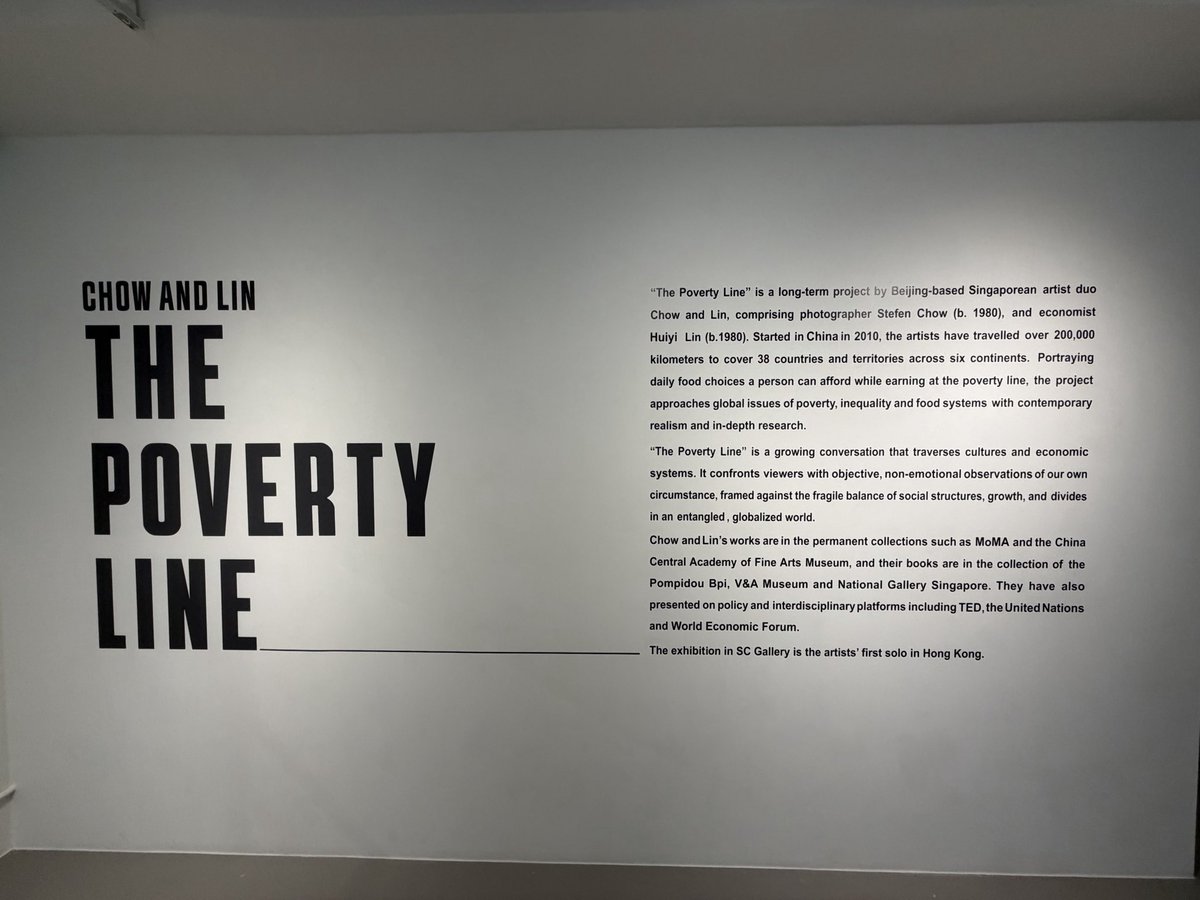
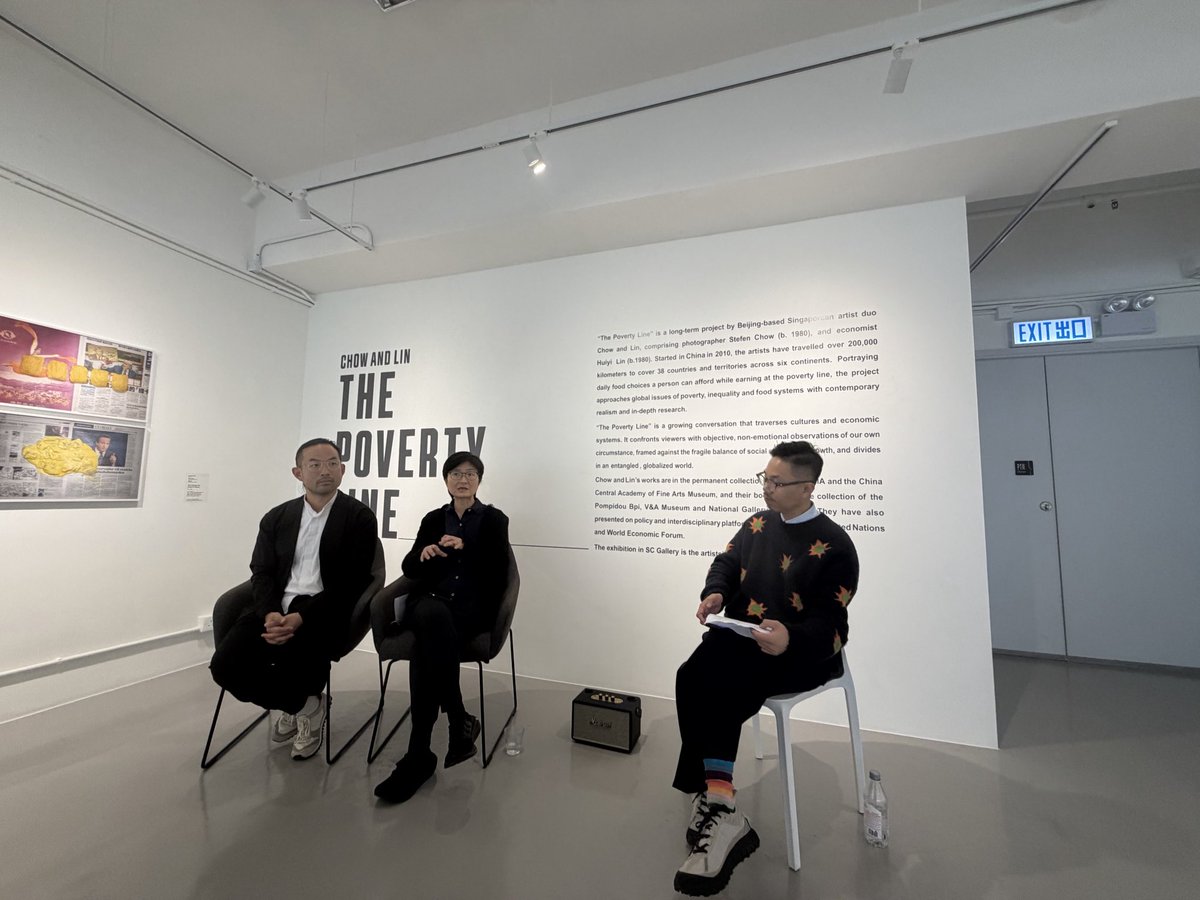
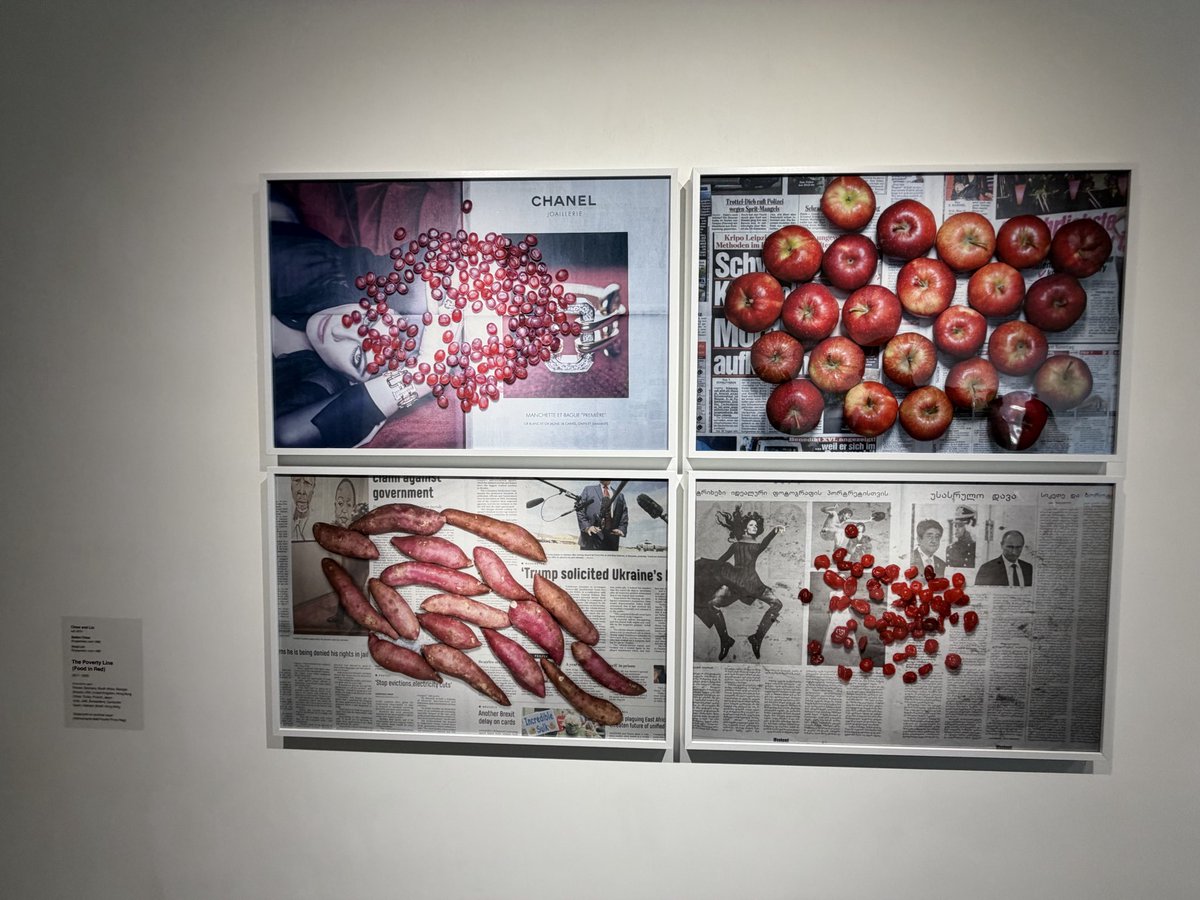
Visited an exhibition in Hong Kong recently called “The Poverty Line” by artist duo Chow and Lin.
The project visualizes something we usually encounter only as a statistic: the poverty line. In each country they visit, the artists show what a day of food looks like for someone living exactly at that threshold.
Seeing it this way is unsettling. What appears in policy documents as a neutral economic measure suddenly becomes very concrete—a plate of food, often minimal, sometimes shockingly so.
It’s a powerful reminder of how much our conversations about poverty depend on abstraction. Numbers travel easily across reports, development agendas, and policy debates. But when translated back into daily life—what someone can actually eat in a day—the distance between measurement and reality becomes impossible to ignore.
Art can do something that policy language often cannot…..it makes structural inequality visible in human terms.
On International Women’s Day, I spoke with Naziba Basher at the Daily Star about a question that matters everywhere: when do rights move from constitutional promise to lived reality?
That's What She Said About Rights and the State | Advocate Dr. Cynthia F... https://t.co/EqVEzExk6j via @YouTube
https://t.co/kpuRyx1Zm0
“Women as non-citizens in Bangladesh — and why the future must be feminist”
Excellent piece by Dr. Cynthia Farid for International Women's Day.
#FirstpostPoV: Counting is underway in Bangladesh after millions of people turned out to vote in the first general elections after Sheikh Hasina's ouster in 2024. Bangladesh Supreme Court advocate Dr Cynthia Farid in conversation with Firstpost's @prathiksvinod.
[ON AIR] Bangladesh heads to the polls today in its most consequential election in nearly two decades, marking the first parliamentary vote since the 2024 student-led uprising that toppled longtime Prime Minister Sheikh Hasina. @cf364: Research Associate with the @CAsianSAfricaUP on #TheMorningBrief with Thulasizwe Simelane #sabcnews
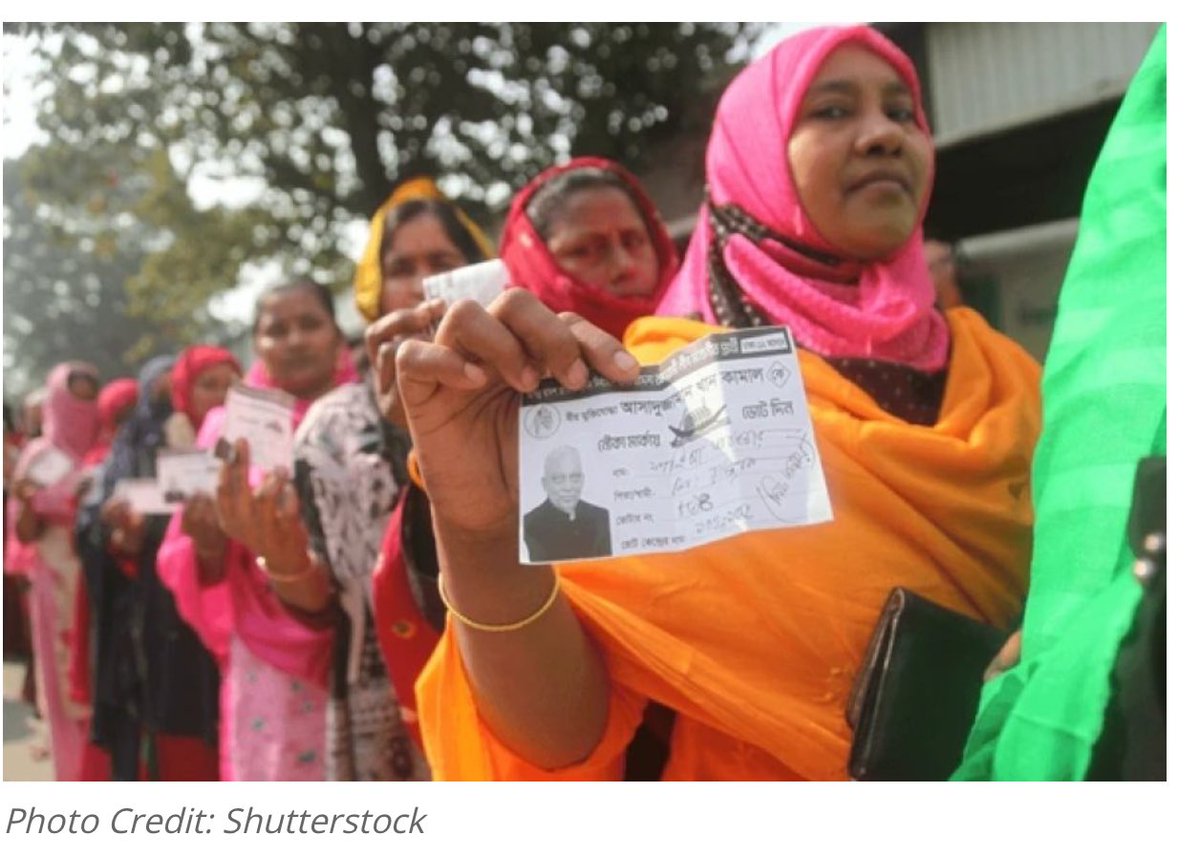
I’ve been thinking through the growing anxiety around Bangladesh’s upcoming election — particularly claims of a sweeping ideological shift driven by religious identity.
This piece argues for a more grounded reading, one that takes labour precarity, uneven participation, local dynamics, and post-authoritarian uncertainty seriously, rather than mistaking visibility or fear for mandate.
Fear, Fragmentation, and an Uncertain Election
https://t.co/LctWJr70qw
I’ve been getting a lot of questions (from mostly non-lawyer friends) about the referendum, especially about the mechanics behind the vote. This is my attempt to explain—in plain language—what Bangladesh’s referendum actually authorizes and what follows from it. Not sure how much I succeeded because it is unfortunately very technical.
The referendum design: A plain-language guide to what Bangladesh’s vote authorises —and what happens next https://t.co/8jVycSCMy6
My piece with Dr. Syed Munir Khasru on why referendum advocacy by the interim government is concerning and contrary to democratic practice/principles.
Letting the people decide: Why the interim government must step back from referendum campaigning https://t.co/pS1do2DGjy
I genuinely don’t understand the surprise regarding the current fragmentation of NCP. The writing was on the wall roughly as of 8 August 2024. Below is an excerpt from something I wrote later that month which was posted in law and other things:
“Given that two student coordinators have been made advisors to the government with important ministerial portfolios—a move though lauded by many—also presents some potential danger of deradicalizing the student movement or potential fragmentation within the group—some possible pitfalls of the NGO-ization of politics. The upward mobility offered to these young advisors may well prompt their peers to do the same………..
An unelected government for an indefinite term cannot be the answer to the present crisis. If the student movement is seeking to create an egalitarian society, it may not want to do so at the cost of democracy.”
Lesson: Movements absorbed into power without democratic safeguards = predictable outcome. Let’s not call this a lost opportunity. If we could turn back time, people’s irrational passion and zeal for reform and self interest will no doubt again drive us back to exactly where we are. Hope atleast some folks have learned a lesson or two.
Also, one must surely see the irony in the timing of NCP implosion. Tarique Rahman barely landed. He hasn’t even made an election related speech yet.
[ON AIR] Bangladesh plunged deeper into political turmoil on Monday as a special court sentenced former prime minister Sheikh Hasina to death for crimes against humanity. The ruling intensifies an already volatile political landscape, where violence, diplomatic tensions, and competing narratives of justice continue to shape Bangladesh’s future.
Cynthia Farid: Research Associate with the Center for Asian Studies in Africa (CASA) at the University of
Pretoria on #TheMorningBrief with Thulasizwe Simelane #sabcnews
[ON AIR] Bangladesh entered a tense nationwide lockdown Thursday as supporters of ousted Prime Minister Sheikh Hasina and her banned Awami League party protested her ongoing trial for crimes against humanity. Cynthia Farid: Research Associate with the Center for Asian Studies in Africa @UPTuks on #TheMorningBrief with Thulasizwe Simelane #sabcnews
The irony of participating in this talk a couple of days ago. Judicial independence among other things depends on the larger ecosystem esp the bar and bench. If rules and conventions are flouted by members of the profession; there really shouldn’t be any reason for the larger public to have any trust in the system.
https://t.co/ZUQxvC2TRI




![SAfmRadio's tweet photo. [ON AIR] Bangladesh entered a tense nationwide lockdown Thursday as supporters of ousted Prime Minister Sheikh Hasina and her banned Awami League party protested her ongoing trial for crimes against humanity. Cynthia Farid: Research Associate with the Center for Asian Studies in Africa @UPTuks on #TheMorningBrief with Thulasizwe Simelane #sabcnews](https://pbs.twimg.com/media/G5sDhq5XwAA9OeQ.jpg)









![SAfmRadio's tweet photo. [ON AIR] Bangladesh heads to the polls today in its most consequential election in nearly two decades, marking the first parliamentary vote since the 2024 student-led uprising that toppled longtime Prime Minister Sheikh Hasina. @cf364: Research Associate with the @CAsianSAfricaUP on #TheMorningBrief with Thulasizwe Simelane #sabcnews](https://pbs.twimg.com/media/HA7jMW7WoAA8tI9.jpg)
![SAfmRadio's tweet photo. [ON AIR] Bangladesh plunged deeper into political turmoil on Monday as a special court sentenced former prime minister Sheikh Hasina to death for crimes against humanity. The ruling intensifies an already volatile political landscape, where violence, diplomatic tensions, and competing narratives of justice continue to shape Bangladesh’s future.
Cynthia Farid: Research Associate with the Center for Asian Studies in Africa (CASA) at the University of
Pretoria on #TheMorningBrief with Thulasizwe Simelane #sabcnews](https://pbs.twimg.com/media/G6AqjhnW0AAbwKh.jpg)
![SAfmRadio's tweet photo. [ON AIR] Bangladesh entered a tense nationwide lockdown Thursday as supporters of ousted Prime Minister Sheikh Hasina and her banned Awami League party protested her ongoing trial for crimes against humanity. Cynthia Farid: Research Associate with the Center for Asian Studies in Africa @UPTuks on #TheMorningBrief with Thulasizwe Simelane #sabcnews](https://pbs.twimg.com/media/G5sDtQrWwAAJYSF.png)


