Exploring the epigenetic basis of health and disease. Advancing epigenomic methods and collaborations. Training researchers. Follow for updates. @hkust
Our iDEP paper is finally out. In addition to the source code in Github, all the supporting databases are available on Zenodo.
iDEP: an integrated web application for differential expression and pathway analysis of RNA-Seq data https://t.co/9D1J1eX04A #bmcbioinformatics
The new issue is out! Just in time for #WorldAlzheimersMonth, Cell features four articles that together demonstrate the genomic, epigenomic, and transcriptomic dysregulations underpinning Alzheimer's disease at single-cell resolution across cell types.
To read more click here👉https://t.co/DWf0VlDvUt
🍺I am so excited that my first paper is online (https://t.co/gwg6bc6l62)! Joint profiling of histone modifications and transcriptome are critical to understand the active or repressive gene regulatory network. We therefore develop Droplet Paired-Tag,
Our paper is finally out in @NatureCellBio!
We profiled the maternal-fetal interface following SARS-CoV-2 infection. Congratulations to our PhD students @lingao02, @TamSabrina, @MellowMetal and collaborators on this work!
(https://t.co/sQjCOVYypn)
We’re excited to launch #CZCellxGene Discover Census, a new capability that can cut parts of the #SingleCell analysis process from weeks to minutes.
https://t.co/HJLtmvhryp
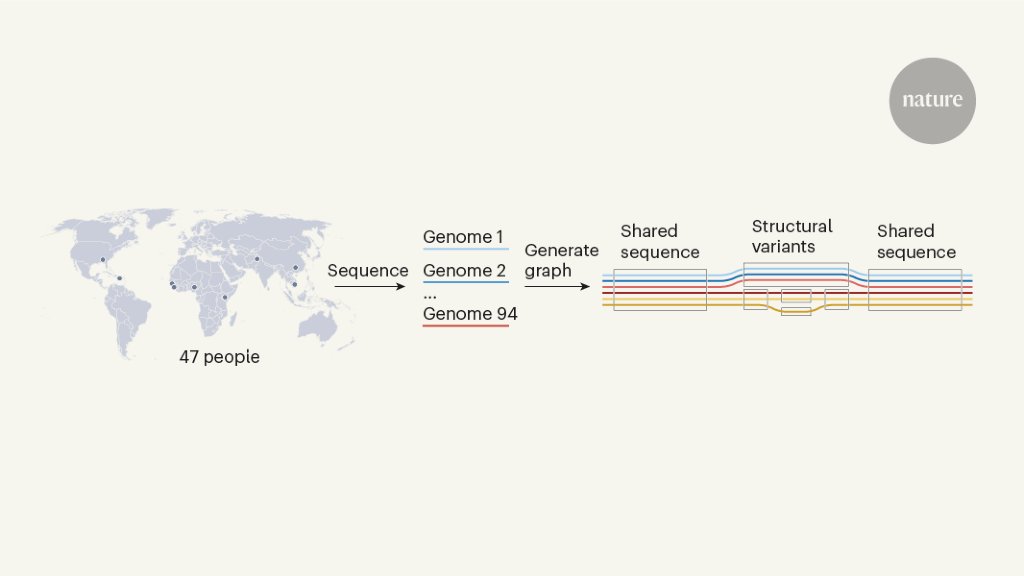
A human reference pangenome has been generated. In this Forum,@AryaMassarat & @mgymrek tell us how it was built, and Brian McStay & Hakon Jonsson discuss the insights into repetitive sequence that we are already gaining from it https://t.co/8lH7p1I3oG
In Hi-C experiment, the choice of restriction endonucleases can influence the resolution of the Hi-C heatmap. As fragment cannot be assigned into genome bin with smaller size than the fragment itself, the resolution of the Hi-C map is capped by the fragment size. #HiC#epigenetic
1/ Are you a bioinformatics researcher looking for powerful tools to analyse your data? Check out @Bioconductor ! Here are some of my favorite packages for #bioinformatics analyses.
How can a more data-driven and tree-based approach better capture the complexity of the vast amount of molecular data being generated? Learn about the consensus ontogeny framework proposed in this article published in Cell: https://t.co/GmAotpHhf5