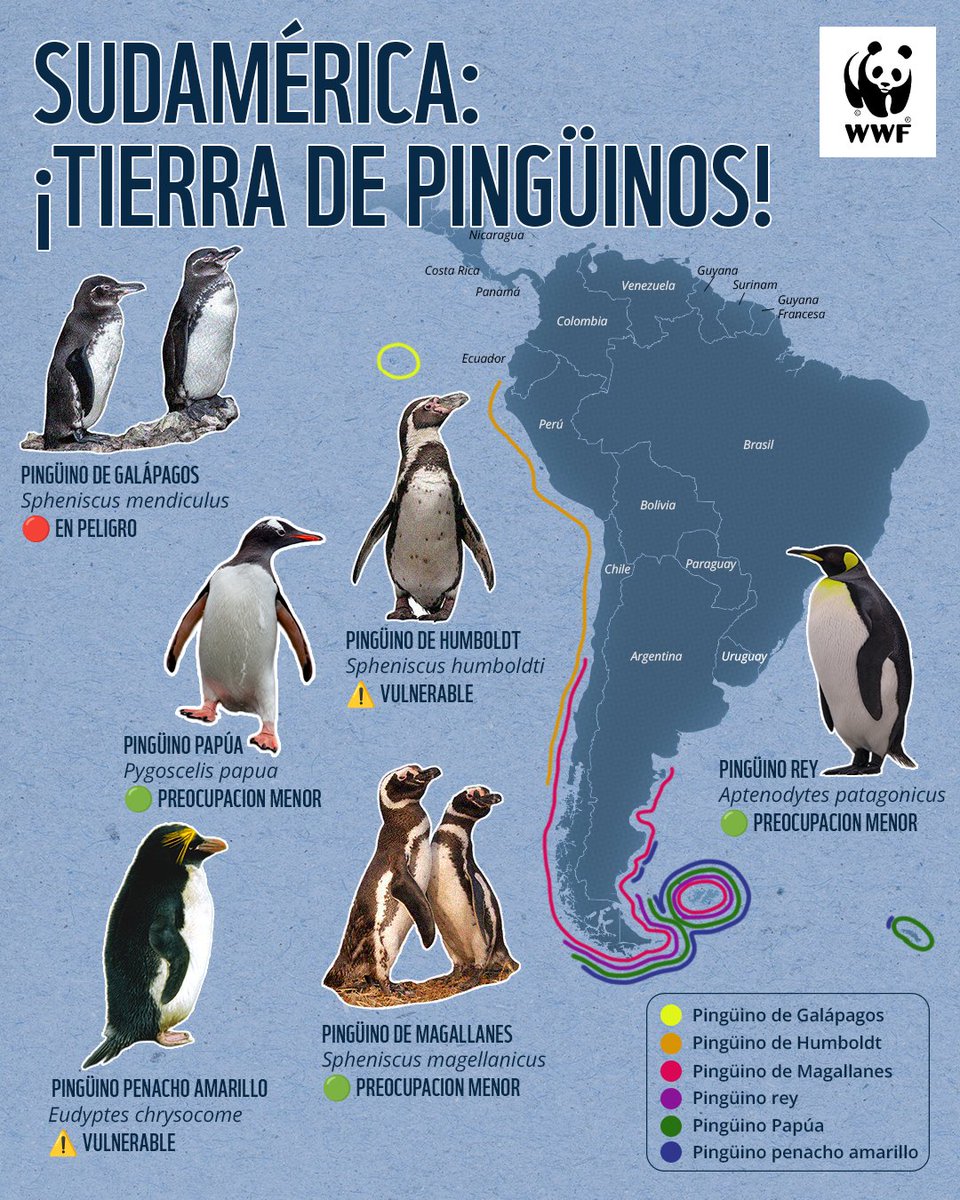
Desde las costas frías del sur de Chile y Argentina hasta las Islas Galápagos, los pingüinos habitan regiones donde las frías corrientes marinas ❄️ mantienen océanos llenos de vida.
🐧 El pingüino de Galápagos es el único en el mundo que vive al norte de la línea ecuatorial, gracias a la influencia de corrientes como la de Humboldt y Cromwell.
Proteger los océanos y sus corrientes es clave para el futuro de estas aves marinas únicas.
🐧💙 Cuidar el océano es cuidar a quienes lo habitan.
#Pingüinos #OcéanosVivos #Biodiversidad #WWFLAC
Ecuadorian Cuisine 🇪🇨 https://t.co/HBhkxpW9ep
The national diet revolves around a singular obsession: soup as a source of kinetic energy rather than a mere appetizer. The coastal morning ritual centers on Encebollado, a broth of fresh albacore tuna and yuca root. Locals consume it strictly before noon, believing the heavy onion-fish combination cures hangovers and fuels manual labor.
Unlike its Andean neighbors, Ecuador’s flavor profile relies heavily on Maní (peanuts). This ingredient thickens coastal stews like Viche and Cazuela, creating a rich, creamy consistency distinct from the acidic, clear broths of Peru. In Manabí, roasted peanut paste and cilantro form Salprieta, a condiment dusted over almost every savory dish to add an earthy depth.
In the highlands, the culinary architecture shifts to pork. Hornado vendors roast whole pigs marinated in chicha (fermented corn beer) for days. The service is ritualistic: the meat must be accompanied by Agrio—a sweet and sour sauce made from tamarillo and brown sugar—and Llapingachos, cheese-filled potato patties fried in lard until they develop a crust that cracks under a fork.
Video: @cocinoconmigobychef