Debunking learning myths 💥 Tailor lessons for "learning styles"? Nope. Only use tests to assess? Wrong again. Easily learned = easily remembered? Think again. Check out these evidence-based truths for better learning.
https://t.co/CZ09W6CdOL
When preparing for a math exam, going over mistakes and making sure you understand them can be a helpful study strategy. @jillbarshay@hechingerreport
The surprising effectiveness of having kids study why they failed https://t.co/pIv0kY7t5m
Recent article: Rethinking the time spent at school: Could flexibility improve engagement and performance for students and teachers? https://t.co/M9s91jedhF
When Tier 1 is weak, lots of students look like they need intervention.
When Tier 2 is weak, lots of students look like they need Tier 3 or special education.
Strong investments in Tier 1 & Tier 2 is a critical starting place for prevention.
Access gaps = outcome gaps.
✅Competitive salaries
✅Employee childcare
✅$315/month employer-paid insurance contribution
✅Campus mentor program
✅CORE Store access for classroom and student supplies at no cost
Register for our Teacher & Support Staff Job Fair:
https://t.co/LUYvLonGte
#BelievePlanoISD
Texas high school juniors, get started on your journey to be part of the next generation of NASA Artemis explorers! Apply for NASA’s High School Aerospace Scholars (HAS) program today: https://t.co/KHRChaImCb.
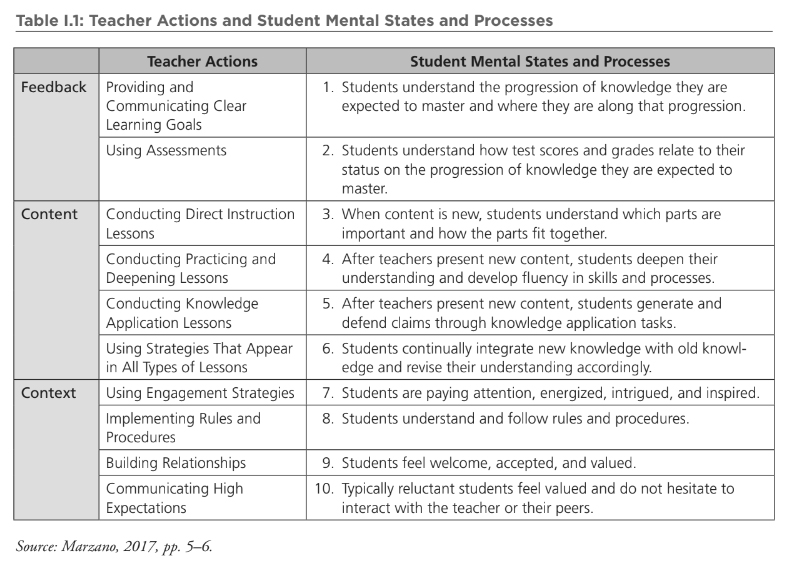
In The New Art and Science of Teaching framework, each design area is associated with a specific teacher action.
This table shows the ten teacher actions within the three categories and describes the desired student mental states and processes for each. https://t.co/FQQgG7wgsh
Though many are in survival mode, remember that student learning is our top priority. Being mindful of that fact will actually reduce stress and anxiety and focus our work. The main thing is still the main thing.
People who see change as a threat to the past reject new ideas and get left behind.
People who treat change as a challenge in the present embrace new ideas and adapt.
People who anticipate change as an opportunity for the future initiate new ideas and lead.
Using an ecosystems lens in #K12 encourages us to think about the multiple layers of environmental influence that inform how learners develop: their relationships; their communities; the institutions they interact with; and the broad cultural values that shape their beliefs.