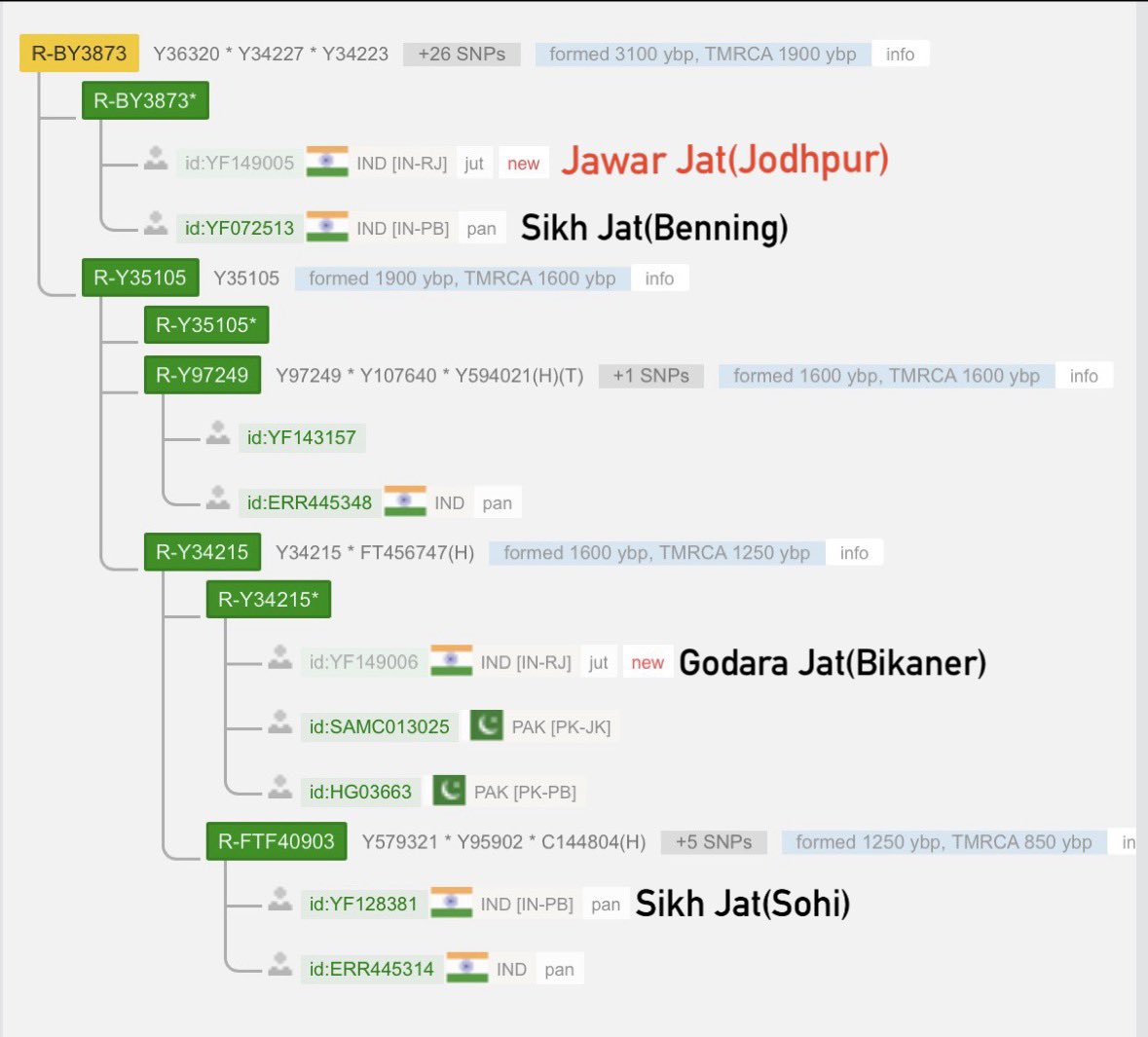
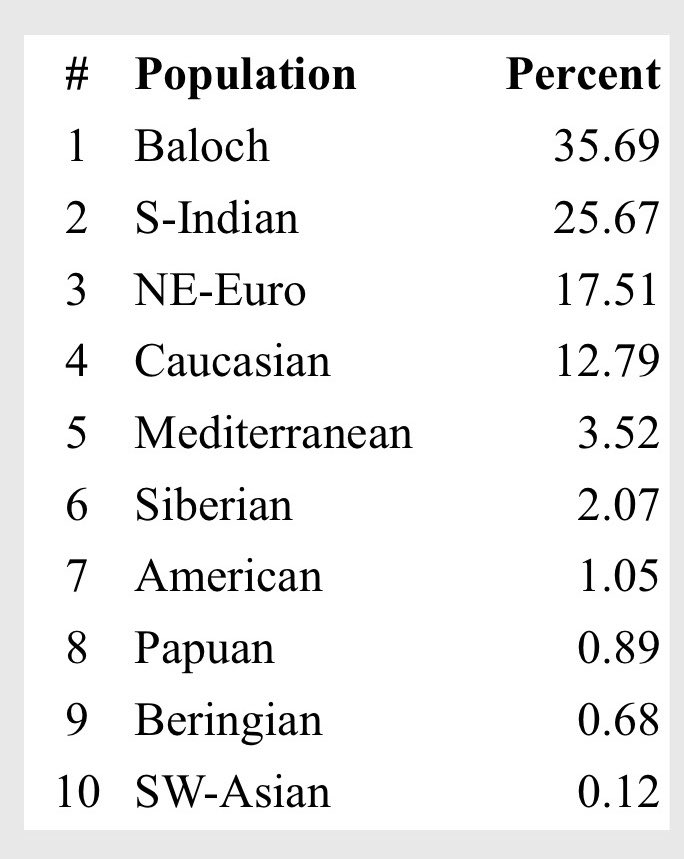
WGS kit DNA results of a Marwari Jat of "Godara" clan from Bikaner, Rajasthan. Mother is “Dhattarwal” from same region.
Y-Full haplogroup is R1a-(R-Y34215), Indo Aryan clade. Mtdna is T2d1b1(Steppe).
CA_Farmer : 40.00%
Steppe_LBA : 42.20%
AASI : 17.80%
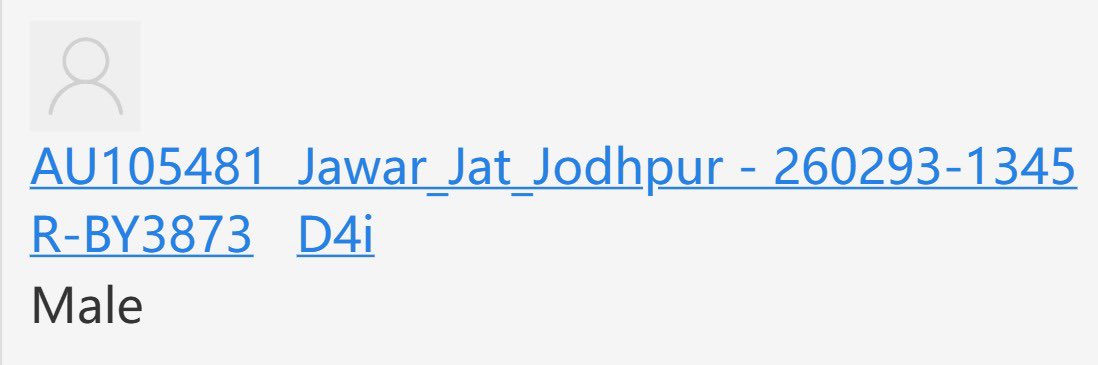
WGS kit DNA results of a Marwari Jat of "Jawar" clan from Jodhpur, Rajasthan. Mother is Khilan from Jodhpur.
Y-Full haplogroup is R1a-(BY3873), Indo Aryan clade. Mtdna is D4i(East Eurasian).
CA_Farmer : 36.90%
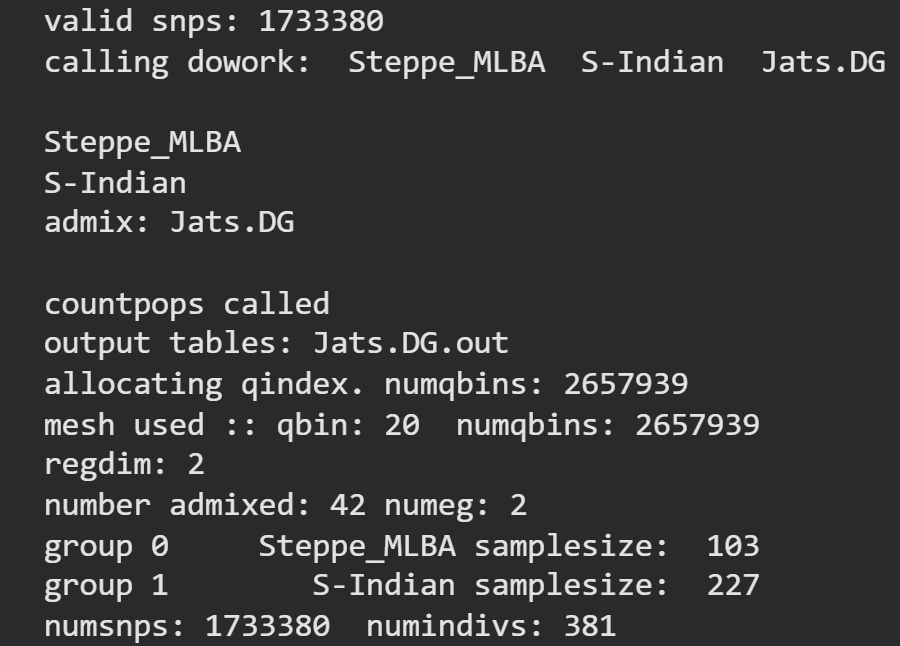
Steppe_MLBA : 43.30%
AASI : 19.80%
WGS kit DNA results of a Deswali Jat of "Ahlawat" clan from Beri, Jhajjar, Haryana. Mother is (Bagri) Chahal from Bhiwani.
Y-Full haplogroup is R1a-(A35072), Indo Aryan clade. Mtdna = U2e2a(Steppe).
CA_Farmer : 34.70%
Steppe_MLBA : 44.10%
AASI : 21.20%
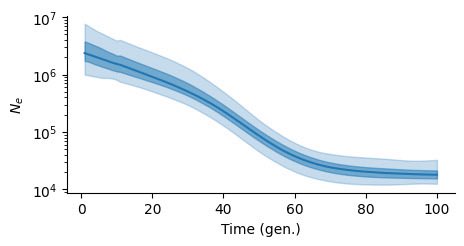
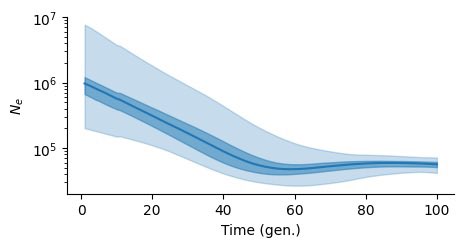
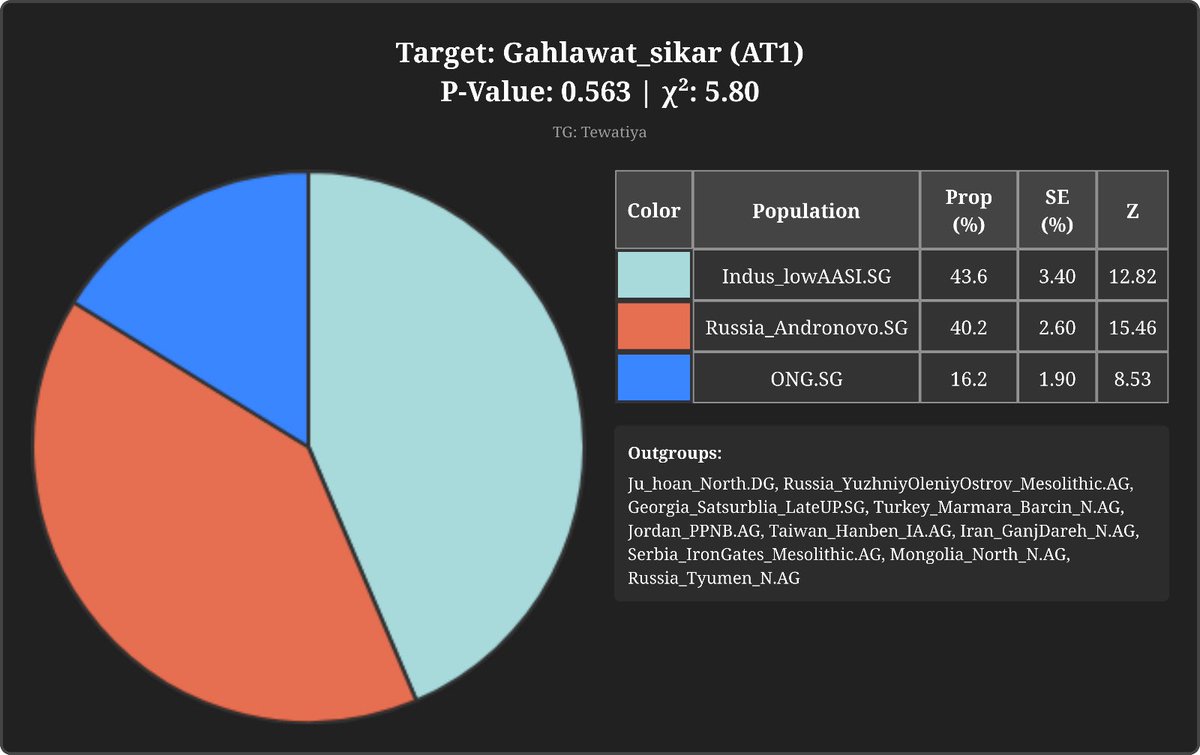
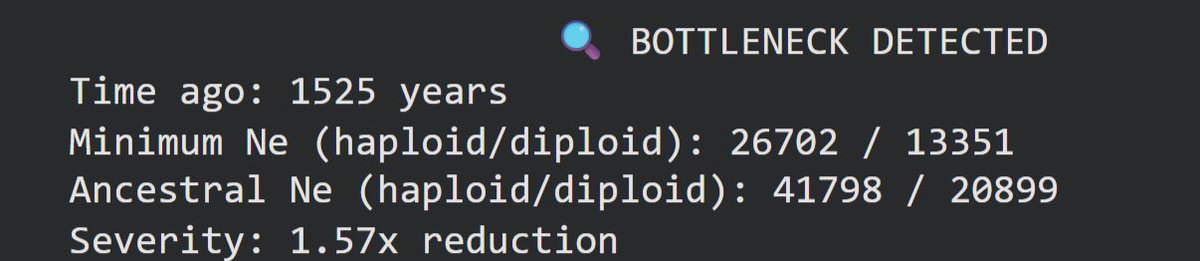
@Jatgenome_edu Test for bottleneck or any founders effect among Jats of HR,RJ,UP,GJ.
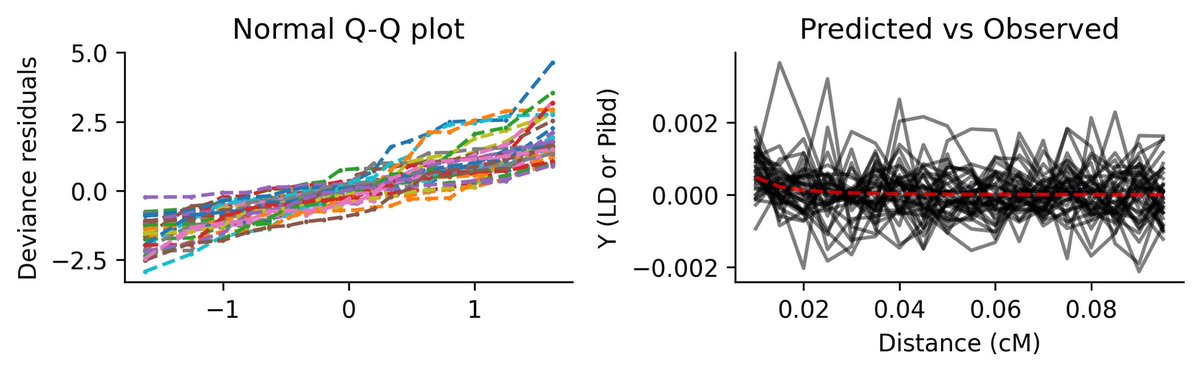
There is none of the above event observed above as asserted using controlled HapNe-IBD method with high- quality genome data, Jat population is gradually increasing since 70 generations.
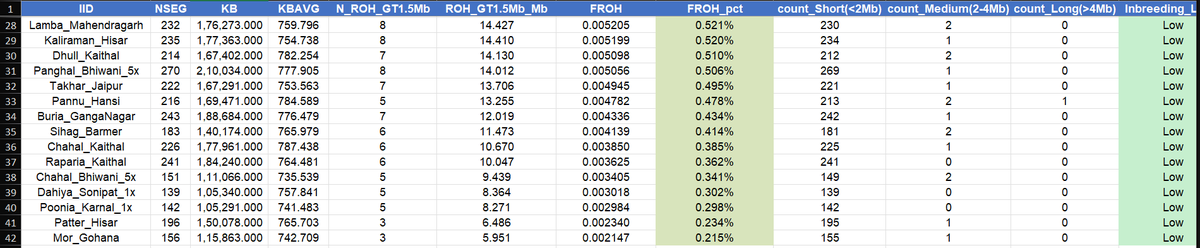
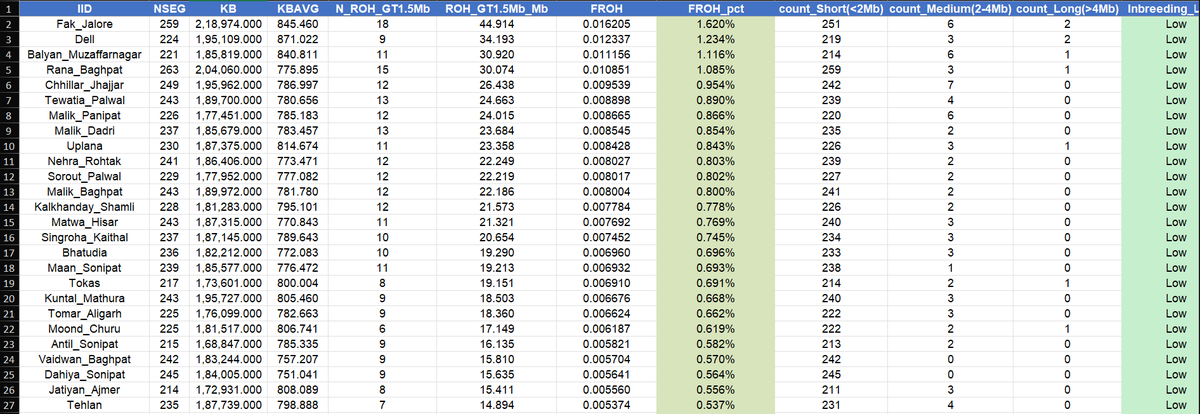
Calculated FROH % of Jats using 1M SNP markers to test inbred coefficient and every Jat sample used is outbred with lower coefficient than many European populations, these results are much more accurate than before and suggests this group doesn't need to intermarry.
Using pooled Indus_p samples admixture event dates back upto 2000 BCE however S.E. is high cause of locak of high quality and good no. of indus genomes.
Steppe admixture in Haryana,RJ,GJ,UP Jats hovers around 870-1100 BCE approximately ( 28-30 yrs. per Gen.) using 2M AADR, which is older than groups like Kalash,Burusho etc. With more available samples this admixture should sit somewhere near 950-1300 BCE 1/2
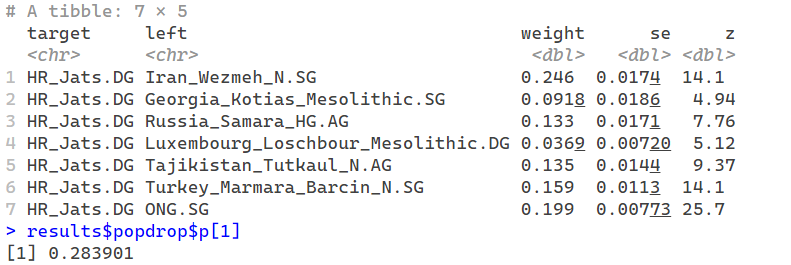
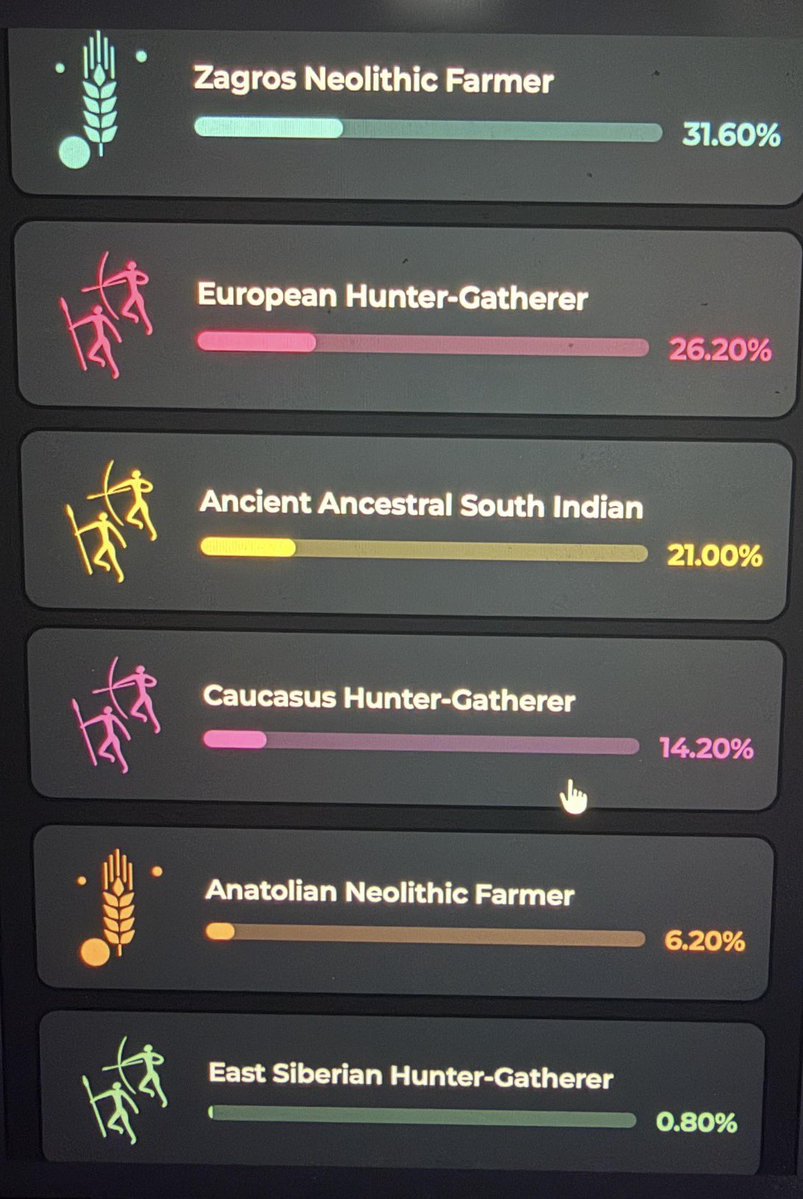
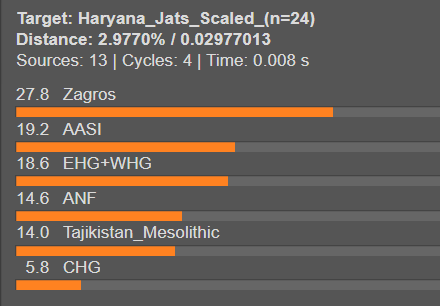
Some Indian pops who scores highest Neolithic and UP ancestry along with their % calculated via qpAdm>
Zagros= Gujjars/Rabaris~ 30-36%
CHG= Kambojas~ 9-13%
EHG= Jat/Rors~ 10-17%
WHG= Jat/Rors~ 3-4%
AnatolianF = Jat/Rors~ 12-20%
AASI= Paniya~ 70-85%
ANE= Jat/Rors~ 24-32%
Tewatia Jat from Palwal, Haryana share more alleles with Kumsay EBA than with Sarazm.
In other words, relative to the Copper Age Tajikistan sample, the modern Jat group is pulled toward the Kazakhstan Early Bronze Age sample. That pattern is the kind of signal people interpret as extra shared drift with a steppe-related / EBA Central Asian source rather than with the Sarazm-related farmer-like source — but one f_4 only tests this contrast; it does not by itself prove a unique source or give an admixture proportion.