“Pigs get fat, hogs get slaughtered” is probably the best way to understand today’s decision in Louisiana v. Callais.
For years, left-leaning groups have pushed an increasingly aggressive reading of the Voting Rights Act to force red states to draw more majority-minority districts (or in other words, to draw districts which often translate into more Democratic-leaning districts). The Supreme Court just put a firm limit on that strategy.
Basically, left-leaning groups pushed the Voting Rights Act beyond its original limits. Rather than focusing on traditional race-neutral districting criteria, those drawing lines were constantly looking at race to produce maps that predictably advantaged Democratic candidates.
The Supreme Court has made it abundantly clear in the past that states generally cannot allow race to predominate in drawing district lines absent a sufficient legal justification. Today's decision clarifies that plaintiff groups cannot rely on race-driven alternative maps to force additional majority-minority districts unless §2 of the Voting Rights Act actually requires it. Plaintiff groups must use the same criteria in drawing alternative maps as the states use. That includes satisfying the State’s legitimate districting goals, such as political considerations, without relying on race as the driving factor.
Furthermore, today's decision made clear that historical discrimination, standing alone, is not enough to justify race-based districting today. Leftist organizations who wish to claim that maps are drawn to fix past racial discrimination must show that this past racism supports a present-day inference of intentional discrimination.
Section 2 of the Voting Rights Act is an enforcement tool under the 15th Amendment to stop intentional discrimination. Today's decision prevents the Voting Rights Act from being used as a tool to produce predetermined electoral outcomes through race-based line drawing. The Court confirmed that the Constitution guarantees equal opportunity to the ballot box, not equal results from the ballot box.
Bottom line: this decision takes away one of the primary legal tools used to pressure states into creating additional VRA districts and makes it much harder to sustain those claims going forward.
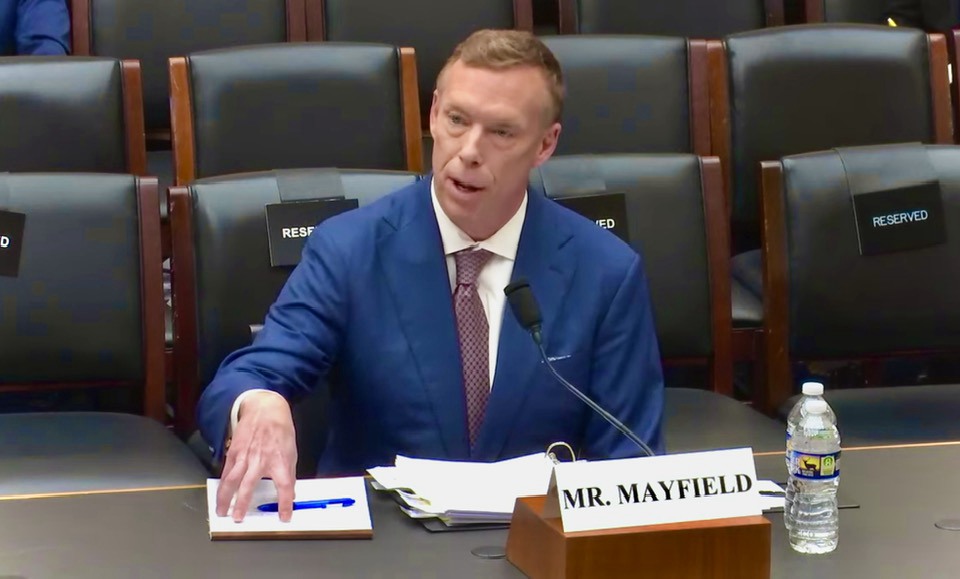
CABK member Trey Mayfield testified before the House Judiciary Committee on issues related to the 2020 Census.
🎥 watch his remarks and Q&A here: https://t.co/5pRacNQ9z8
(Opening statement at 41:00, questioning at 1:05:00.)
Mike Adams, Christine Svenson, and Trey Mayfield represented CABK at the Institute for Free Speech’s 20th Anniversary reception in DC last night. Here’s to 20 years defending the First Amendment—and many more. @InstFreeSpeech
Big W🚨CABK’s Jerad Najvar defended a Texas couple sued by Biden-Harris campaign officials for alleged “voter intimidation” following a 2020 Texas Trump Train rally. "The jury rejected this attempt to deploy the judicial system as a weapon to silence political opposition"–Najvar
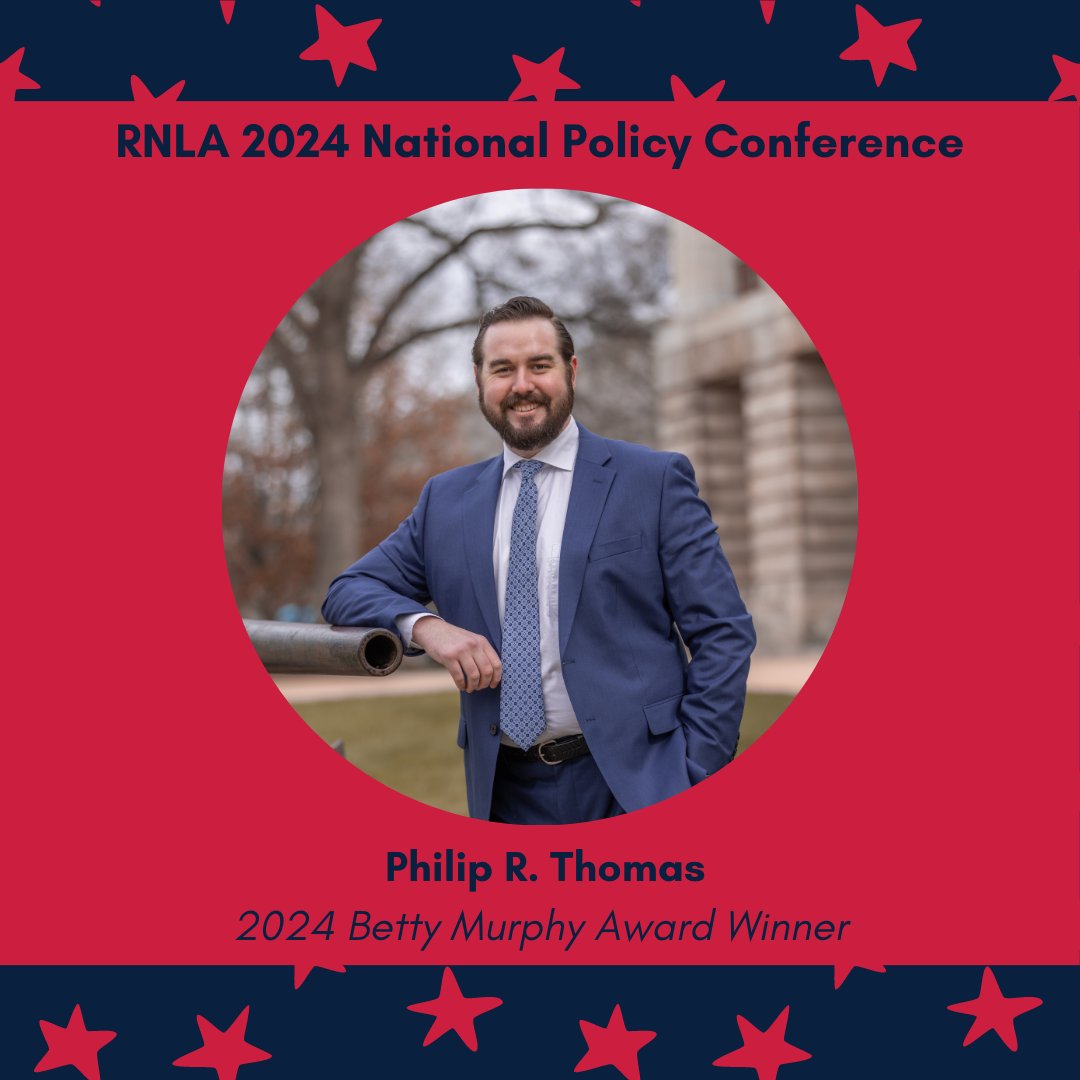
IN THE NEWS "It is a tremendous honor to receive this award, however, this is not the end of the road — our work continues on." 2024 Betty Murhpy Award winner Philip R. Thomas in @nsjnews@Chalmers_Adams
https://t.co/JYQXSqdR18
🏆We are pleased to present the 2024 Betty Murphy Award to Philip R. Thomas of North Carolina.
"Philip is an outstanding attorney who did incredible work to build up the North Carolina GOP’s legal and election integrity programs while serving as the Party’s Chief Counsel." @ChairmanWhatley
https://t.co/9TITTupnr2
Today marks 10th anniversary of the landmark #SCOTUS ruling in McCutcheon v FEC.
The case struck down the gov’t’s ability to endlessly & unreasonably regulate political speech and association.
Here’s a great read about how it happened from @TIME https://t.co/xESf4Pmqmc
Great job by one of our newest members, Christine Svenson in bringing suit on behalf of Judicial Watch to clean up the voter rolls in Illinois. #electionlaw#voting@JudicialWatch
https://t.co/2ak2aeKh9O
Last week, CABK Member Chuck Gabriel was admitted to practice in the United States District Court for the Eastern District of North Carolina. Chuck brings a wealth of knowledge from his experience practicing in the Federal Courts of Georgia. Be on the lookout for great things!
Check it out: CABK member Philip R. Thomas quoted in a recent @nsjnews article on the US Supreme Court’s ruling in the Moore v. Harper case. 📰
https://t.co/kpnOrtzU7X
This week, CABK members attended a luncheon with the Triangle Chapter of @FedSoc held at the @NCStateBar office. We heard from Judge Stephanos Bibas of the US 3rd Circuit Court of Appeals on a riveting topic entitled “The Corruption of Apology”.
Earlier this month, CABK Member Phil Thomas had the privilege of attending the Summer Meeting of the @RepublicanAGs Association in Nashville, TN. RAGA is an outstanding organization that continues to have a positive impact across the country.