Using a variety of methodologies, Harvard Horizons scholar @chan_duo takes on the challenging task of reconstructing past sea-surface temperatures in order to study climate change @HarvardGSAS https://t.co/O7UoZRbseV
Animation shows the periods of the year in the UK when average temperatures are about the same. Another amazing piece by @neilrkaye (who is a must-follow for every data enthusiast!). Source: https://t.co/yV5VCKofvC
Good advice on how to make good presentations from the climate editor of nature @MWClimateSci. Also, his tips on how to improve writing: https://t.co/RDtrM3LK6W
Thread. I go to a lot of meetings where I have only a modest level of knowledge about the field. Which is great, because then I learn a lot. But I don’t understand the main point of many talks. #DarkConfessions#scicomm
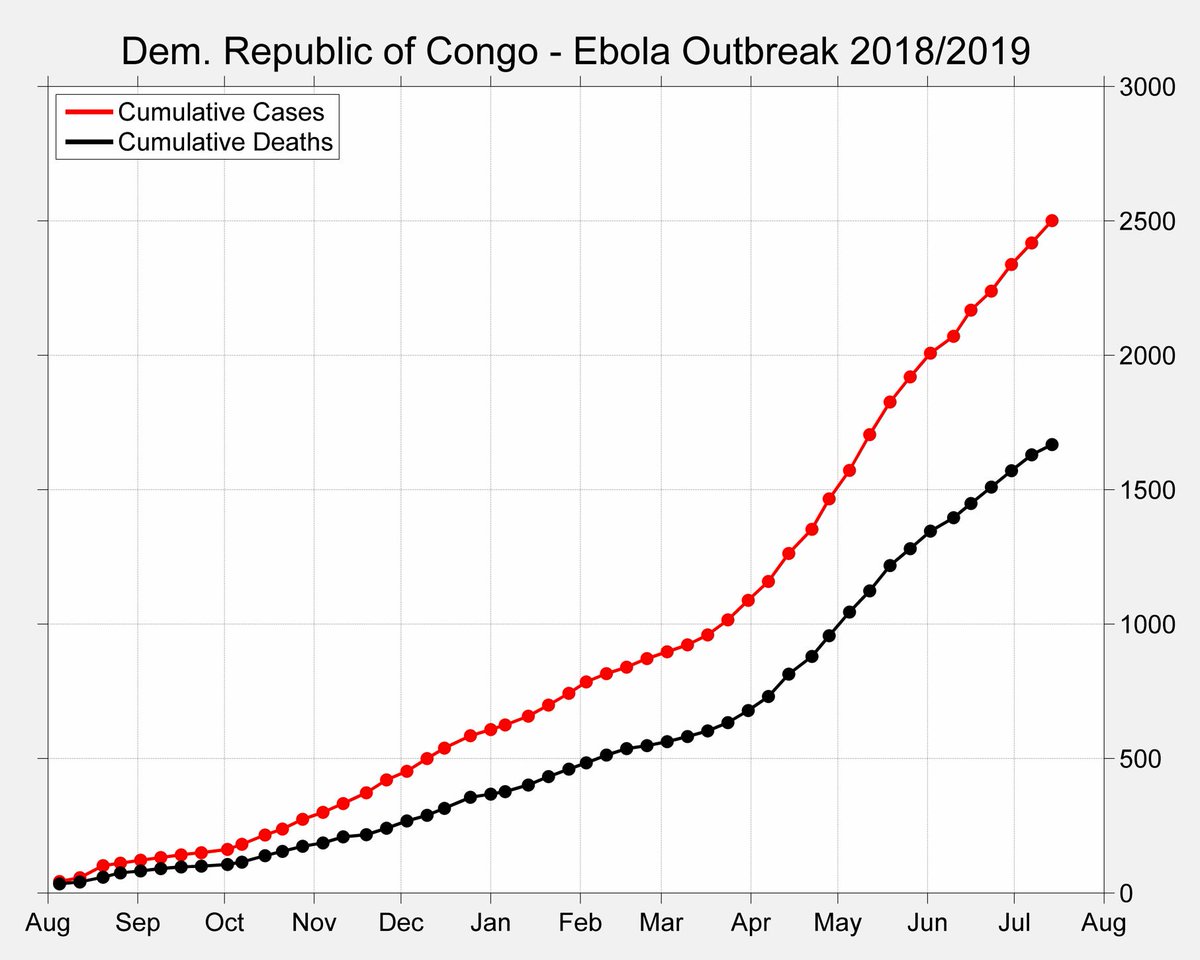
Almost a year after it began, the 2nd largest #Ebola outbreak in history has recently been declared a "public health emergency of international concern", the highest threat level used by the World Health Organization.
https://t.co/OT9eJX2o7F
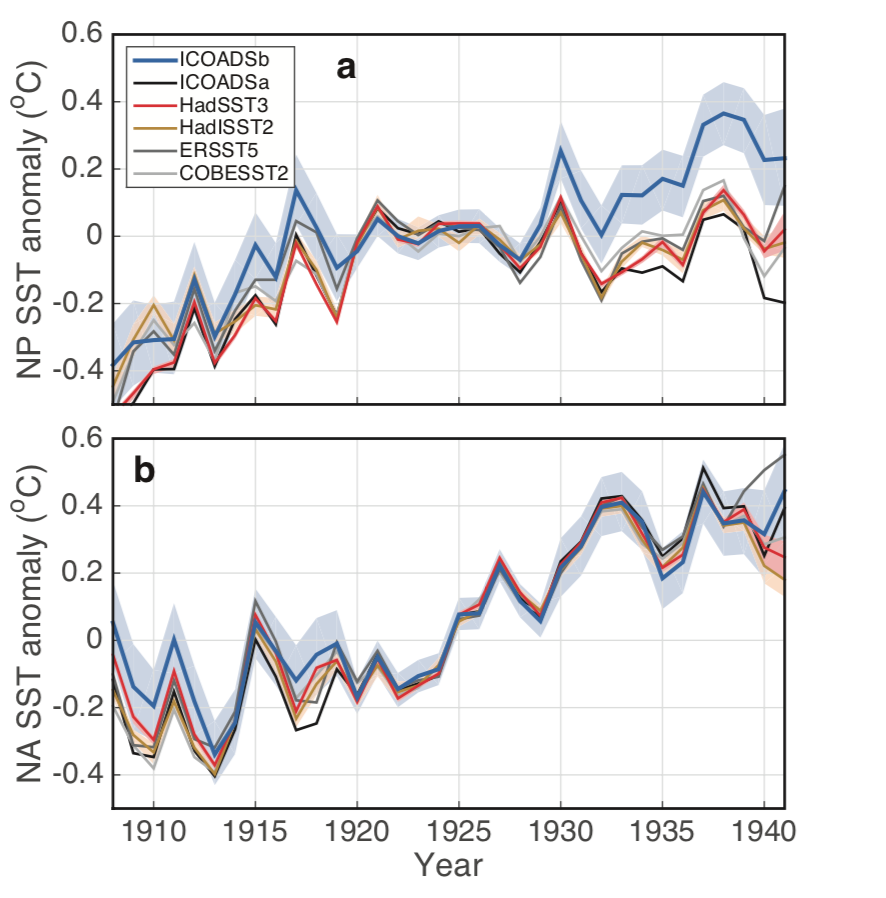
@ed_hawkins Thanks. HadSST4 used HadSST3 bucket corrections before the 1940s. As a result, HadSST4 may have not yet addressed this specific issue. That being said, merging our group-level corrections with HadSST3-type bulk bucket corrections should not be difficult.
Please check our paper in @nature. Distinct early 20th-century sea surface warming rates between the Pacific and the Atlantic were an artifact involving problematic truncations of Japanese records to whole numbers when digitized.
https://t.co/GyRUpVPYGA
I have a piece in @nature today discussing how some early 20th century temperature variation in the North Atlantic and the North Pacific oceans are an artifact of changes in measurement approaches: https://t.co/VqHjQE1uBb 1/10