I’m excited to share that we are looking for a postdoctoral researcher to join my lab at Yale.
If you, or someone you know, might be interested, please feel free to reach out or share this post.
https://t.co/rllwrIdQmm
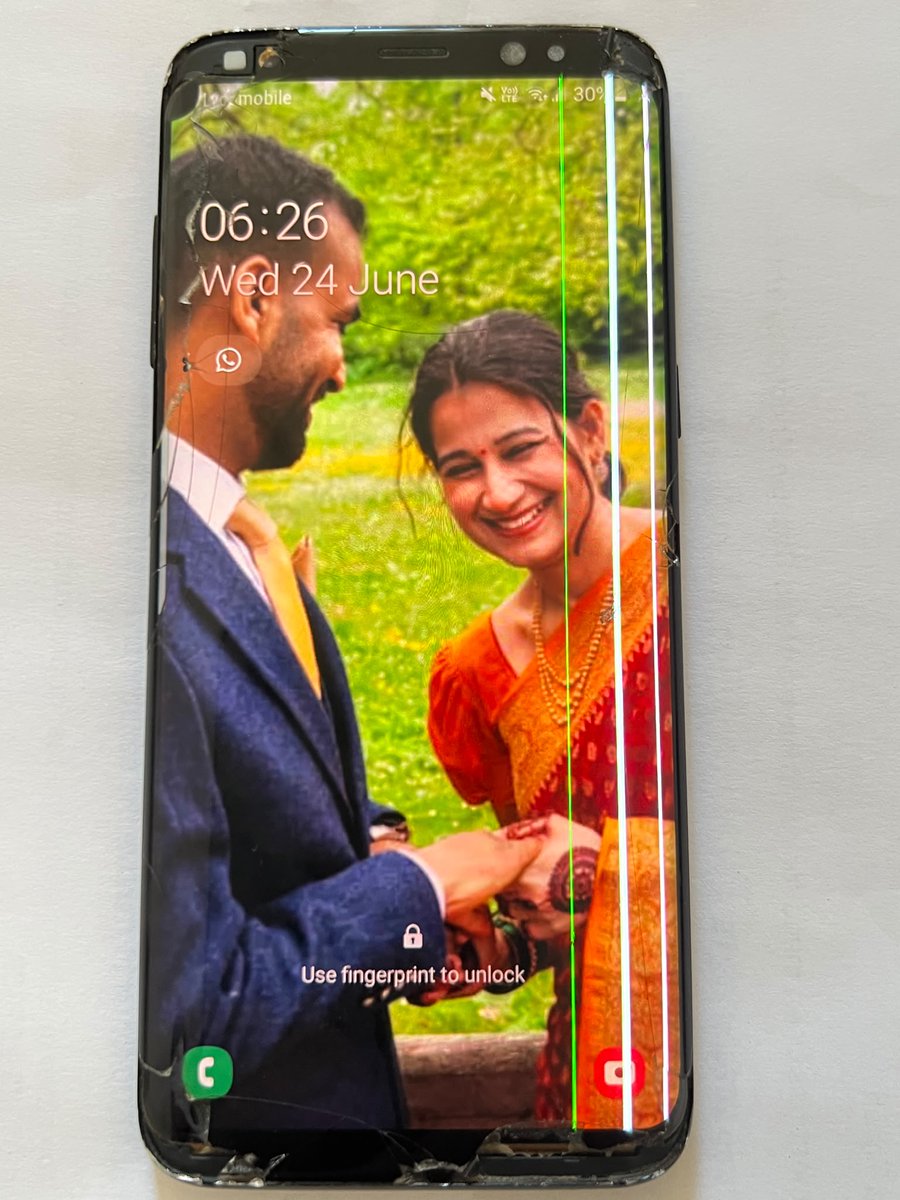
Camera works. Performance solid. Battery still decent. Nearly 8 years later and it still has life left.
Quality like this deserves respect.
Phones may age, but true engineering lasts.
Respect to @Samsung for building devices that outlive trends
#Samsung#GalaxyS8#BuiltToLast
Bought my Galaxy S8 in Dec 2018. Today it looks like it survived a war - cracked screen, chipped edges, near hardware failure, and battle scars everywhere… yet it still runs flawlessly.
In a world of “use & throw” gadgets, this phone refuses to quit. @Samsung@SamsungMobile
@LinkedInHelp My account has been temporarily restricted for month now. I raised ticket , provided identity proofs. I have detailed the issue but no action taken. Recruiter are trying to connect with me on linkedIn but I am not able to reply. Its a serious issue affecting my career. @LinkedIn
Job Alert!
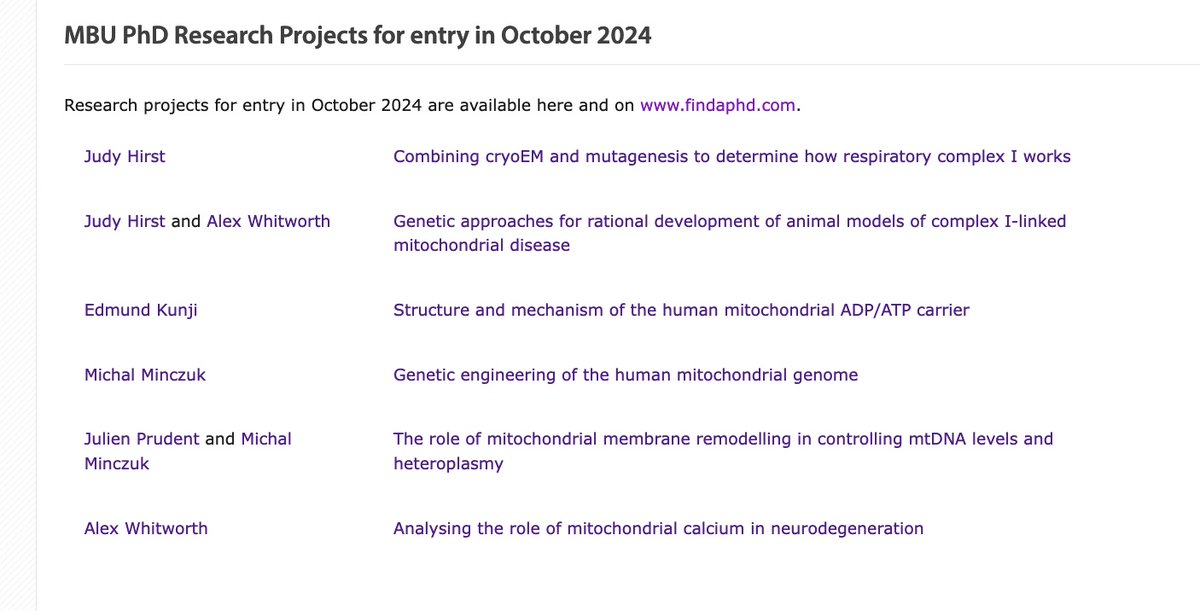
Our lab is recruiting a Postdoctoral fellow to work on the interplay between mitochondrial morphology, mb contact sites, mtDNA dynamics and quality control.
Have a look if interested! @MRC_MBU@Cambridge_Uni
https://t.co/sJ0lINsD4G
https://t.co/IGHfW1A54s. Our latest work on active polymers is now out in Nature Communication! Thanks to all the co-authors for their incredible support! @NatureComms@stpalli@AniruddhMurali @rajeshrint @Arvin
We have a funded Phd position available in the lab in collaboration with @mito_gene !! A project that combines mitochondrial dynamics analysis, mtDNA editing and microscopy! Have a look and apply if interested @MRC_MBU@Cambridge_Uni
Read more about the 'weird and wonderful' ECF transporter family here:
1. https://t.co/Uyf8fsVT9w
2. https://t.co/ZE0EfqSHlW
@MembraneEnzymo1@CPaulino_
Mark Howarth from the Univ. of Cambridge introduces “click biology”, simple and robust tools for non-linear covalent protein assembly. SpyTag and SpyCatcher were the earliest tools made from S. pyogenes adhesion protein that forms a spontaneous isopeptide bond bw Lys and Asp. Most recently, the Howarth lab engineered Neisslock, made from the FrpC protein from Neisseria bacteria, in which high Ca+2 triggers Asp-Pro bond breakage producing a terminal anhydride that can be used for traceless, proximity-dependent coupling to endogenous proteins.
These techs are being used to create virus-like particles (VLPs) for vaccination (clinical trials with VLPs made from SpyTag are underway!), and couple antibody fragments to CAR-T cells.
Neisslock technology: https://t.co/CLElooFpvc
SpyTag technology: https://t.co/GoAmsbKneX
Stunning talk by Mark at the Chemical Biology and Physiology meeting at OSHU in Portland
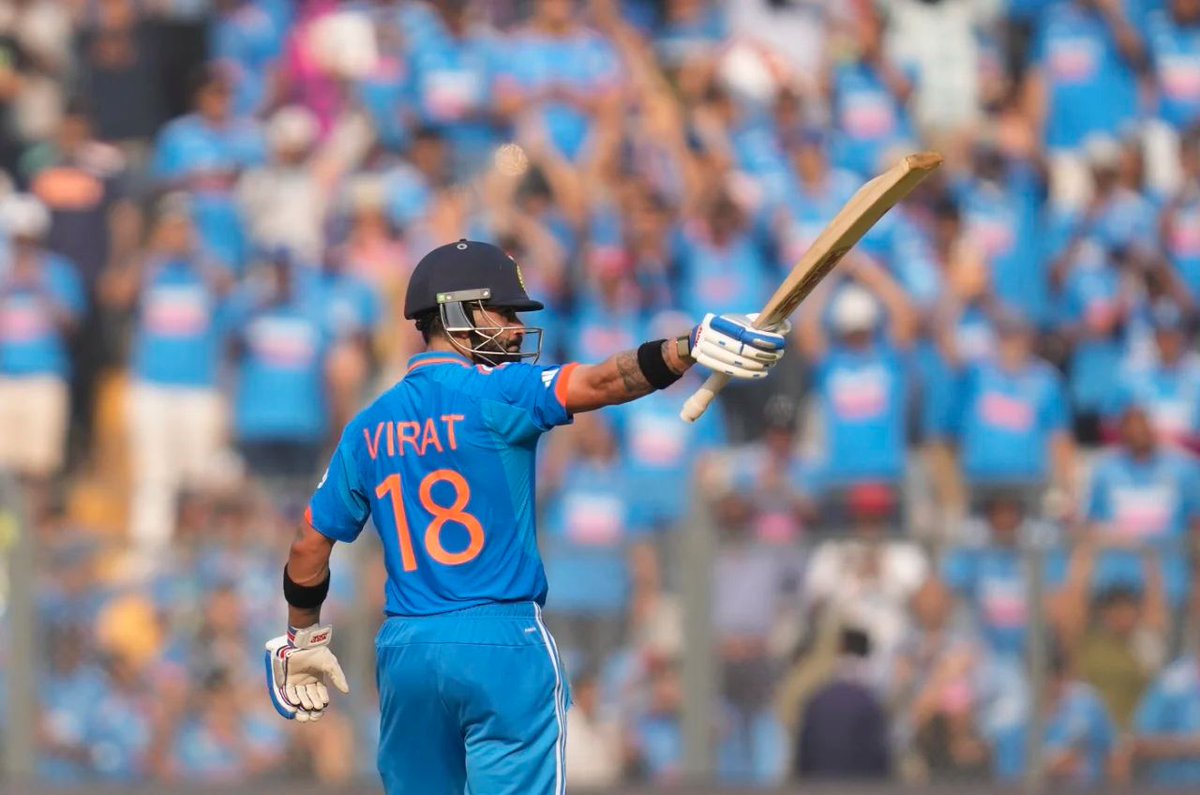
The first time I met you in the Indian dressing room, you were pranked by other teammates into touching my feet. I couldn’t stop laughing that day. But soon, you touched my heart with your passion and skill. I am so happy that that young boy has grown into a ‘Virat’ player.
I couldn’t be happier that an Indian broke my record. And to do it on the biggest stage - in the World Cup Semi-final - and at my home ground is the icing on the cake.
#INDvNZ
We are looking for an enthusiastic #bioinformatician to work on large clinical and single-cell datasets around #Mito biology and disease, in a friendly and highly collaborative environment @MRC_MBU@cam_mito. Please RT or apply https://t.co/Ldc3lAMyJR @mitojobs#postdocjobs
Controlling protein reaction in cells with visible light- our preprint
https://t.co/uYG2rfCyws
and keen to get your feedback! Great collaboration with @RahikainenRolle, @HytonenL and Alex Deiters.
#synbio@UnivCamPharm
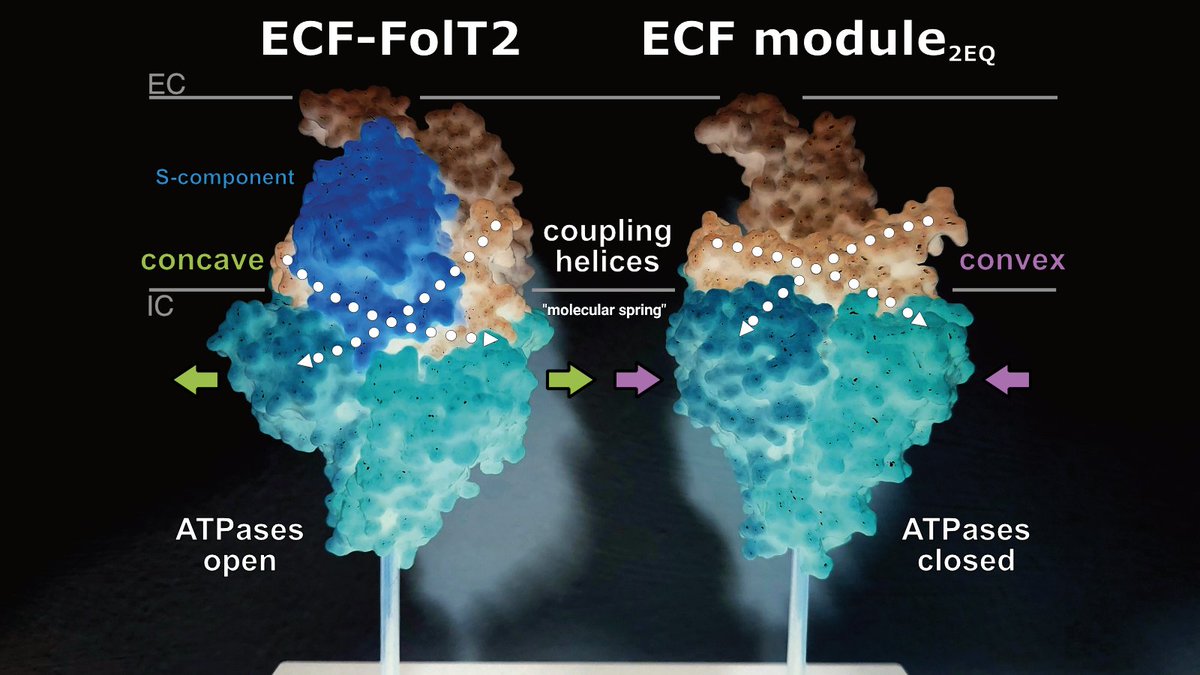
Excited to share our work on how ECF #transporters use ATP binding to charge a molecular spring and tune the #membrane shape to expel membrane-embedded substrate-binding proteins from the docking site into the membrane. #cryoEM#Biochemistry#MDsimulation https://t.co/ZYz12Rz6Bh
Excited to announce the publication of our study on the architecture of the ratGAT1 in the cytosol-facing, GABA bound state @NatureSMB. Brilliant effort @SmrutiR60158682 and well supported by @DeepthiJoseph @ArchishmanDakua @AthreyaArunabh
https://t.co/xfC2VNjj7b
First talk of the series come from Edmund Kunji @Mitocarriers talking about How ADP and ATP cross the mitochondrial inner membrane: refuelling of the eukaryotic cell. @MitoRem @UniStavanger