Last week, Anthropic announced Project Glasswing alongside Claude Mythos Preview, a model they described as so powerful at finding vulnerabilities they couldn't release it. The announcement featured AWS, Microsoft, Google, and Apple as partners, $100M in compute credits, and a clear message: this is dangerous, and only we can be trusted to deploy it safely.
The results were real. Thousands of zero-days across every major OS and browser. A 27-year-old bug in OpenBSD. A 16-year-old bug in FFmpeg. Fully autonomous exploit chains that would have taken human researchers weeks.
But here's what bothered me: all the credit went to the model.
Read the technical blog carefully and a different picture emerges. The real innovation isn't the model. It's the workflow:
- Rank every file in a codebase by attack surface
- Fan out hundreds of parallel agents, each scoped to one file
- Use crash oracles (AddressSanitizer, UBSan) as ground truth
- Run a second verification agent to filter noise
- Generate exploits as a triage mechanism for severity
That's a pipeline. And pipelines are model-agnostic.
At Lazarus AI, we spend our days deploying custom AI in places where "just use the closed API" isn't an option: regulated industries, enterprise, and government. When I saw Glasswing, my instinct was the same one I have every week: strip out the proprietary model, keep the architecture, run it on whatever model is best for the customer.
Clearwing is a fully open-source vulnerability discovery engine. Crash-first hunting, file-parallel agents, oracle-driven verification, variant hunting, adversarial verification. Works with any LLM.
I tested it with OpenAI Codex 5.4 and reproduced Glasswing's findings. I'm now reproducing results with our own ReAligned model - Qwen3.5 finetuned to Western alignment.
Mythos is certainly a great model. The N-day exploit walkthroughs in Anthropic's blog show real reasoning depth. But it's an incremental improvement over Opus, the same way Opus was over Sonnet, and Sonnet over Haiku. It's not a leap to superintelligence. It's the next point on a curve we've been watching for years.
What actually changed the game was the workflow.
Defenders shouldn't have to wait for access to a gated model to secure their software. These vulnerabilities have been sitting in codebases for decades. The tools to find them should be available to everyone: the open source maintainer running FFmpeg on a Saturday, the startup that can't afford $125/M output tokens, the researcher in a country where Anthropic doesn't operate.
Clearwing is MIT licensed and available now.
https://t.co/E0WP5njZQJ
Clearwing enables a wide variety of security activities. Handle with care. It is sharp.
@chrismoodycom Fox News front page today at 1:20 PM Mountain Time. You have to go below the fold to see that the market is melting down, China's response, etc. Yes, where you get your news really, really does matter.
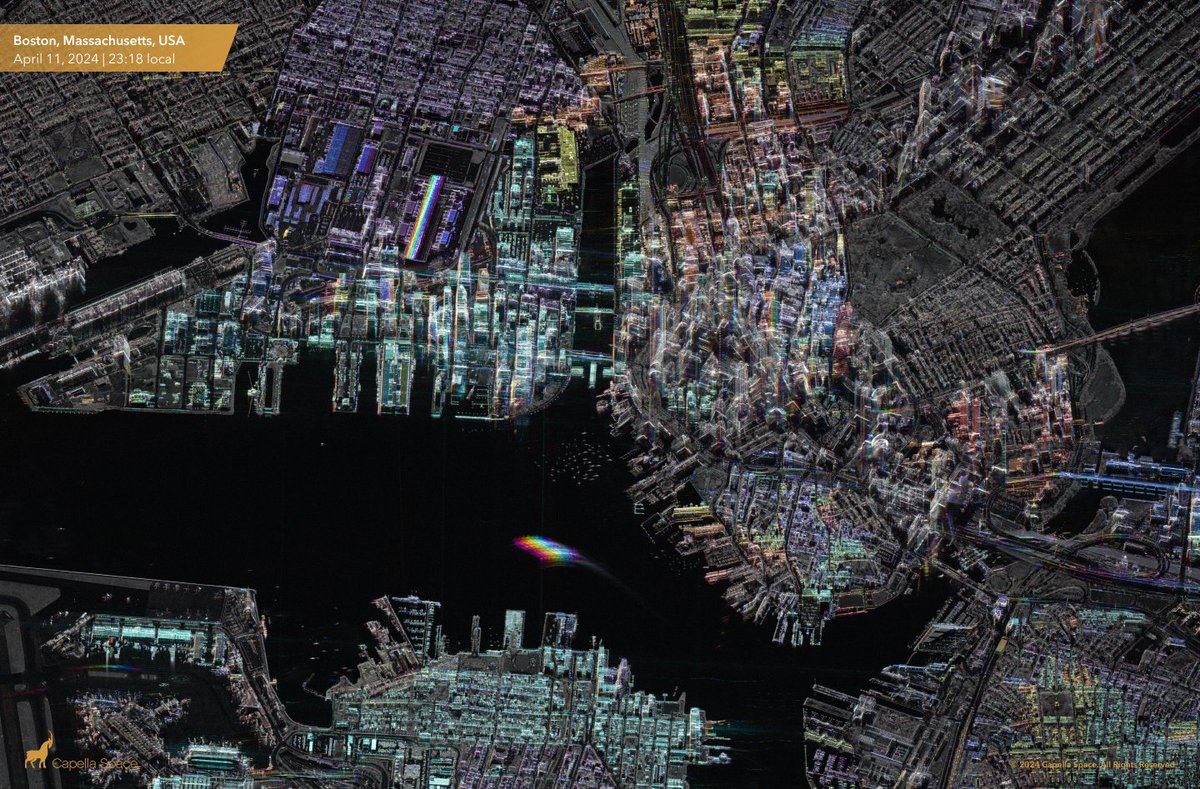
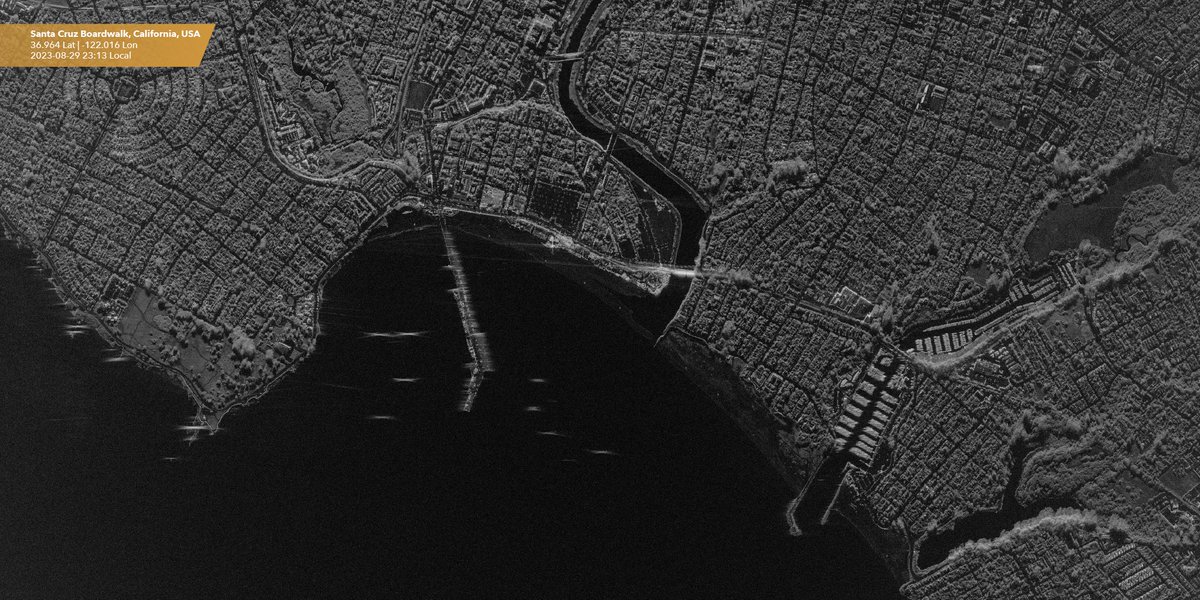
First Light #SAR images from Capella 14 are here! "Born in the #USA" was launched on the @SpaceX Bandwagon-1, putting our 14th satellite into MIO that will continue to maximize revisit and optimize image collection over key areas of interest. https://t.co/FRo05UKDkv
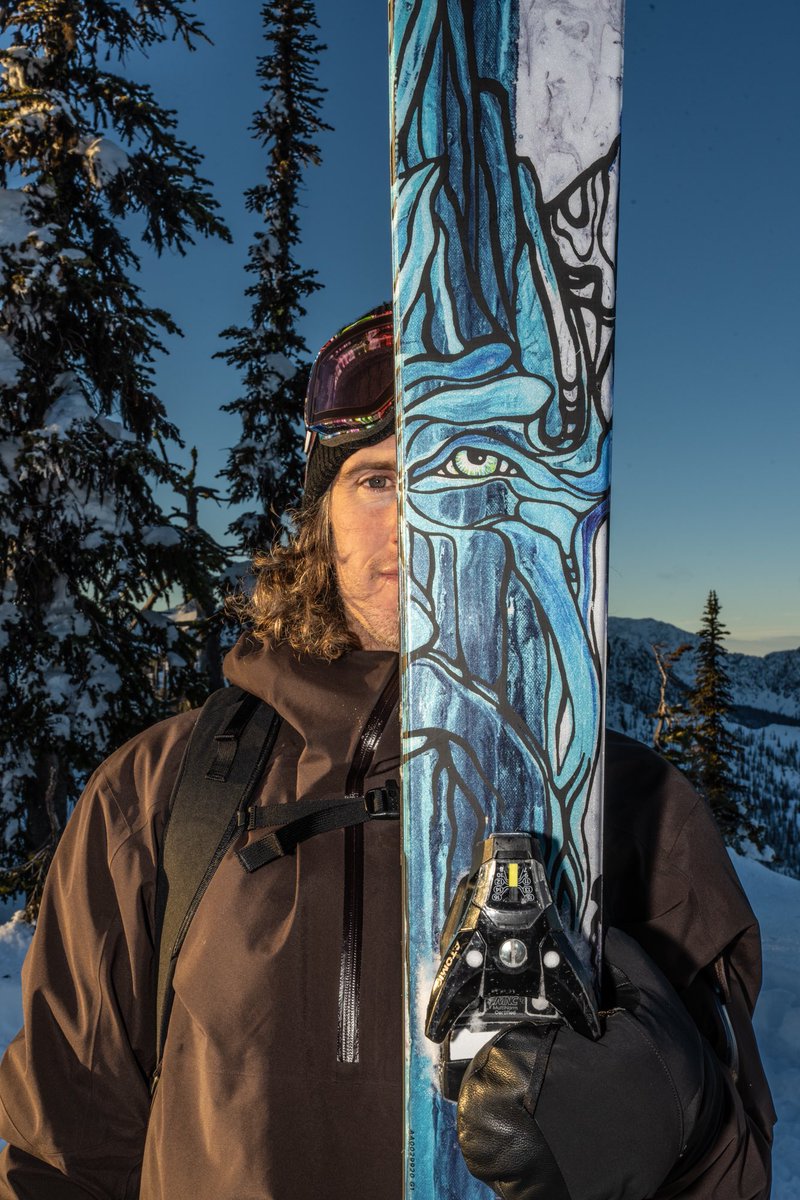
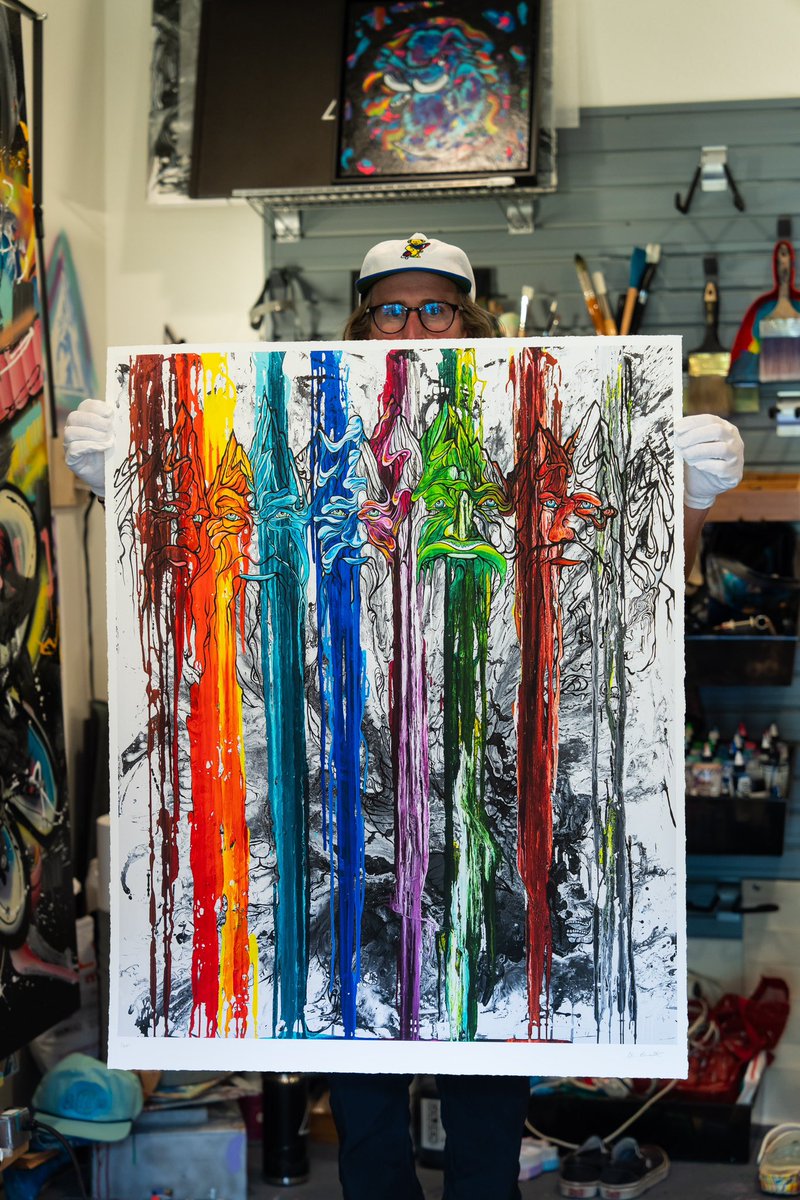
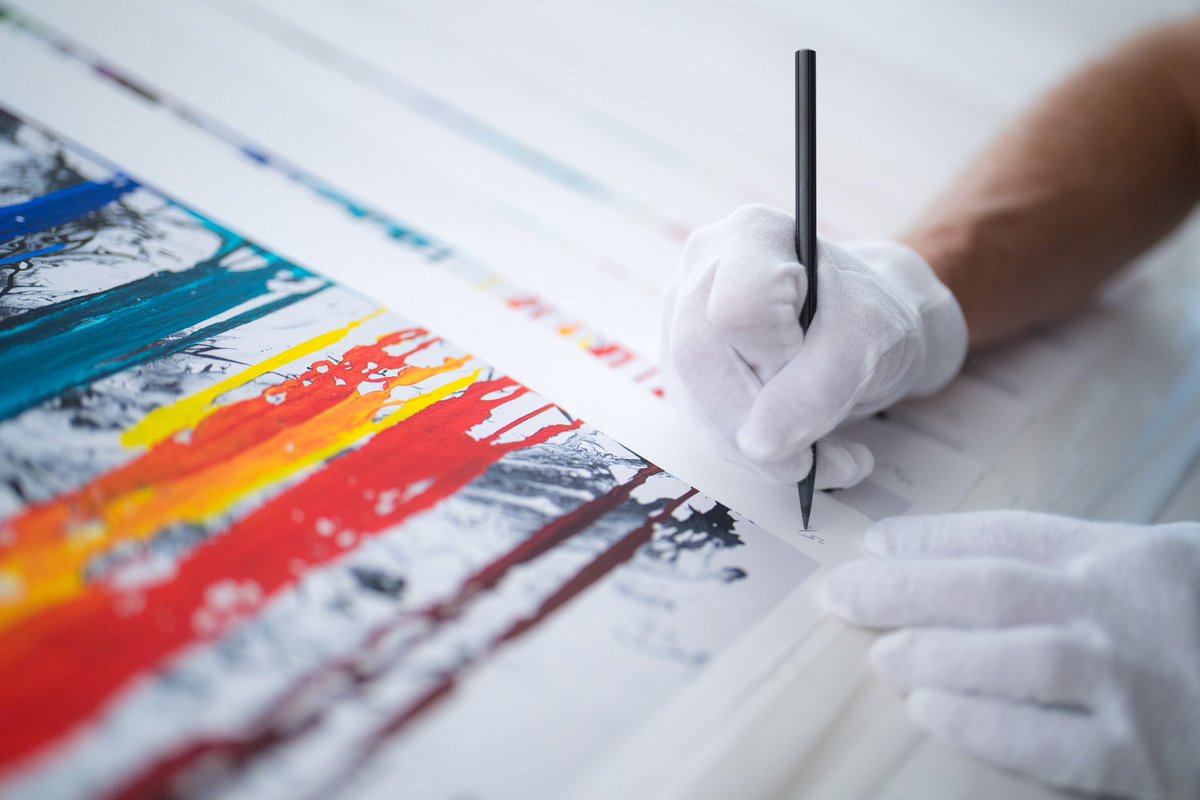
In celebration of my new Atomic Bent line dropping today, I wanted to offer a limited edition print of Asthenospheric Mantle, the painting that was used on this years graphics…
A sizable 40” x 30” Giclée on acid‑free, elegantly textured 100% cotton, cold pressed fine art paper with deckled edges.
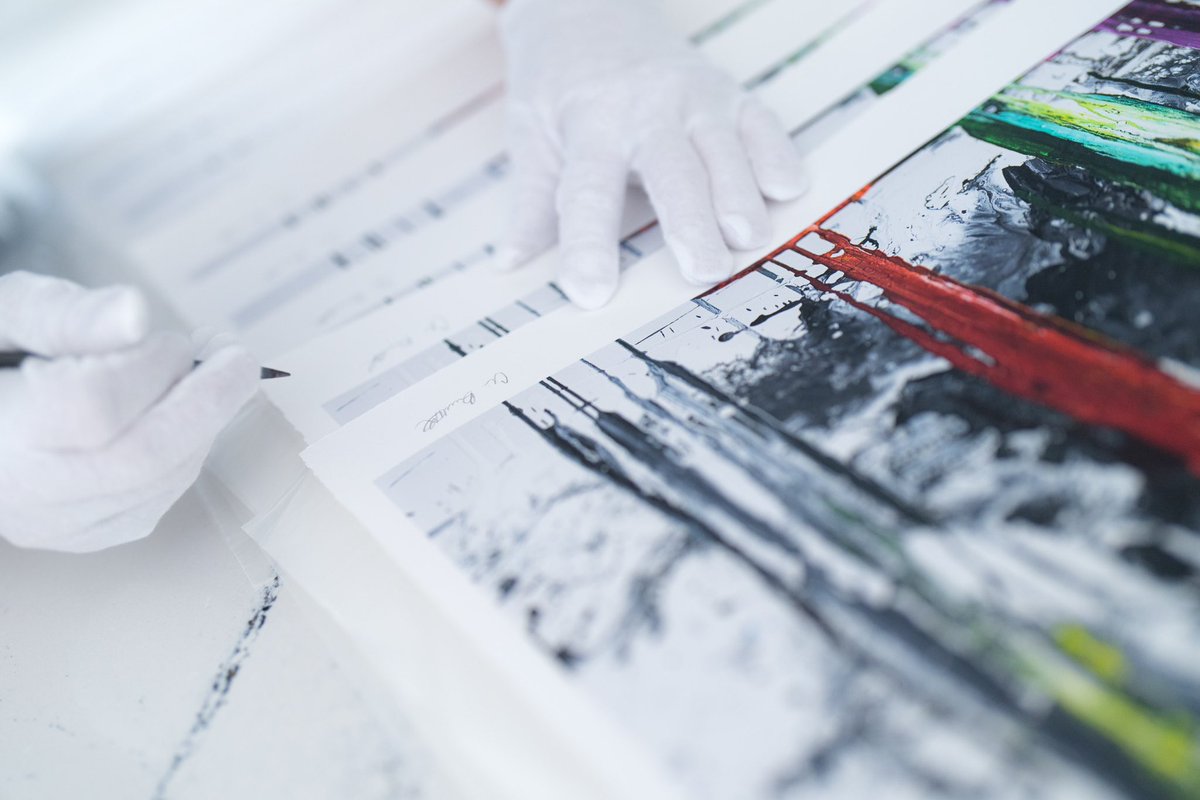
Atomic started in 1955, so a very limited hand signed edition run of 55 felt right.
Shipped in an extra durable, double wall, bi-directional, corrugated inner and outer shipping box to maximize strength and ensure safe arrival and storage.
https://t.co/aKyCt1LNcc
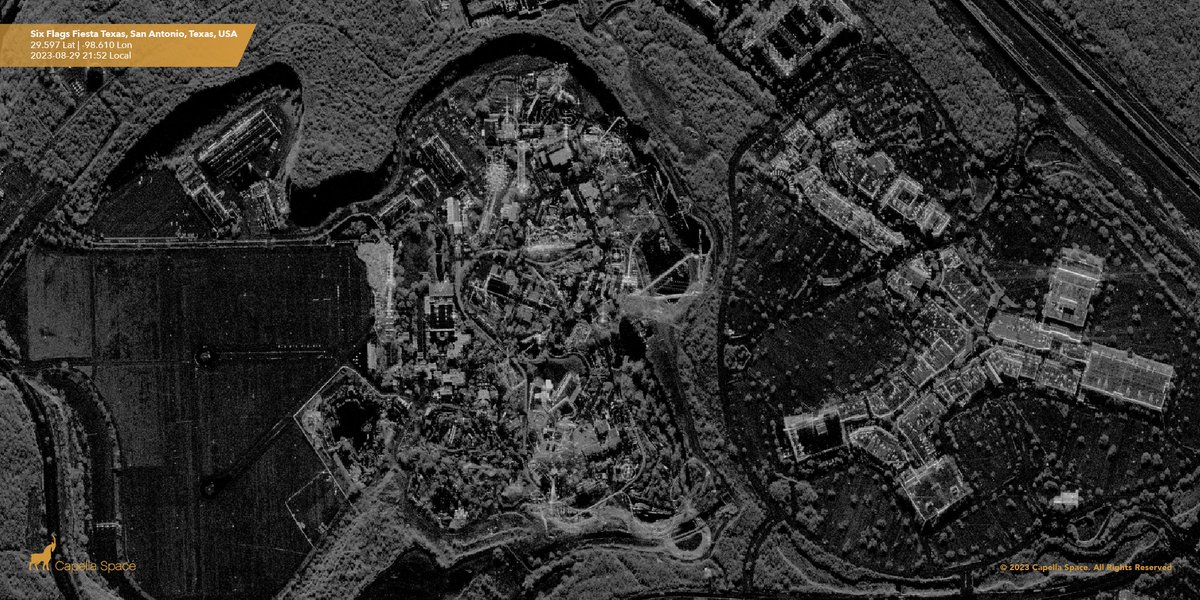
Just a week after our #WeLoveTheNightlife launch, First Light imagery from our third generation Acadia satellite is here! Check out our night time series of rollercoasters from around the world. Read more https://t.co/JNJ48lsHPA #SAR