The clue here is that it doesn’t work.
“Wealth” is not money in the bank.
Risk is disproportionately higher.
People do not put in equal effort or have equal input. This creates significant friction.
Running a company is more complex than anyone who suggests this realises
A single individual can start a company, but it takes the efforts of far more individuals to grow that company, especially to grow it into a multi billion dollar company. In our current capitalist society, the owner takes most of that wealth. I think Employees deserve far more.
@mattdaytech They also pay 24%, 18% is on the first £1m - so he’s intentionally taken the lowest number possible despite the majority of receipts to HMRC coming in at the higher rate. Which is 25% higher than stated
@wesstreeting You said “they pay a higher rate on their income” while comparing it to CG, people pay the same income tax- capital gains is a totally different way of earning.
Eg, how many jobs do you have to risk, say, £20k upfront for?
You’re either disingenuous or moronic, possibly both
@Alonso_GD In what world would you expect *minimum* wage be above *average* costs
Also, household energy, council tax and rent include multiple people in residence (ie split the bill).
Takes an ounce of critical thinking but cool 👌
Meta decided to turn on related media on every ad in my ad account. No wonder my CAC has been 20% + higher the last 3 days. Literally hurdle after hurdle at the moment.
🚨 WhatsApp and Facebook team up with Arsenal to celebrate football group chats. Global partnership includes hero film and in-person and digital experiences for fans.
I'm 44. I've bootstrapped a company, raised $50M+, sold to PE, and now own manufacturing facilities across North America.
If I was 25 again building my first brand, here's what I'd tell myself.
1. Bootstrap. 99% of the time.
Don't raise money. Bootstrap all day every day in consumer. There's rarely an instance where you should raise outside capital. Most of my pain over the last eight years running this business has been because I have investors. I would never do that again knowing what I know now.
2. Competing incentives will break you.
There's so much brain damage running a company when you have other people involved. Founders and investors can very easily have competing incentives and interests. You think you're aligned, but over time they become disjointed. They have their own set of incentives that you hope are aligned with yours. Often they're not.
3. The 1% exception.
The only time raising makes sense is when you need heavy capex. Building factories. Deep R&D like Lomi where research and development is super cash intensive. That's why we did it. Otherwise, the downside to raising money in consumer is much higher than the upside.
4. The hard part of bootstrapping.
The downside to bootstrapping in consumer is cash/working capital sucks. Even if your business is profitable, a lot of your growth gets financed from cash flows. You don't make a lot of money personally because so much gets cycled back into inventory and working capital.
Consumer is not a great place for outside capital. There are very few cases where it makes sense. Build lean. Stay in control. Go for positive cash flows over everything else.
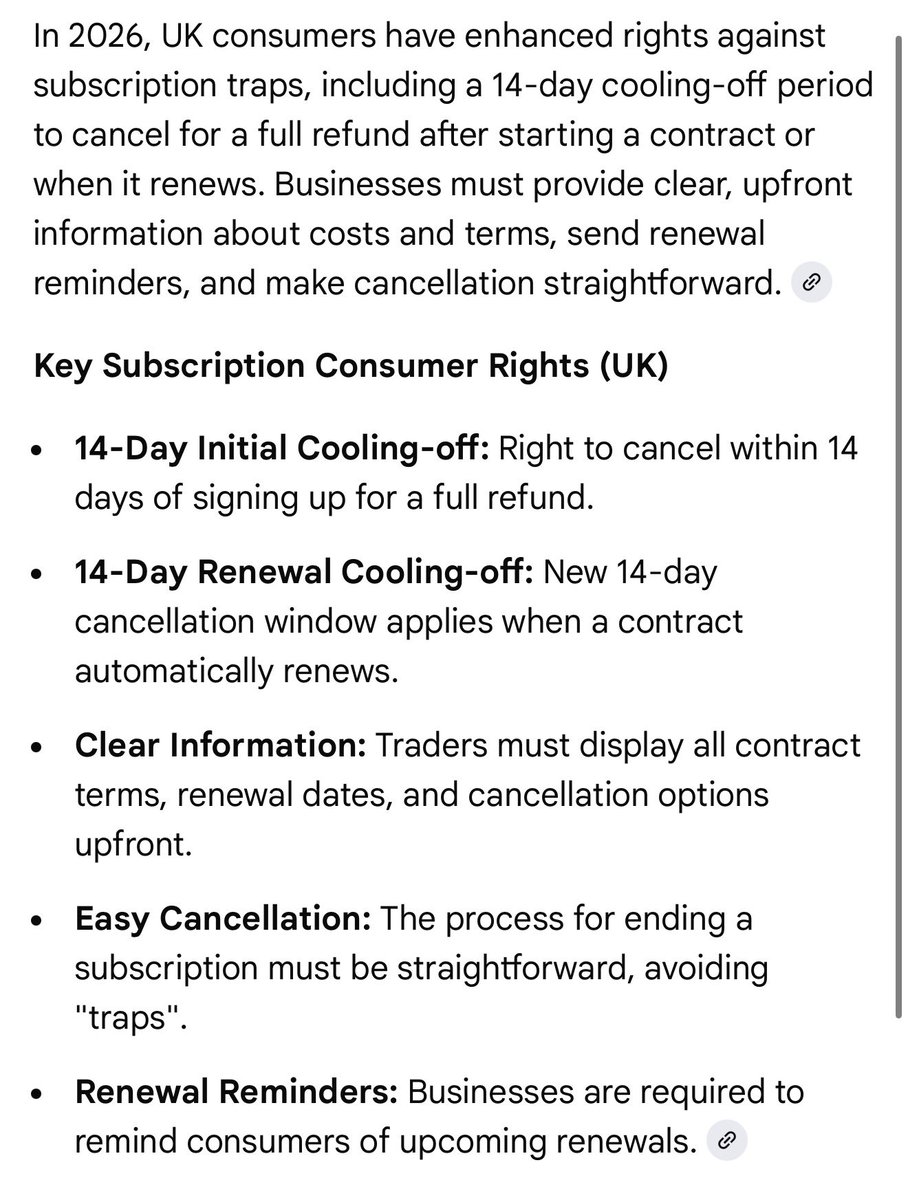
@JoeWelstead no info, no one time purchase option, no mention of the word subscription, reminder emails that aren’t clearly stating you have another on the way…