I built VeryBot — a self-hosted AI assistant that actually does work.
Chat → tasks on a kanban board
Set goals → assistant follows up
Automations, playbooks, Telegram/Discord/Slack
All data stays local. MIT licensed.
npm install -g verybot && verybot
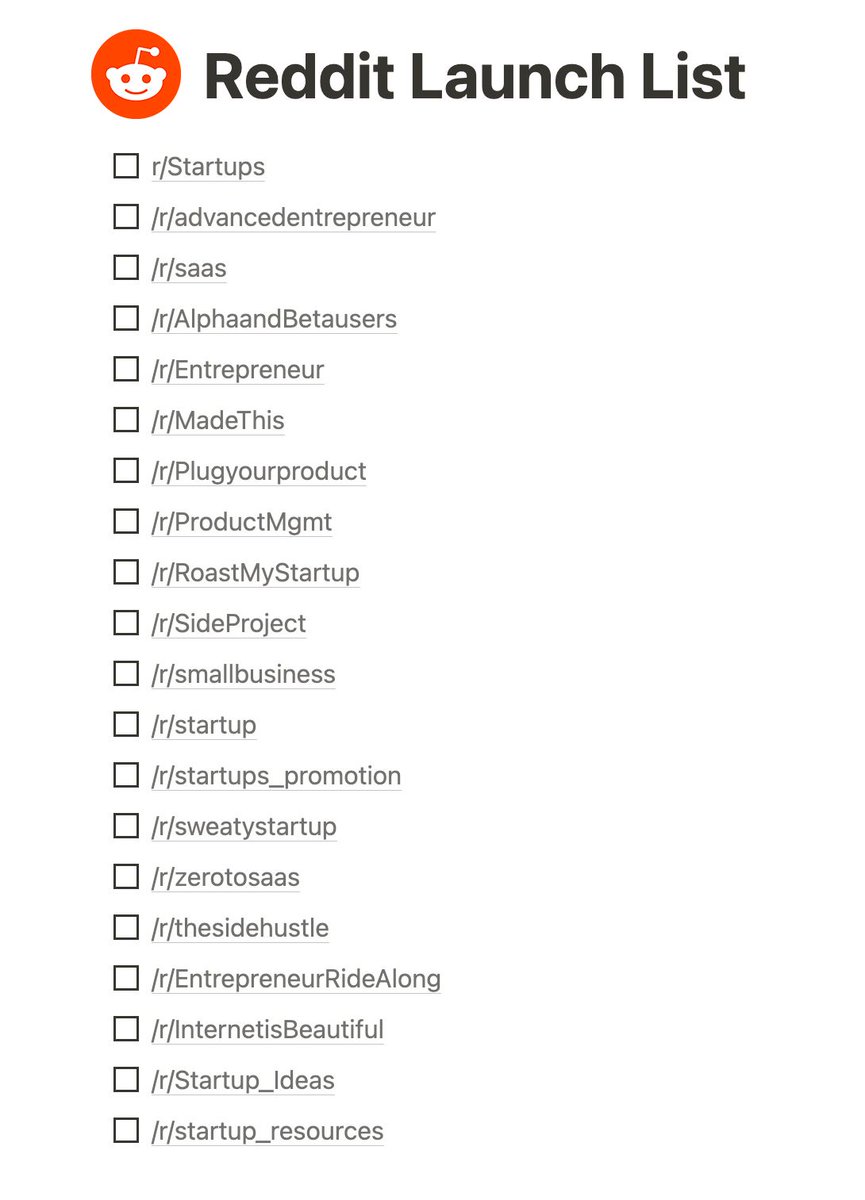
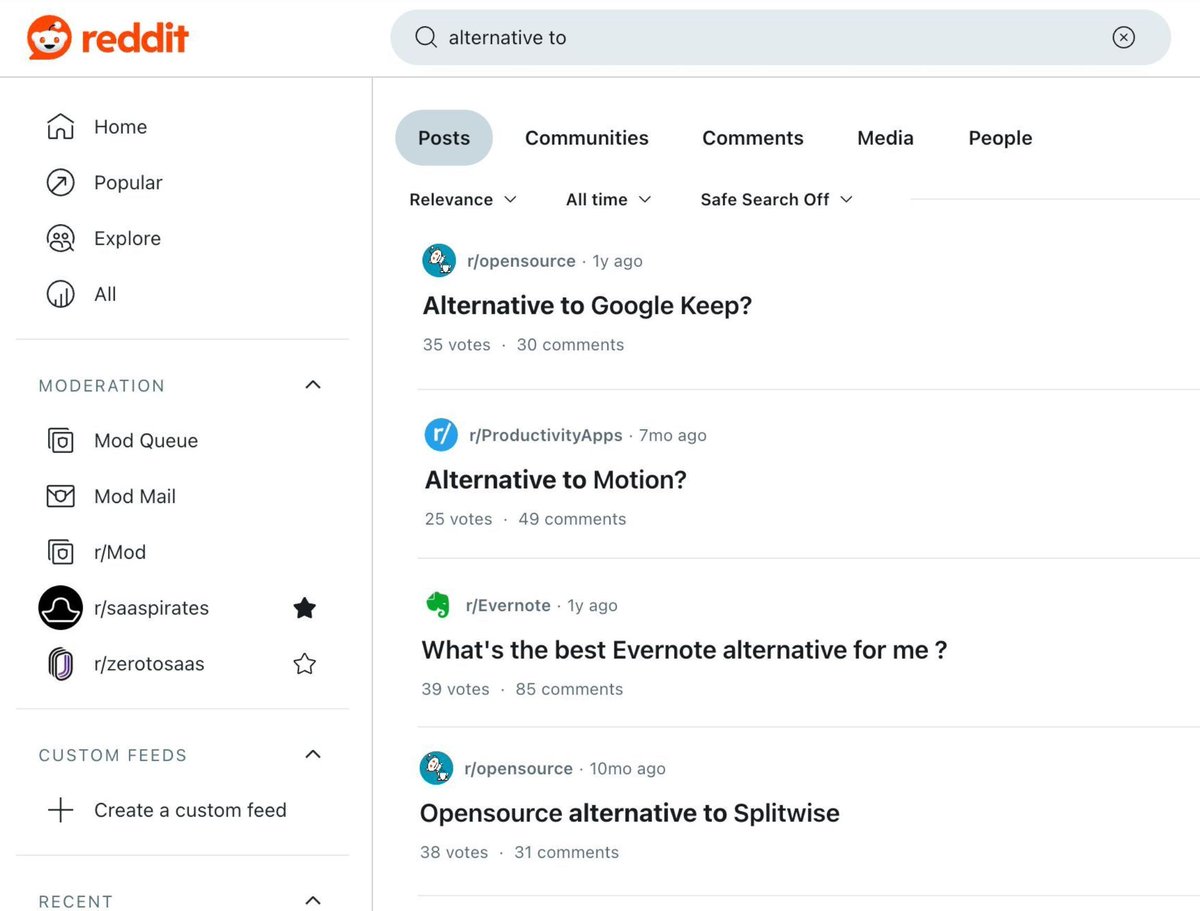
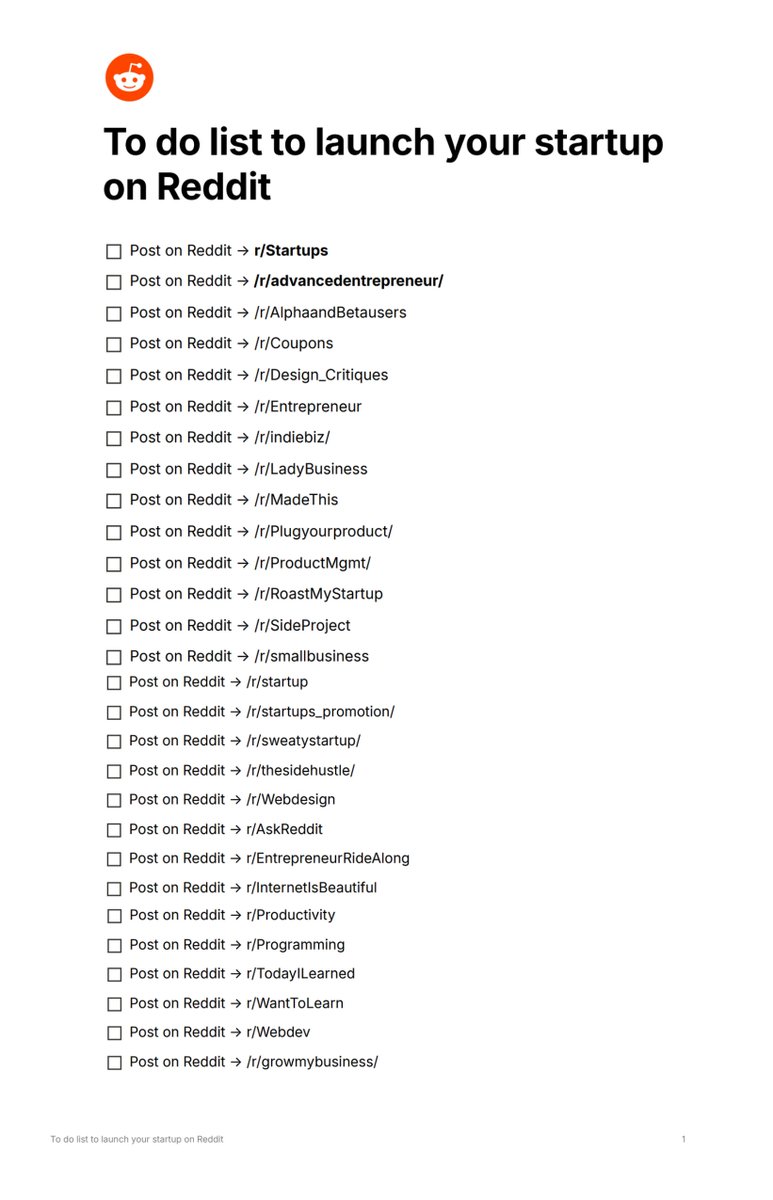
This is how I launch every product 👇
I did all this for @ReferralPage and now all that's left is to watch the results.
By the way, this is "Twitter Post 3" 😆
business school should be a year of v0, cursor, replit, claude prompting, design 101, finance 101, how to find startup ideas and 3 years of how to hack distribution.
you can't graduate unless one of your products gets 100 customers and you go viral.
i'm sorry.
ideas on how to compete with $100B saas companies:
- intentionally limit features (focus on core value)
- give affiliate program 50% cut until $1M ARR (then lower)
- shift from monthly subscription to "quantum pricing" (dynamic based on usage/value)
- kill your best-selling plan (force upgrades)
- "trojan horse" free tool strategy build a free, standalone tool that solves one problem perfectly use it to capture leads and upsell your main saas
- make your saas more niche than the competition
- turn your website with the sole goal of getting people on webinars (or workshops or whatever)
- offer "family plans" for B2B
- don't automate everything, add human touch (for key touchpoints)
- "micro-saas acquisition" strategy buy tiny, neglected saas products cross-sell to your existing user base
- create an invite-only tier (exclusivity drives desire)
- build physical product companion (expand ecosystem)
- implement artificial scarcity (drive urgency)
- offer "pay what you want" for 24 hours (viral promotion)
- launch a "feature store" marketplace (monetize add-ons)
- implement "use it or lose it" credits (drive engagement)
- offer "on-demand" live product demos (personalize sales)
create "choose your own adventure" onboarding (personalization)
offer a "pause subscription" option (reduce churn)
implement "earn while you learn" tutorials (gamify onboarding)
- "in-app courses" strategy build learning paths inside your tool become indispensable to users' growth
- make cancellation dead simple (build trust)
- launch a "negative roadmap" (set clear product boundaries)
- implement "collaborative" pricing negotiations (for enterprise)
- make your brand loveable (use @DesignScientist or learn to design)
- create an in-app "shower thoughts" forum (community building)
- launch "CEO for a day" customer feedback program (deep insights)
- offer "pay in content" for influencers (marketing leverage)
- implement "feature auctions" for early access (monetize eagerness)
- create "choose competitor" comparison tool (control the narrative)
- create "customer matchmaking" for networking (add auxiliary value)
- "feature deprecation" as marketing publicly remove bloated features position as focused, user-centric
- add a membership program (discounts, other software, community) to lock them in
- offer "subscription insurance" for hesitant buyers (remove objections)
- create a "price match guarantee" with a twist (match + 10% off)
- offer "competitor data migration concierge" (remove switching pain)
-create "customer advisory board" with equity incentives
- launch "seasonal features" (create FOMO and reengagement)
- offer "pay with your data" option (monetize insights)
- implement "feature leasing" (temporary access for specific needs)
let's go.
The most interesting tech news in crypto today is @0xPolygon's utilization of @SuccinctLabs SP1 tech for their AggLayer Pessimistic proofs
This is a big deal because it represents a turning point in the competition between specialized ZK circuits and generalized zkVMs
This thread explains why this event will have long-lasting effects on the development of zk-based applications
BREAKING: The SEC approves spot Ethereum (ETH) ETF, making it the first ETF ever created because a character from “World of Warcraft” had its warlock powers nerfed.