a quant at a prop firm showed me a 5x5 grid on a napkin
said:
> this is our entire edge. we don't predict price. we predict which box the market is in and where that box historically leads
i didn't understand it for weeks. then it clicked
never looked at a chart the same way since
grid is called a Markov Chain transition matrix. the math is from 1906, it's in every probability textbook on earth
and hedge funds use it because it asks a completely different question than retail traders ever ask
retail: will this go up or down
quant: what state is this market in, and where does this state typically go
every market lives in one of maybe 5-6 states at any given moment
tight range, volatility compression, trending with momentum, post-spike reversal, pre-breakout coil
not random labels - clusters you identify from actual data using volatility, volume, and momentum readings stacked together
once you have the states, you build the matrix:
P(state 2 -> state 4) = 73%
P(state 4 -> state 1) = 61%
P(state 1 -> state 3) = 68%
each cell is a historical probability. now when the market is in state 2, you're not guessing
you're betting on 73% historical completion. you size it with Kelly. you take the trade when the math says to, not when it feels right
i built this on BTC using 2 years of 4-hour data. identified 5 states
one i labeled "volatility compression below 20-day mean for 6+ consecutive candles" transitioned to a directional move above 1.8 ATR in 71% of cases
average reward/risk on those trades: 5.4
that's not prediction. that's reading a probability table the market keeps filling in for you every single day
the part that should bother you: the data to build this is free. the framework is in any quant textbook
python to implement it is maybe 200 lines
what Renaissance Technologies has that you don't isn't secret data or proprietary signals
it's this framework applied to higher-resolution data with more sophisticated state definitions
you're not missing information
you're asking the wrong question every single time you open a chart
Personal update: I've joined Anthropic. I think the next few years at the frontier of LLMs will be especially formative. I am very excited to join the team here and get back to R&D. I remain deeply passionate about education and plan to resume my work on it in time.
🚀 LangSmith Agent Builder is now available in Public Beta
Now anyone can create production ready agents without writing code, just chat.
Agent Builder guides you from initial idea to deployed agent, creating detailed prompts, selecting required tools, and even creating subagents.
Our Beta release also includes:
🧰 Bring your own tools via MCP server
🧩 Browse, copy, and customize agents across a shared workspace
🧠 Use your preferred model
Try Agent Builder free: https://t.co/N2O8g0LDt1
Read more on the launch: https://t.co/m763CWM3l8
Bitwise is excited to announce the long-awaited launch of $BSOL, the first U.S. ETP with 100% direct exposure to SOL. BSOL aims to stake 100% of its SOL holdings in-house, using @heliuslabs technology.
Tomorrow at 1pm ET, join Bitwise Co-Founder and CTO @hongkim__ and Helius CEO @mert for a conversation on what today’s milestone means for Solana, its incredible ecosystem, and the future of finance.
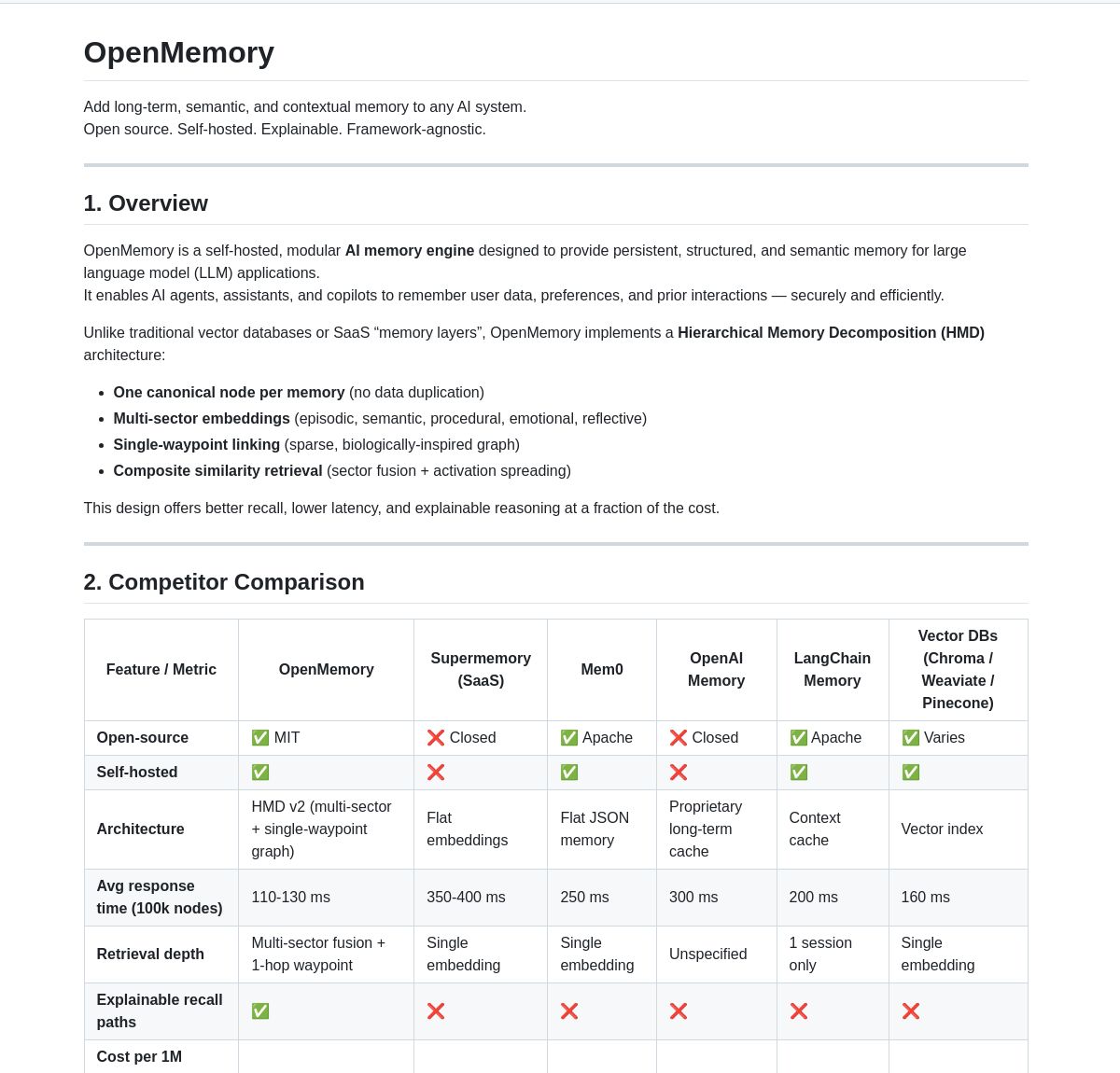
🧠 OpenMemory: AI Memory Engine
An open-source memory system enhancing LLM apps through LangGraph integration. Features structured memory with 2-3× faster recall and 10× lower costs than hosted solutions.
Check it out 🔍
https://t.co/ooZJ6tELLX
Today https://t.co/8D7vu5k9RP announced it has submitted an application to the Office of the Comptroller of the Currency (OCC) for a National Trust Bank Charter. This filing positions the company alongside other major crypto firms seeking federal oversight to expand custody, staking, and payment services nationwide, without the need for fragmented state-level approvals. If approved, the charter would allow @cryptocom to operate as a federally regulated trust institution, focusing on digital asset custody and related fiduciary activities though it wouldn't enable full banking functions like deposits or loans.
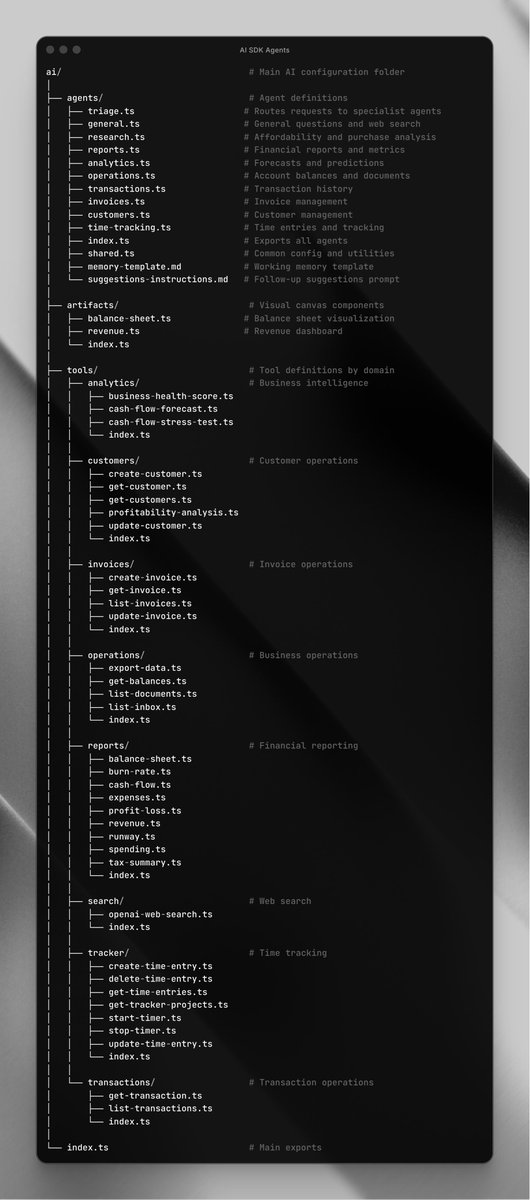
This is how I structure our multi-agent AI system:
• 10 agents (triage + 9 specialists)
• 43 tools (grouped by domain)
• 12 artifacts (visual canvases)
Each agent gets only the tools it needs. Clean and maintainable.
I used Claude Code Skills + souped up PDF parsing to create an M&A deal comp agent 🤖
Given a directory of public M&A filings (DEF 14A), it parses and analyzes each pdf, and generates an Excel sheet with deal terms and comparables.
1️⃣ The native parsing is pypdf which sucks, so I swapped it out with LlamaIndex semtools.
This uses LlamaCloud for parsing - letting it handle deeply complex financial tables, charts, and anything else you throw at it.
2️⃣ Claude has native skills to write Excel spreadsheets!
Full prompt is in the video below 👇
LlamaCloud + Semtools access also takes < 5 mins to setup, come check it out!
Some notes:
- disclaimer: Some of the values in the Excel spreadsheet are 100x bigger because they’re formatted as percentages not raw values
- We’re working on native Claude skill integrations too!
Semtools: https://t.co/xg1iqbghIr
LlamaCloud: https://t.co/xg1iqbghIr
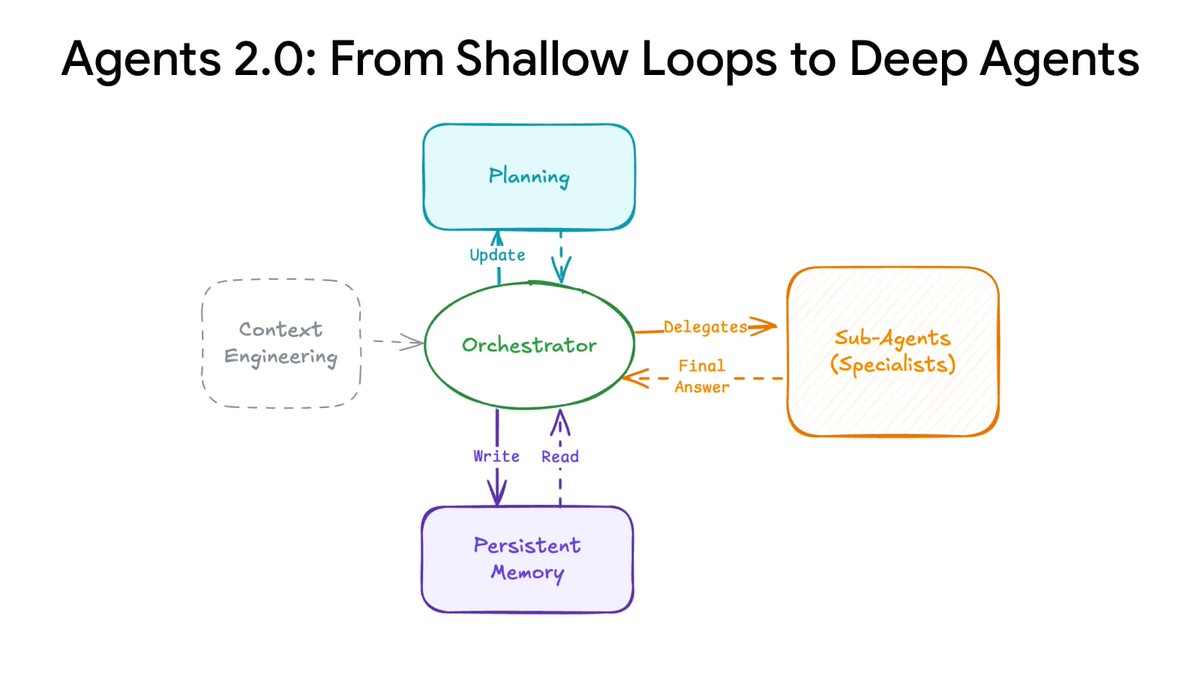
🤖 🧠 Deep Agents Evolution
A breakthrough in AI architecture enabling agents to scale from 15 to 500+ steps through advanced planning and memory systems, revolutionizing how AI handles complex tasks.
Learn more about this evolution 🔍 https://t.co/BdCRwgl0di
🚨GIVEAWAY🚨
Win one of 5 FREE 1-year Alpha memberships to celebrate the launch of the new Real Vision.
How to enter:
1️⃣ Join the waitlist [link in comment]
2️⃣ Drop a screenshot of the waitlist entry confirmation
3⃣ Like & RT this post
Winners announced on Oct 8
Ready to see the future of finance? 🥂...







![RealVision's tweet photo. 🚨GIVEAWAY🚨
Win one of 5 FREE 1-year Alpha memberships to celebrate the launch of the new Real Vision.
How to enter:
1️⃣ Join the waitlist [link in comment]
2️⃣ Drop a screenshot of the waitlist entry confirmation
3⃣ Like & RT this post
Winners announced on Oct 8
Ready to see the future of finance? 🥂...](https://pbs.twimg.com/media/G2W53IcWsAATSH2.png)


