4/
3. Policy that doesn’t get in the way
Singapore’s startup scene isn’t an accident.
Fast incorporation, smart visa systems, and real government-backed R&D make it usable.
3/
2. Capital that moves
Ideas die without early-stage fuel.
Paris 5x’d its startup value since 2017 because capital started flowing faster and earlier.
2/
1. Talent density
You don’t get good companies without good people.
Stanford built the human infrastructure for Silicon Valley.
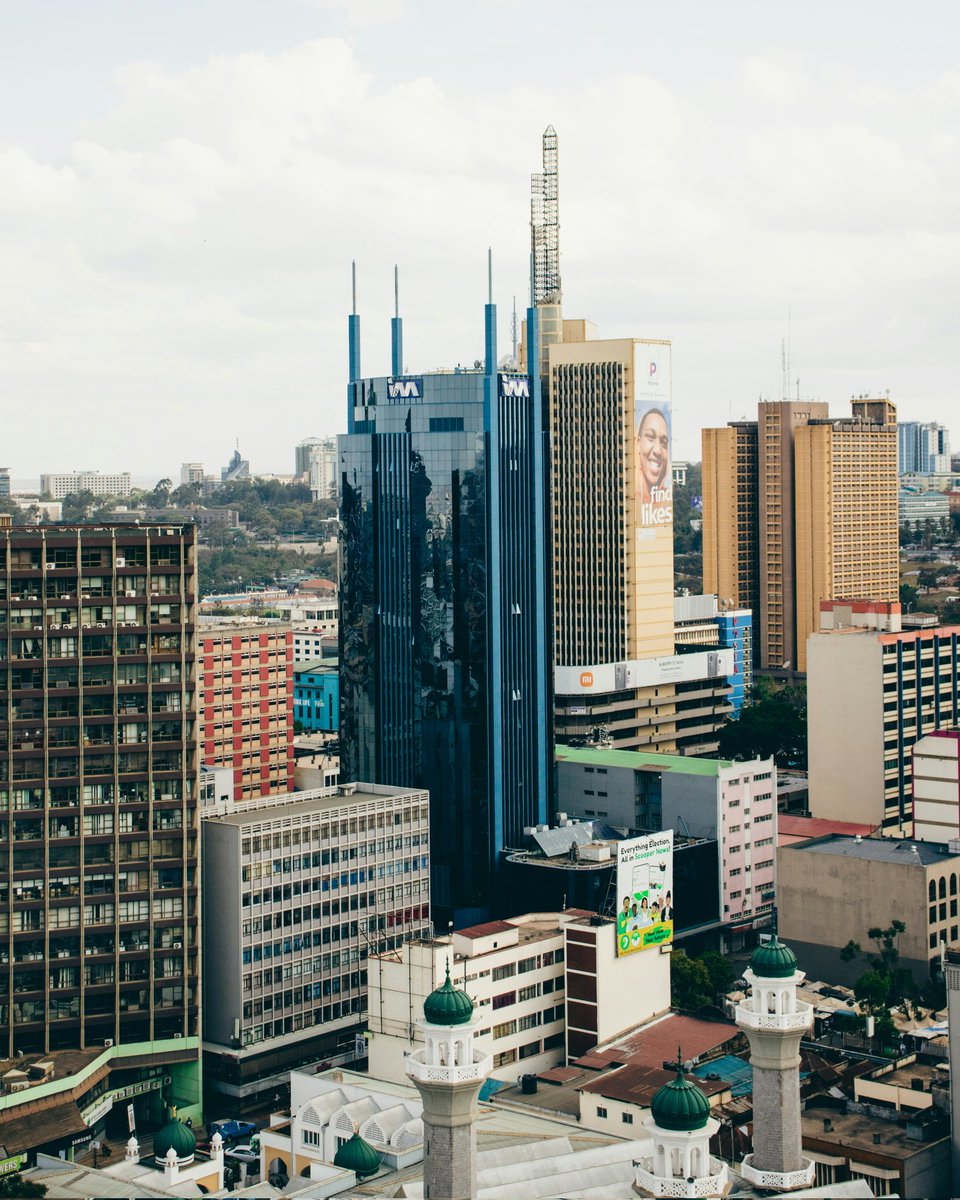
In Nairobi, the University of Nairobi feeds the tech scene with real devs, not theory.
From M-Pesa to a $7B startup engine.
Nairobi holds 97% of Kenya’s startups.
$1.6B+ in VC since 2019.
Google, Microsoft, Visa all building here.
One of Africa’s densest, fastest-moving ecosystems.
Who else is watching Nairobi closely?
$158B in startup value. 43 unicorns. 1 city you’re probably overlooking. Guess where?”
📍 Bengaluru.
India’s tech capital ranks #20 globally for startup ecosystems.
Over 2,400 startups officially tracked.
A talent base of 1.3M professionals working in 400+ Global Capability Centers (GCCs).
Home to Flipkart, Swiggy, Razorpay.
Startup cities don’t need to look like Silicon Valley anymore.
They just need the right ingredients:
→ Infrastructure
→ Talent
→ Policy support
Which city is next?
460K people. $253B in startup value. 57 unicorns.
Tel Aviv ranks #4 globally for startup ecosystems. Ahead of cities ten times its size.
Decades of military-trained talent + elite universities + $46B in VC = a city that outperforms.
Small cities with global impact. This is what we are building at Alpha City.
The takeaway? The best SEZs aren’t shortcuts. They’re long-term plays built on timing, focus, public-sector execution, and human capital. When done right, they change the trajectory of entire economies.
And all three understood this: SEZs are only as good as the people who work in them. Each country invested in basic education and vocational training, building a labor force that could power industrial growth.
All three had governments that didn’t just regulate—they enabled. They built infrastructure, offered generous incentives, simplified licensing, and made global trade frictionless.
All three SEZs launched during a moment of economic urgency:
– Mauritius needed to diversify from sugar
– UAE needed a non-oil growth engine
– Bangladesh needed jobs and exports after independence
Then came Bangladesh. Through a mix of SEZs and targeted policy, it built a $47B garment export machine that now employs 4 million people—over half of them women—and accounts for more than 80% of the country’s total exports.
A few years later, in 1985, Dubai established Jebel Ali Free Zone (JAFZA)—now home to 9,500+ companies from 140+ countries, generating $104B in annual trade. It contributes nearly a quarter of Dubai’s GDP.