I’m feeling the immense pain and frustration of researchers right now. I lost my research funding in 2011. It was the end of my research, my team, the career I’d spent almost 20 yrs building. Sacrifices made, hurdles navigated. I was low, it was hard. I hurt. Others hurt for me.
An important day, working with our @NSWHealth Executive team towards #implementation of #speedextract data from #emr to improve patient outcomes. Huge opportunities with clever use of #bigdata but need collaborative approach to the challenges @OzCvA @TonyCPenna @Louisa_Jorm
Broadening research partnerships to include industry is one way to improve research translation. Too much research ends up in the research graveyard. Universities need to rethink academic metrics to break the cycle of publish or perish.
Like many I became a researcher because I value curiosity, contribution and compassion - not cutthroat competition. Thank you @IJBNPA@DeakinIPAN @researchwhisper & so many others for spreading this message 😊
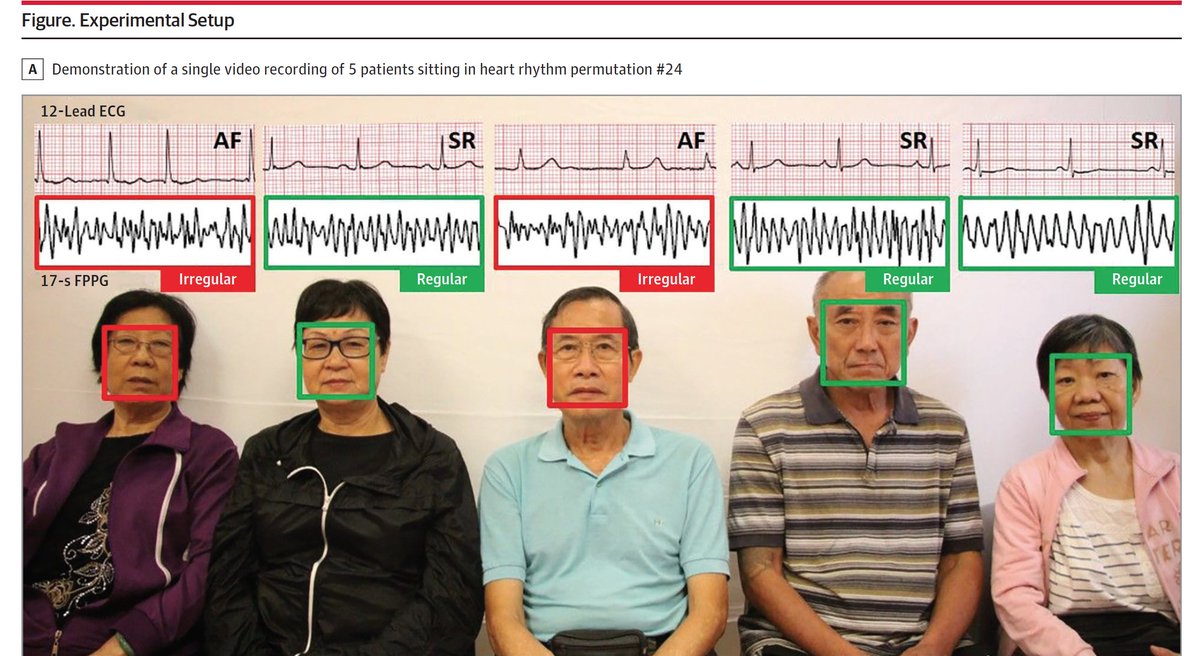
1/ So with #deeplearning#AI you can diagnose atrial fibrillation from a person's face (machine vision captures pulsatile blood flow that human's can't see)
https://t.co/rmn69YF2tT @JAMACardio Small N, high accuracy FPPG vs ECG @CUHKMedicine Bryan Yan et al @HRIAust@Sydney_Uni
@SHPartners@nicole_rankin8n thanks @nicole_rankin8n@AndrewJBaillie for an excellent masterclass and program on implementation science. it was my first time hearing these concepts and was great to hear the inspiring exemplar use cases to better understand concepts in action
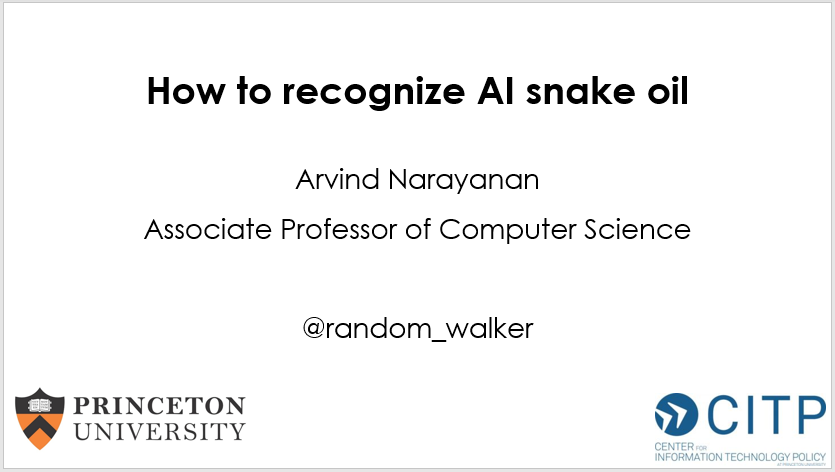
Much of what’s being sold as "AI" today is snake oil. It does not and cannot work. In a talk at MIT yesterday, I described why this happening, how we can recognize flawed AI claims, and push back. Here are my annotated slides: https://t.co/iCpyFw5urN