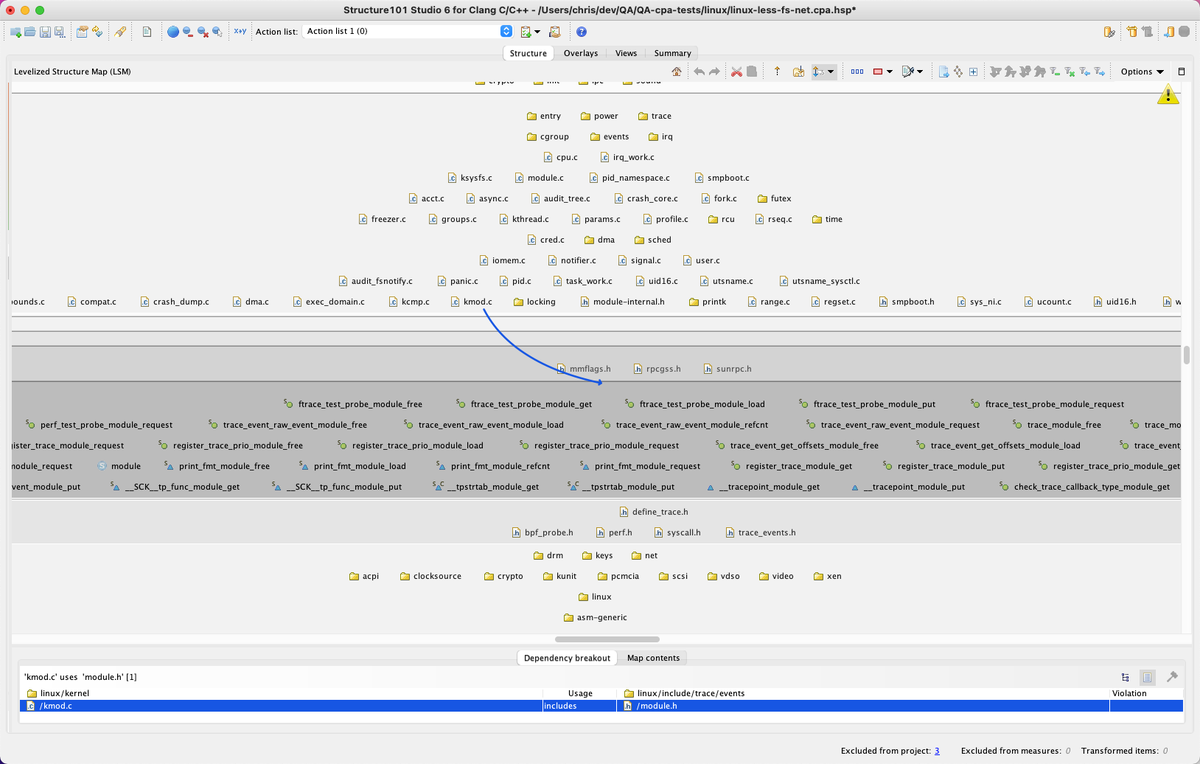
'Using Structure101 “modules” to control APIs in #C/C++'
How to achieve API control between projects using the #Modules feature in #Structure101 Studio.
#SoftwareArchitecture
https://t.co/YTL5aeFXt6
Remove unnecessary C/C++ #includes which increase build times, make code harder to understand and restructure. Step-by-step walkthrough using @structure101: https://t.co/fyeUmYVD4K
Even catches notoriously tricky macro, #ifdef, etc dependencies...
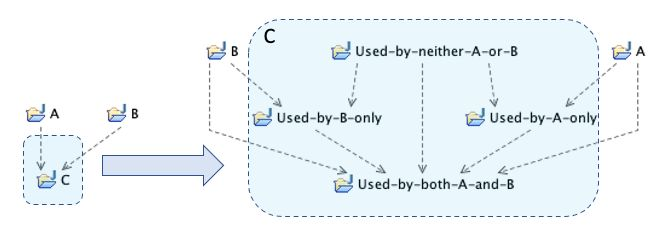
If you ever want to split a module up based on how it is used by other modules, here's a step-by-step on how to do that with @structure101 ...
https://t.co/i8qil3iVP9
#monolith#microservices#modularity
The "Getting Started with #Structure101 Workspace" webinar series.
Full details and registration-
- Far East and Australasia - (Wed, Aug 29, 2:00 PM Beijing) https://t.co/otqKkE0B2B
- Europe - (Wed, Sept 05, 10:00 AM Berlin) https://t.co/O0QeALq7RD
#java#softwarearchitecture
Nice blog series about modularisation with @structure101 :
https://t.co/11ps7JJ4ia
But often step 0 is necessary first: reorganize your package structure to break up too big packages and to form cohesive groups of types.
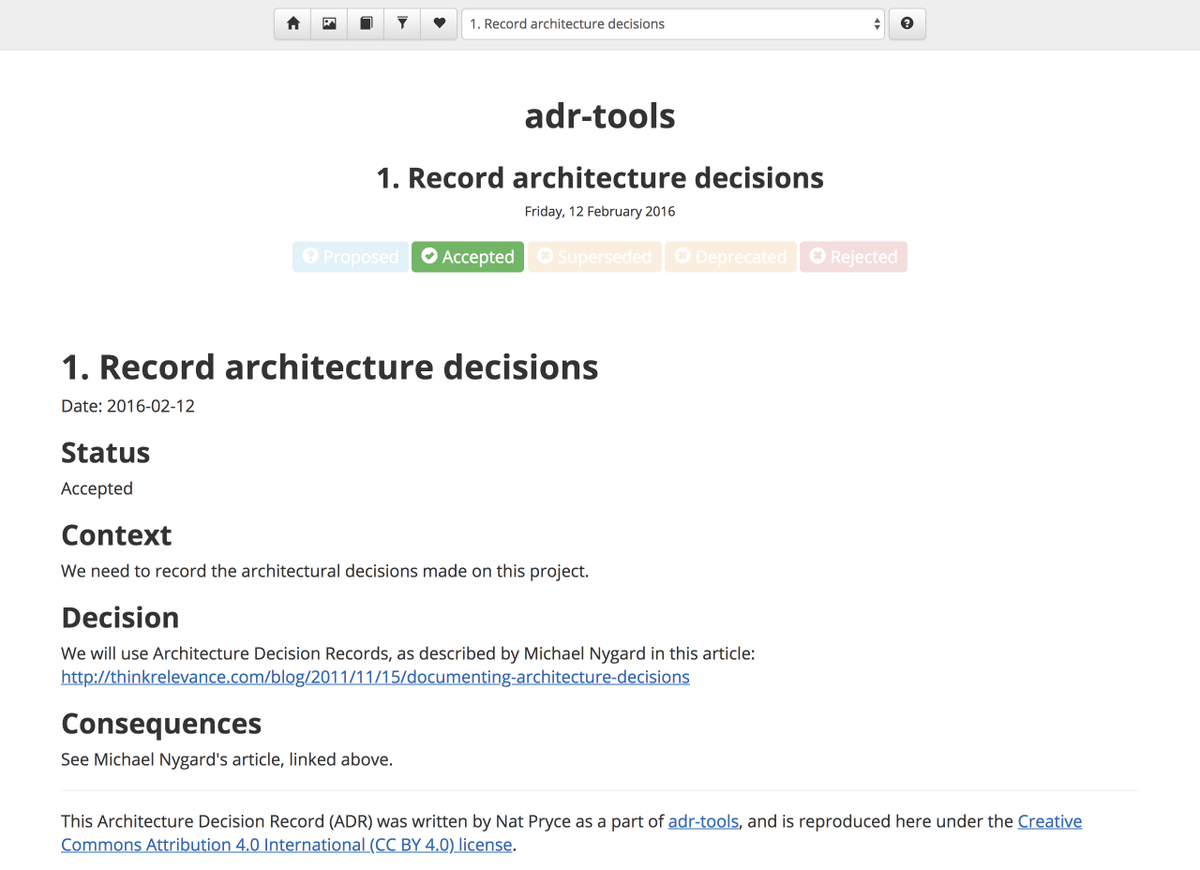
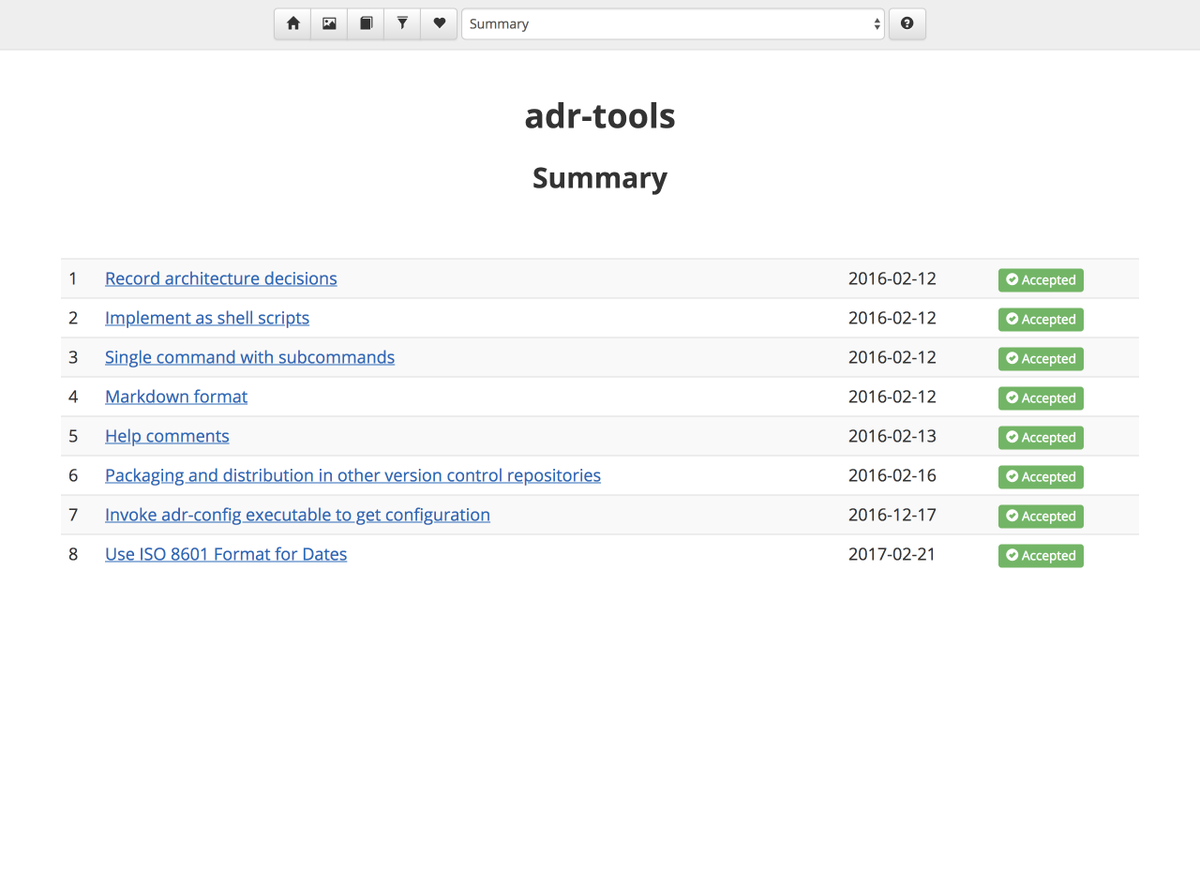
Here's a sneak peek at an upcoming Structurizr feature I'm building ... support for lightweight Architecture Decision Records (ADRs, as described by @mtnygard) -> https://t.co/GzaLOD85xs (this is an import of the Markdown files from @natpryce's adr-tools command line tooling)
"With Workspace, you can overlay a Structure Spec onto the visualization, letting you browse the as-built dependency details through the specified architecture. And of course being in the IDE you can navigate between visualization and code very easily."
https://t.co/fvH0LqLRsW