love asking people:
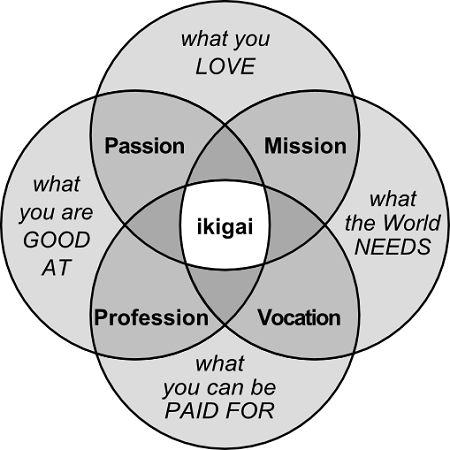
- what their “endgame” is
- what they’re borderline overconfident about
- what they’d want to do if they knew they’d be successful at it
- what their fighting style is
- what outfit they’d wear everyday if no one would notice they repeated
- what they mindlessly collect
- what their favorite time of day is (the literal time, like 12:34 pm)
- what their alter ego is
- what traits they share / don’t share with their parents or siblings
- what it usually takes people a long time to figure out about them
Dear managers: A company is not a family.
Parents owe kids unconditional love. Most companies only offer at-will employment.
A leader's job is not to show daily affection. It's to give people pay and purpose, support their success, and care about their well-being.
https://t.co/qEUjMN0b1Z
I regularly use these AIs:
- GPT 4/4o - programming, learning, planning
- Grok - learning, news, fun, free speech
- Gemini 1.5 - working w/ huge text
- Claude 3 - natural-sounding convos
- Perplexity - for deep-dive research on topics
Thank you to the teams that build these!
Emotion regulation is not about controlling what you feel. It's about choosing how you respond.
Wise people don't suppress emotion. They find constructive ways to express it.
Intense feelings don't always demand immediate reactions. They often benefit from deep reflection.
romantic relationships/best friends/therapists are critical for the same reason, where this person can become the primary person who explains you to *you*, the supplement to your internal monologue, and can rewire your understanding of yourself for way better or for way worse
Aim up and become what you know you should.
“I am not what happened to me, I am what I choose to become. You are what you do, not what you say you'll do.”
— Carl Jung
In transactional relationships, people only reach out when they want something from you. They use your connection to achieve their goals.
In meaningful relationships, people get in touch when they think of you. Staying connected and being helpful are their goals.
1. Jakim will consider a proposal for convenience stores to sell alcoholic drinks via vending machines so Muslim staff won't have to handle the items.
"We appreciate Pulai MP's idea and will try to bring it for discussions..," said Islamic Affairs Deputy Minister Zulkifli Hasan.
HAPPY VALENTINES DAY! a quick thread about marriage.
*this picture is from 2005, the day Candice and I eloped, got married in a Texas courthouse without telling anyone. we had gone on our first date just 3 weeks prior.
I’m looking for place to move next month with following details. Please help
Area: Kuala Lumpur- Jalan Ipoh,Cheras Maluri (walking distance to MRT station)
Move in: Jan/Feb
Budget: rm1100-1200
Room type: Semi Furnished studio or Middle Room
#找房间@BilikSewaKL#sewabilik
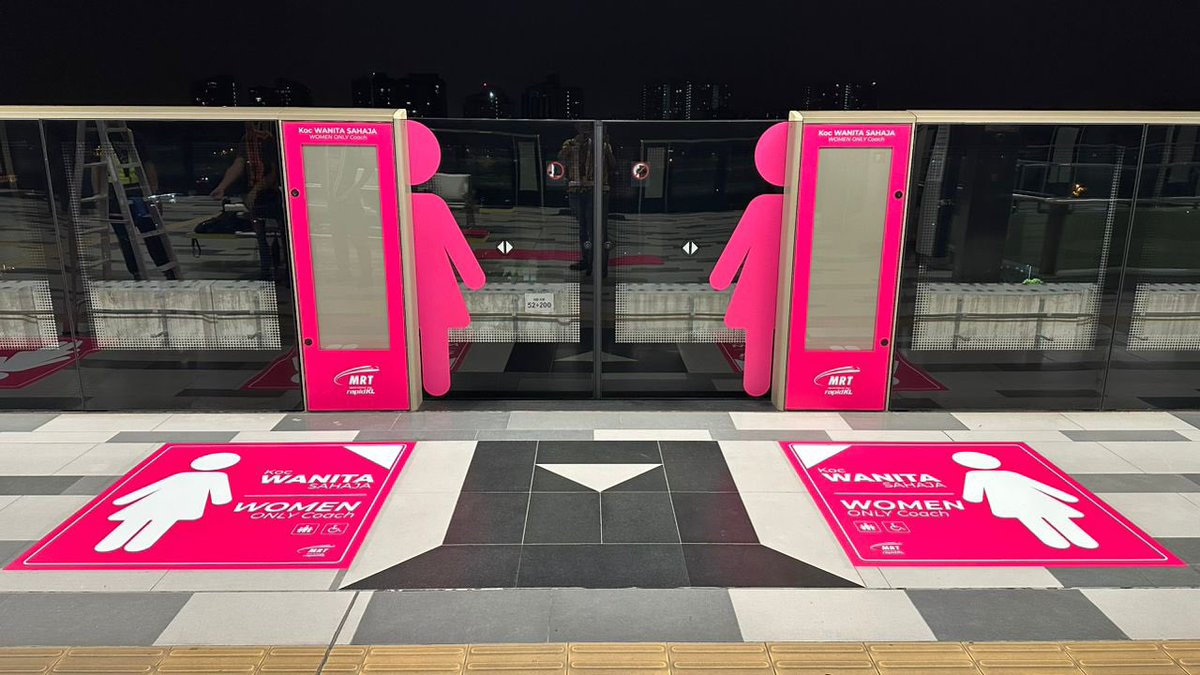
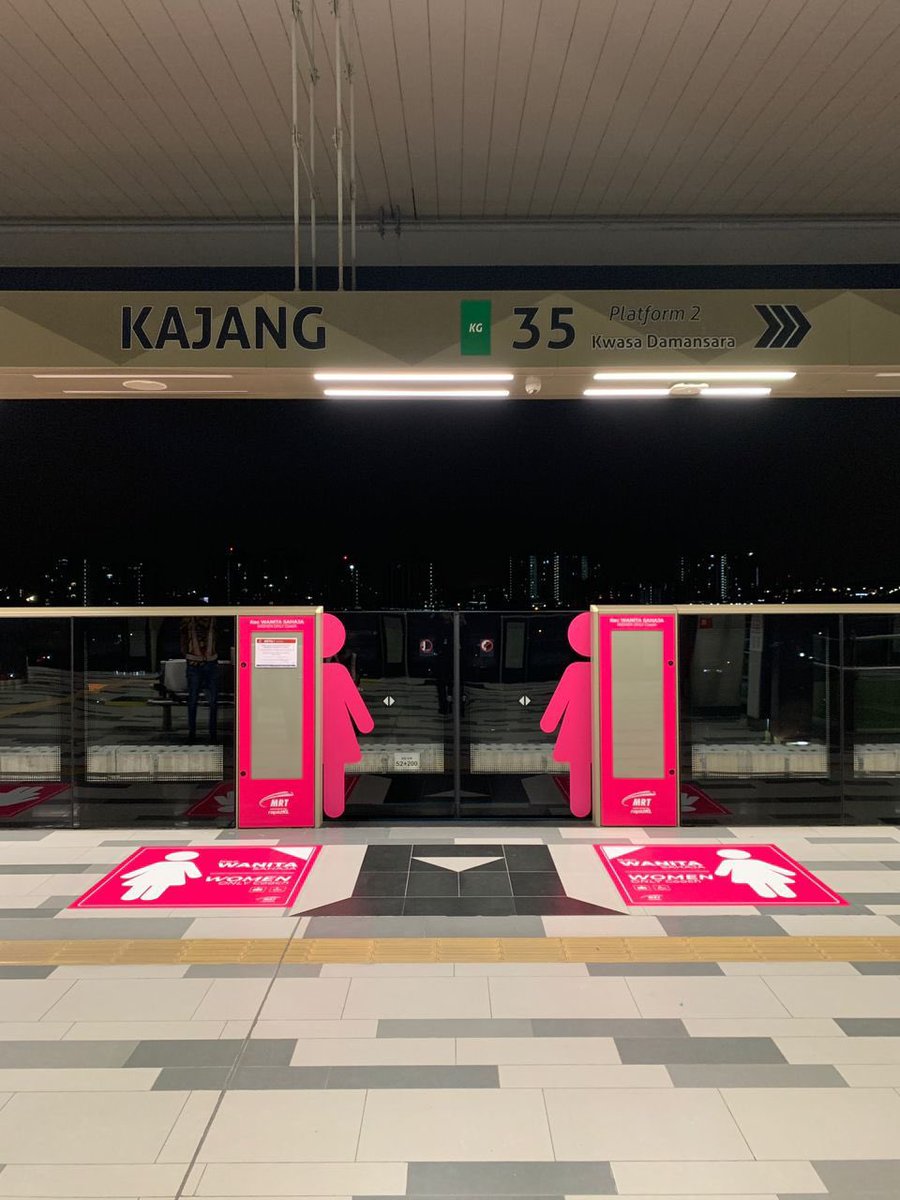
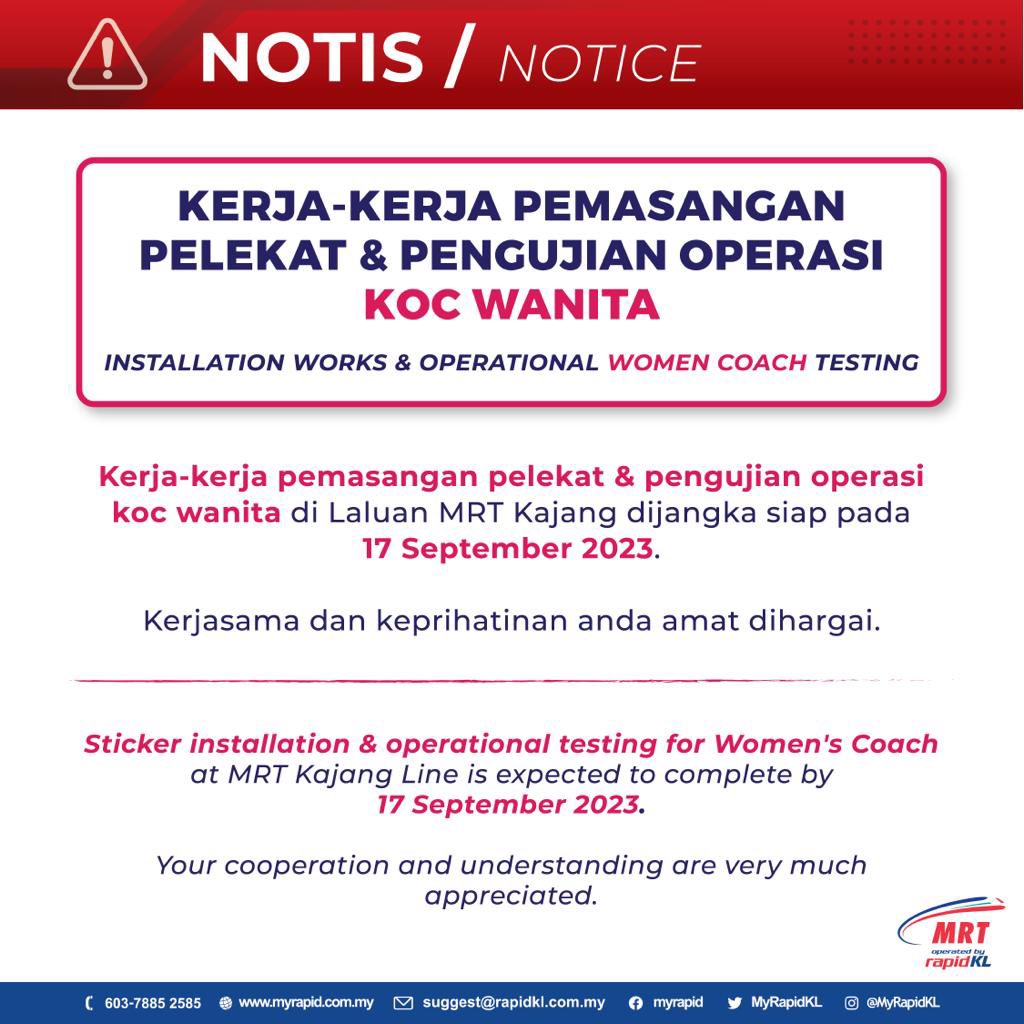
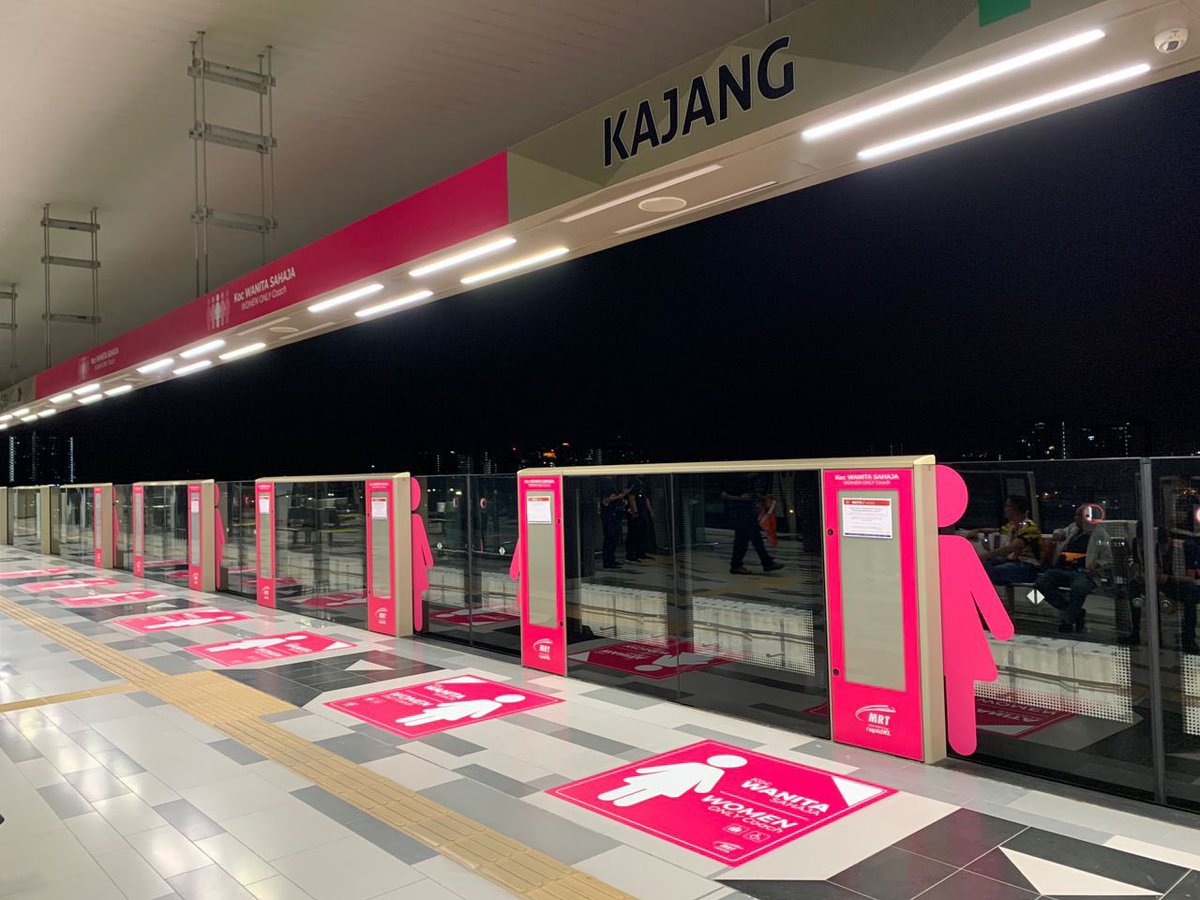
Pelanggan yang dihormati, kerja-kerja pemasangan pelekat & pengujian operasi koc wanita di MRT Laluan Kajang sedang dijalankan secara berperingkat.
Sila rujuk poster untuk maklumat lanjut. #RapidKL@MRTMalaysia@APADchannel
Prove you can do hard things
When a teenager asks why they need to learn calculus, what should you say?
You know they will never use it in adulthood, outside of certain career choices.
You could say, “It’ll help you get into college,” but then they’re left wondering why college cares if you know calculus.
And once they’re in college, maybe you could say, “To get a good job,” but why would a potential hirer care how you did in multivariate calculus if your job doesn’t require any knowledge of calculus?
But I recently realized there is a very good reason to take Calculus. It’s to prove you can do hard things.
The ability to do hard things is perhaps the most useful ability you can foster in yourself or your children. And proof that you are someone who can do them is one of the most useful assets you can have on your life resume.
Our self-image is composed of historical evidence of our abilities. The more hard things you push yourself to do, the more competent you will see yourself to be.
If you can run marathons or throw double your body weight over your head, the sleep deprivation from a newborn is only a mild irritant.
If you can excel at organic chemistry or econometrics, onboarding for a new finance job will be a breeze.
But if we avoid hard things, anything mildly challenging will seem insurmountable.
We’ll cry into TikTok over an errant period at the end of a text message. We’ll see ourselves as incapable of learning new skills, taking on new careers, and escaping bad situations.
The proof you can do hard things is one of the most powerful gifts you can give yourself.
My goal with our kids is to avoid lying to them as much as possible.
I won’t tell them that calculus is super important or even that grades are super important. The truth is, they aren’t, so long as you have other plans.
Calculus is a great way to prove you can do hard things if you have no other proof to show.
But if you’re learning programming and building apps in your free time, or winning soccer championships, or writing a novel, then you are doing hard things. Probably harder than Calculus.
This is also why there’s so much survivorship bias and bad advice in the “C students hire A students” trope. Most C students are not doing other hard things instead of school. They’re just goofing off, so they end up working for the A student.
But some C students are getting C’s because they’re obsessed with other projects. Hard projects. And that obsession with doing hard things lets them blow past their Excellent Sheep peers over time.
So if you have a C student who’s obsessed with something hard, you probably don’t have to worry. If they’re getting high and watching TikTok, well…
I don’t particularly care what grades my kids get once they start school. But I do care that they consistently prove to themselves they can do hard things. If Calculus is how they want to do it, fine, but there are many, many more options.
And if you’re not someone who knows they can do hard things, find a way to prove it to yourself.
Build a habit, learn a skill, create something, whatever it is that turns your default stance on challenges from “that seems hard” to “I can figure it out.”
Create proof you can do hard things.
I recently turned 39.
Wanted to share some lessons about money, work, relationships and more — that I learned in the first half of my life.
(And nine years+ of blogging.)
Here's 20+ lessons in 7 critical areas I would tell my 28-year-old self: