Digital information should not feel like raw jungle forever.
It should become a place with clearings, paths, edges, memory, and order.
That is what Opal is trying to build.
https://t.co/630XCR86zU
Search is useful, but it should not be the primary way you retrieve your own work.
Sometimes you only remember where something was, what it was near, or why it mattered.
Digital work needs place, not only search.
https://t.co/630XCR86zU
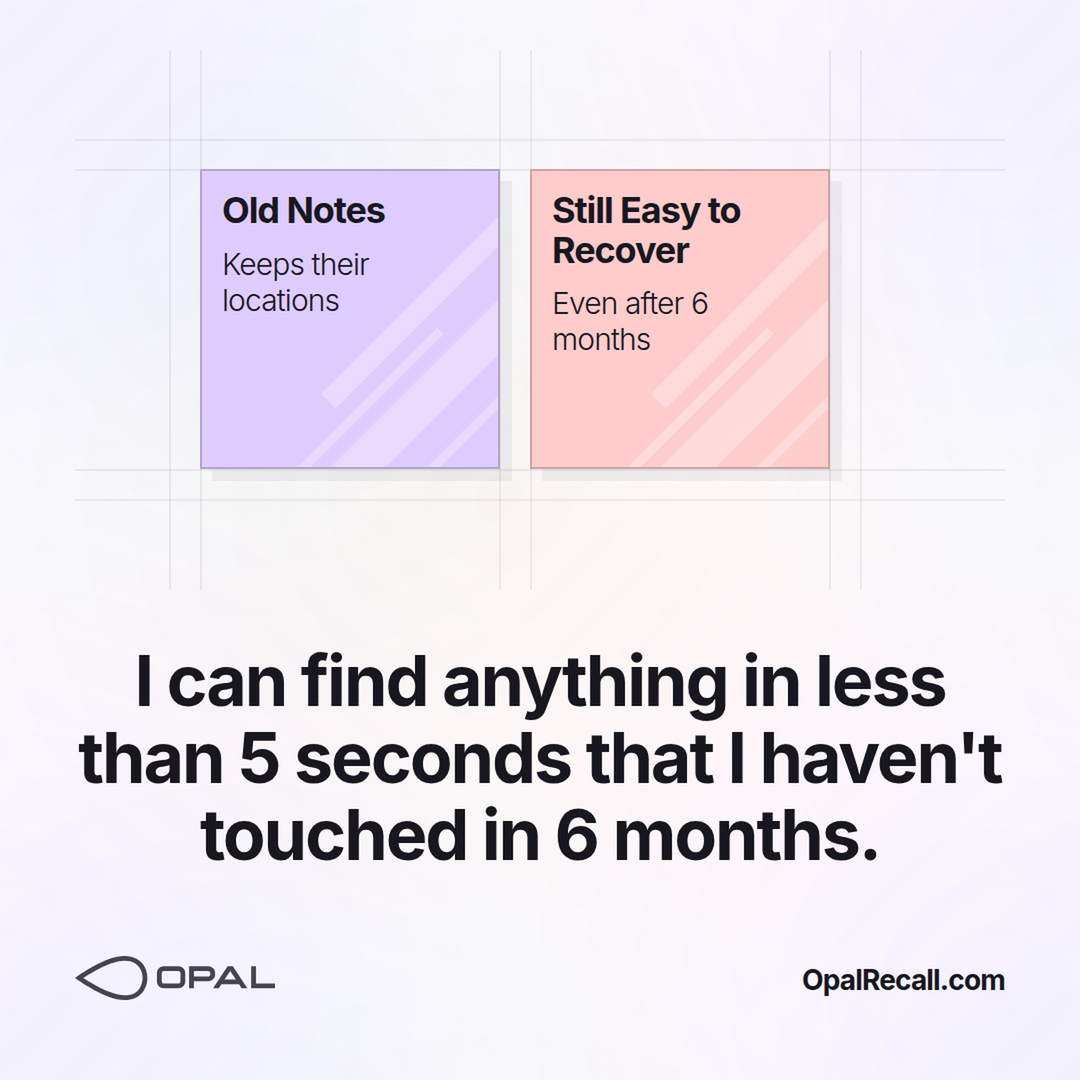
The hard test is not finding yesterday’s note.
The hard test is finding the thing you have not touched in six months.
Spatial memory eliminates the “where did I put that?” smoke break.
https://t.co/630XCR86zU
Folders and databases can become a fancy grave for your work.
The more layers you add, the more retrieval depends on memory and search.
Keep important work visible. Keep it on the surface.
https://t.co/630XCR86zU
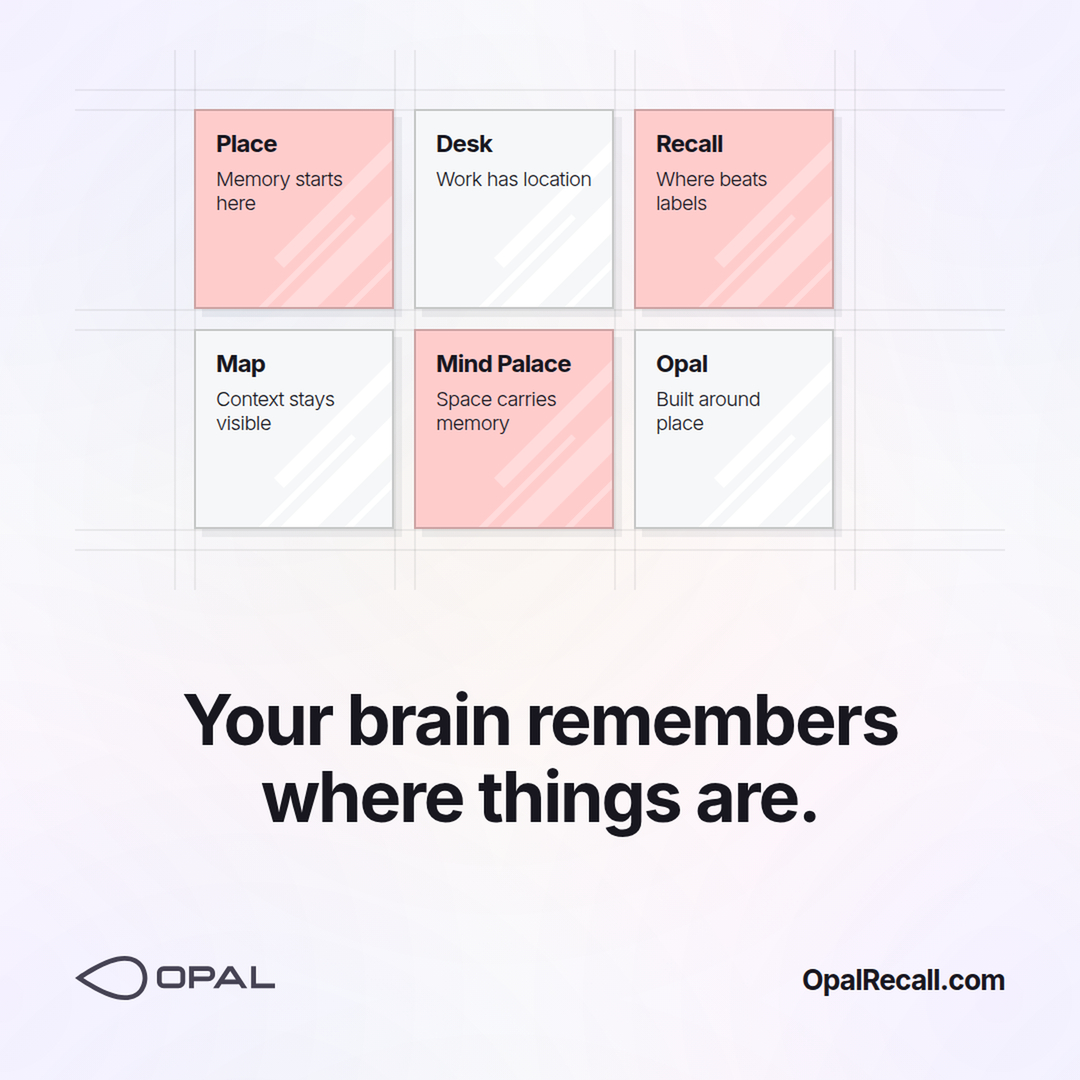
Your brain remembers where things are.
Search is useful, but place is more natural. We do not just ask “what was that called?” We ask “where did I put it?”
That is why Opal starts with a visible workspace.
https://t.co/630XCR86zU
Productivity apps keep asking you to remember what something is called.
But your brain remembers where things are.
That is the idea behind Opal: put notes, tasks, links, files, and projects on a big visible desk so work has a place.
https://t.co/630XCR86zU
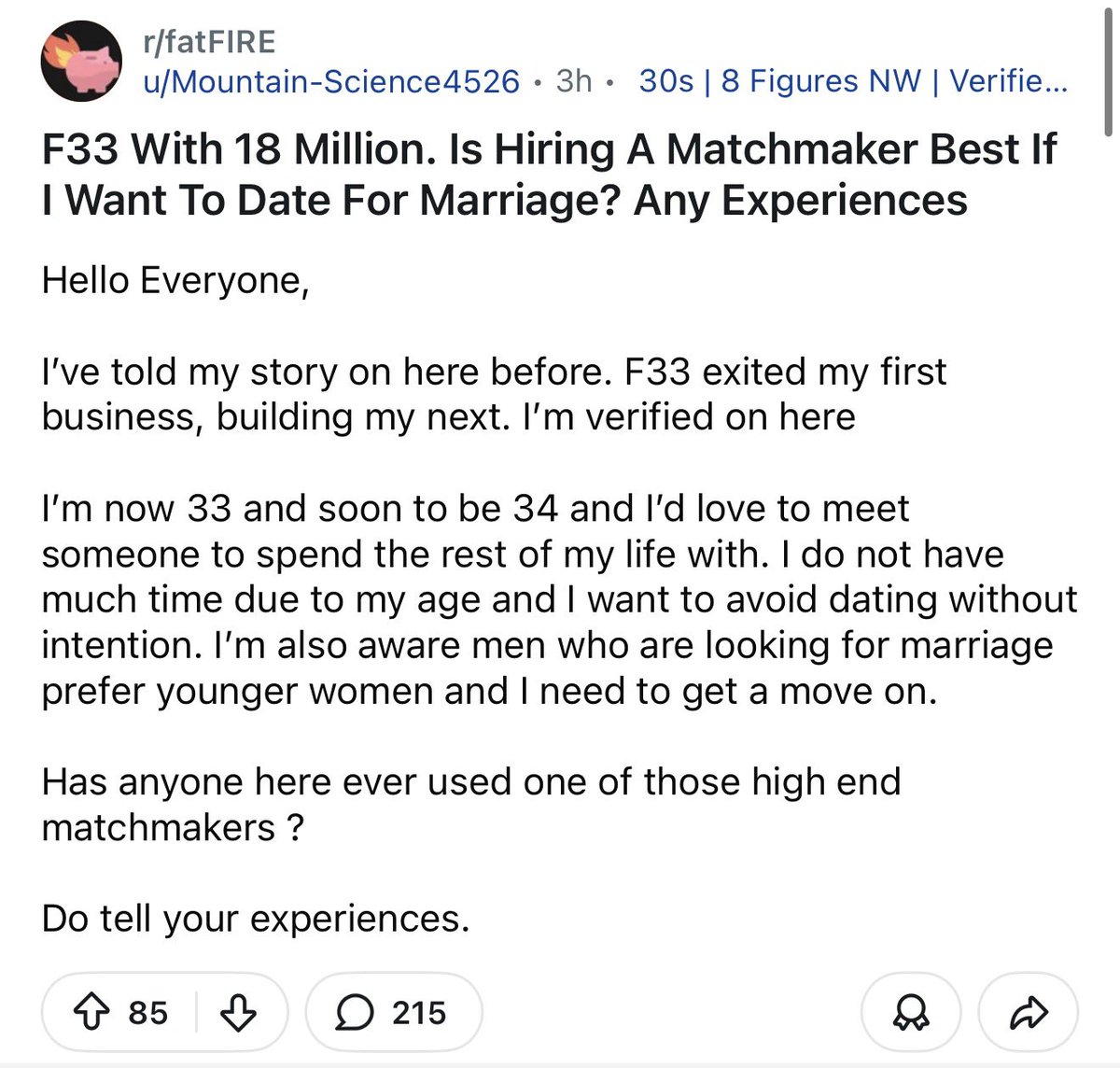
this woman doesn’t need a matchmaker. she needs to accidentally book the wrong airbnb in a mountain town called pine hollow.
it’s december. there’s one coffee shop, one christmas tree farm, & one emotionally unavailable man named jake who owns a struggling bookstore despite somehow having perfect stubble, a golden retriever, & unresolved grief from a fiancee who left him for a private equity guy in denver.
she arrives in a black suv, wearing a cashmere coat, trying to take a “clarity weekend” before interviewing $80k/year matchmakers in nyc.
the town hates her immediately because she asks if they have oat milk.
jake says, “we have milk.”
she says, “from what?”
tension.
then a snowstorm hits. her flight gets canceled. her phone dies. the only place with wifi is jake’s bookstore, which is called “second chances”.
over the next 4 days, she helps him realize the store doesn’t need to close, it just needs a better merchandising strategy, a paid newsletter, & a tasteful espresso machine. he teaches her how to chop firewood, slow down, & pronounce “community” like it isn’t a fund thesis.
by day 5, she has accidentally saved the town’s winter festival.
by day 6, she is wearing flannel.
by day 7, the high end matchmaker calls with “an incredible candidate” who is 42, divorced, skis, runs a family office, says he’s “emotionally available,” lives in tribeca, has 3 phones.
she looks across the bookstore at jake reading to local kids while his dog sleeps under a table.
she says, “i’m going to pass.”
cut to one year later & she has opened a bookstore wine bar called “due diligence.” jake still owns the original bookstore because hallmark cannot handle cap table complexity. she’s pregnant with twins. the golden retriever has a red bow. the matchmaker sends a christmas card.
“turns out the best match was the one not in the database.”
roll credits.
Search is useful, but it should not be the main way you navigate your own thinking.
Search asks you to remember the right words.
Visual retrieval lets you recognize the right context.
That difference matters when your week is messy.