Sesame Workshop mourns the loss of Sir Patrick Stewart. Thank you for being our friend and for sharing your brilliance, joy, and kindness with the world. 💛💚
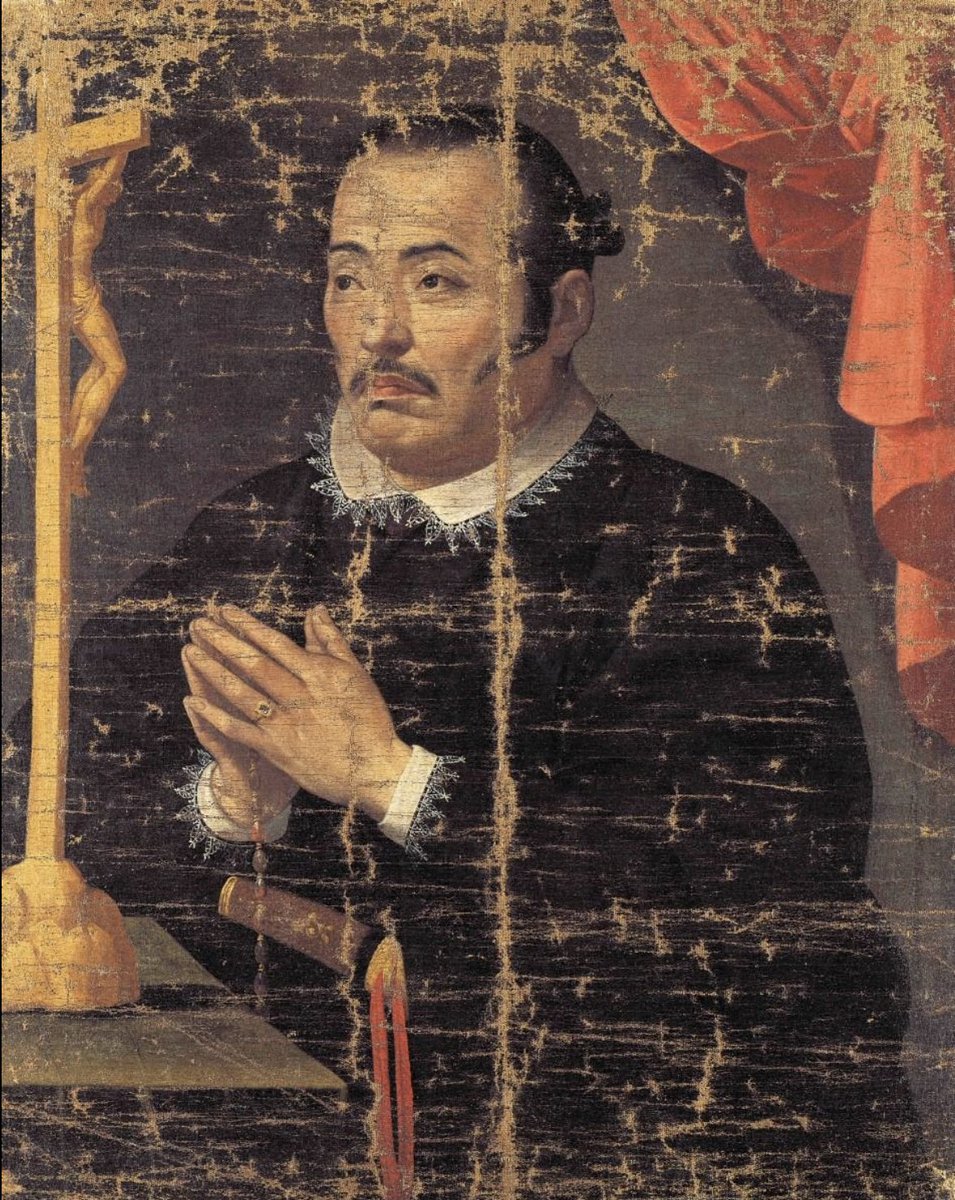
Did you know this Japanese samurai was baptized a Catholic, met the Pope, and became a citizen of Rome more than 400 years ago?
His name was Hasekura Tsunenaga, and his journey began on this day in 1613.
On October 28, 413 years ago, Hasekura and his fellow envoys sailed from what is now Ishinomaki in Miyagi Prefecture, Japan. They crossed the Pacific to Mexico and continued on to Europe.
In Spain, Hasekura was baptized, taking the name Felipe Francisco. He later met Pope Paul V in Rome, where he was granted Roman citizenship.
Today, Miyagi Prefecture keeps the story of that extraordinary journey alive at the San Juan Bautista Museum in Ishinomaki. The museum is celebrating its 30th anniversary this year.
I took the second photo when I visited the museum in May. It shows a quarter-scale reconstruction of the San Juan Bautista, the ship that carried Hasekura across the Pacific.
For Catholics, it’s a remarkable glimpse of a connection between Japan and Rome that reaches back more than four centuries.
A Coreia do Sul é o único país do mundo em que o catolicismo nasceu e se espalhou pela iniciativa de leigos locais, sem a presença de missionários estrangeiros.
Em 1784, estudiosos coreanos que leram textos cristãos trazidos da China enviaram um dos seus, Yi Seung-hun, a Pequim para ser batizado. Ao regressar, formou as primeiras comunidades cristãs no país.
São João Paulo II reconheceu essa singularidade ao afirmar que nasceu ali “a primeira comunidade cristã na Coreia, uma comunidade única na história da Igreja pelo fato de ter sido fundada inteiramente por leigos”.
Essa jovem Igreja resistiu a ondas de perseguição durante quase um século e produziu milhares de mártires, entre eles São André Kim Taegon, o primeiro sacerdote coreano.
A fé chegou à Coreia do Sul por meio da busca intelectual e da adesão voluntária, sendo posteriormente testemunhada e fortalecida pelo sangue daqueles que preferiram morrer a renunciar a Cristo.